
Antique Ceramic Milk Jug
An antique ceramic milk jug brings the weight of eighteenth- and nineteenth-century domestic table service directly to your hands.
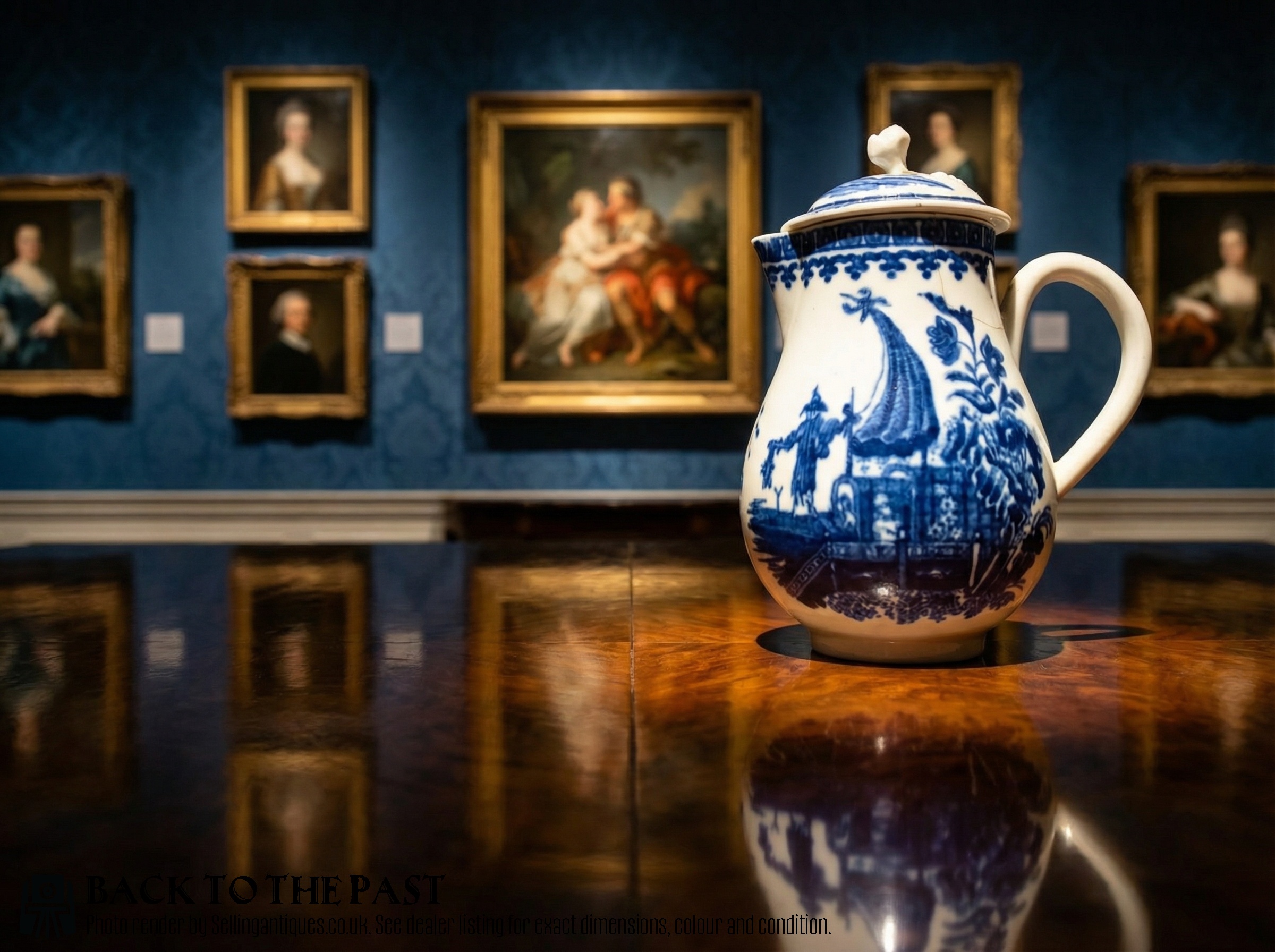
Antique Ceramic Milk Jug
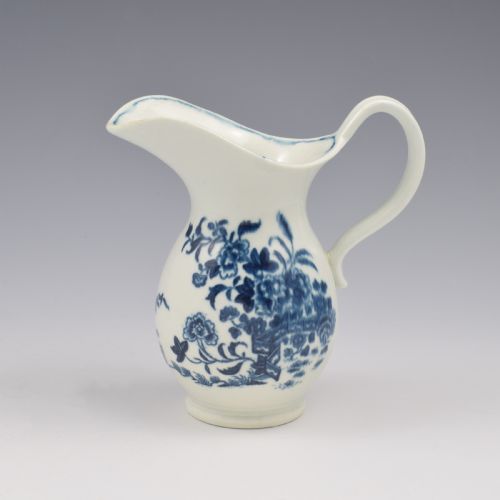
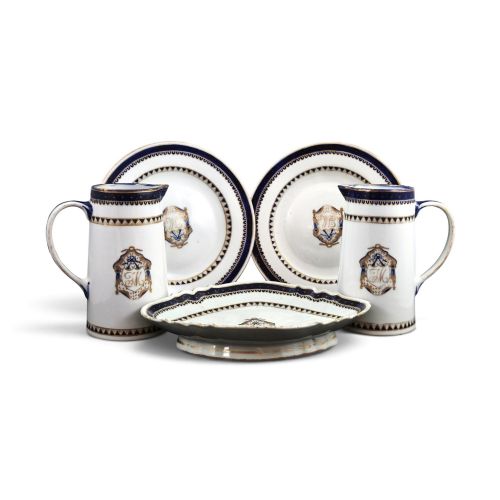
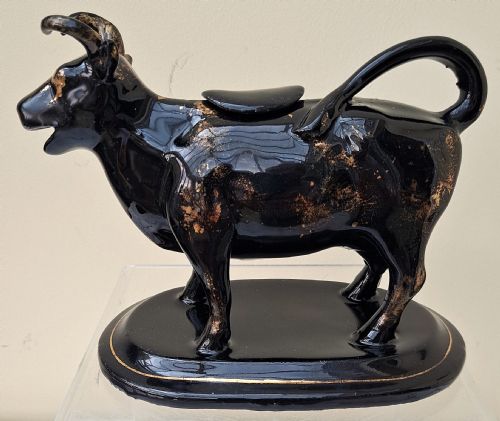
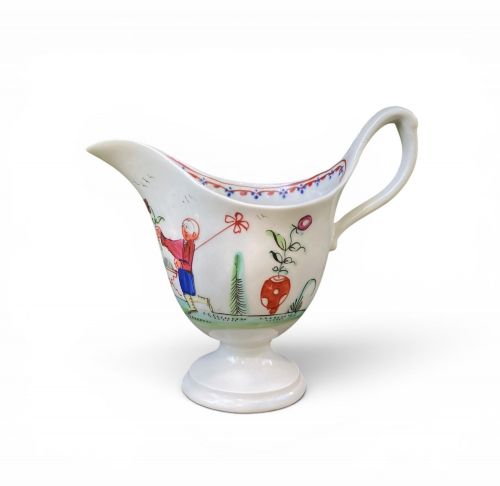
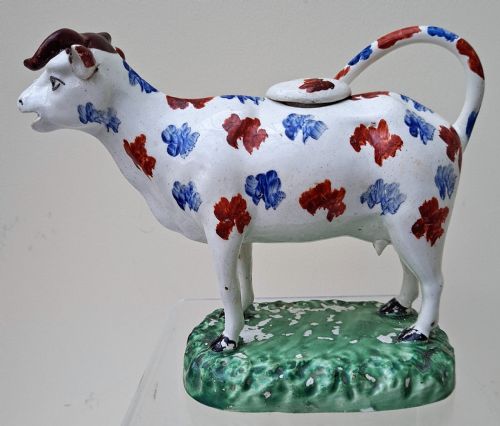
When searching for an antique ceramic milk jug, you encounter functional vessels spanning the Georgian, Regency, and Victorian eras, alongside Chinese export porcelain. These pieces take forms such as creamers, water ewers, and cow creamers, reflecting everyday utility as well as display.
The selection here draws heavily from British factories and potteries, ranging from early porcelain works to heavy ironstone and earthenware productions. Jugs vary from miniature sizes to graduated sets, showing how milk and cream were served across different social settings.
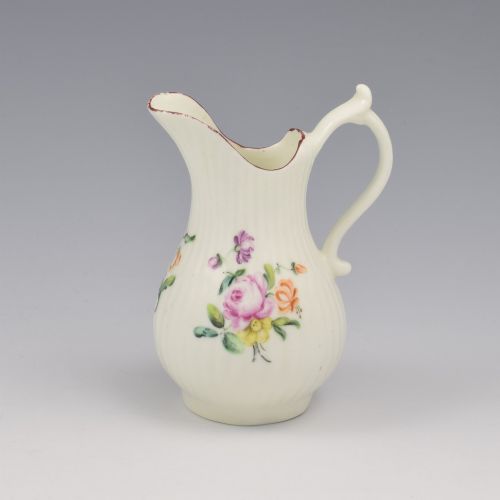
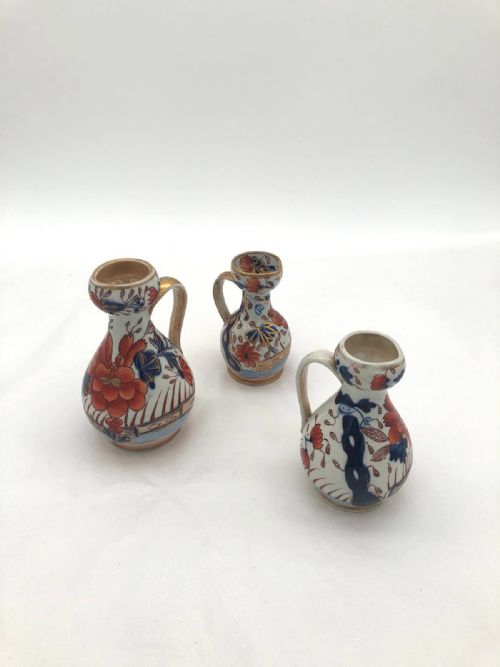
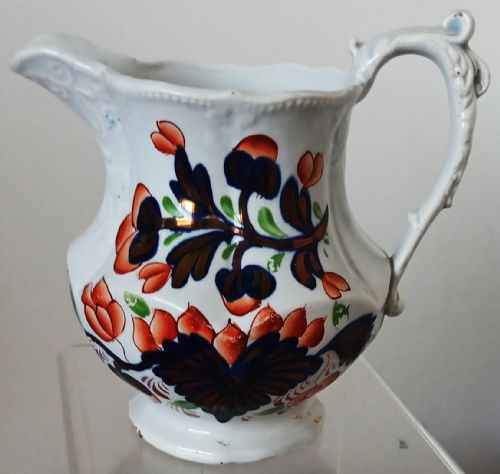
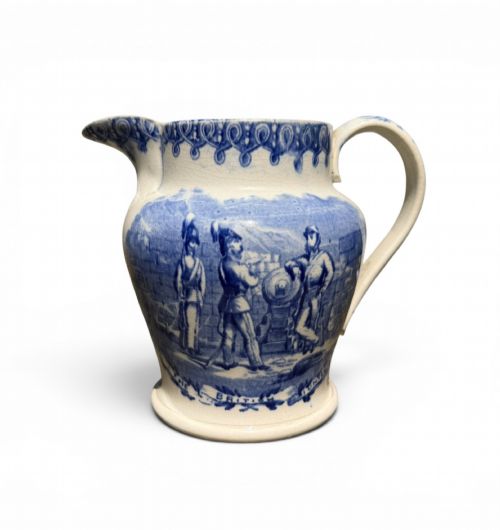
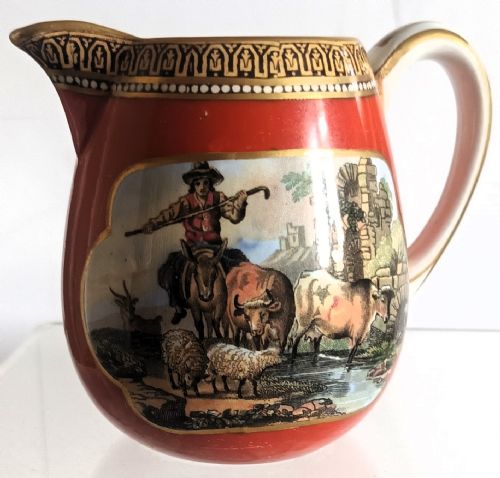
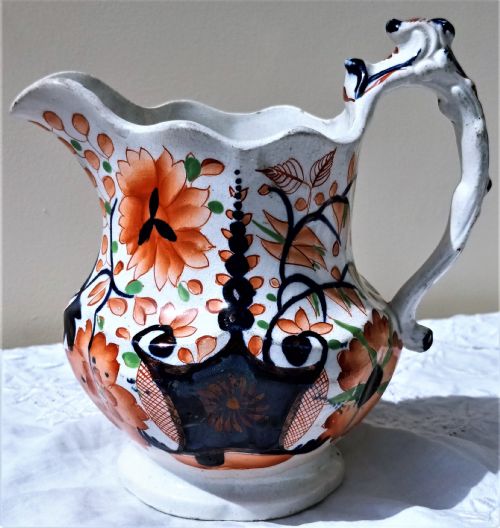
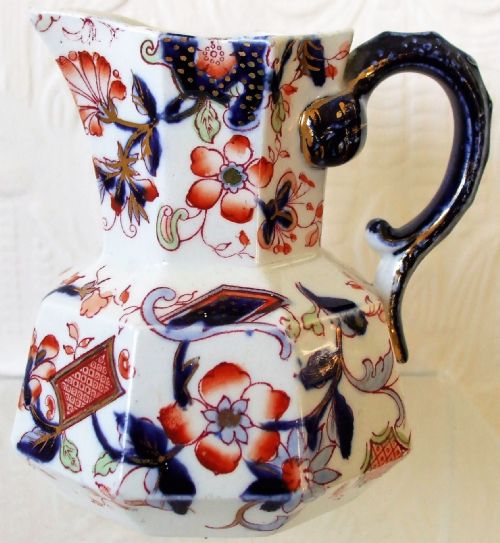
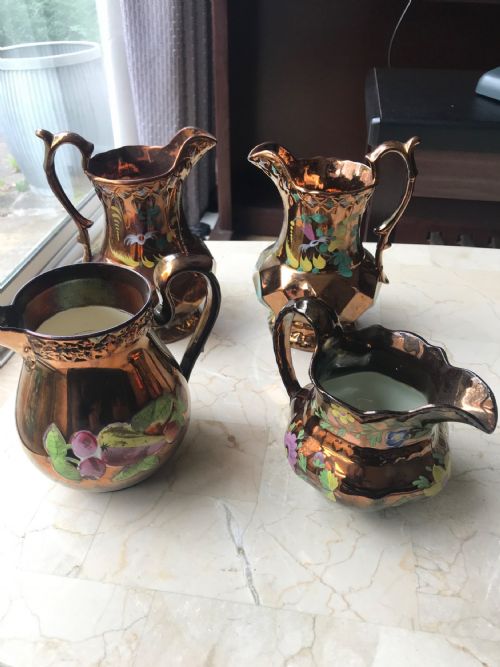
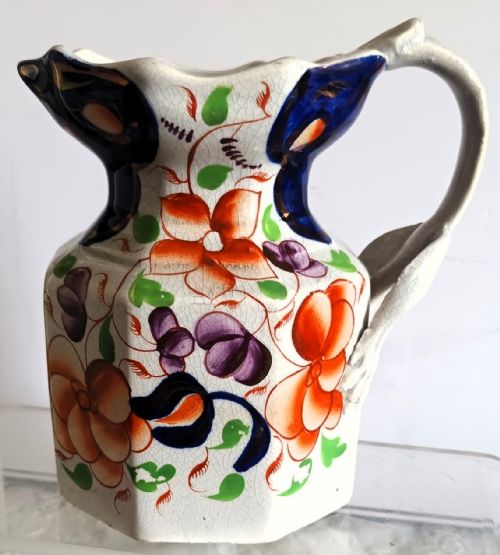
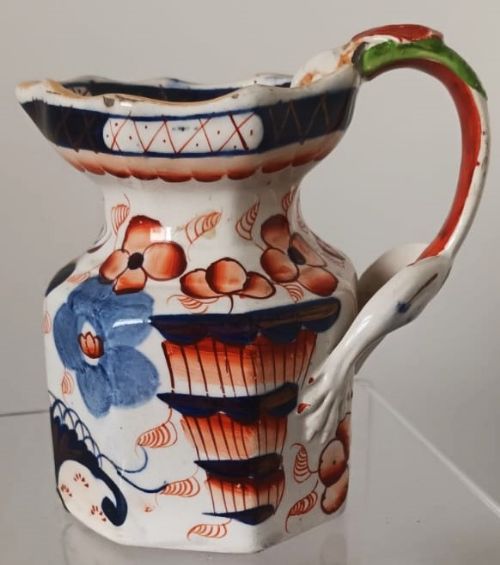
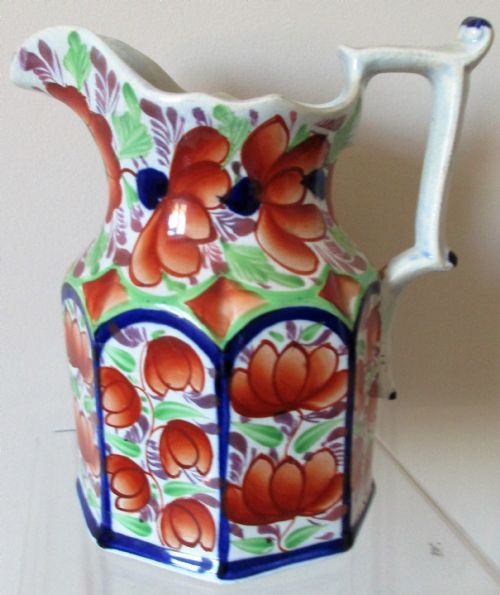
Moulded shapes dominate the available forms, including fluted balusters, hydra mouths, and pouch bodies decorated with hand-painted patterns, transfer prints, and copper lustre. Each item records the shifting tastes of eighteenth- and nineteenth-century households.
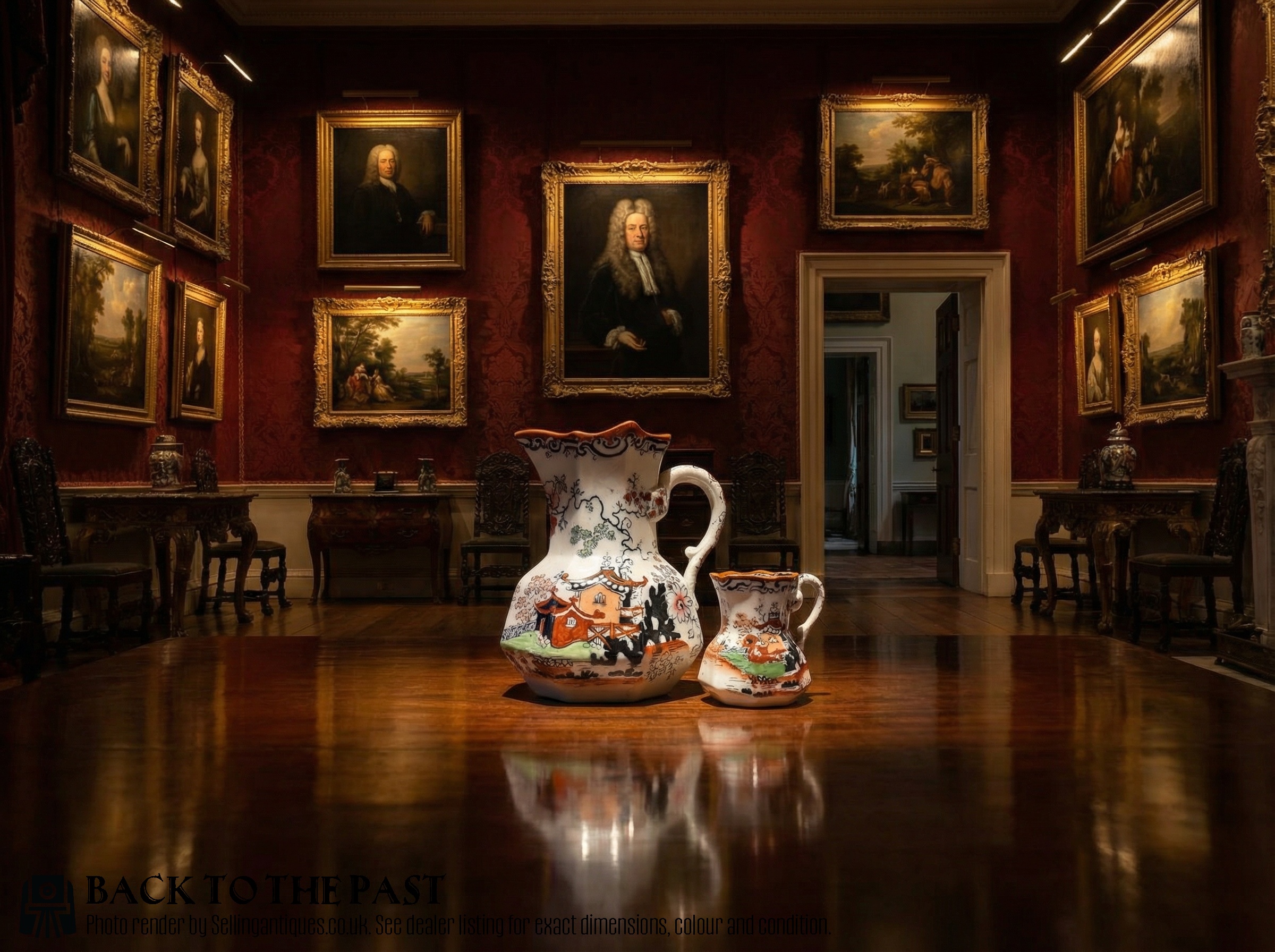
How they were made
Potters shaped these vessels using porcelain, earthenware, ironstone, stoneware, and creamware, often throwing them on a wheel or forming them in multi-part moulds. Handle attachments, clip handles, and specialised spout configurations like the hydra mask required skilled hand-finishing before firing.
Glaze application and surface decoration defined the final appearance, utilising enamel paints, purple transfer decoration, gold leaf, and gilt highlights. Many examples combine underglaze transfer printing with overglaze hand-painting to build up rich floral, botanical, or oriental scenes.
Antique Ceramic Milk Jug Retail Price Guide 2026
Typical asking prices for ceramic milk jug among the pieces listed under this phrase on Sellingantiques today, from the lower quarter to the upper quarter. They describe what is for sale here now, not the wider market.
Listings feature 18th-century porcelain alongside 19th-century ironstone, earthenware, and stoneware bodies.
What varies in quality
Quality rests in the crispness of the moulding and the clarity of the ceramic body, whether translucent porcelain or dense ironstone. Superior pieces maintain sharp relief on moulded details like scale patterns or facial masks, whereas lesser examples suffer from blurred lines and muddy glazes.
The execution of the hand-decoration separates standard factory output from exceptional works. Precise brushwork on armorial crests, botanical studies, and intricate border patterns indicates a higher grade of artisan labour in the manufactory.
Dr Wall Worcester·Mason's Ironstone·Leeds Pottery·New Hall·Royal Worcester·John Rose Coalport·Chamberlain Worcester·Livesley Powell and Co·Royal Davenport·Doulton Lambeth
The Antique Ceramic Milk Jug Glossary
- Ironstone
- A durable type of heavy earthenware patented in the nineteenth century to rival Chinese porcelain. It resists chipping and holds bright enamel colours well.
- Lustreware
- Pottery finished with a metallic glaze that produces an iridescent sheen, often in copper, silver, or purple tones. This technique reflects light across the surface of the jug.
- Cow creamer
- A hollow ceramic vessel modelled as a cow with a milk-pouring opening on its back. These novelty creamers date through the Georgian and Victorian periods.
- Transfer printing
- A decoration method where an engraved copper plate transfers a design onto paper and then onto the ceramic body. This allowed factories to repeat complex scenes consistently.
Antique Ceramic Milk Jug: Frequently Asked Questions
How do I clean an antique ceramic milk jug?
Wash the piece gently by hand using warm water and a mild detergent. Avoid soaking vessels that feature delicate enamel work, gold leaf, or lustre.
Dry the jug immediately with a soft cloth to protect vulnerable glaze surfaces and prevent moisture from settling into older hairline cracks.
Were these jugs used daily or kept for display?
Most jugs began as functional items for pouring milk or cream at tea and breakfast tables. Their survival in varied states of wear shows they moved between everyday service and sideboard display.
Finer porcelain examples with armorial crests or delicate painting likely saw restricted use during formal dining occasions.
How can I tell a Georgian jug from a Victorian one?
Georgian pieces often display neoclassical forms, lighter creamware bodies, or soft-paste porcelain with hand-painted chinoiserie and floral motifs. They tend towards restrained elegance.
Victorian pieces frequently utilise heavier ironstone, stoneware, or robust pottery bodies, displaying bolder patterns like Gaudy Welsh styles, copper lustre, and ornate moulding.
Can I still use these jugs to serve milk?
While structurally sound, many older ceramic bodies and historical glazes contain materials unsuited for modern food safety standards. Lead-based glazes on certain earthenware pieces mean they suit display better than culinary use.
Enjoying these items as decorative objects or dry flower vases preserves their historical surfaces from further wear.