


Antique Ceramic Meat Plate
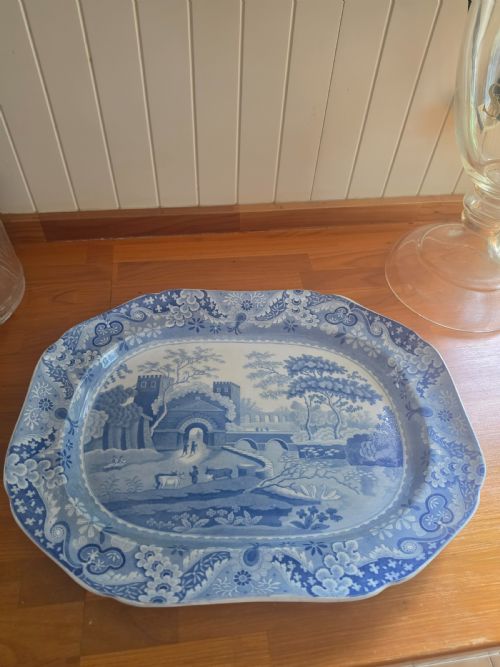
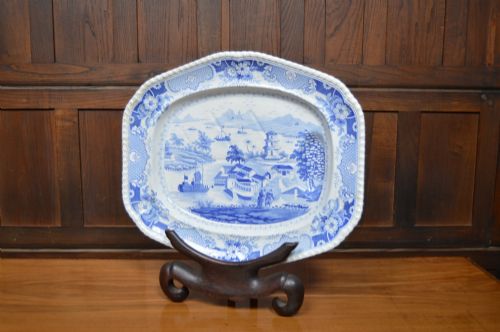
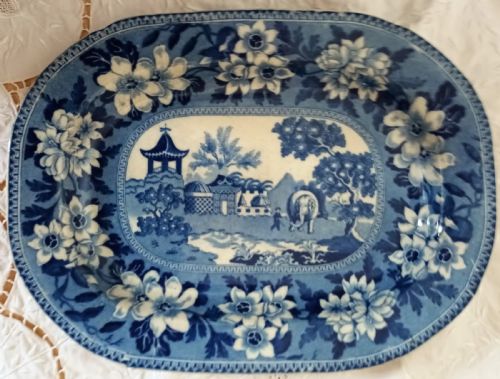
An antique ceramic meat plate is a substantial serving vessel designed for joint carving, arriving here in robust ironstone and transfer-printed earthenware.
Antique Ceramic Meat Plate
When you search for an antique ceramic meat plate, you encounter large platters, chargers, and serving dishes intended for the dining table. These pieces date across the Georgian, Regency, and Victorian periods, with nineteenth-century examples forming the core of the selection.
The dominant forms are heavy blue and white transfer-printed platters, often accompanied by drainers to catch juices. English potteries produced these items in quantity, utilising robust fabrics that survived centuries of domestic use.
How they were made
Potters shaped earthenware, ironstone, and porcelain using moulds before applying intricate cobalt blue transfer prints or hand-painted enamel details. Ceramic glaze sealed the body, creating a durable surface capable of withstanding heavy joints of meat.
Makers integrated practical elements such as recessed wells and removable ceramic drainers into the platter design. Firing in kilns fixed the transfer print beneath the final glaze layer, protecting the pictorial scenes from daily wear.
What varies in quality
Quality rests in the crispness of the transfer print and the balance of the ceramic body. Finer platters exhibit deep, clear cobalt definition without blurring, alongside heavy ironstone bodies that resist warping during high-temperature kiln firing.
The sophistication of the pattern and the inclusion of original matching drainers elevate a piece. Superior examples display balanced composition across large surfaces, while lesser items show uneven glaze pooling or indistinct printed lines.
John Rogers And Son·Thomas Lakin·Don Pottery·Elkin Knight And Bridgwood
The Antique Ceramic Meat Plate Glossary
- Transferware
- Earthenware decorated by applying a printed design from a copper plate onto tissue paper, which was then transferred onto the unglazed ceramic body before firing.
- Ironstone
- A dense, durable ceramic paste patented in the nineteenth century that bridged the gap between earthenware and true porcelain.
- Drainer
- A perforated ceramic insert that sits inside the well of a meat plate to elevate the joint above accumulated juices.
- Charger
- A large decorative or serving plate that exceeds standard dinner service dimensions.
- Famille Rose
- A palette of Chinese porcelain enamels dominated by opaque pink, introduced during the Qing dynasty.
Antique Ceramic Meat Plate: Frequently Asked Questions
What were antique meat plates used for?
These large platters served as the central vessel for presenting roasted joints of meat and poultry at the dining table. Their generous dimensions allowed carvers adequate space to slice portions directly in front of guests.
Many featured integrated wells and drainers to capture meat juices, keeping the joint elevated during service.
How do I display a large meat platter?
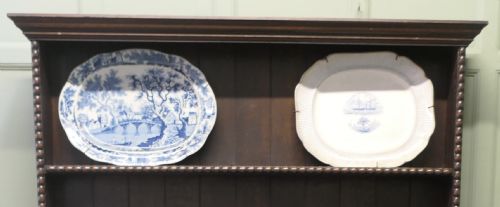
Due to their substantial weight and size, these plates require sturdy wall hooks or dedicated plate stands designed for heavy chargers. Displaying them in dining rooms highlights the pictorial transfer prints.
Ensure mounting hardware supports the specific weight of ironstone or thick earthenware bodies.
How do I tell Georgian meat plates apart from Victorian ones?
Georgian and Regency examples often feature deep blue botanical or classical ruins transfer prints with pearlware glazes. Victorian pieces frequently display broader stylistic influences, including Chinoiserie and Imari patterns.
Ironstone bodies became heavier and more prevalent as the nineteenth century progressed into the Victorian era.
Can I still use these platters for serving food?
Glazed ceramic and ironstone surfaces remain stable for serving dry foods, though historic glaze hairline cracks require gentle hand washing. Avoid thermal shock from extreme temperature changes.
Most collectors prefer display or careful occasional use to preserve the nineteenth-century enamel and transfer print integrity.