


Antique Ceramic Lady Figure
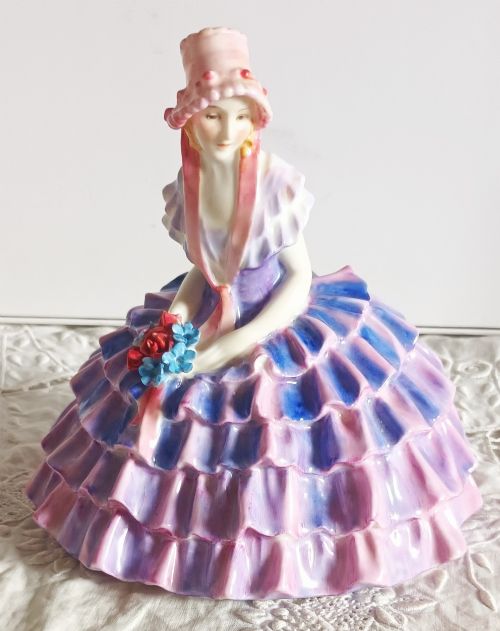
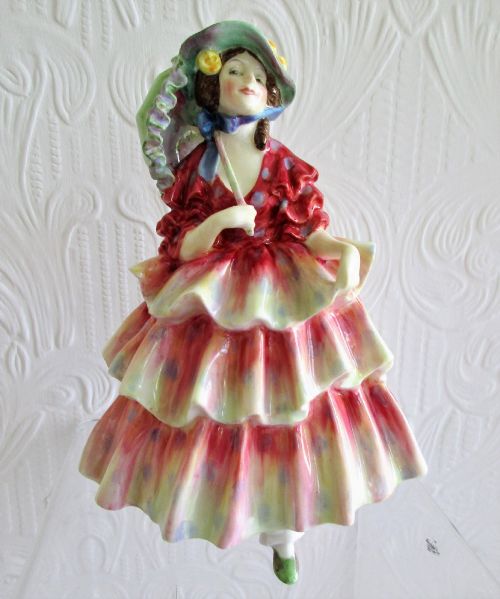
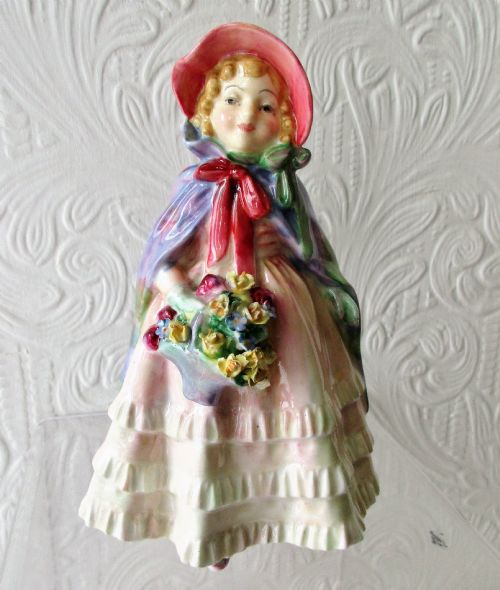
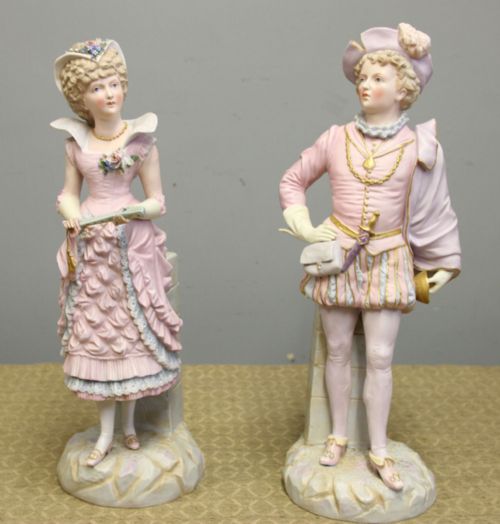
An antique ceramic lady figure captures human form through sculpted clay and fired glaze, offering collectors a tangible piece of historic artistry.
Antique Ceramic Lady Figure
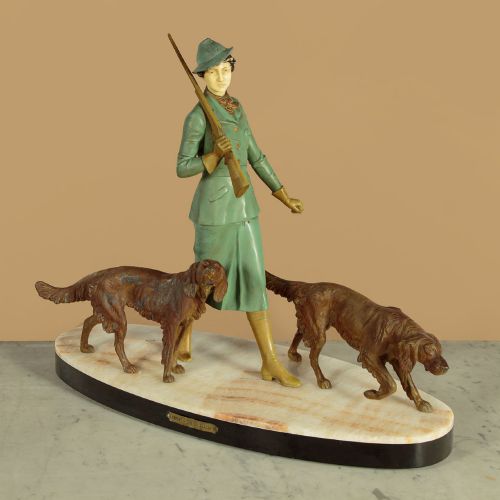
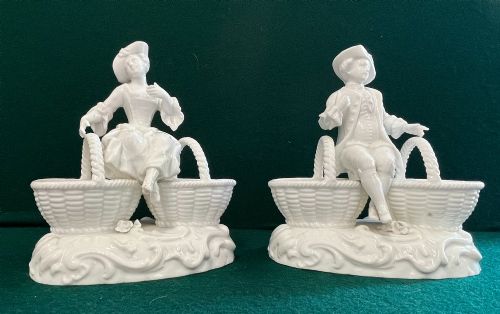
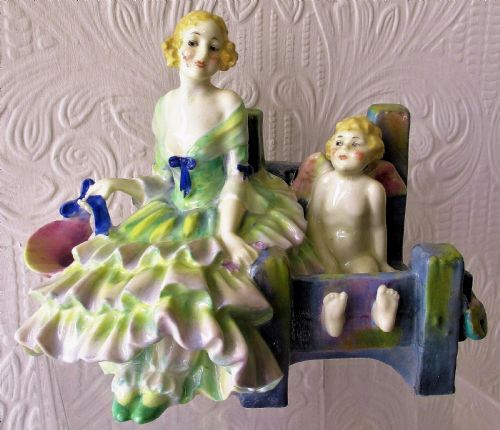
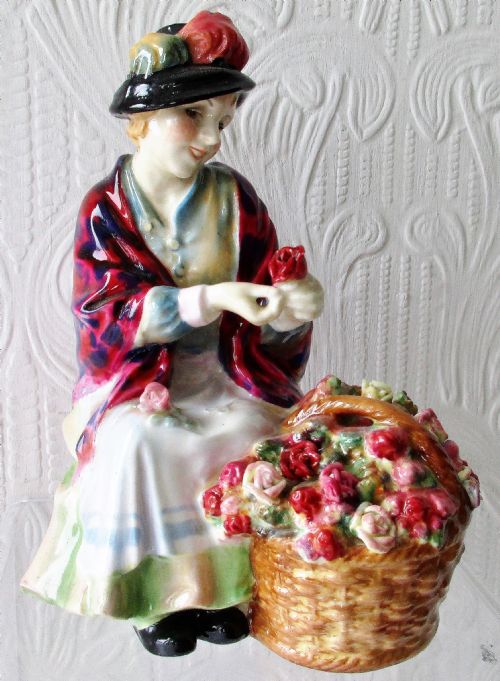
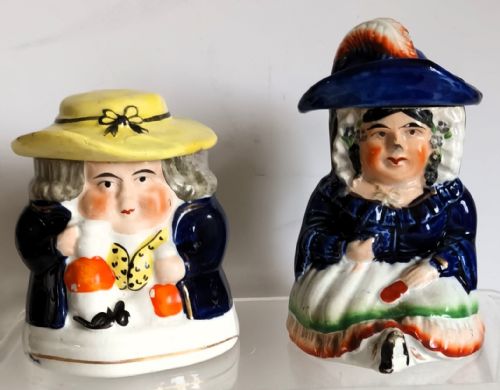
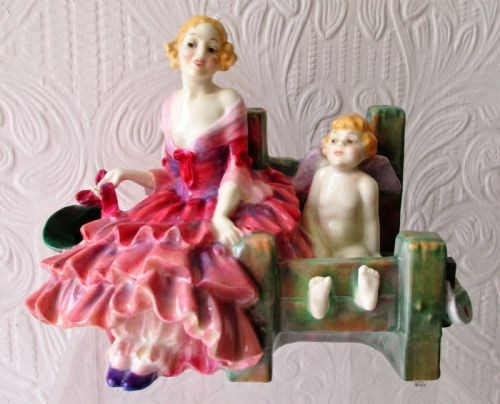
When searching for an antique ceramic lady figure, buyers encounter a diverse selection of sculptural works spanning multiple centuries and aesthetic movements. These pieces range from refined 18th-century porcelain figures to 19th-century earthenware tobacco jars and expressive Art Deco creations.
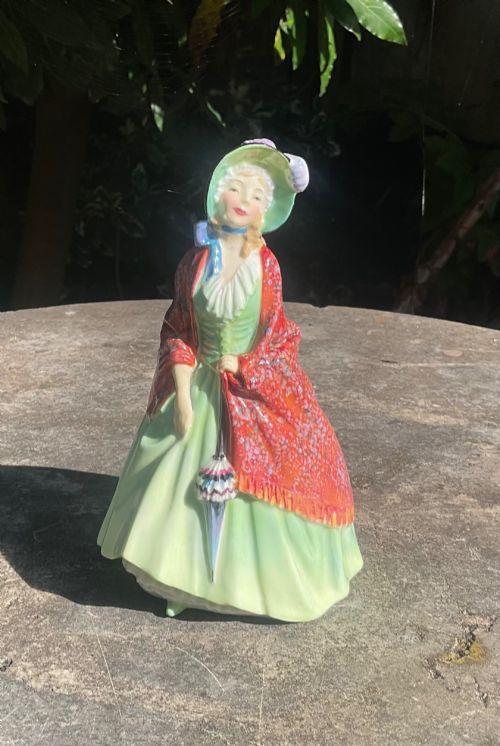
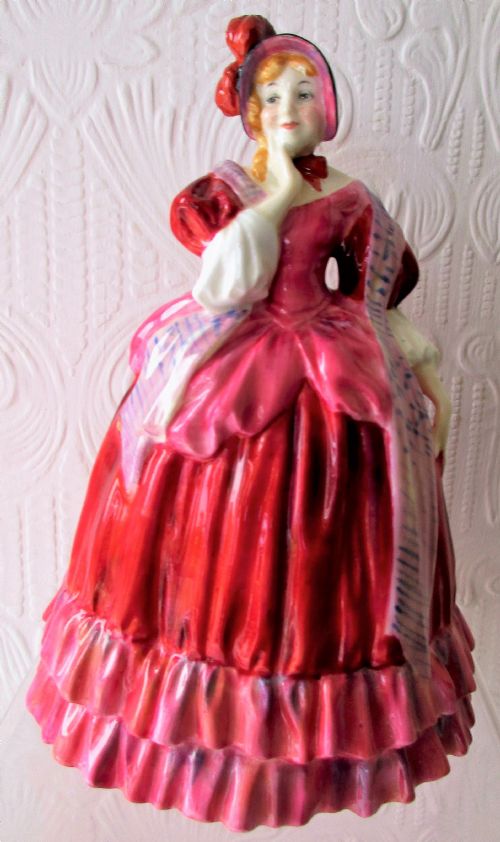
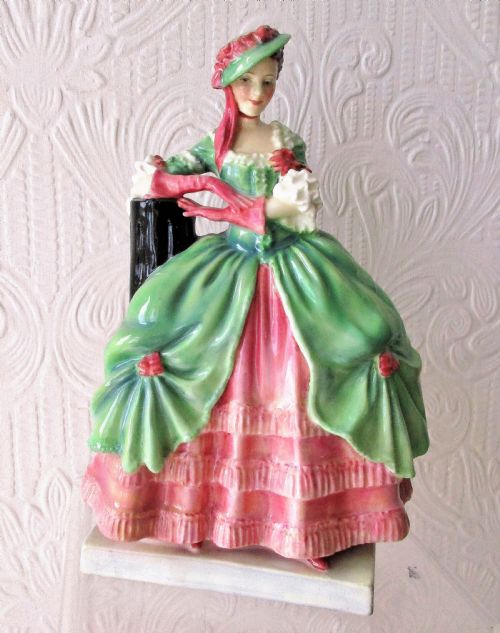
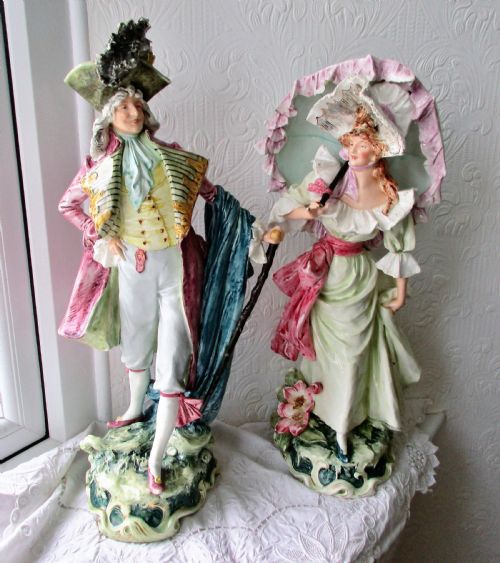
The most common examples on this page are mid-20th-century English porcelain figurines and continental European sculptures depicting women in historical, pastoral, or everyday attire. Makers such as Royal Doulton and Royal Dux frequently appear alongside French faience and German porcelain pieces.
Forms extend beyond standalone sculptures to functional items incorporating female figures, including ceramic powder box bowls, perfume vanity sets, and decorative vases. Collectors also find traditional regional pottery such as Gaudy Welsh figures and Scottish Portobello depictions.
Materials and construction
Makers utilised ceramic bodies including porcelain, bone china, earthenware, and parian ware to shape these figures, often employing biscuit firing for an unglazed, matte finish resembling marble. Enamel paints, glaze layers, and touches of gold leaf or gilt highlight facial expressions, hair, and draped garments.
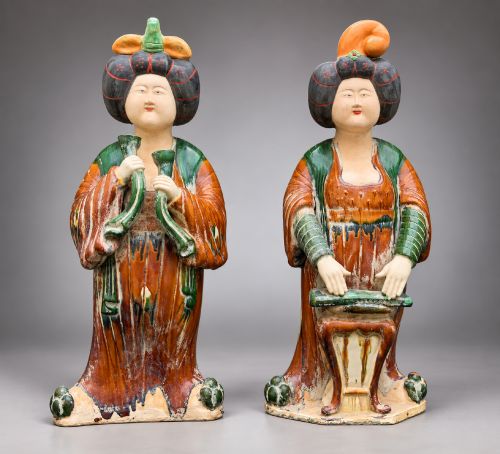
Moulding and hand-finishing techniques allowed artisans to achieve intricate details such as lace textures, folded fabrics, and delicate floral accessories. Faience and pottery pieces received hand-painted glazes, whilst studio pottery and Tang Dynasty style works relied on traditional earthenware and sancai glazing methods.
Antique Ceramic Lady Figure Retail Price Guide 2026
Typical asking prices for ceramic lady figure among the pieces listed under this phrase on Sellingantiques today, from the lower quarter to the upper quarter. They describe what is for sale here now, not the wider market.
Several figures carry musical instruments or livestock, proving that eighteenth-century ladies spent an unexpected amount of time tending lambs whilst playing drums.
Assessing craftsmanship
The sophistication of the glaze application also distinguishes fine production, with controlled colour placement and subtle shading elevating a piece above mass-produced alternatives. The reputation of the factory or studio, combined with the fidelity of the period style, further shapes the distinction between standard decorative items and high-tier works.
Royal Doulton·Royal Worcester·Royal Dux·Meissen·Charles Vyse·Vion et Baury·Ernst Wahliss
The Antique Ceramic Lady Figure Glossary
- Bisque
- Unglazed fired porcelain or ceramic material with a matte, porous texture resembling marble. It is frequently utilised for detailed nineteenth-century figurines and portrait sculptures.
- Parian ware
- A type of fine white porcelain developed in the nineteenth century to imitate carved marble. It is dense and possesses a subtle sheen.
- Faience
- Tin-glazed earthenware produced in France and other European regions. It provides an opaque white surface suitable for hand-painted decoration.
- Bone china
- A porcelain variety incorporating bone ash, known for its high strength and milk-white translucency. Many twentieth-century English figurines are cast in this material.
- Sancai
- A traditional Chinese three-colour lead glaze technique. It is typically seen on earthenware figures reproducing ancient styles.
Antique Ceramic Lady Figure: Frequently Asked Questions
What is the difference between bisque and porcelain?
Porcelain is fired at high temperatures and finished with a smooth, vitreous glaze that gives it a glossy appearance. Bisque is left unglazed after its initial firing, resulting in a matte, chalky surface.
This unglazed state allows fine sculptural details to remain sharp without being softened by a glassy coating.
How should I display ceramic figures safely?
Ceramic and porcelain figures require stable placement away from direct sunlight and areas subject to temperature fluctuations. Enclosed display cabinets protect delicate appendages and painted surfaces from dust and accidental impact.
Ensuring the support surface is level prevents tipping, particularly for taller or monumental forms.
Can I date a figure by its glaze?
Glaze compositions and application techniques evolved significantly between the eighteenth and twentieth centuries. High gloss transparent glazes dominate earlier porcelain, whilst matte finishes and coloured earthenware glazes became prominent in later periods.
Comparing the surface texture against known production standards helps narrow down the era of manufacture.