

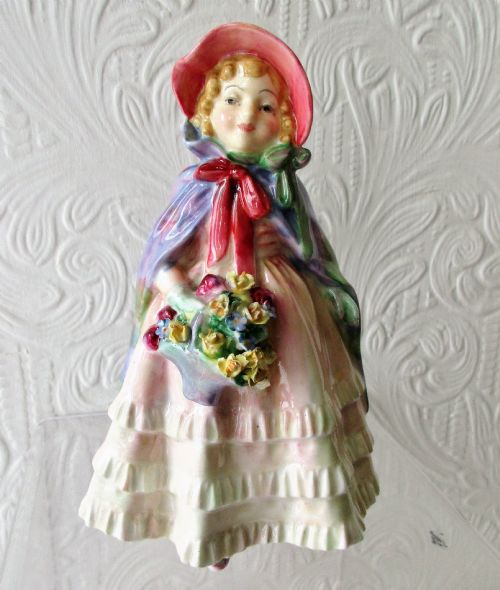

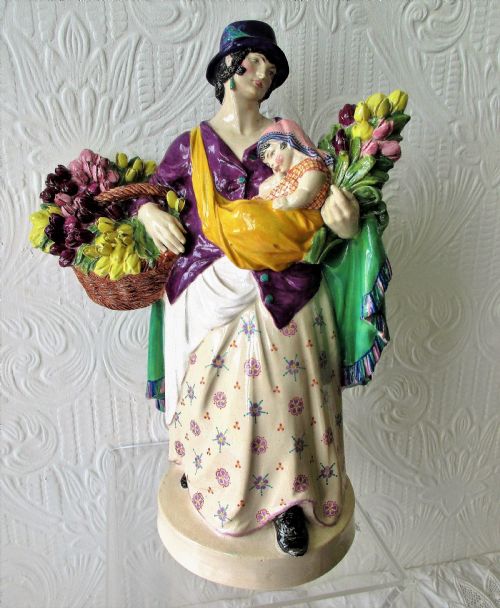
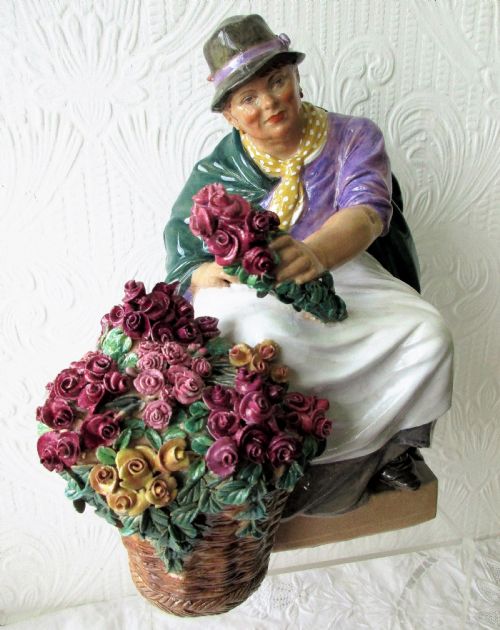

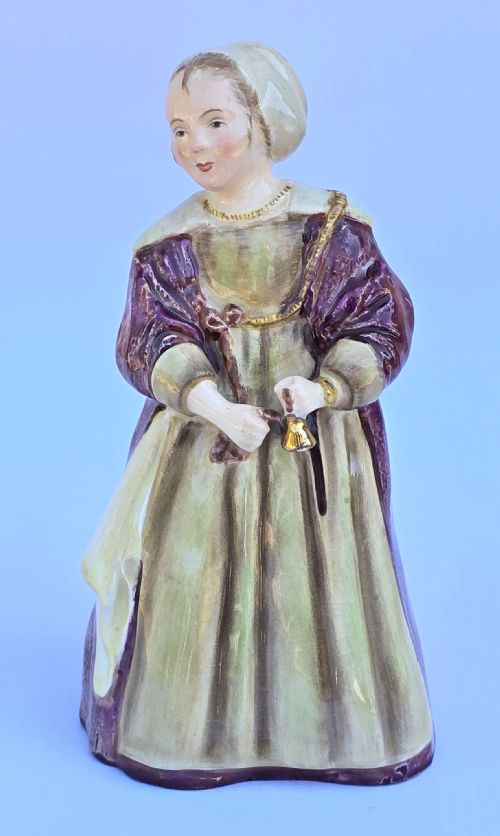


Purple Ceramic Ornament
These purple ceramic ornament examples span centuries of modelling, capturing figures and busts in porcelain, bone china, and earthenware across several distinct periods.
Purple Ceramic Ornament
A purple ceramic ornament encompasses figurative works, decorative figurines, and vanity accessories created from soft-paste porcelain, bone china, and earthenware. These items range from eighteenth-century figures to Art Deco powder puff stands and twentieth-century studio pottery.
The selections on this page feature regional British and continental European origins, including English porcelain, German salon porcelain, and Staffordshire pottery. Forms span single figures, pairs of musical figures, and decorative busts.
Buyers will encounter varied stylistic movements, moving from eighteenth-century Rococo Revival and Neoclassical designs through Victorian and Edwardian aesthetics to Art Deco works.
Distinctions in quality
Quality rests in the crispness of the modelling, where fine details in hands, facial expressions, and drapery remain sharp and legible beneath the glaze. Superior examples display careful hand-painting that aligns precisely with the moulded contours of the piece.
The refinement of the ceramic body and the stability of early kiln firings differentiate standard production items from masterworks. The depth and even application of enamel and glaze across complex sculptural surfaces also signal higher execution.
Purple Ceramic Ornament Retail Price Guide 2026
Typical asking prices for purple ceramic ornament among the pieces listed under this phrase on Sellingantiques today, from the lower quarter to the upper quarter. They describe what is for sale here now, not the wider market.
Listings feature items spanning the eighteenth, nineteenth, and twentieth centuries, employing materials from soft-paste porcelain to studio earthenware.
Royal Doulton·Charles Vyse·Longton Hall·Wedgwood and Co. Ltd·Staffordshire Pottery·Volkstedt Porcelain·Royal Worcester·William Duesbury·Meissen
The Purple Ceramic Ornament Glossary
- Soft-paste porcelain
- A ceramic composition made from glass frit and white clay mixtures, fired at lower temperatures than hard-paste porcelain. It results in a warm, slightly translucent body common in eighteenth-century European figures.
- Enamel
- Opaque vitreous material fused to the ceramic surface during a secondary low-temperature firing to add vibrant colours. It sits slightly raised on the glaze.
- Bone china
- A type of porcelain containing bone ash, known for high strength and a milky white body. It permits thinner walls and delicate figurative modelling.
- Earthenware
- Porous pottery fired at lower temperatures, requiring a glaze to achieve impermeability. It forms the base of many studio pottery and Staffordshire figures.
- Glaze
- A glassy coating fused to ceramic surfaces by heat, sealing the porous body. It provides a protective layer and a glossy or satin sheen.
Purple Ceramic Ornament: Frequently Asked Questions
How do I identify a studio pottery figure?
Studio pottery figures typically reflect individual artistic interpretation rather than mass production methods. They often exhibit unique glaze effects and modelling choices characteristic of specific artist workshops from the early twentieth century.
Examination of the base usually reveals studio marks or artist signatures applied before final firing. These pieces rely on distinct earthenware or stoneware bodies rather than standard commercial porcelain.
What defines an Art Deco powder puff stand?
Art Deco powder puff stands serve as vanity accessories that combine sculptural figures with functional dressing table use. They frequently depict stylised human figures, such as flappers, rendered in ceramic materials with period specific geometric or clean lines.
These items date predominantly to the early twentieth century, specifically around the nineteen thirties. Their construction integrates glazed ceramic surfaces designed to hold cosmetic items.
How do eighteenth-century figures differ from Victorian ones?
Eighteenth-century figures often utilise soft-paste porcelain and incorporate Neoclassical or Rococo Revival styling with delicate painted detailing. Their modelling reflects earlier European factory traditions, such as those from Derby or Meissen.
Victorian pieces tend toward robust construction in porcelain or earthenware, sometimes featuring musical or theatrical themes. The manufacturing scale and decorative palette shifted to accommodate broader domestic markets during the nineteenth century.
How should I care for antique ceramic figures?
Antique ceramic and porcelain figures require gentle dusting with a soft, dry brush to prevent surface accumulation. Avoid using chemical cleaners or submerging pieces in water, as old enamels and glazes can be sensitive to moisture.
Display them away from direct sunlight and areas subject to sudden temperature fluctuations. Stable shelving protects delicate extremities, such as fingers or applied flowers, from accidental impact.