

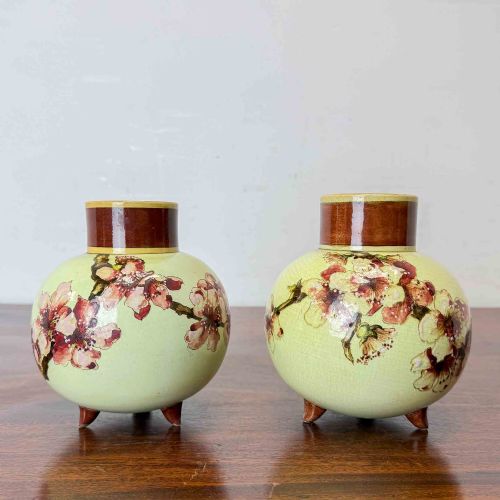
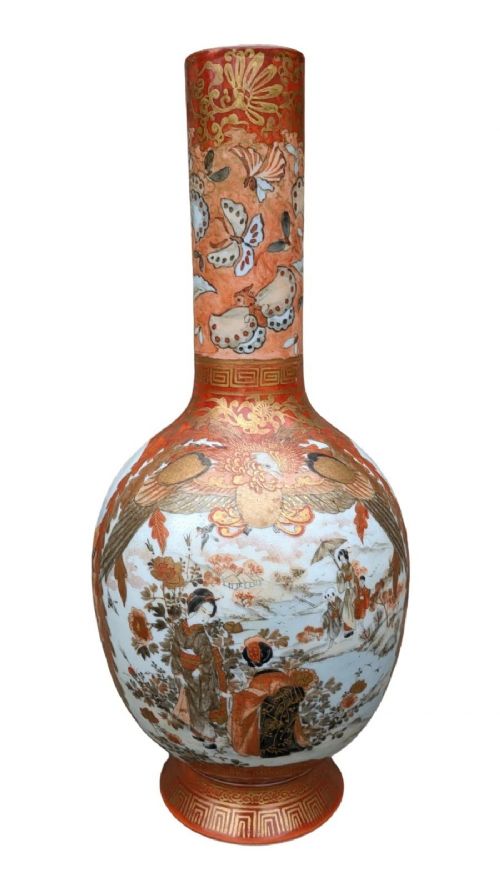


Antique Ceramic Flower Vessel
An antique ceramic flower vessel brings history indoors, offering a functional piece of art shaped by artisans across the centuries.
Antique Ceramic Flower Vessel
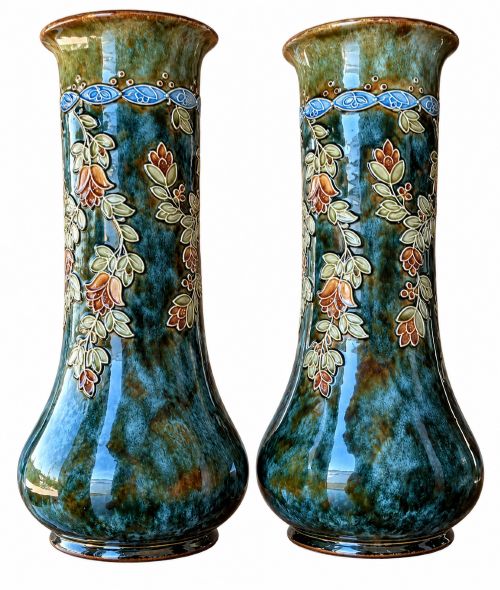
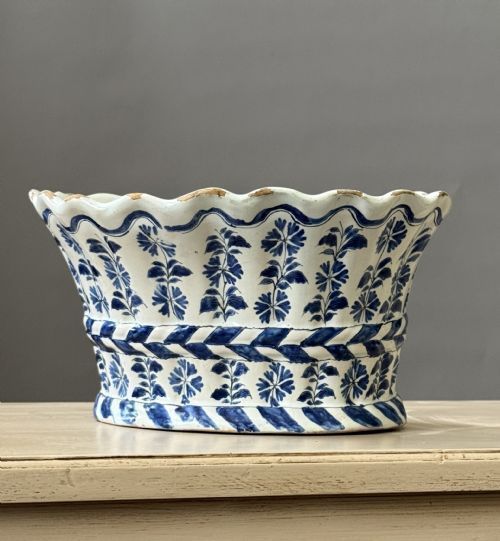
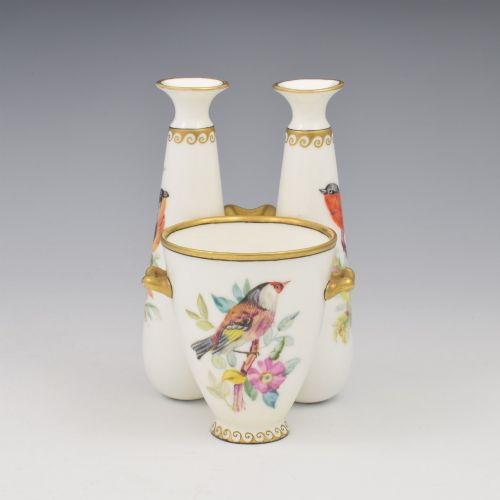
When you search for an antique ceramic flower vessel, you encounter a diverse range of objects designed to hold botanical displays, spanning multiple centuries and continents. The selection includes everything from simple earthenware bough pots to elaborate Japanese imari jardinieres and Victorian porcelain vases.
Most pieces you meet on this page hail from the nineteenth and early twentieth centuries, reflecting periods such as Victorian, Edwardian, Art Nouveau, and Art Deco. British potteries like Royal Doulton and Royal Worcester sit alongside continental factories and Japanese export wares.
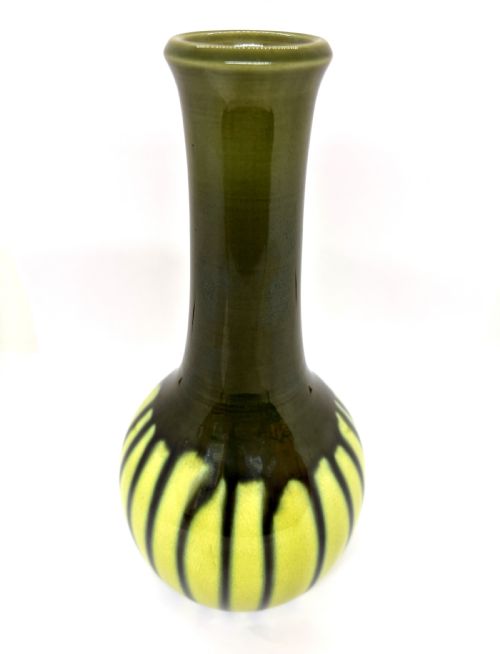
Forms vary significantly based on intended use, encompassing tall decorative vases, wide jardinieres for large plants, and specialised bough pots with covers. Earthenware, stoneware, and porcelain provide the primary physical foundation for these varied shapes and decorative styles.
Materials and production methods
Makers utilised diverse ceramic bodies, ranging from dense stoneware and robust earthenware to refined porcelain and faience. These materials were shaped on the potter's wheel or cast in moulds before receiving their structural form.
Surface decoration involved hand-painted enamel, intricate glaze applications, gold leaf accents, and specialised techniques like Slater's patent texturing. Firing processes locked in these pigments and glazes, creating durable finishes that endure on nineteenth and twentieth-century pieces.
Listings feature ceramic vessels spanning the Georgian era through the Art Deco period, utilising porcelain, stoneware, and earthenware.
Distinguishing quality in ceramics
Superior examples display exceptional crispness in hand-painted floral or pictorial motifs, often bearing the signatures of accomplished artists or recognised factory marks. The precision of the glaze application and the complexity of decorative techniques, such as raised enamel or intricate gilding, separate standard production from finer output.
Design sophistication also dictates standing within a collection, with pieces exhibiting distinct stylistic movements like Art Nouveau curves or Meiji period detail commanding greater appreciation. The balance of the vessel's form and the preservation of its original surface finish remain central to its overall execution.
Royal Doulton·Royal Worcester·Makuzu Kozan II·Ernst Wahliss·Sitzendorf Porcelain·Kinkozan·Poole Pottery·Burmantoft's Pottery
The Antique Ceramic Flower Vessel Glossary
- Bough pot
- A specialised vessel designed to hold cut branches or flowers, often featuring a pierced cover to keep stems separated. These containers date back to the Georgian era and earlier.
- Jardiniere
- A large ornamental pot or stand intended to hold a living plant rather than cut stems. They appear frequently in ceramic and stoneware across various nineteenth-century styles.
- Faience
- Earthenware decorated with opaque coloured glazes, commonly tin-glazed pottery. This technique allows for vibrant painted surface decoration.
- Imari
- A style of Japanese export porcelain characterised by a palette of underglaze blue, iron red, gold, and supplementary colours. These pieces were widely produced during the Meiji period and earlier.
- Stoneware
- A robust, vitrified ceramic made from clay fired at high temperatures. It resists liquids naturally and forms the basis of many durable nineteenth-century vessels.
Antique Ceramic Flower Vessel: Frequently Asked Questions
What is an antique ceramic flower vessel?
An antique ceramic flower vessel is a historical container made from fired clay, porcelain, or stoneware designed to hold plants or cut botanical arrangements.
These items range from small mantle vases and bough pots to large floor jardinieres originating from European and Asian workshops.
How do I care for my ceramic vessel?
Living with these ceramic pieces requires gentle handling and placement away from areas prone to accidental knocks or extreme temperature shifts.
When using them for fresh displays, consider placing a modern liner inside older porous earthenware or unglazed interiors to protect the historic material from moisture damage.
How can I date my ceramic vase?
Dating relies on identifying maker marks, factory stamps, and stylistic indicators such as Art Nouveau curves or Victorian ornamentation. Comparing the glaze types and manufacturing techniques provides further clues to the era of production.
Reference marks specific to potteries like Royal Doulton or Japanese periods help narrow the timeline down to specific decades.
What is the difference between a vase and a bough pot?
A vase typically holds vertical arrangements of cut flowers with a single top opening, focusing on display from all sides.
A bough pot is specifically shaped to accommodate leafy branches and stems, traditionally featuring a removable lid pierced with holes to keep the greenery properly spaced.