
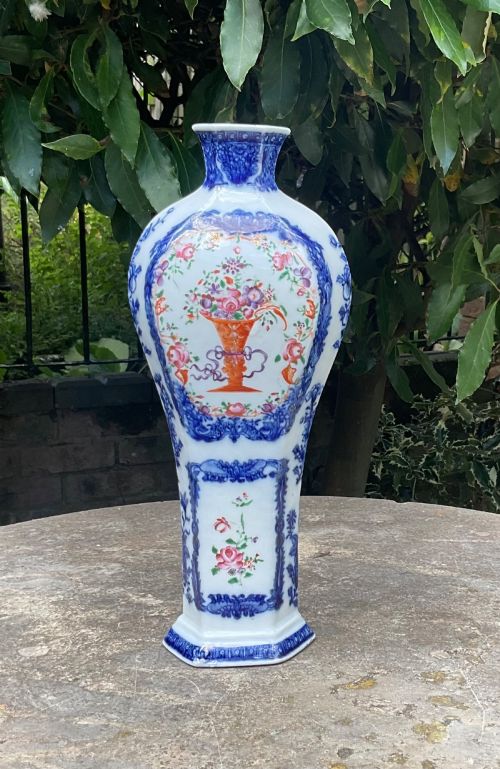
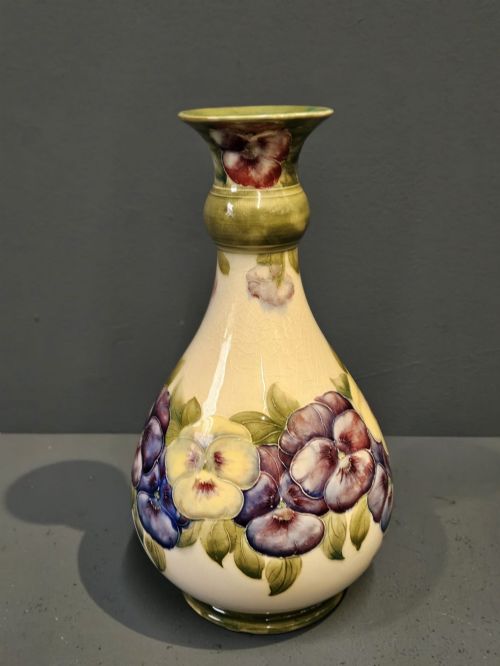
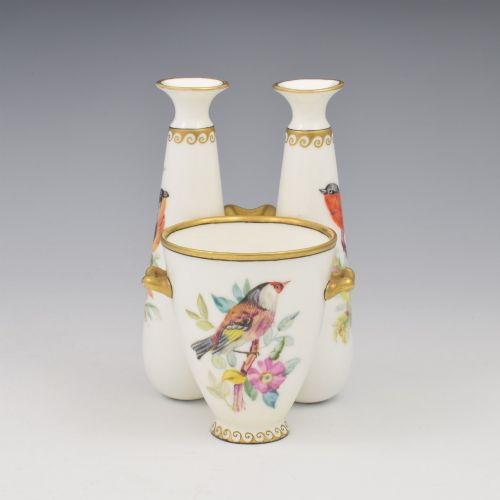
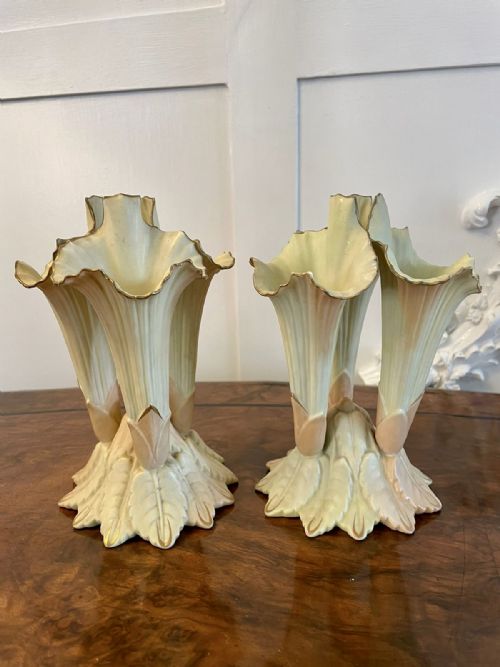
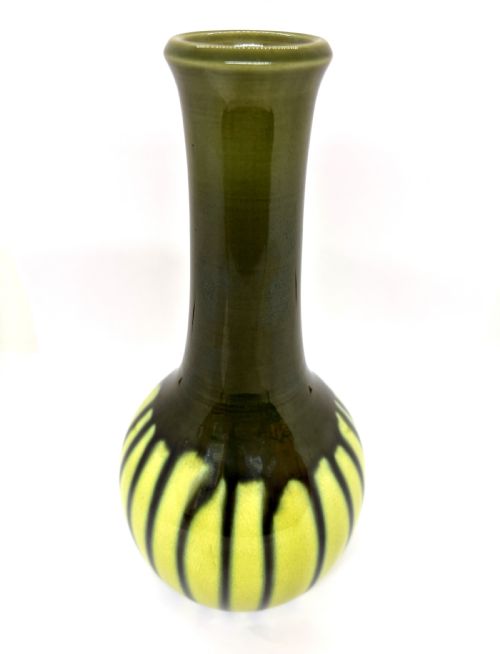
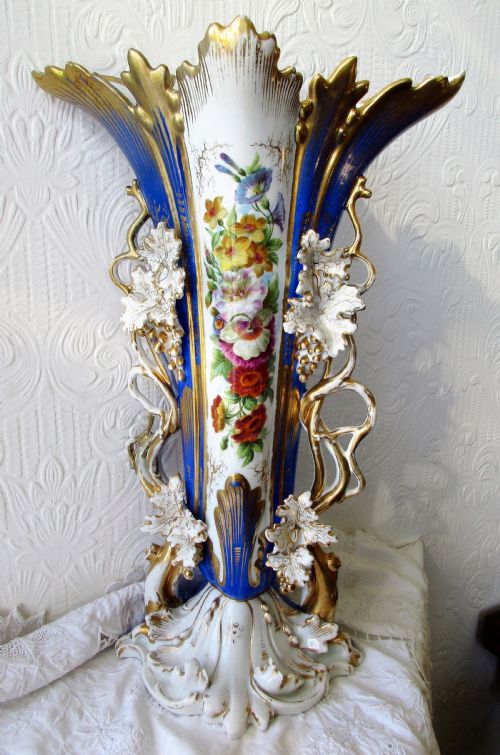
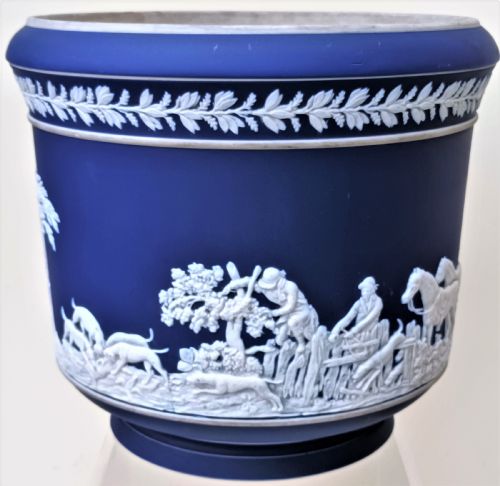
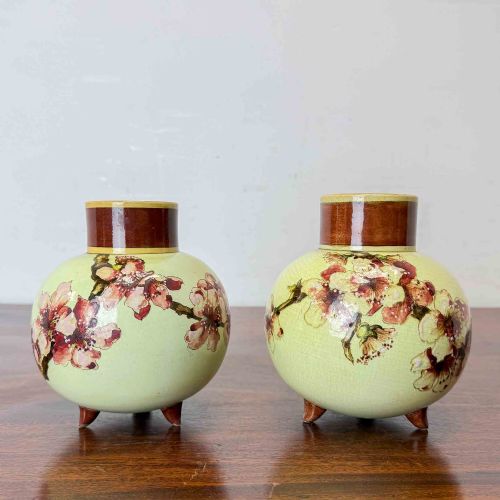
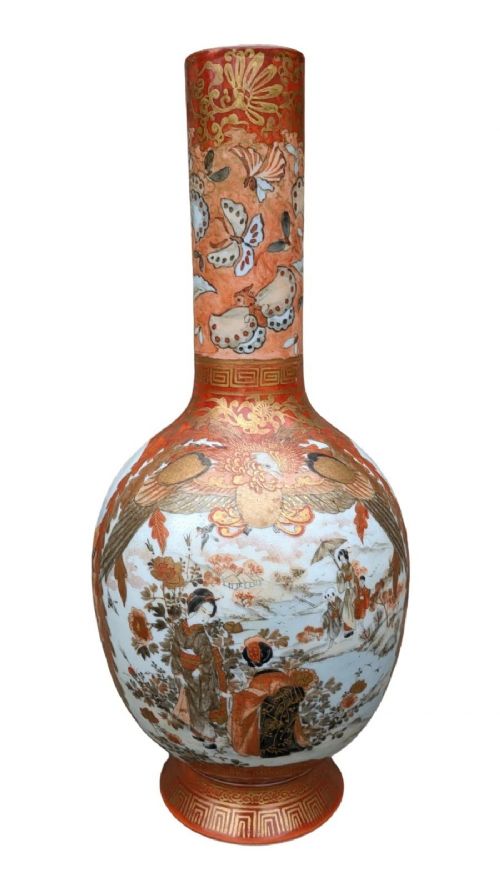
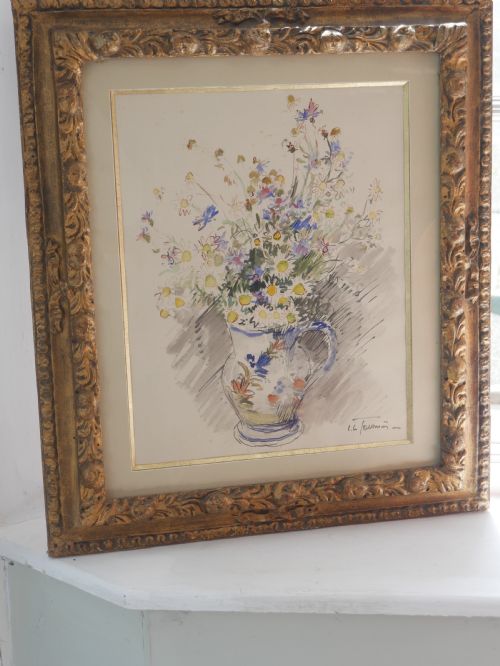
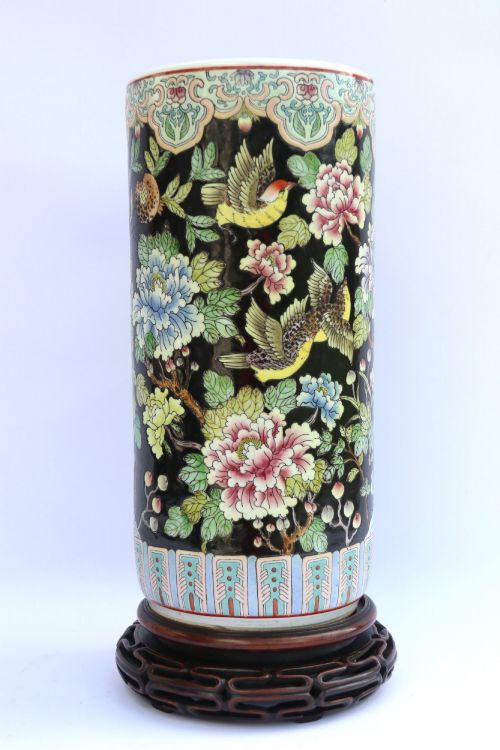

Antique Ceramic Flower Vase
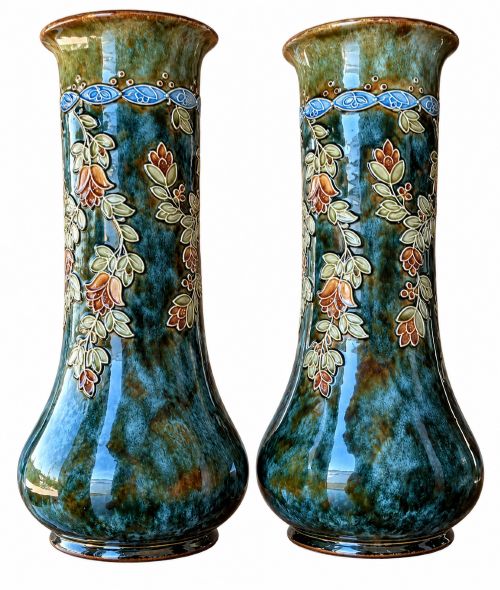
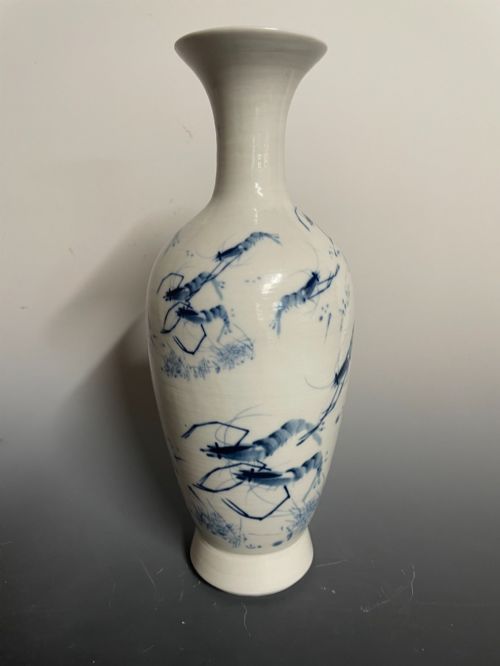
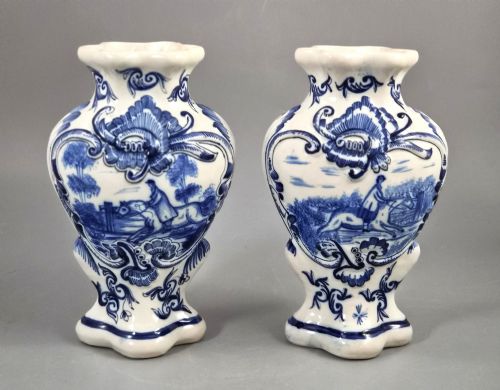
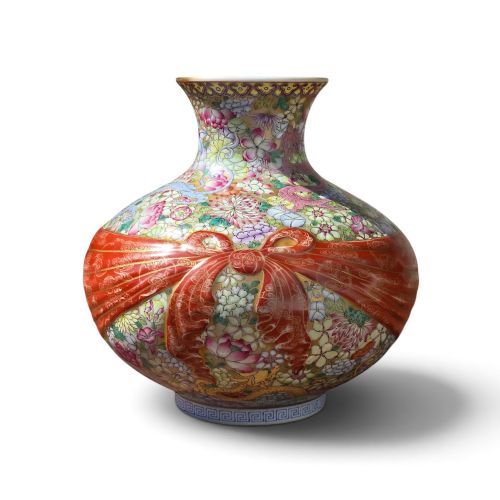
These antique ceramic flower vases span the early twentieth century, offering distinctive floral and glazed forms that bring period character to any room.
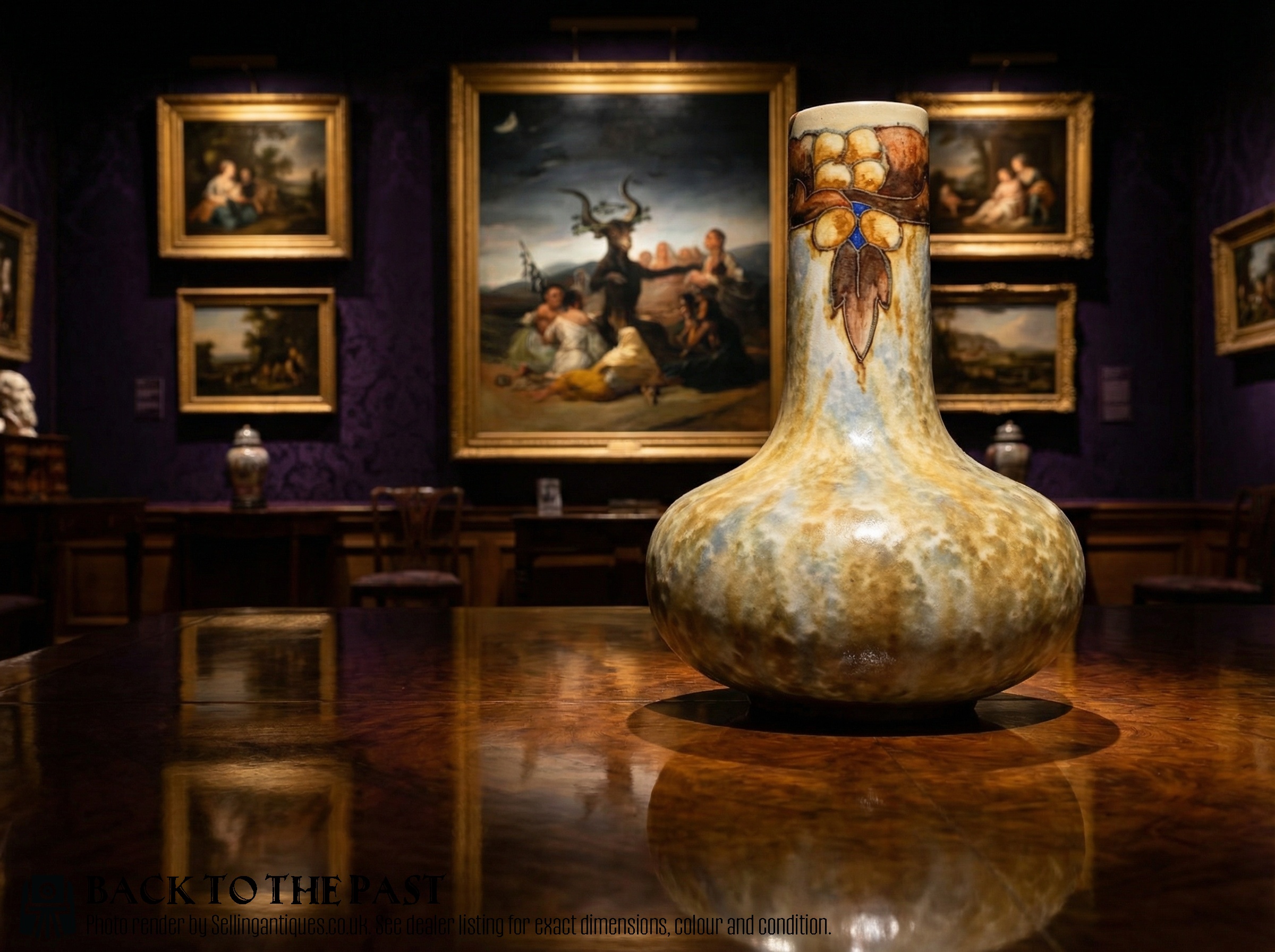
Antique Ceramic Flower Vase
Forms range from large decorative vessels designed for substantial arrangements to single stem holders intended for delicate botanical displays. Pieces often reflect specific regional aesthetics, from English art pottery traditions to Meiji period Japanese ceramics and German porcelain manufacturing.
Materials and construction
The pieces listed across this inventory are constructed primarily from earthenware and porcelain, shaped into various vessel forms before receiving protective and decorative surface coatings. Ceramic glaze is applied extensively to seal the body and create reflective, colourful finishes that define the exterior appearance of each piece.
Makers utilise specialised glazing techniques to achieve varied surface textures, from smooth high-gloss sheens to rich matte effects. These methods require precise kiln firing to bond the glass-like coatings to the underlying clay bodies.
German ceramicists once hid secret initials beneath thick glazes, leaving tiny coded signatures for future finders to decode.
Assessing quality
Quality in these ceramics rests upon the control and execution of the glaze and the precision of the form. Superior examples display even coverage without pooling, and intricate hand-applied motifs that remain crisp and well-defined.
The reputation of the workshop also influences distinction, as established potteries maintained rigorous standards for clay preparation and kiln temperature management. The harmony between the vessel silhouette and its surface decoration determines the overall success of the piece.
Moorcroft McIntyre·Cranston·Carter Stabler Adams·Poole Pottery
The Antique Ceramic Flower Vase Glossary
- Earthenware
- A type of porous pottery fired at lower temperatures, commonly found in early twentieth-century domestic vessels. It requires a vitreous glaze to hold liquids securely.
- Ceramic glaze
- A glassy coating fused to pottery through high-temperature firing. It provides both waterproofing and decorative colour.
- Art Nouveau
- An international decorative style popular from the late nineteenth century to the First World War. It is characterised by sinuous, organic lines inspired by natural forms.
- Art Deco
- A design style of the nineteen-twenties and nineteen-thirties favouring geometric shapes, stylised motifs, and streamlined silhouettes. It succeeded the organic curves of the preceding movement.
Antique Ceramic Flower Vase: Frequently Asked Questions
How do I date these vases?
Dating relies on stylistic markers such as the flowing curves of Art Nouveau or the geometric lines of Art Deco. Maker marks and registration numbers stamped on the base also provide precise chronological reference points.
Material composition further aids dating, as early twentieth-century bodies and glaze formulations differ noticeably from later mid-century industrial output.
Can I use them for flowers?
These vessels were originally designed and used to hold cut stems and floral arrangements. Earthenware and porcelain bodies are traditionally watertight when glazed correctly.
Caution is advised with antique pieces that may develop hairline fractures over time, so checking the interior for soundness is prudent before adding water.
How do I clean my vase?
Gentle dusting with a soft dry cloth removes everyday surface particles safely. For interior cleaning, warm water and mild soap suffice without risking the exterior glaze.
Submerging antique ceramics in water for extended periods or placing them in dishwashers should be avoided entirely to protect the historic finish.