




Antique Ceramic Display Plates
Antique ceramic display plates are decorative wall and cabinet vessels that bring centuries of hand-painted artistry directly into your home.
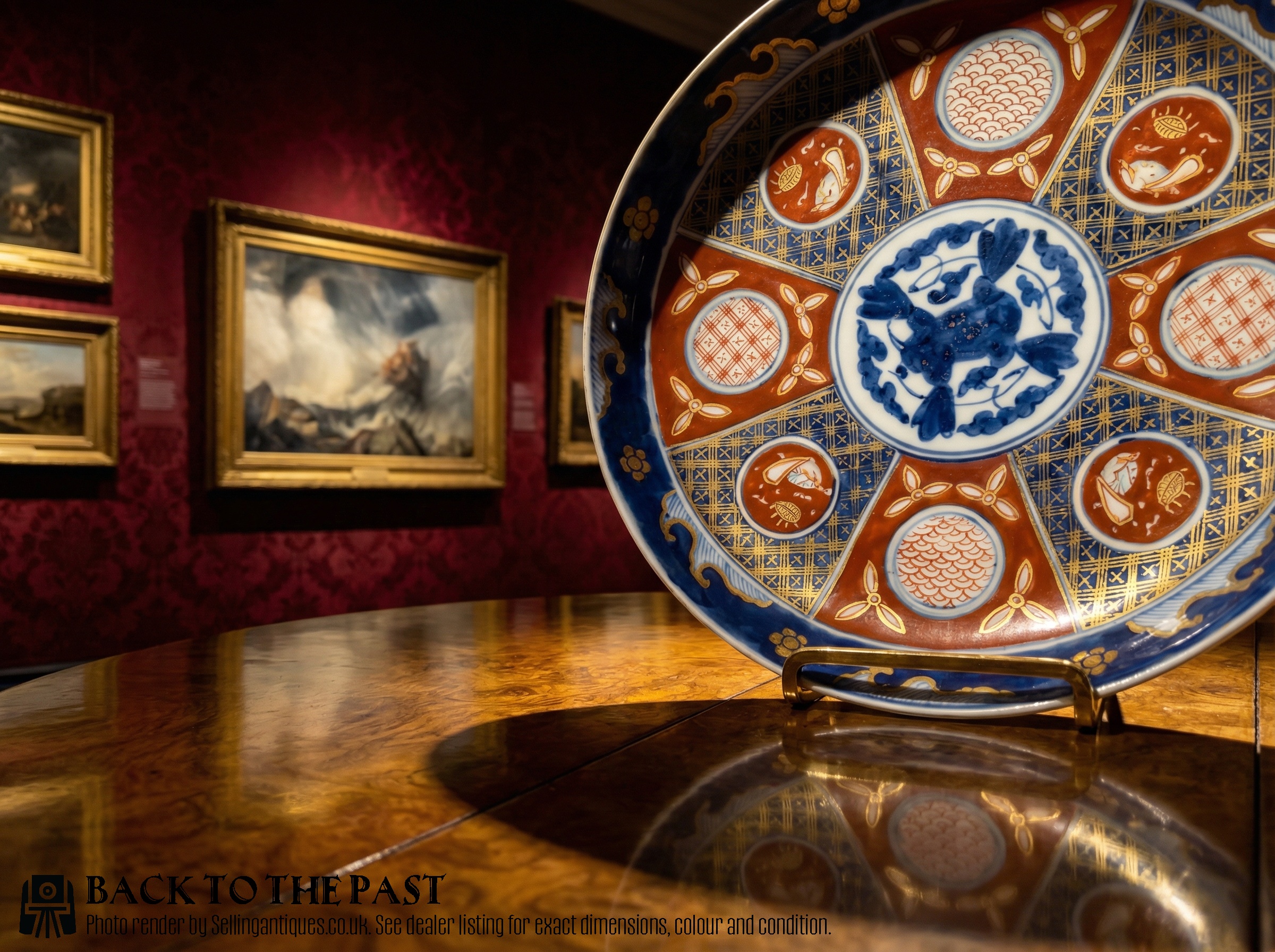
Identifying antique ceramic display plates
When you search for antique ceramic display plates, you encounter pieces designed primarily for presentation rather than dining. These items span the eighteenth and nineteenth centuries, featuring forms intended to adorn walls, sideboards, and glass-fronted cabinets.
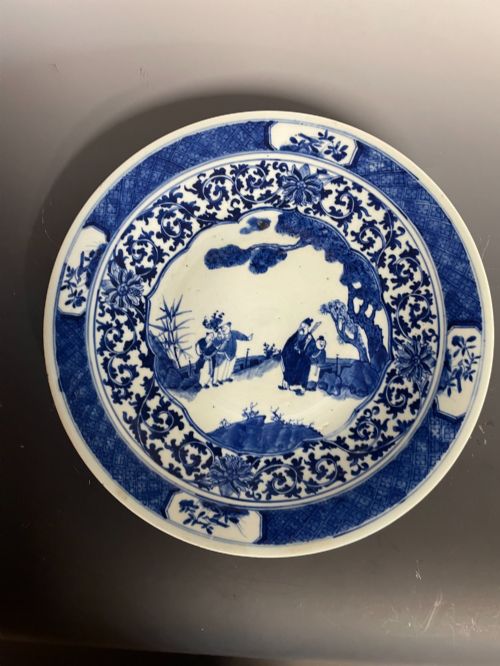
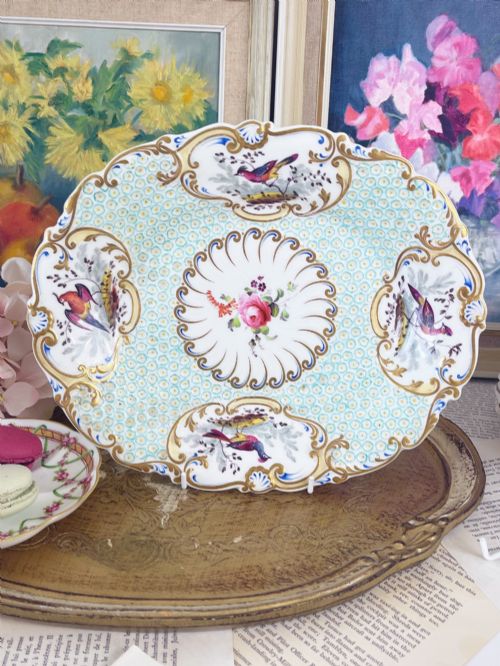
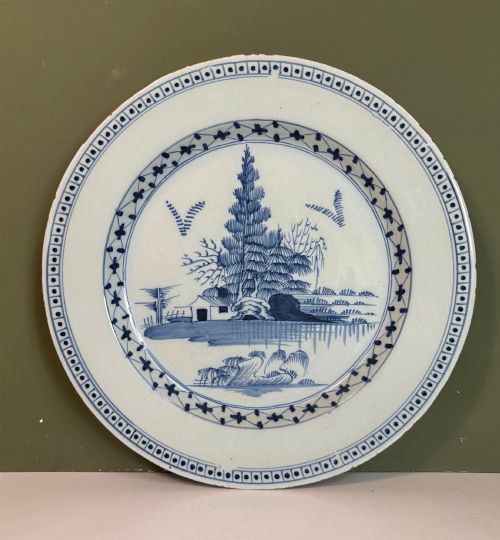
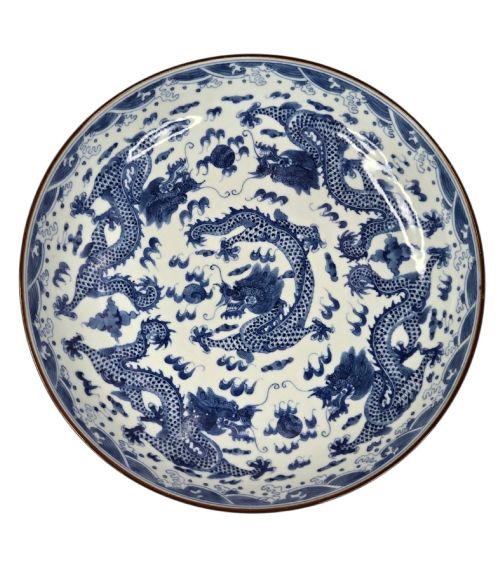
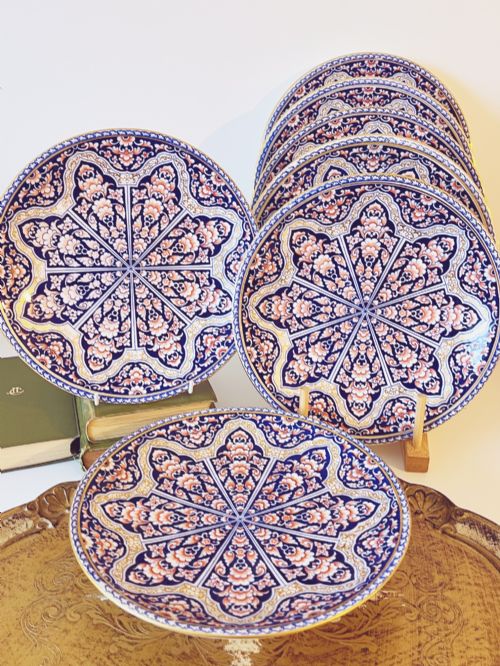
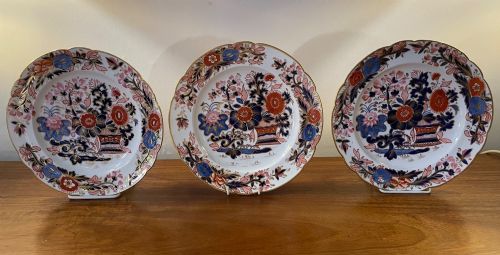
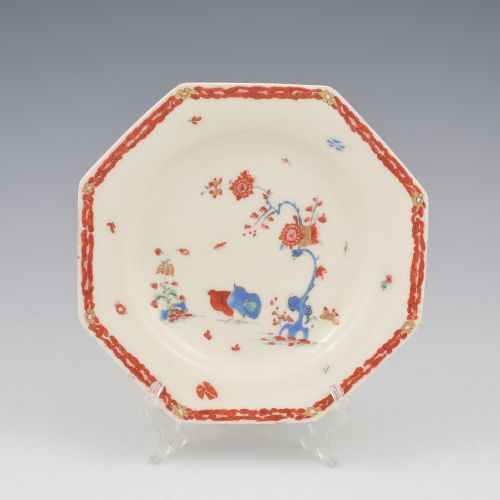
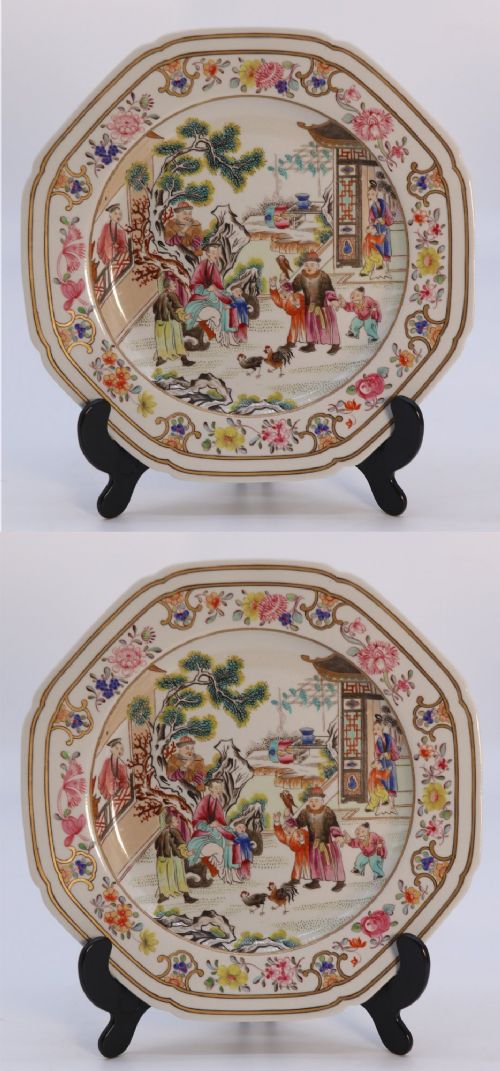
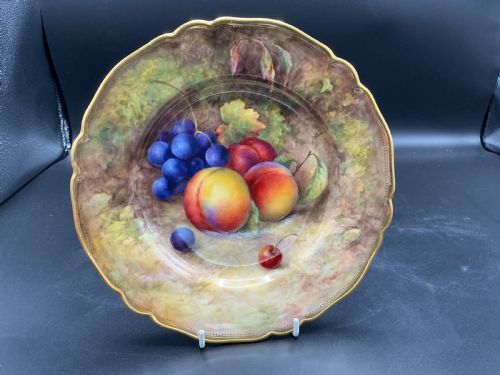
The selections on this page predominantly include eighteenth-century tin-glazed earthenware and nineteenth-century stone china, earthenware, and porcelain. Cabinet plates and decorative plates dominate the groupings, often appearing in pairs or larger matching sets.
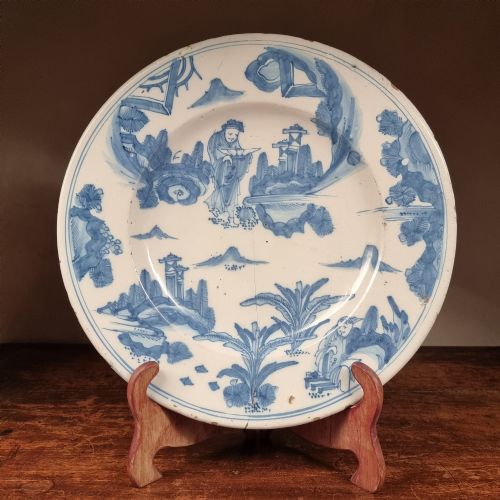
Origins vary across English earthenware potteries and European workshops, alongside nineteenth-century pieces influenced by Japanese Imari aesthetics. Buyers frequently encounter traditional blue and white Delft designs alongside vibrant polychrome transfer and hand-painted illustrations.
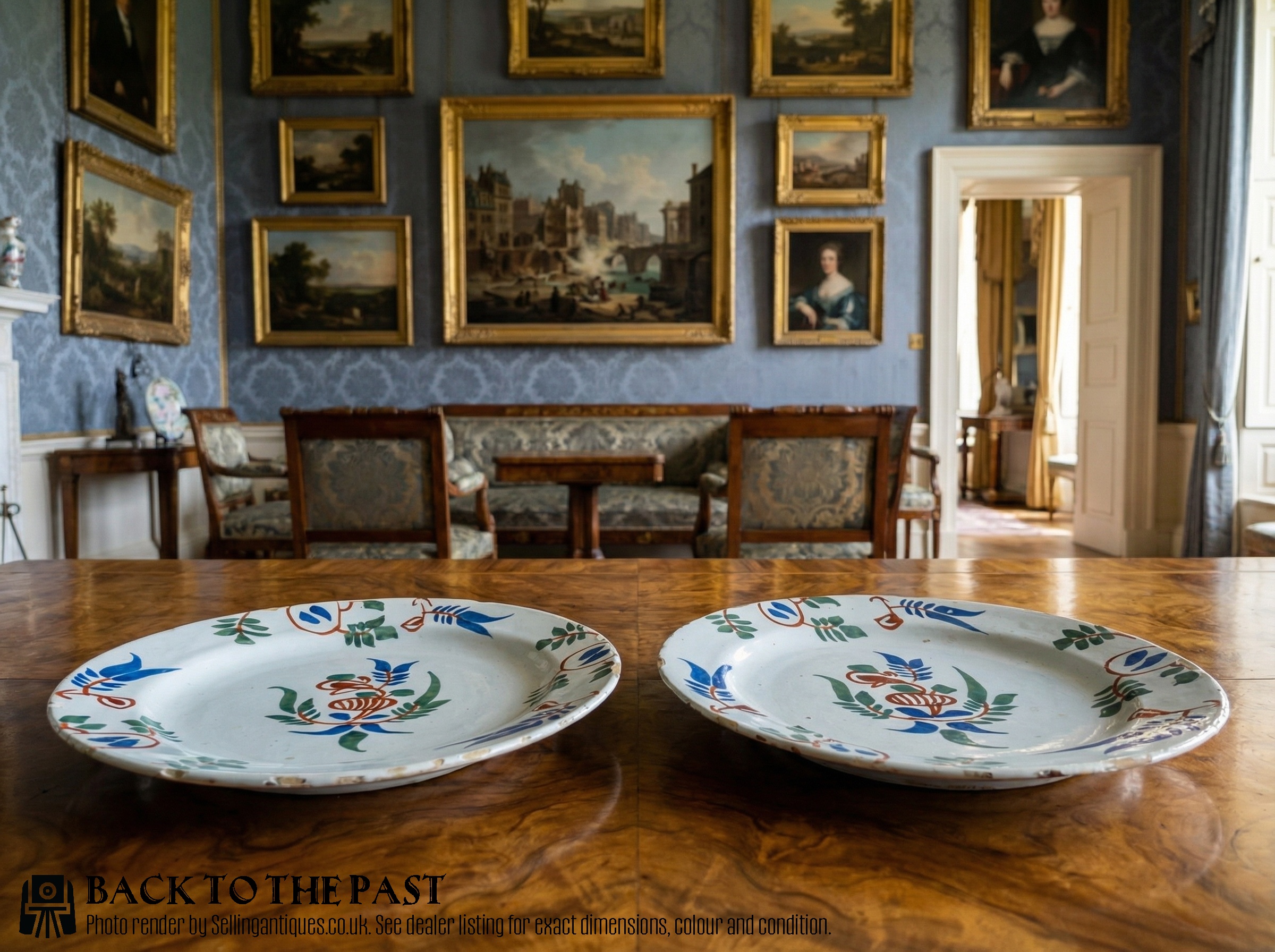
Materials and construction
Makers utilised ceramic bodies ranging from porous earthenware and tin-glazed earthenware to dense stone china and fine porcelain. Artisans applied liquid glazes to seal the porous clay bases before firing them in traditional kilns.
Decoration relied on hand-painting and transfer printing, frequently enhanced with enamel colours and gold leaf accents. Eighteenth-century pieces typically show tin glazes with hand-applied cobalt blue, while nineteenth-century works incorporate rich polychrome palettes and pot lid illustrations.
Retail Price Guide 2026
Typical UK retail prices for ceramic display plates, calculated from the Sellingantiques database of over a million retail prices indexed since 2003. This retail price guide relies exclusively on Sellingantiques data; no external sources or auction records are used, so the figures do not describe the wider market.
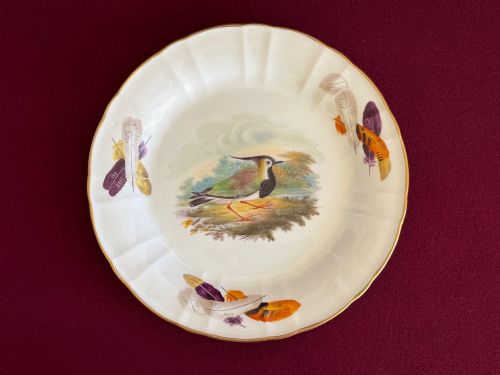
One set on this page repurposes charming nineteenth-century pot lid illustrations into decorative wall art.
Assessing quality and execution
Superior quality rests in the crispness of the hand-painting and the precise registration of polychrome enamel work. Master painters achieved finer detail and more harmonious balance across complex floral or pictorial compositions.
The refinement of the ceramic body and the smoothness of the glaze also distinguish finer examples. Earlier tin-glazed earthenware exhibits characteristic surface softness, whereas nineteenth-century stone china and porcelain display harder, more durable vitrified bodies.
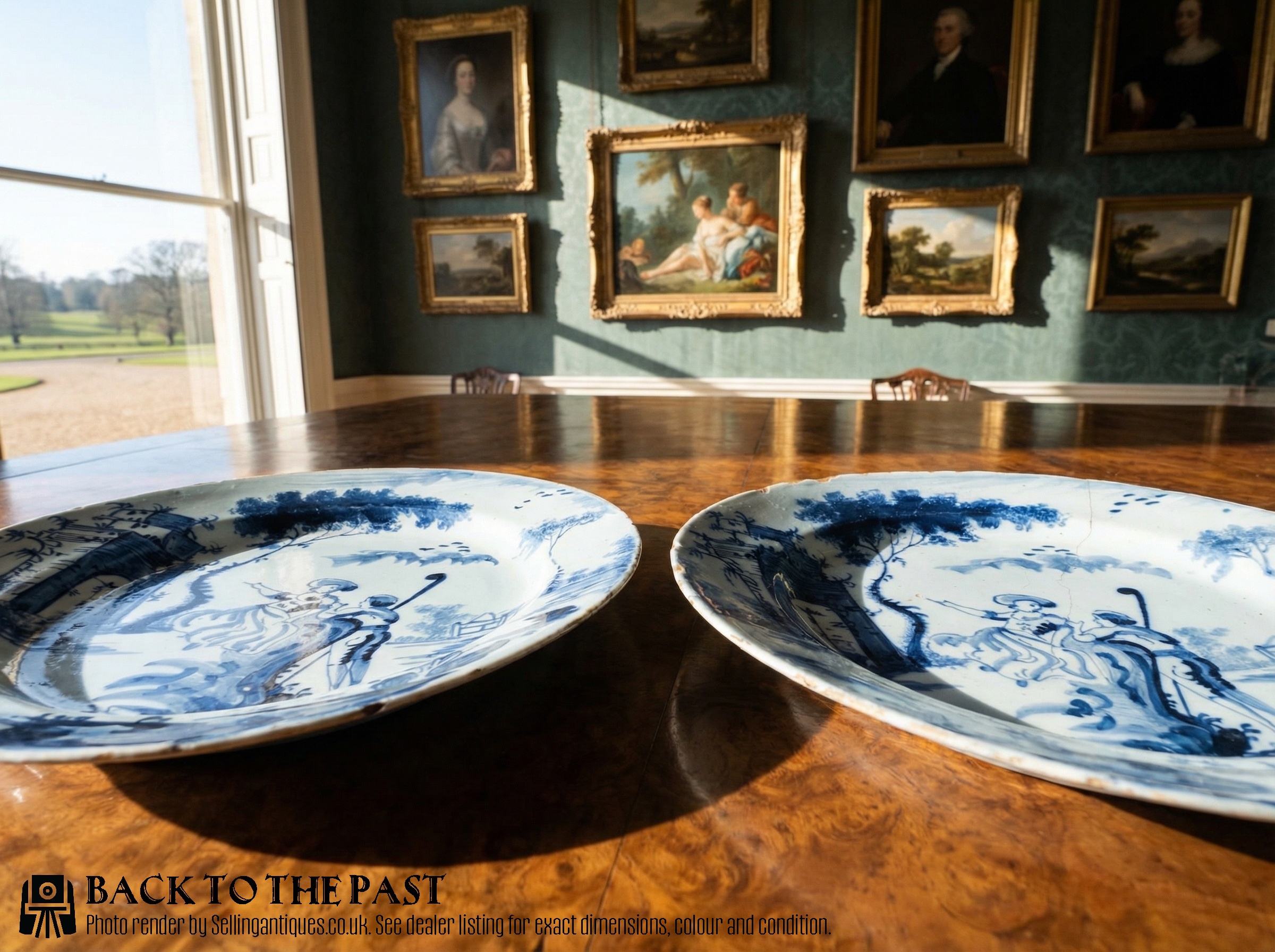
Spode
The Antique Ceramic Display Plates Glossary
- Cabinet plate
- A decorative ceramic plate intended for display in a cabinet or on a wall rather than for practical table use. These pieces often feature more elaborate artistic decoration than everyday dinnerware.
- Tin-glazed earthenware
- Pottery covered with a white tin oxide glaze that provides an opaque surface for painted decoration. This technique defines much of the traditional European Delftware production.
- Stone china
- A dense, durable ceramic body developed in nineteenth-century England to rival imported Chinese porcelain. It offers high resistance to chipping while maintaining a smooth surface for colourful transfer prints and enamels.
- Japanese Imari
- A style of decorative ceramic originating in Japan characterised by a distinct palette of underglaze blue, iron red, and gold. European potteries frequently copied these striking patterns throughout the eighteenth and nineteenth centuries.
- Pot lid illustration
- A detailed transfer-printed picture originally produced for ceramic ointment and paste containers, later collected and displayed on decorative earthenware plates.
Frequently Asked Questions
How do I hang antique ceramic display plates safely?
Use coated spring-wire hangers that grip the rim without exerting excessive pressure on the ceramic body. Ensure the wall fixing is secure and positioned away from direct sunlight and heavy foot traffic.
For valuable or fragile tin-glazed earthenware, consider professional shadow boxes or custom display ledges that support the base entirely.
Can I use these plates for serving food?
Antique ceramic display plates are strictly intended for decorative purposes and should not be used for serving food. Older glazes, particularly on eighteenth-century earthenware, may contain lead or other unstable compounds.
Furthermore, the surface enamels, gold leaf, and delicate ceramic bodies risk permanent staining, scratching, or chemical damage from modern foodstuffs.
How do I tell eighteenth-century Delft from nineteenth-century pieces?
Eighteenth-century Delft plates typically feature porous earthenware bodies covered in a thick tin glaze that shows minor surface undulations and characteristic edge chipping. The blue painting sinks slightly into the soft glaze.
Nineteenth-century stone china and porcelain display much harder, thinner, and more uniform white bodies with crisper transfer-printed or enamel-painted decoration.
How should I clean my display plates?
Dust the surface gently with a soft, dry ostrich feather duster or a clean microfibre cloth. Avoid using water, chemical cleaners, or immersion, as moisture can penetrate old glaze crazing and damage the porous clay beneath.
If stubborn debris accumulates, consult a professional conservator rather than attempting wet cleaning at home.