





Antique Ceramic Display Dish
An antique ceramic display dish brings colour and history onto a wall or cabinet from centuries of international kiln traditions.
Antique Ceramic Display Dish
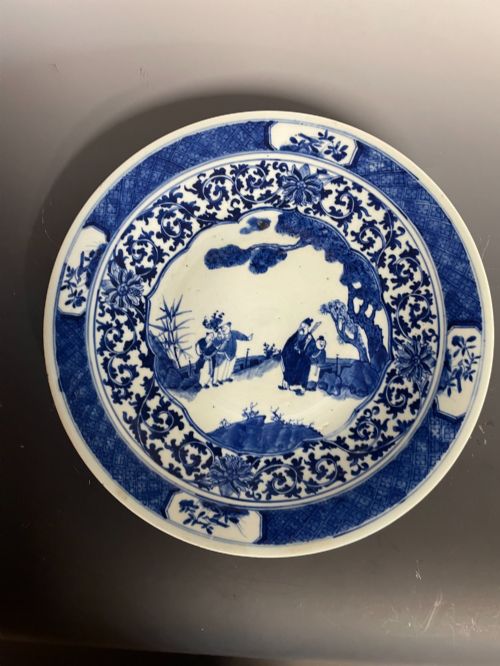
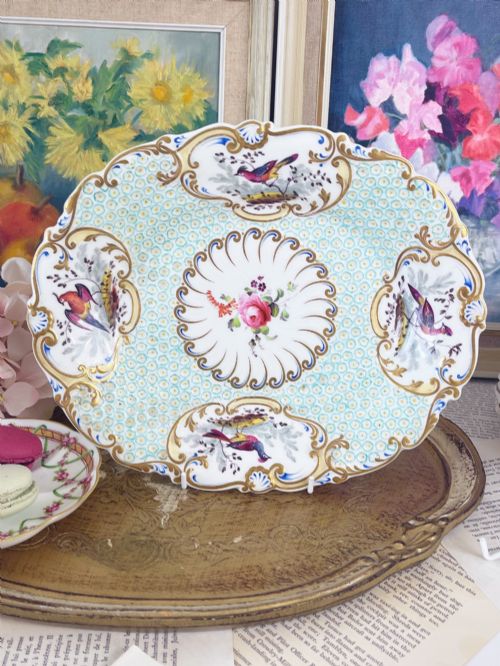
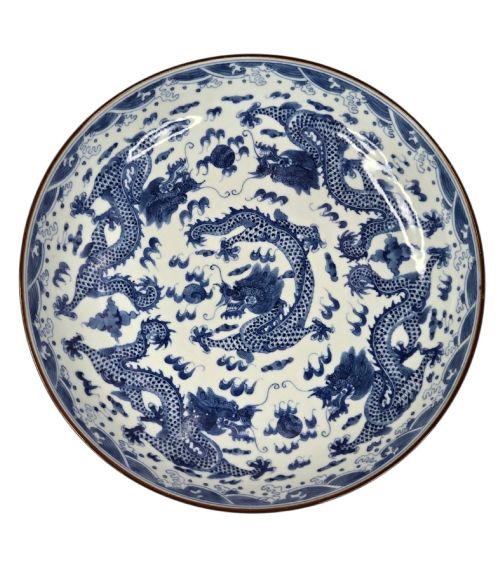
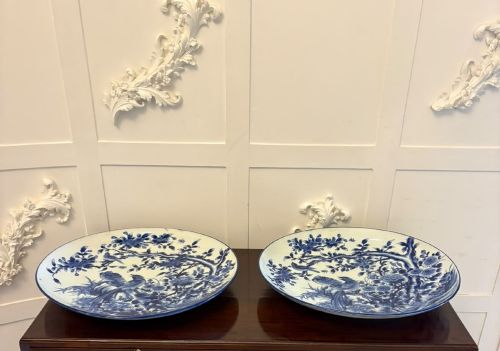
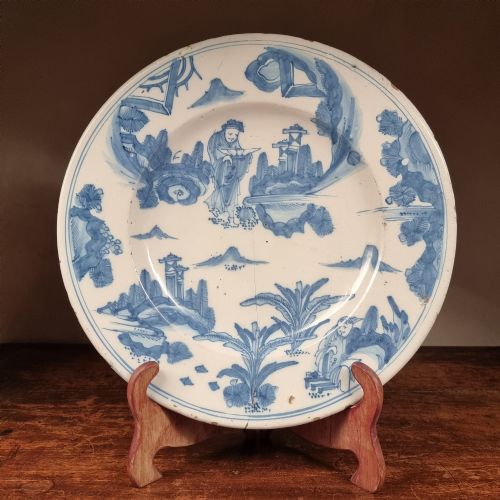
An antique ceramic display dish is a decorative vessel made for visual presentation rather than daily dining. These pieces include large chargers, cabinet plates, and platters created to showcase skilled painting and form.
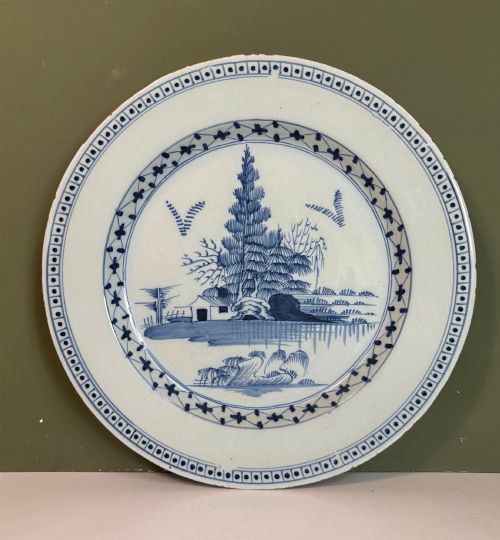
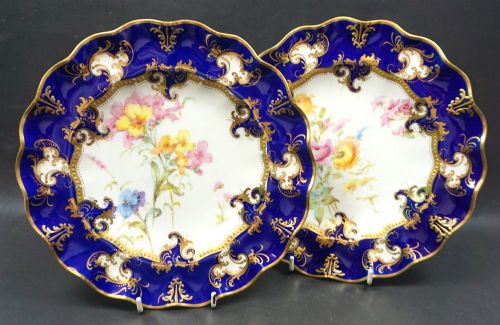
The selections available span multiple centuries and origins, from English bone china and pottery to Chinese export porcelain and Japanese Imari ware. Eighteenth-century tin-glazed chargers and Victorian porcelain plates appear frequently across the collection.
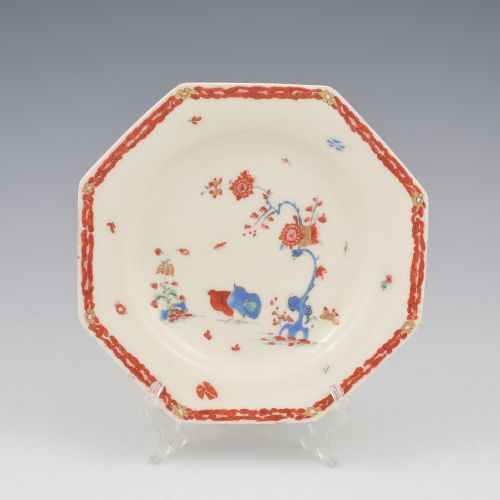
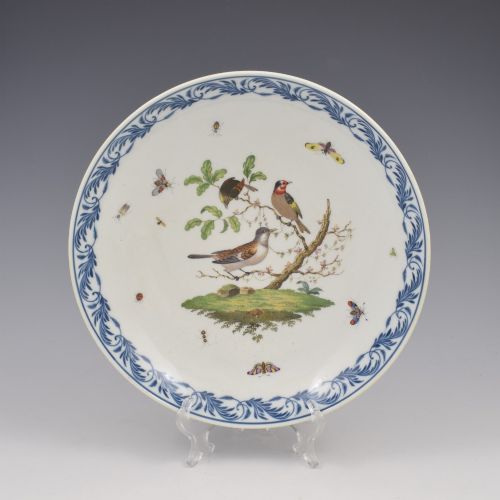
Makers ranged from major European factories like Royal Worcester and Meissen to Asian kilns producing wares for export. Forms vary from octagonal plates to deep lobed dishes and large circular chargers.
How They Were Made
Potters shaped these vessels in porcelain, earthenware, and bone china before applying intricate glazes and hand-painted motifs. Tin glaze and salt glaze provided opaque surfaces suitable for vibrant pigments.
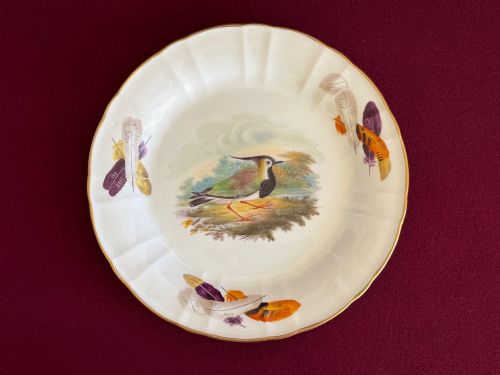
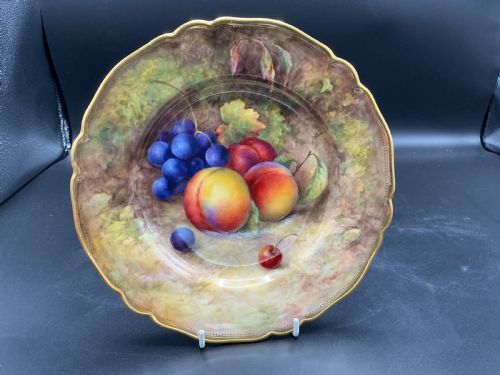
Artisans used underglaze blue, enamel colours, and gold leaf highlights to define floral, bird, and landscape scenes. Pieces were fired in kilns at high temperatures to fuse the metallic oxides and gilding to the ceramic body.
Several plates record fierce wildlife encounters, including hand-painted birds startled by insects and a dramatic nineteenth-century bear hunt.
What Varies in Quality
Quality rests in the precision of the hand-painted brushwork and the clarity of the glaze. Master artists executed detailed ornithological studies, botanical portraits, and armorial crests with distinct finesse.
The weight of the porcelain body and the crispness of moulded edges also separate standard production from superior cabinet pieces. Well-preserved gilding and stable enamel adherence determine the visual strength of the display surface.
H & R Daniel·Royal Worcester·Royal Crown Derby·Meissen·Edmé Samson and Cie·Royal Doulton
The Antique Ceramic Display Dish Glossary
- Charger
- A large decorative plate or dish, typically measuring over thirty centimetres across, designed to be stood on a sideboard or hung on a wall. These substantial pieces provide a wide canvas for complex painted scenes.
- Tin Glaze
- An opaque white ceramic glaze containing tin oxide, used extensively on earthenware during the seventeenth and eighteenth centuries. It creates a smooth surface that accepts painted colours directly.
- Imari
- A style of Japanese porcelain exported from the port of Imari, featuring distinct palettes of cobalt blue, iron red, and gold. Artisans applied these rich tones in dense geometric and floral patterns.
- Cabinet Plate
- A decorative plate made specifically for display within a cabinet or on a wall rather than for table service. They often feature elaborate hand-painted fruit, birds, or portraits by named artists.
- Transferware
- Pottery decorated by applying a printed design from an engraved copper plate onto the ceramic surface via tissue paper. This technique allowed repeatable production of intricate blue and white landscapes.
Antique Ceramic Display Dish: Frequently Asked Questions
How do I hang a heavy charger?
Displaying large dishes securely requires specialised wall fixings designed to distribute weight evenly around the rim without causing stress fractures.
Spring-loaded brass hangers or custom acrylic wall brackets offer safe support for heavy earthenware and porcelain chargers.
Were these dishes used for dining?
Most large chargers and cabinet plates served primarily ornamental functions in wealthy households, displayed on buffets or hung in formal rooms.
Smaller plates occasionally performed dual roles at dessert, but fine painted cabinet pieces were created strictly for visual appreciation.
How do I clean antique ceramic plates?
Dusting gently with a dry, soft brush is the safest method for maintaining painted surfaces and delicate gold leaf details.
Water and liquid cleaners should be avoided, particularly on porous earthenware or pieces with fragile overglaze enamels.
How do I tell tin glaze from porcelain?
Tin-glazed earthenware has a heavier, more porous clay body underneath an opaque white surface layer that lacks translucency.
Porcelain is vitrified, harder, and typically shows some translucency when held up to a strong light source.