


Antique Ceramic Collectibles
These antique ceramic collectibles span centuries of fired clay and porcelain, bringing traditional craftsmanship and decorative history straight to the cabinet.
Antique Ceramic Collectibles
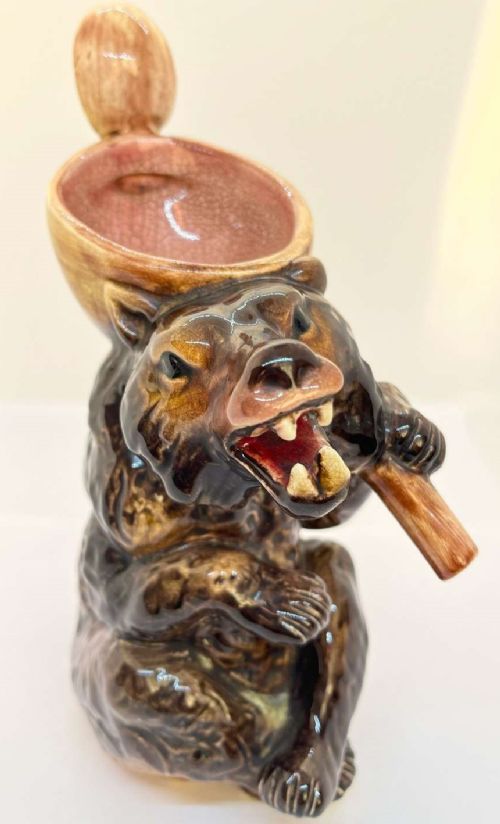
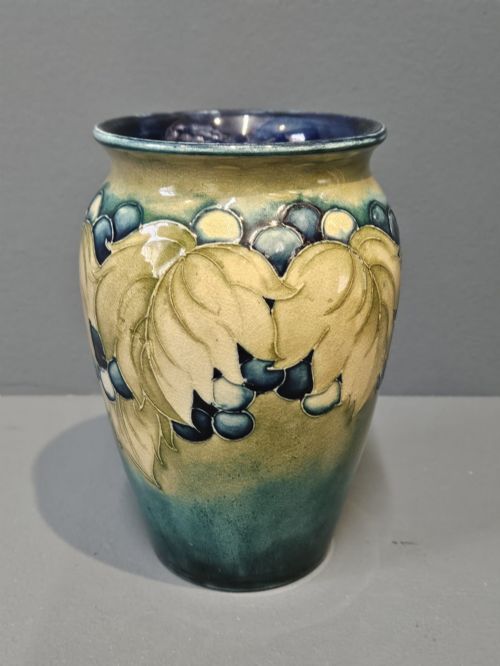
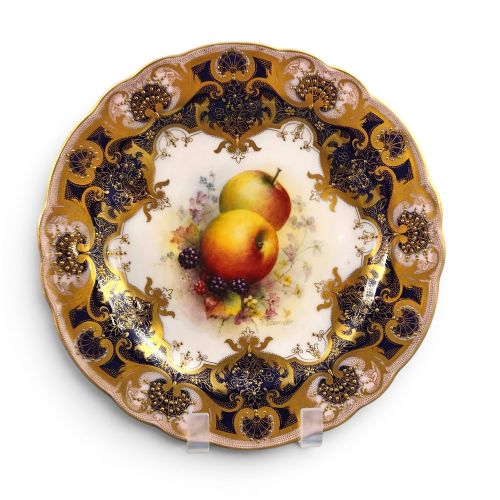
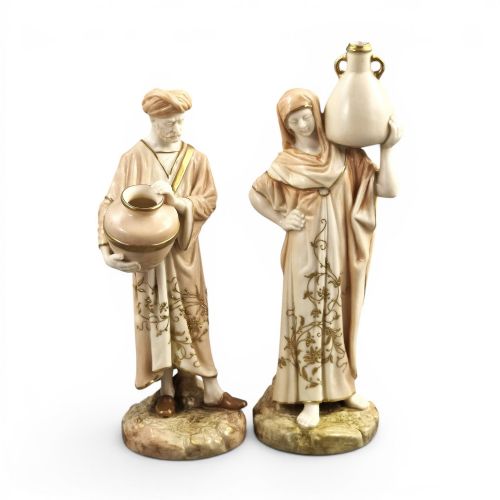
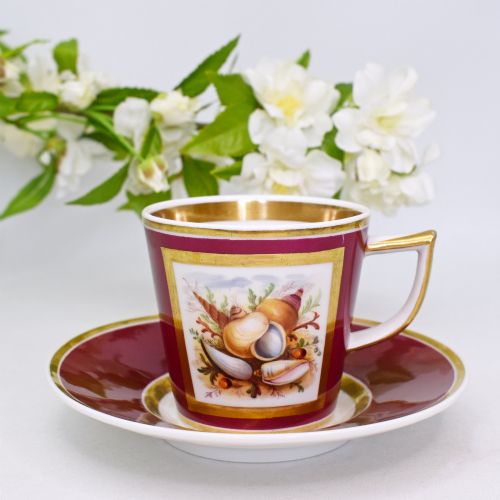
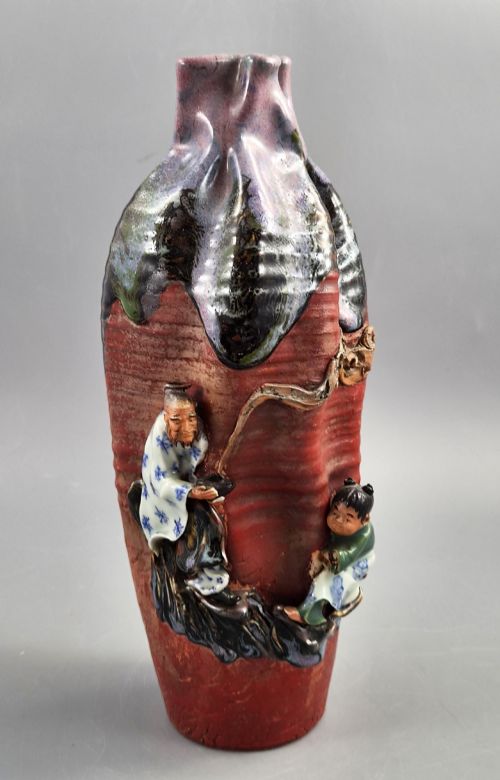
These antique ceramic collectibles encompass a diverse array of figures, decorative bowls, vases, and plates spanning from the eighteenth century through the mid twentieth century. Buyers encounter domestic British pottery alongside continental porcelain and specialised studio ceramic pieces.
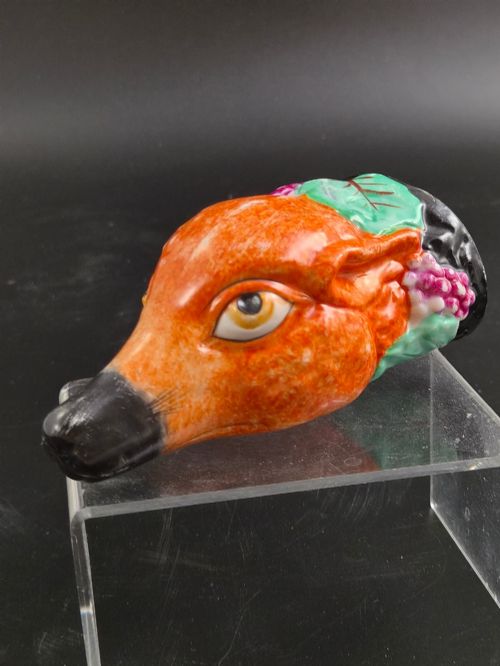
The selection ranges from functional vessels like stirrup cups and spirit flagons to intricate porcelain figurines and cabinet plates. Pieces frequently display specific historical periods such as the Georgian, Victorian, and Edwardian eras.
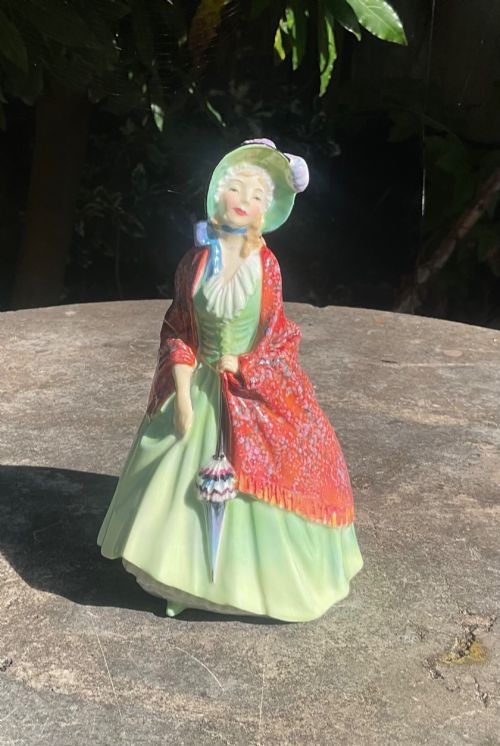
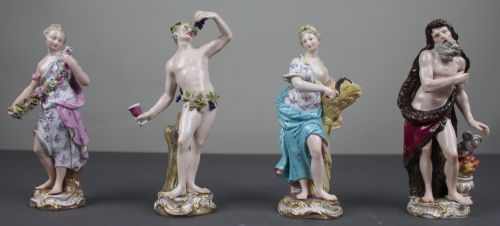
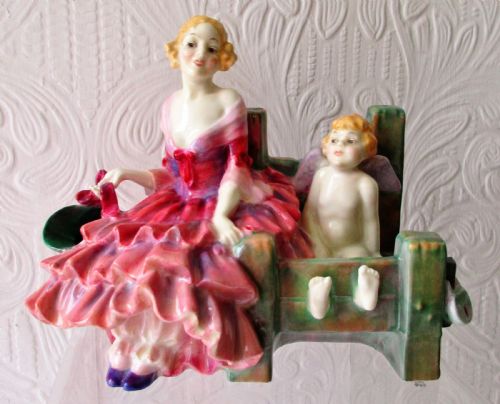
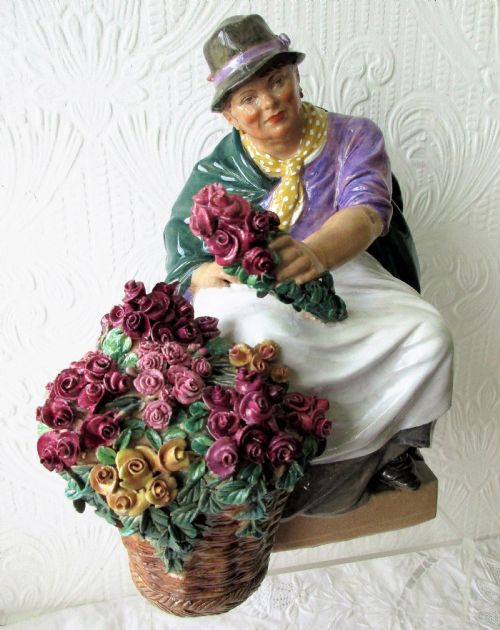
Figurines and decorative jugs represent the prominent forms found within this category, often reflecting the domestic tastes and ceramic innovations of their respective decades.
Materials and Techniques
Production relies heavily on fine porcelain, bone china, earthenware, and pearlware, shaped by hand or moulded before firing. Glazes, enamel, and gold leaf provide the decorative surface layers across these items.
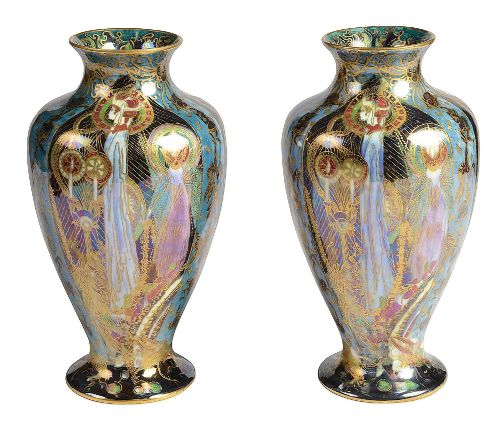
Specialised techniques include lustre applications, hand painting by notable artists, and detailed transfer printing. Kiln firing fixed the ceramic bodies and set the vibrant colours seen on the finished objects.
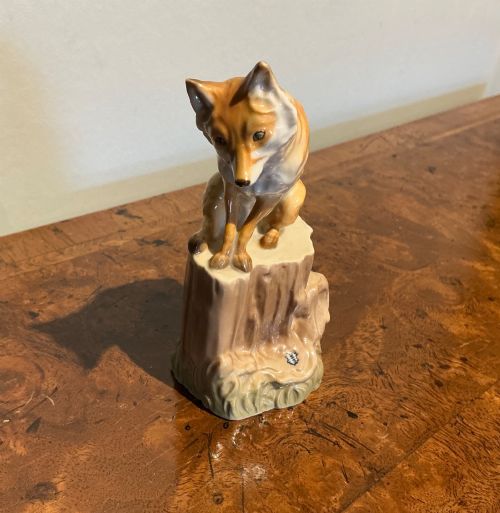
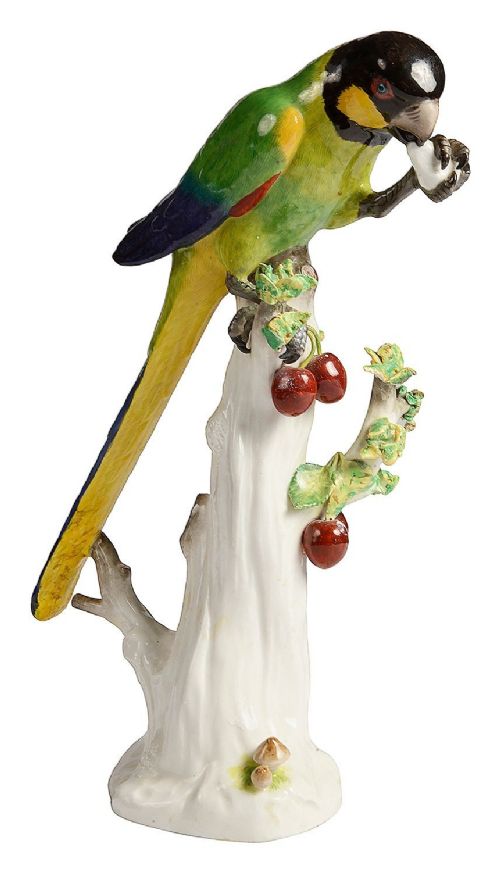
Among the animals immortalized in fired clay are snow leopards, wild boars, parrots, and perched foxes.
Assessing Quality and Execution
Quality rests upon the precision of the modelling and the crispness of moulded details on figures and vessels. Superior examples display careful hand painting and rich, even glaze coverage without blurring.
The distinction between standard production wares and exceptional pieces often involves renowned artists or specific factory execution. Early or first year versions typically exhibit sharper detailing compared to later iterations.
Royal Doulton·Meissen·Wedgwood·Moorcroft·Royal Worcester·Charles Vyse·Derby
The Antique Ceramic Collectibles Glossary
- Porcelain
- A hard, vitreous ceramic material fired at high temperatures. It is known for its translucency and delicate white body.
- Earthenware
- A porous, opaque ceramic body fired at lower temperatures. It requires a glaze to become completely watertight.
- Bone china
- A type of porcelain containing animal bone ash. This composition adds strength and a characteristic milky translucency.
- Pearlware
- A refined earthenware developed in the eighteenth century featuring a subtle bluish glaze. It bridged the gap between creamware and true porcelain.
- Lustre
- A metallic glaze application that produces an iridescent sheen. It reflects light in varying tones depending on the metallic oxides used.
Antique Ceramic Collectibles: Frequently Asked Questions
What defines antique ceramic collectibles?
These pieces comprise fired clay, earthenware, and porcelain objects created for decorative or domestic display over past centuries. They range from small figures and portrait models to painted plates and cabinet vases.
Items typically originate from established European potteries and individual studio makers, representing distinct historical manufacturing periods.
How were these decorative items used?
Many ceramic pieces served purely decorative roles on mantelpieces, dining tables, and display cabinets within historic homes. Others combined utility with ornament, such as spirit flagons, jugs, and tea wares.
Figurines often commemorated public figures, literary characters, or rural scenes, functioning as indoor ornamentation.
How do I care for ceramic pieces?
Display items away from direct sunlight to protect enamel painted surfaces and delicate gold leaf details from fading. Gentle dusting with a soft brush keeps the glaze clean without risking abrasion.
Avoid using harsh chemical cleaners or submerging antique pieces with historic glazes in water.
How do I identify different periods?
Dating relies on factory marks, painter signatures, and the specific composition of the ceramic body or glaze. Stylistic cues such as moulding techniques and colour palettes also point towards Georgian, Victorian, or later eras.
Comparing known factory patterns helps narrow down the exact decade of manufacture.