



Antique Ceramic China
These antique ceramic china pieces bring centuries of kilncraft and hand-painted artistry directly into daily service.
Antique Ceramic China
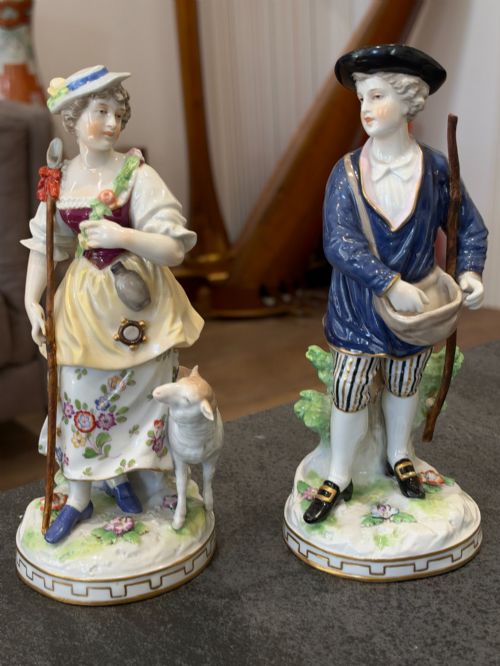
When searching for antique ceramic china, collectors encounter a diverse array of plates, teacups, bowls, and serving dishes spanning from the seventeenth century through to the early twentieth century. The selection ranges from delicate Georgian bone china teapots to robust Victorian transferware dinner services.
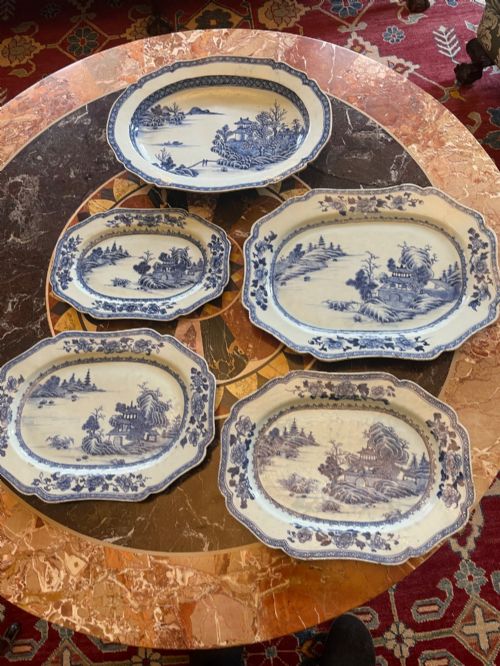
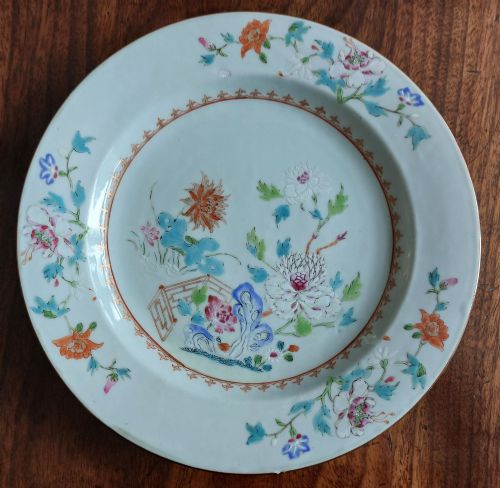
Domestic English potteries such as Worcester, Spode, and Derby dominate the offerings alongside Chinese export wares from the Qing and Ming dynasties. Buyers frequently find tea services, cabinet plates, and decorative vases representing distinct periods like the Regency and the Art Deco era.
Materials and production methods
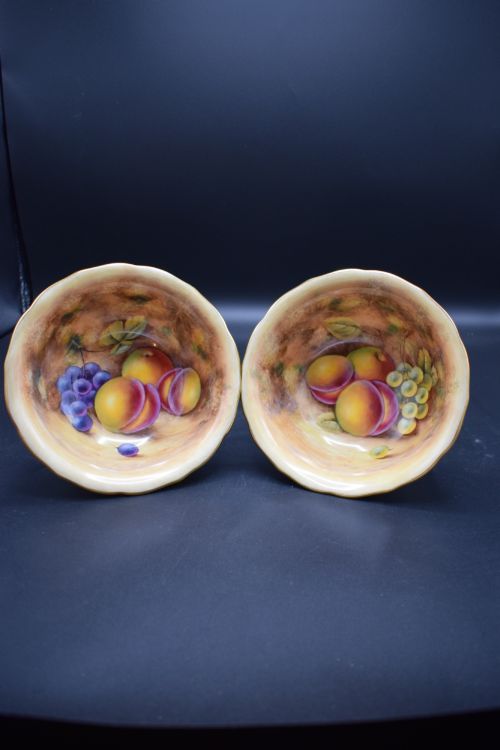
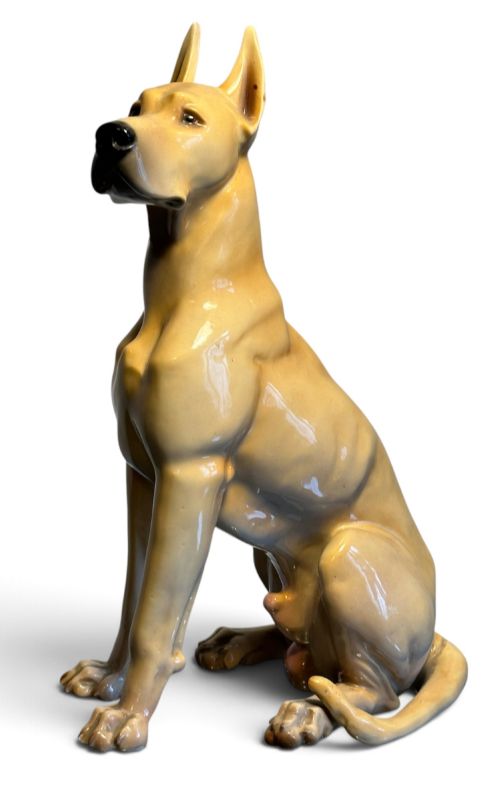
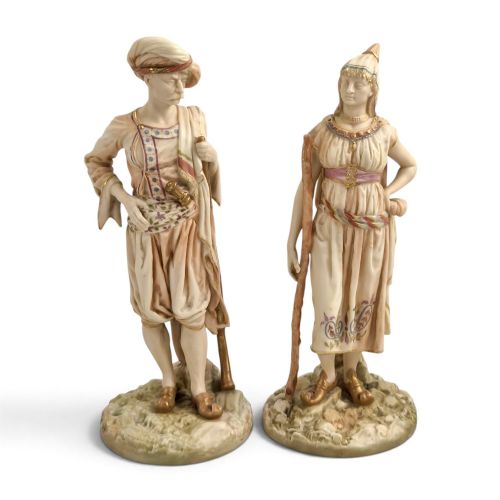
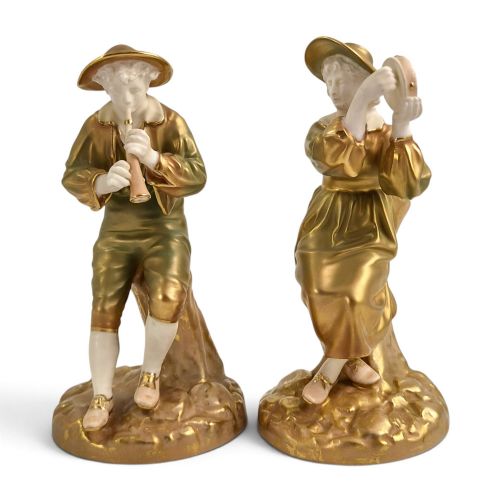
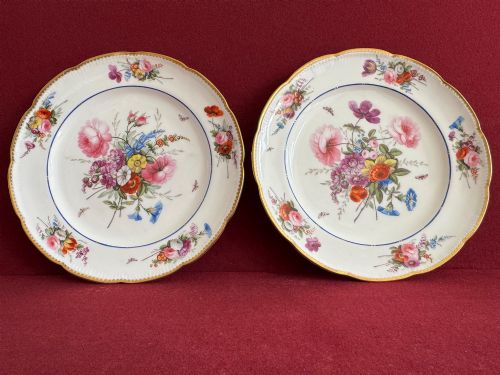
Potters utilised soft-paste and hard-paste porcelain, bone china, and ironstone, shaping them into tableware, vases, and figures before applying complex glazes. Many pieces incorporate enamel painting, often enhanced by gold leaf and gilding applied by hand.
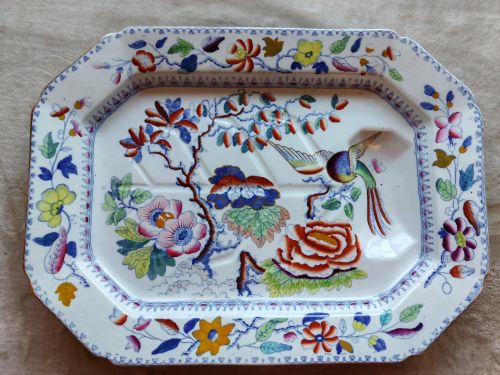
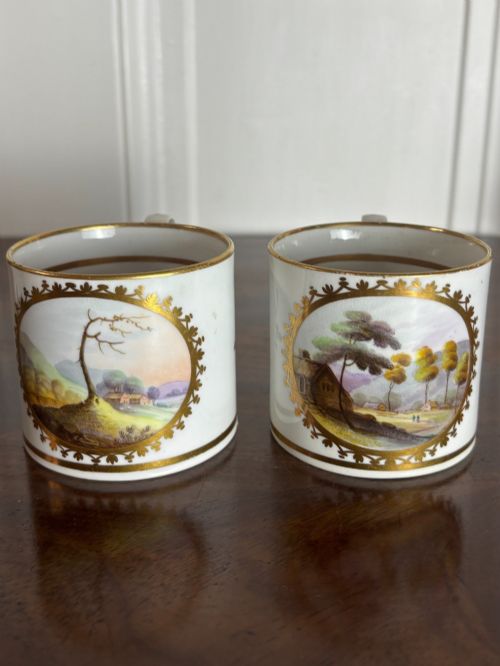
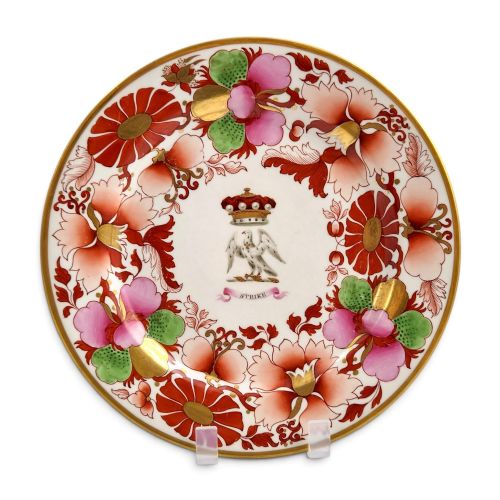
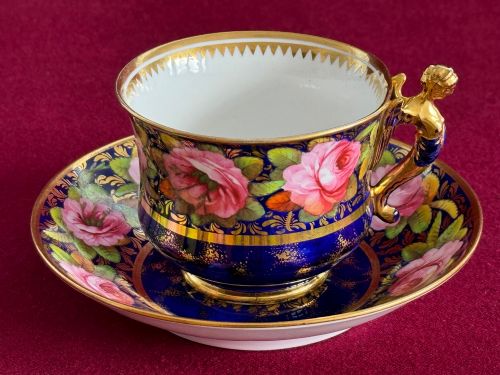
Transfer printing allowed factories to replicate intricate designs mechanically on earthenware and porcelain, while higher-end items received individual hand-painted floral or armorial motifs by skilled decorators.
Antique Ceramic China Retail Price Guide 2026
Typical asking prices for ceramic china among the pieces listed under this phrase on Sellingantiques today, from the lower quarter to the upper quarter. They describe what is for sale here now, not the wider market.
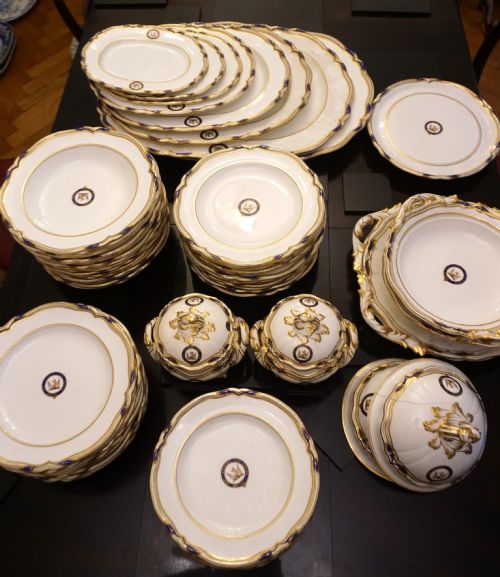
The inventory includes functional dinner services alongside decorative items like garnitures, rose water sprinklers, and potpourri jars.
Factors influencing quality
Quality separates mass-produced utility wares from studio and factory masterpieces through the precision of the moulding, the clarity of the glaze, and the intricacy of the hand-painted decoration. Finer items exhibit crisp detail in relief-moulded forms and careful alignment of pattern transfers.
The application of gilding and enamel work reveals the skill of the original workshop, where superior pieces retain rich gold leaf and vibrant, stable pigments without blurring or pooling in the kiln.
Davenport·Minton·John Rose Coalport·Dr Wall Worcester·New Hall·Spode·Flight Barr and Barr·Nantgarw·Duesbury and Kean Derby·William Smith and Co·Grainger Lee and Co·H and R Daniel·Royal Doulton·Royal Crown Derby·Richard Chaffers Liverpool·Caughley
The Antique Ceramic China Glossary
- Bone china
- A type of soft porcelain containing bone ash, developed in England to create a strong, translucent body suited to fine dinner services.
- Imari
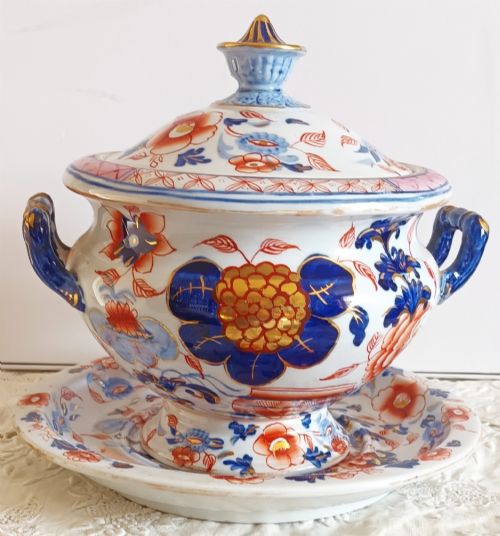
- A style of ceramic decoration originating in Japan and widely copied by European factories, characterised by a palette of cobalt blue, iron red, and gilt.
- Transferware
- Earthenware or porcelain decorated by transferring a printed design from a copper plate onto the ceramic surface before glazing and firing.
- Gilding
- The application of gold leaf or powdered gold to the surface of ceramics, often used to accent rims, handles, and decorative borders.
- Soft-paste porcelain
- An artificial porcelain mixture fired at lower temperatures than hard paste, producing a warm glaze texture popular in eighteenth-century English factories.
Antique Ceramic China: Frequently Asked Questions
Can I use antique china for dining?
Many eighteenth and nineteenth-century plates and cups remain structurally sound enough for occasional light use. Check each piece carefully for existing hairline cracks before serving food.
Pieces featuring heavy gilding or delicate enamels are best reserved for display rather than daily meals to preserve their hand-painted surfaces.
How do I identify the period of a piece?
Examine the base for impressed factory marks, pattern numbers, or registration diamonds which often point to a specific decade. Stylistic clues such as Regency shapes or Qing dynasty motifs also help narrow down the date.
Comparing the paste type, weight, and glaze finish against known factory standards provides further confirmation of age and origin.
What is the difference between porcelain and bone china?
True porcelain uses china stone and kaolin fired at high temperatures to create a hard, non-porous body. Bone china incorporates animal bone ash into the clay mixture, resulting in a lighter, whiter material with high translucency.
English potteries pioneered bone china production during the Georgian period to compete with imported Asian hard-paste porcelain.