


Antique Ceramic Boat Dish
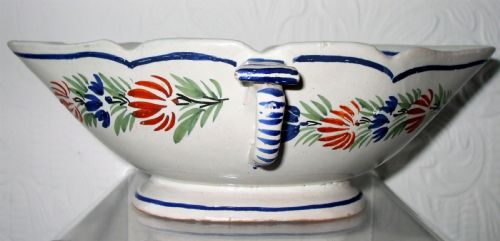
An antique ceramic boat dish serves sauces or pickles with undeniable elegance, bridging utility and fine artistry on the dining table.
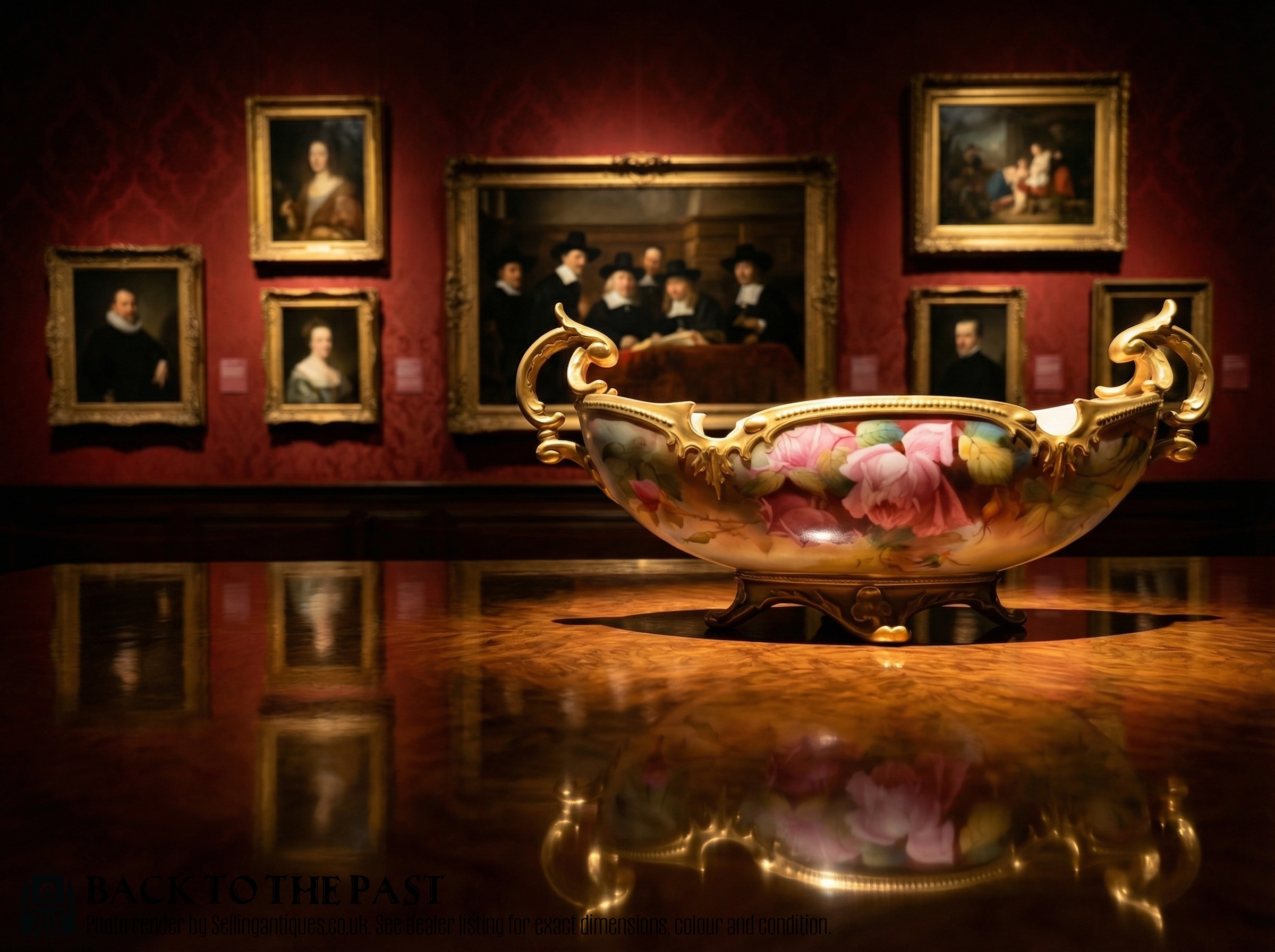
Antique Ceramic Boat Dish
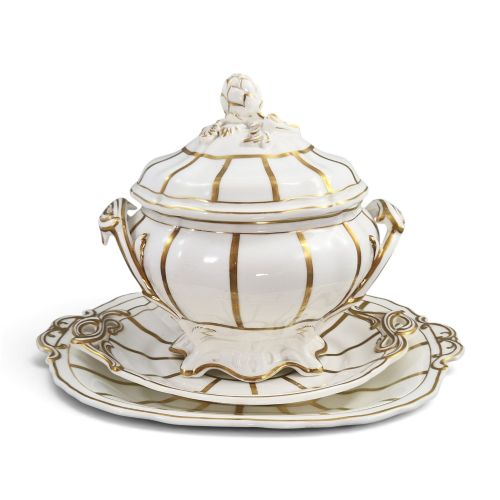
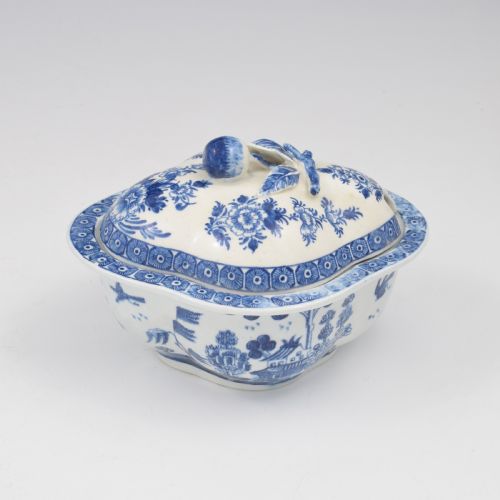
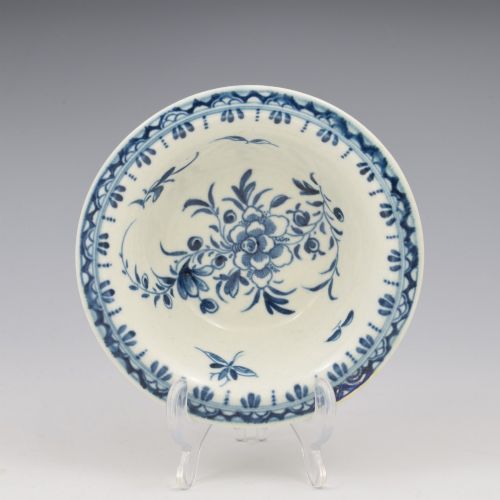
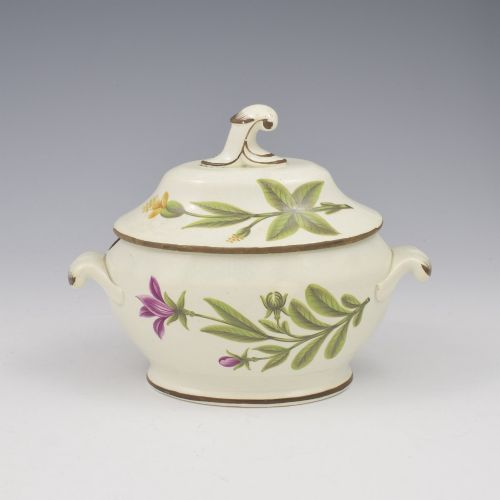
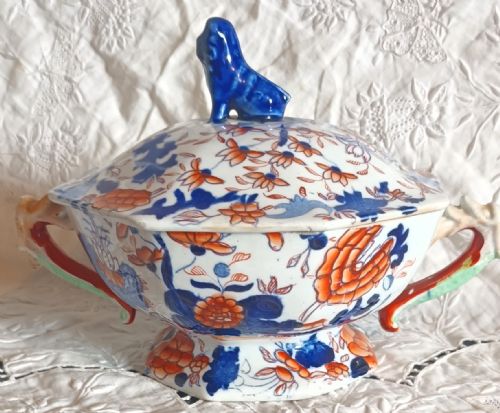
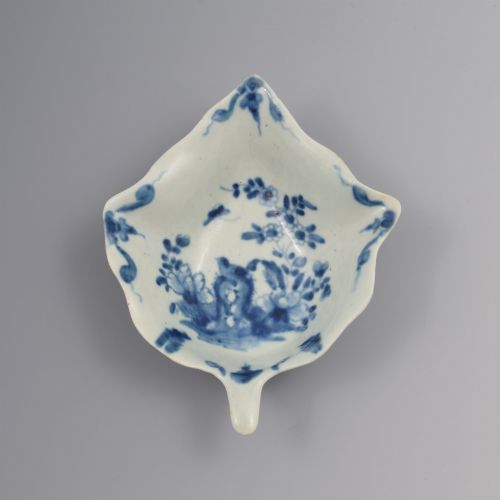
When you search for an antique ceramic boat dish, you encounter vessels shaped explicitly to hold condiments, pickles, or sauces. These forms span from eighteenth-century porcelain pickle leaf dishes to nineteenth-century ironstone sauce tureens.
The pieces appearing here include Georgian pearlware, Regency porcelain, and Victorian earthenware. Many feature matching stands, covers, or intricate handles.
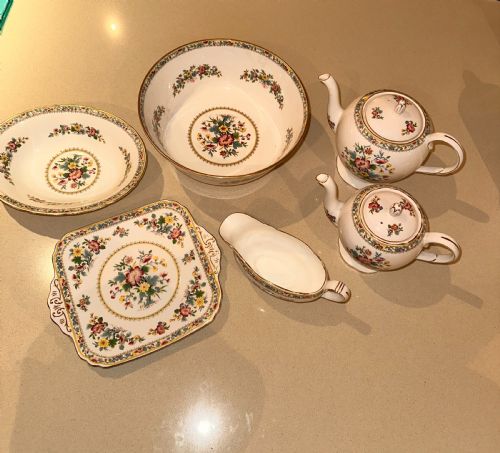
Sauceboats and small butter boats dominate the selection, showing the domestic priorities of eighteenth and nineteenth-century dining tables. Collectors value both the standalone boat dish and the complete tureen set with its accompanying ladle.
Materials and construction
Potters built these wares using soft-paste porcelain, ironstone, earthenware, and pearlware. Glaze sealed the porous body, whilst enamel and gold leaf added decorative surface colour.
Moulding and hand-painting defined the production process across English and continental factories. Transfer printing also emerged to apply detailed blue and white designs onto earthenware and ironstone surfaces.
Listings feature pieces spanning the 18th century through the early 20th century, utilising materials from soft-paste porcelain to ironstone.
Assessing quality
Quality rests upon the crispness of the moulded form and the precision of the hand-painted or transfer-printed decoration. Fine porcelain bodies exhibit translucency and delicate handling of gilt highlights.
The presence of matching original covers and stands elevates a piece significantly. Superior items retain vibrant enamel colours without excessive rubbing to the gold leaf.
Davenport Bone China·Derby Porcelain·Flight Barr And Barr·Mason's Ironstone·Spode·Royal Worcester·Caughley
The Antique Ceramic Boat Dish Glossary
- Pearlware
- A refined earthenware developed by Josiah Wedgwood, featuring a bluish glaze that pooled in crevices. It bridged the gap between creamware and true porcelain.
- Ironstone
- A dense, heavy ceramic patented by Charles Mason, prized for its exceptional durability. It resisted chipping far better than standard earthenware.
- Soft-paste porcelain
- An artificial ceramic body fired at lower temperatures than hard paste, popular in eighteenth-century English factories. It displays a warm, creamy glaze tone.
- Transfer printing
- A technique where a design is engraved on a copper plate, inked, and transferred to paper then onto the ceramic body. This allowed intricate patterns to be replicated swiftly.
Antique Ceramic Boat Dish: Frequently Asked Questions
What is an antique boat dish used for?
These vessels held sauces, gravies, butter, or small pickled accompaniments during formal dining services.
Hosts placed them centrally or passed them along the table during eighteenth and nineteenth-century meals.
How do I date an antique ceramic boat dish?
Examine the paste, glaze characteristics, and any factory marks stamped or painted on the base.
Stylistic cues like transfer-printed transfer designs or Regency gilt handles also point to specific manufacturing decades.
Are these boat dishes dishwasher safe?
Hand washing in lukewarm water with mild soap is essential to protect aged glazes and delicate gold leaf.
Modern dishwashers use harsh detergents and high heat that will ruin fragile eighteenth and nineteenth-century ceramics.
What is the difference between ironstone and porcelain?
Ironstone is a heavy, robust earthenware designed for everyday durability on busy nineteenth-century dining tables.
Porcelain is lighter, sometimes translucent, and traditionally reserved for finer, more decorative tableware.