



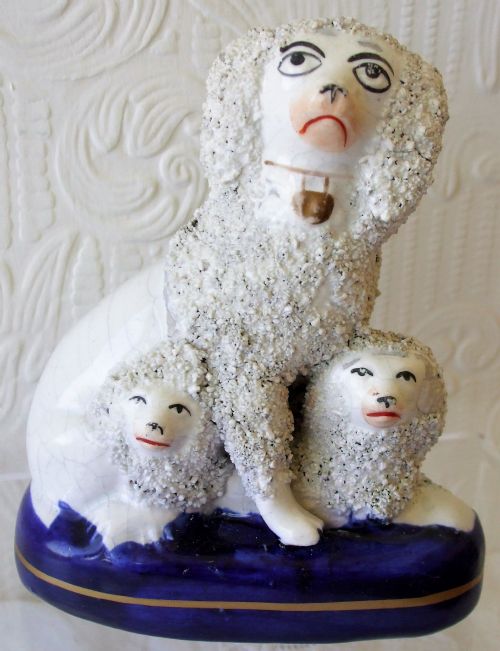
Antique Ceramic Animal Figures
These antique ceramic animal figures span Staffordshire poodles, Meissen parrots and Derby stags, offering character and domestic charm for any mantelpiece.

Antique Ceramic Animal Figures
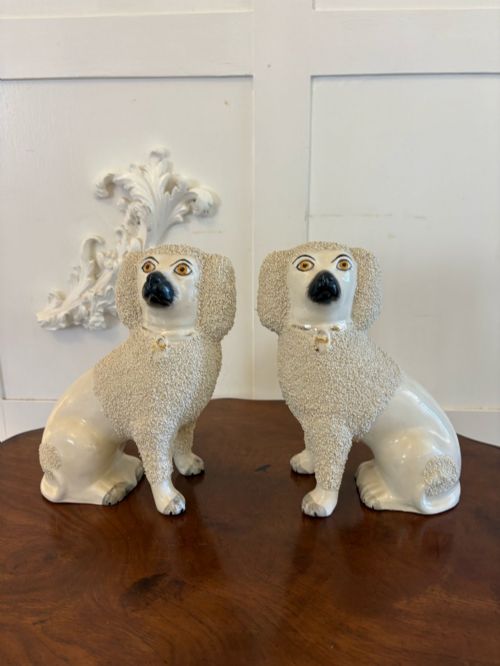
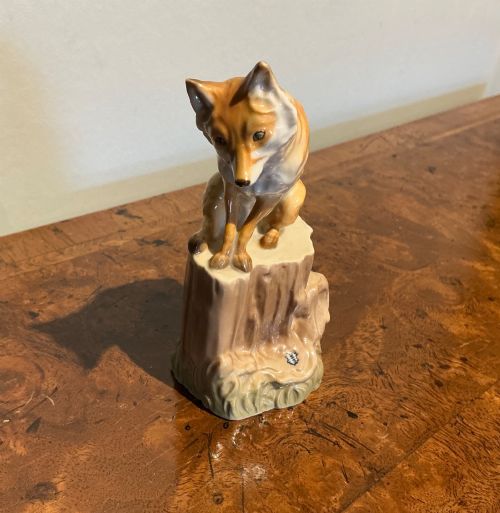
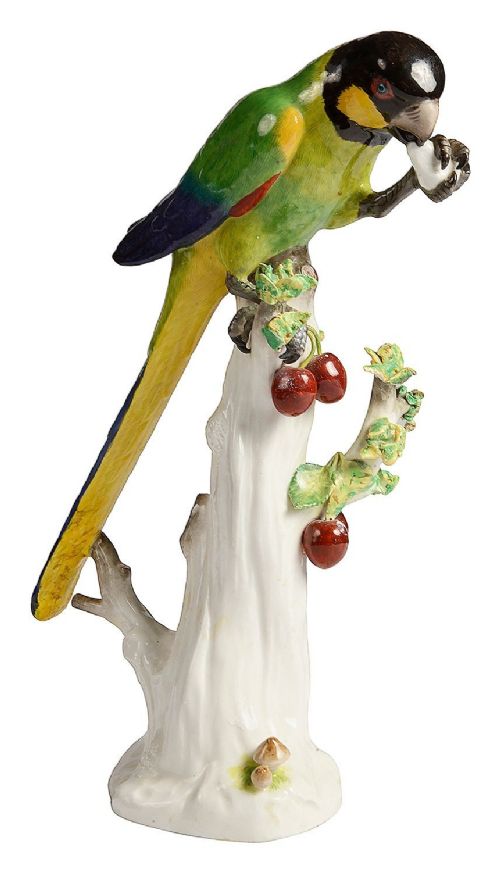
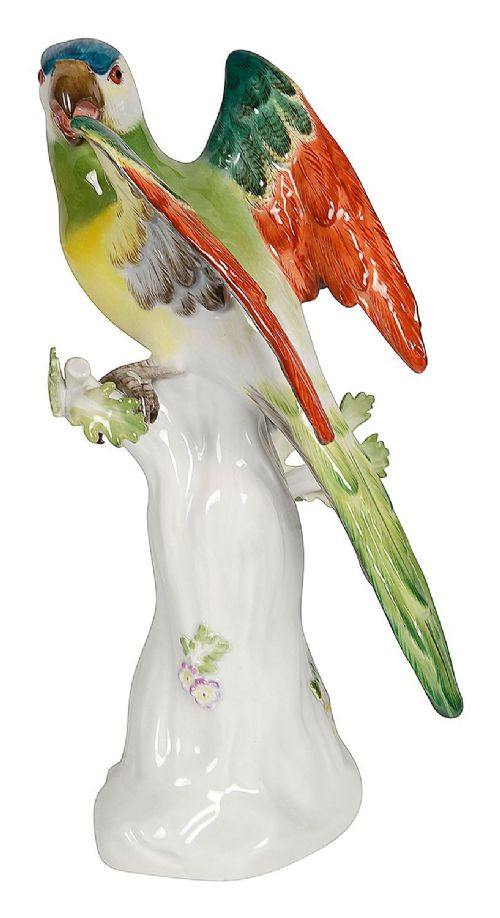
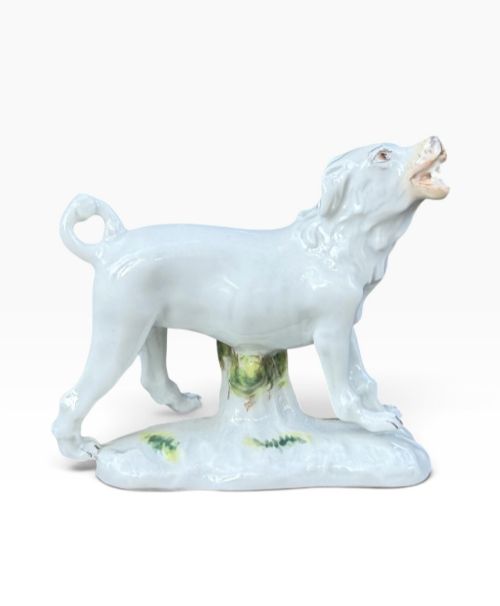
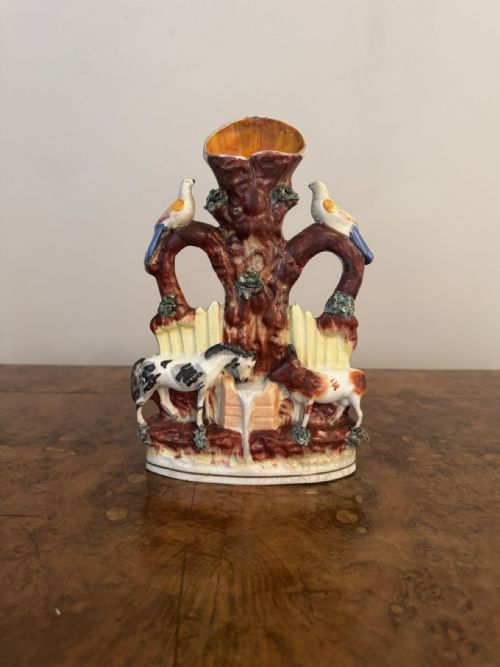
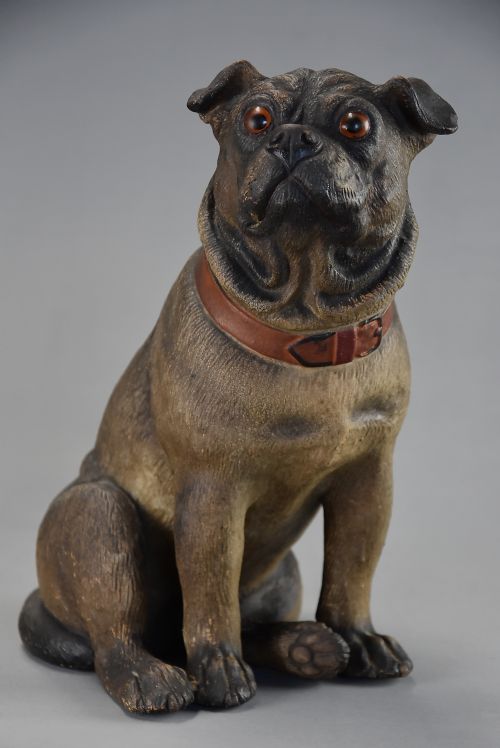
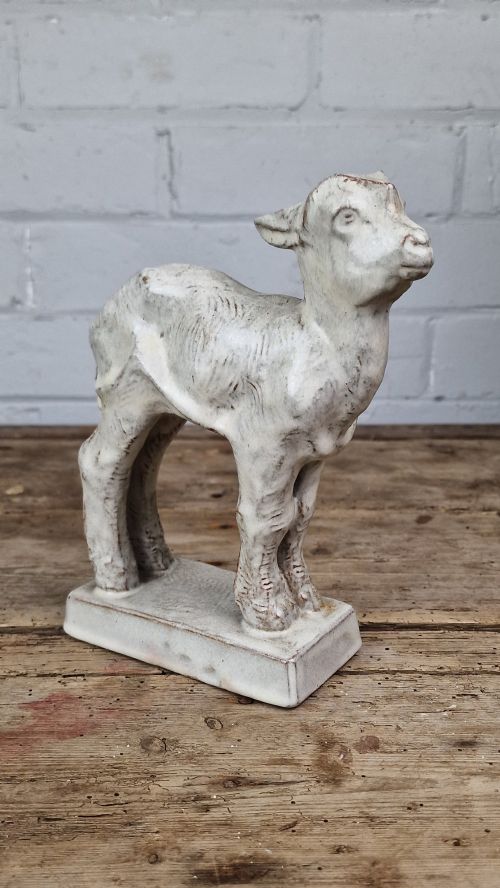
When you search for antique ceramic animal figures, you encounter a diverse range of subjects, from Staffordshire poodles and lions to Meissen parrots and Austrian terracotta pugs. These pieces appear as decorative figurines, spill vases, oil lamps and sculptural groups representing domestic pets and exotic wildlife.
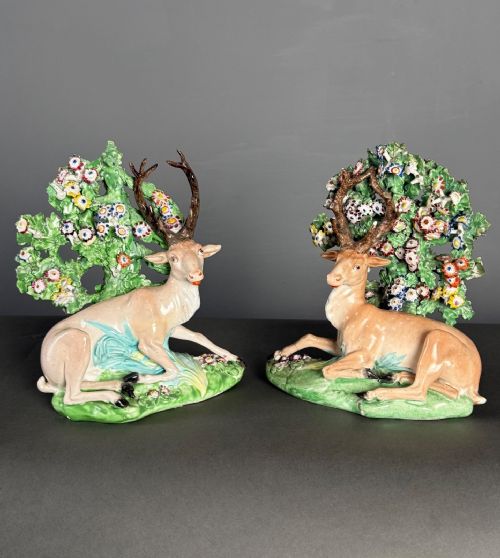
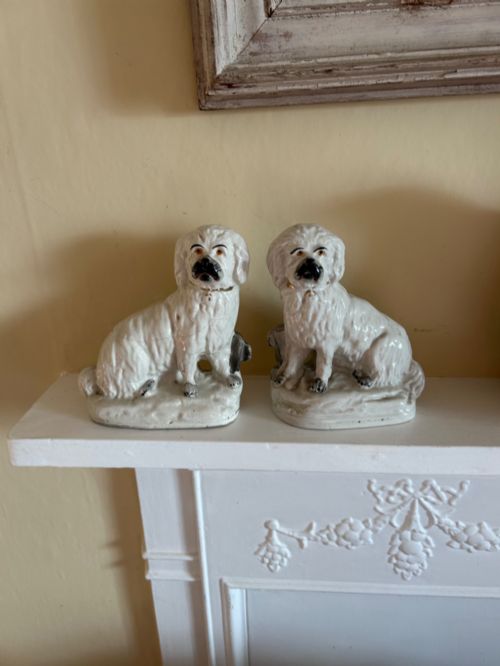
The most common examples on this page are Staffordshire earthenware dogs and lions, often modelled in pairs for mantel display. Alongside these English pottery works sit continental porcelain figures from factories such as Meissen, Derby and Sitzendorf, representing birds, monkeys and deer.
Materials and production methods
Potters shaped these figures using earthenware, pearlware, terracotta and hard-paste porcelain, applying lead glazes, tin enamel and vibrant overglaze colours. Earthenware and pearlware pieces typically rely on slip-casting or press-moulding techniques common in Staffordshire workshops during the nineteenth century.
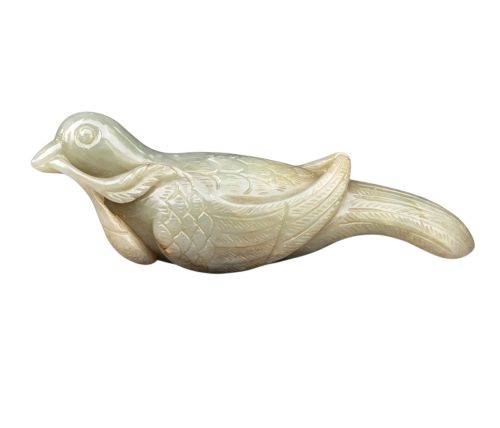
Porcelain examples from European factories like Meissen and Derby involve intricate hand-modelling, often incorporating delicate botanical elements known as bocage. Glaze variations include treacle glazes, blue and white Delft pigments, and monochrome celadon treatments.
Pugs dominate the nineteenth-century terracotta selections, staring out with solemn, wrinkled dignity from every shelf.
Judging execution and finish
Quality rests upon the crispness of the modelling and the sensitivity of the hand-painting, particularly in facial expressions and surface markings. Superior figures display finely rendered fur, alert postures and carefully controlled glaze application that avoids pooling or dry patches.
The prestige of the manufactory and the complexity of the composition also determine distinction. Model fidelity, the survival of original enamels and the presence of bocage work without restoration separate ordinary production wares from exceptional studio pieces.
Meissen·Derby·Sitzendorf·Royal Dux·Minton·Rosenthal
The Antique Ceramic Animal Figures Glossary
- Pearlware
- A refined earthenware developed in the late eighteenth century, featuring a pale bluish glaze that pooled slightly in recesses. It provided a whiter surface for underglaze blue and enamel painting.
- Bocage
- An applied background of scrolled foliage, leaves and flowers made of porcelain or clay. It frequently frames eighteenth-century deer and shepherd figures from factories such as Derby.
- Spill vase
- A hollow cylindrical holder incorporated into a ceramic figure, designed to hold wooden spills for lighting candles and fires. These objects combined domestic utility with ornamental animal display.
- Treacle glaze
- A rich, dark brown lead glaze that produced a glossy, lustrous finish on nineteenth-century pottery. It was widely used on Staffordshire lions and dogs for dramatic depth.
Antique Ceramic Animal Figures: Frequently Asked Questions
How do I date an antique ceramic animal?
Dating relies on body composition, glaze characteristics, and factory marks where present. Early pieces often feature pearlware bodies or hand-painted details typical of the eighteenth century, while later Victorian items utilise denser earthenware and distinct press-moulding seams.
Style also offers clear indicators, as neoclassical stag groups differ markedly from Art Deco felines or late nineteenth-century Staffordshire poodles. Comparing base construction and crazing patterns helps narrow down the production era.
Were these figures meant for display?
Most ceramic animal figures served primarily as mantel ornaments, designed to add gentility and narrative charm to Victorian and Georgian parlours. Pairs of poodles, lions and stags were positioned symmetrically on either side of a fireplace or clock.
Some objects combined decoration with utility, such as spill vases that held wooden tapers or oil lamps featuring sculptural dogs and owls. Their presence reflected contemporary tastes for domestic pets and natural history.
Why are many animal figures issued in pairs?
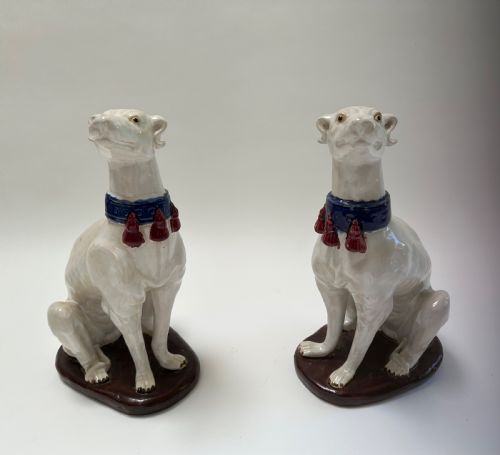
Symmetrical pairs of animals suited the formal interior decoration of eighteenth and nineteenth-century homes, particularly the mantelpiece where balance was essential. Staffordshire poodles, lions and Derby stags were routinely modelled as mirror-image matched sets.
Displaying them facing inward toward a centrepiece created a harmonious arrangement that defined formal room layouts of the period. Finding a surviving intact pair remains a significant draw for collectors.
What is bocage on porcelain figures?
Bocage is an ornamental background of applied ceramic foliage, leaves, and blossom that surrounds figures like Derby stags and ewes. It created a miniature woodland setting for the animal subjects.
Because these delicate floral branches were fragile and prone to loss during firing or subsequent handling, intact bocage is a key point of interest for porcelain collectors.