

Antique Cellarette on Stand
An antique cellarette on stand provides formal dining rooms with secure and portable bottle storage.
What They Are
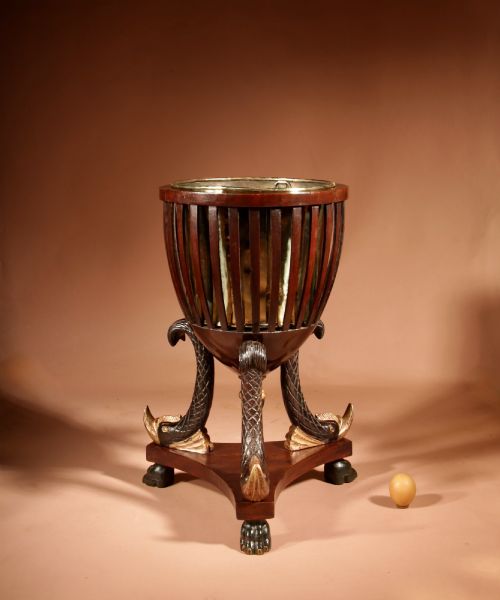
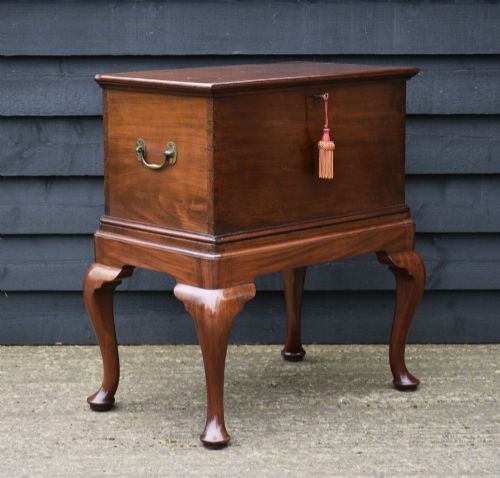
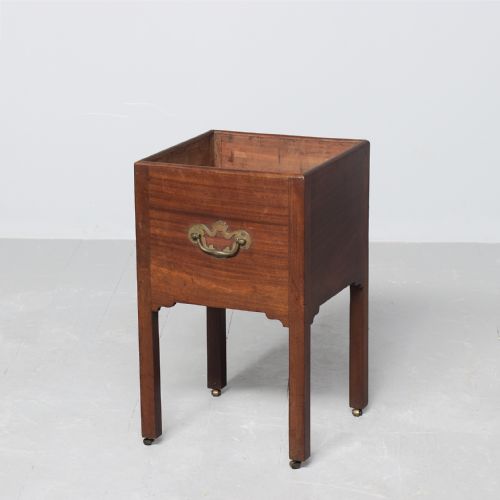
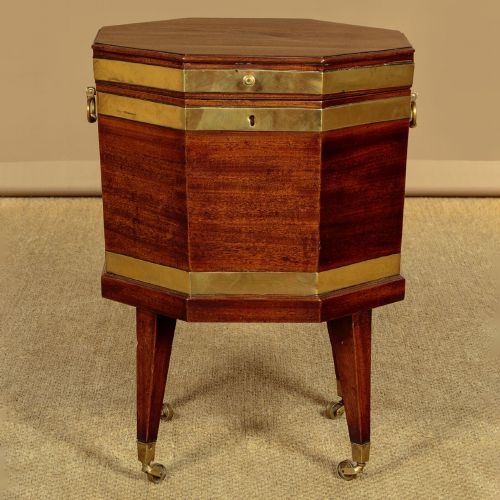
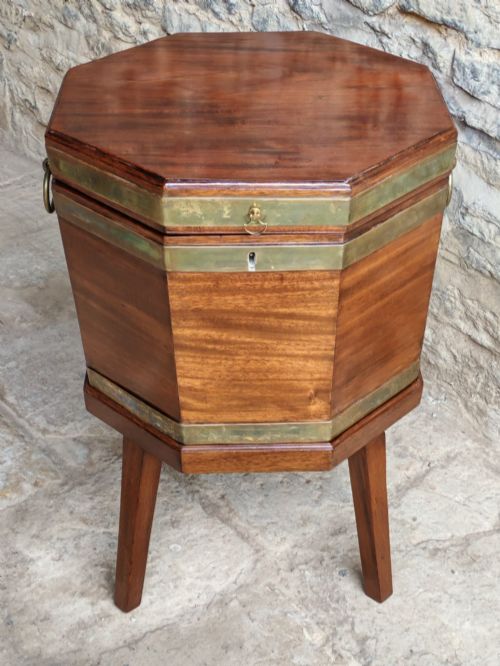
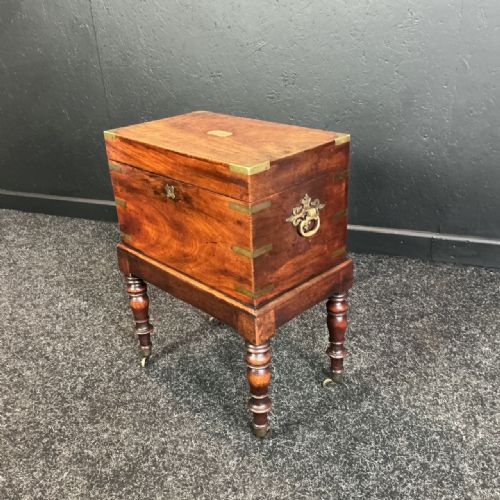
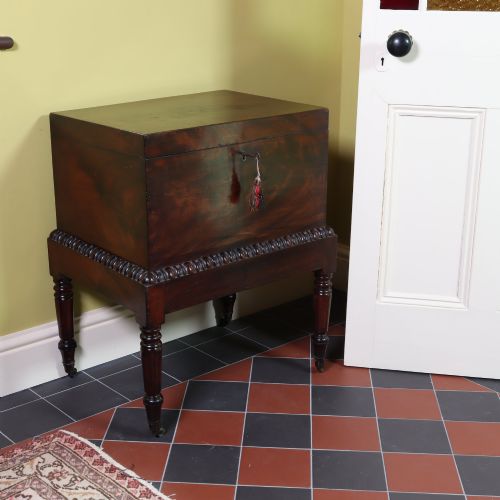
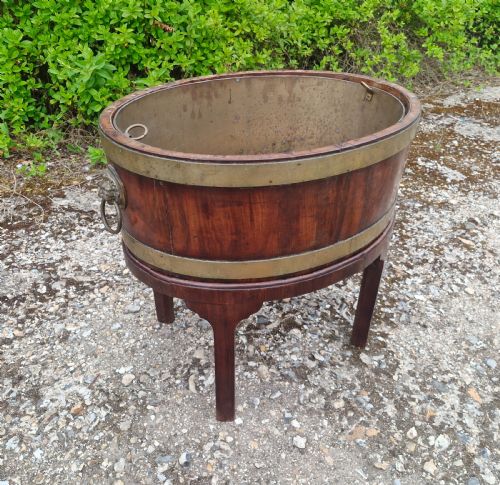
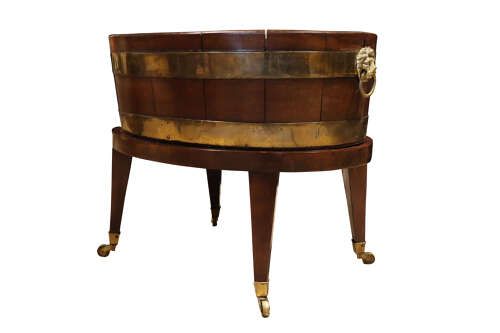
An antique cellarette on stand is a specialised form of furniture designed to hold wine bottles and cool them during meals. The listings for this phrase show pieces primarily originating from the Georgian and George III periods, spanning the eighteenth century and around eighteen hundred. These objects combine a timber body with a supporting stand, creating a raised vessel for the dining room.
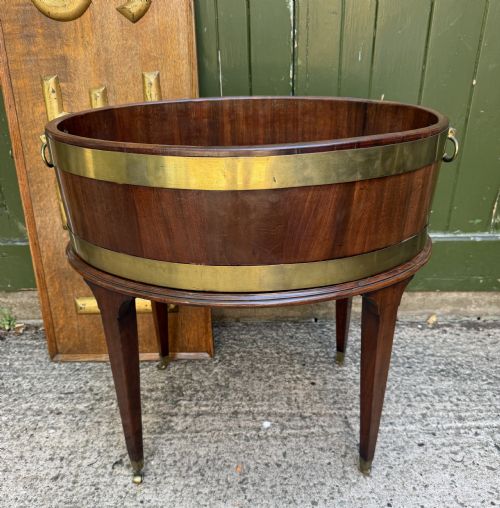
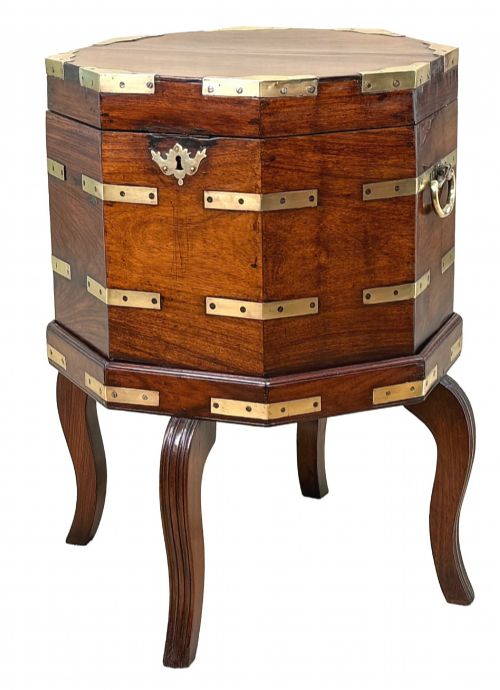
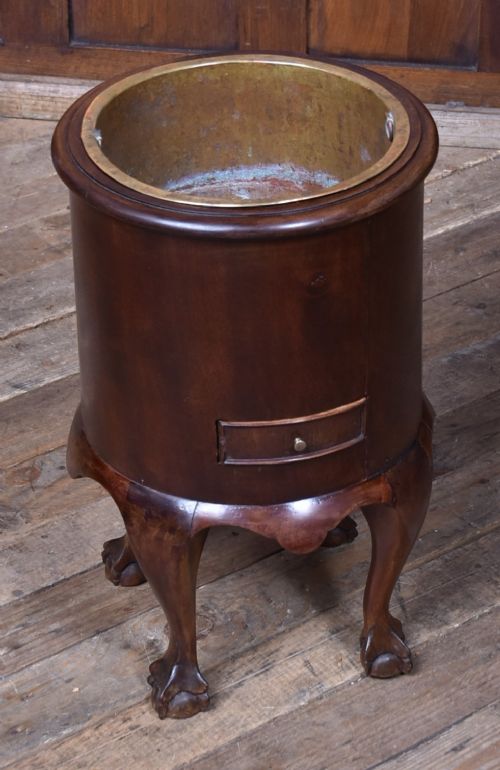
The forms appearing on this page include oval wine coolers, cellarettes, and cellarettes on original stands. Most examples present a mahogany construction, often utilising flame mahogany to create varied grain patterns. Buyers will frequently encounter versions supported by dedicated stands, which elevate the heavy storage body off the floor.
The origins of these pieces trace back to domestic dining customs where wine required proximity to the table. The surviving examples recorded here demonstrate the standard forms produced by cabinet makers during the Georgian era. Each piece serves the dual purpose of bottle containment and architectural presence within a period interior.
How They Were Made
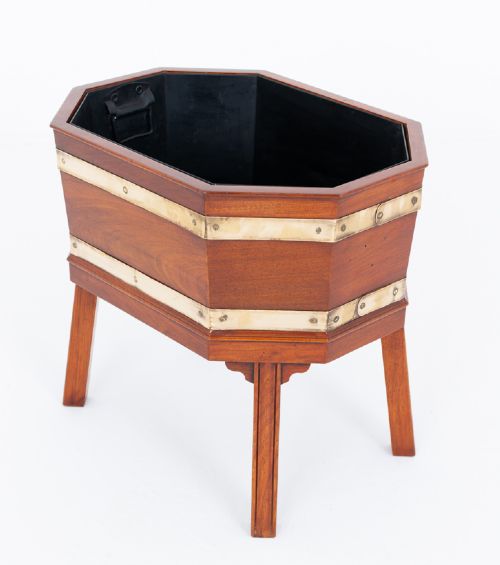
Makers constructed these vessels from solid timbers and veneers, relying heavily on mahogany and flame mahogany for the exterior surfaces. Cabinet makers shaped the wood to form oval or straight-sided bodies, sometimes banding the construction with brass hoops. This combination of timber and metalwork provided structural strength to containers that held heavy liquids.
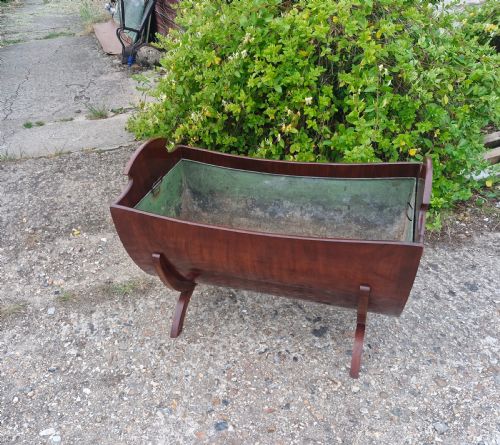
Internal arrangements often incorporated zinc linings to hold ice and water safely without damaging the surrounding wood. Artisans fitted metal bands and handles to secure the joints and allow for lifting. The accompanying stands were joined to match the timber of the main body, completing the ensemble.
Retail Price Guide 2026
Typical UK retail prices for cellarette on stand, calculated from the Sellingantiques database of over a million retail prices indexed since 2003. This retail price guide relies exclusively on Sellingantiques data; no external sources or auction records are used, so the figures do not describe the wider market.
The recorded objects encompass both freestanding cellarettes and vessels mounted upon their original wooden stands.
What Varies in Quality
The distinction between standard examples and superior pieces rests in the selection of timber and the integrity of the stand. Flame mahogany veneers display greater figure and depth on finer items, while simpler pieces utilise plain grain. The presence of the original stand significantly elevates the standing of a cellarette, as many bodies lost their supports over time.
Detailing in the brasswork and the precision of the cooperage reveal the hand of a skilled maker. Finer items exhibit careful integration of metal bands and secure internal zinc linings that complement the exterior design. The harmony between the cooler body and its supporting legs defines the upper tier of these objects.
The Antique Cellarette on Stand Glossary
- Cellarette
- A lockable container used for storing wine bottles in the dining room. These vessels often include internal divisions to keep bottles separated.
- Wine cooler
- A large container lined with metal to hold ice for chilling bottles during a meal. They share similar forms with cellarettes.
- Flame mahogany
- A timber veneer displaying a distinct, rippled flame pattern caused by the grain configuration of the wood. Cabinet makers used it on prominent surfaces.
- George III
- The period of British history spanning from seventeen sixty to eighteen twenty. Furniture from this era often displays classical proportions and refined joinery.
- Zinc lining
- A protective metal interior inserted into the wooden body to hold water and ice. This prevented rotting of the surrounding timber.
Frequently Asked Questions
What is an antique cellarette on stand?
An antique cellarette on stand is a dedicated timber vessel designed to store and cool wine bottles during formal dining. These pieces elevate the storage container on a matching wooden base.
The form dates primarily to the Georgian period, serving both a practical function for hospitality and an aesthetic role in the dining room.
How were these coolers used?
These vessels were placed near the dining table to keep wine bottles close at hand during long meals. Servants filled the interiors with ice and water to chill the contents.
The lockable lids also ensured that expensive vintages remained secure between meals.
Are the stands usually original?
Many surviving bodies became separated from their original bases over the centuries, making matching stands notable. Listings specify when a piece retains its original stand.
Pieces with authenticated original stands carry greater historical integrity for collectors of Georgian furniture.
What materials are typical?
Mahogany is the primary timber seen in these listings, frequently utilised as solid wood or figured veneer. Brass banding and handles appear regularly to reinforce the wooden staves.
Interiors typically feature zinc linings to manage ice and melted water without harming the timber structure.
How do I date a cellarette?
Dating relies on the stylistic characteristics of the woodwork and the historical period of manufacture, such as the Georgian era. The evidence points to pieces originating around eighteen hundred and the late eighteenth century.
Construction methods and timber selection further assist in placing the object within its historical timeframe.