


Antique Catholic Sculpture
These antique catholic sculpture pieces range from late medieval church figures to devotional carvings, bringing centuries of sacred devotion and hand-carved artistry into your home.
Antique Catholic Sculpture
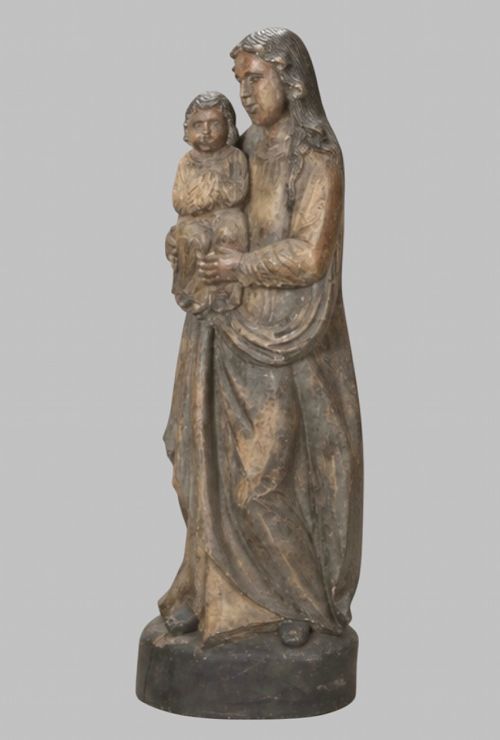
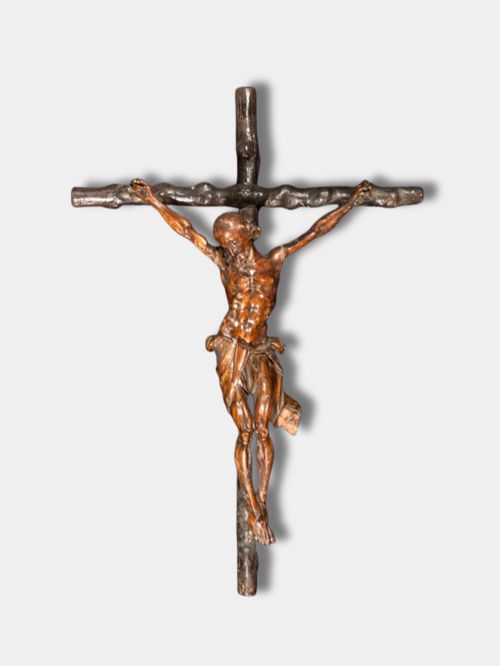
When you search for antique catholic sculpture, you encounter sacred figures and devotional objects spanning from the pre-sixteenth century through to the twentieth century. These works primarily depict holy personages including the Madonna and Christ Child, corpus Christi figures, and various saints such as Saint Anthony of Padua, Saint Barbara, and Saint Roche.
The objects take diverse forms ranging from large church carvings and architectural statuary to smaller devotional shadowboxes and figures meant for private prayer. You meet works executed in styles such as Gothic, Baroque, Spanish Baroque, and Gothic Revival, reflecting the changing artistic tastes of religious patronage across centuries.
Among the pieces available, nineteenth century statues and carved wood devotional figures appear most frequently. These span from Italian folk art pieces to elaborate Spanish and German works, offering a broad view of historical ecclesiastical craftsmanship.
What varies in quality
The preservation of original surface treatments, such as early polychrome and gold leaf, significantly influences the standing of a piece. Retaining these historic finishes without heavy overpainting points to careful historical stewardship.
Saint Roche often brings his faithful hound along in carved wood, reminding us that even medieval saints appreciated good canine company.
George Kemper·Bohumil Kafka
The Antique Catholic Sculpture Glossary
- Corpus Christi
- The body of Jesus Christ depicted on a crucifix, focusing on the figure separate from or attached to the cross.
- Polychrome
- A term describing objects decorated in multiple colours, frequently applied over gesso or wood in religious statuary to create lifelike appearances.
- Giltwood
- Wood that has been coated with thin gold leaf or gold powder, used extensively on Baroque and ecclesiastical altar pieces and figures.
- Gesso
- A plaster mix applied to wood surfaces as a smooth base for painting and gilding.
- Parianware
- A fine-grained, unglazed porcelain resembling white marble, developed in the nineteenth century for statuary and decorative figures.
- Santos figure
- A devotional figure, often carved from wood with articulated limbs or dressed in real textiles, used in Catholic worship and processions.
Antique Catholic Sculpture: Frequently Asked Questions
What are antique catholic sculptures?
These pieces are hand-carved or moulded religious works depicting saints, the Virgin Mary, and Jesus Christ, created for use in churches, convents, or private homes.
They serve as focal points for prayer and reflection, capturing the artistic and spiritual sentiments of their respective periods.
How were these sculptures used historically?
Communities placed them on altars, inside private chapels, and within domestic devotional spaces to aid in contemplation and worship.
Some figures, such as santos, were also dressed in textiles and carried in religious processions during feast days.
How should I live with wooden religious figures?
Place them away from direct sunlight and sudden humidity changes to protect the underlying wood and delicate polychrome or giltwood surfaces.
Allow them stable indoor conditions so the timber and historic paint layers remain secure over time.
How do I tell different periods apart?
Earlier pieces from the medieval and seventeenth-century periods often display heavier stylisation and deeper chisel work, rooted in Gothic or Baroque traditions.
Nineteenth-century and later works frequently show greater naturalism or revivalist tendencies, alongside the introduction of materials like terracotta and Parianware.