
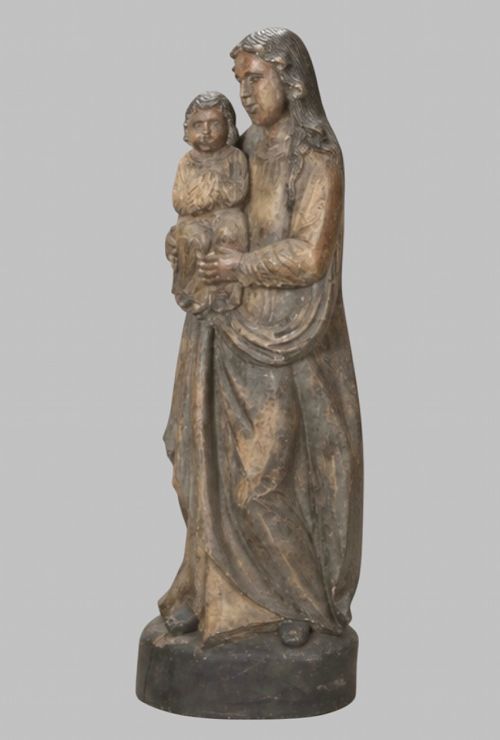
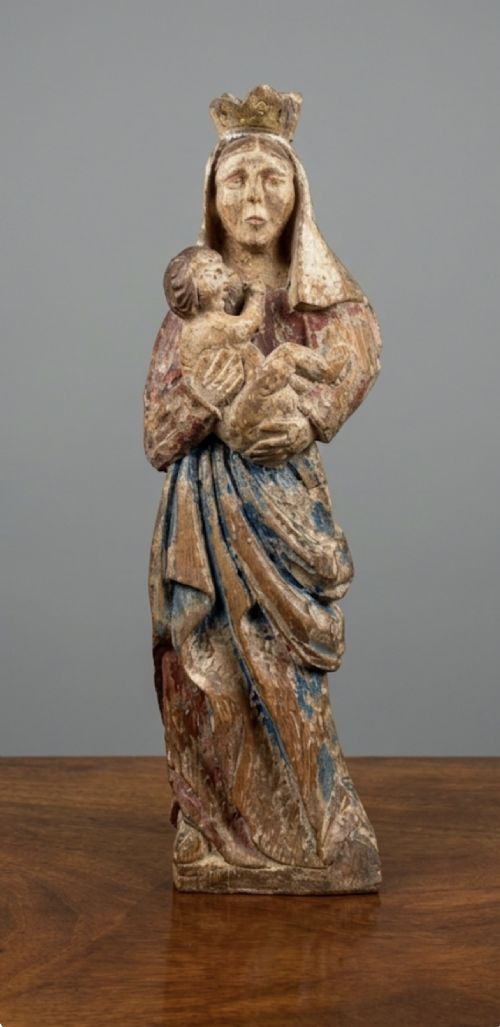


Antique Madonna Statue
An antique madonna statue brings centuries of devotion into a room, carved from oak, applewood or terracotta with the quiet gravity of European chapels.
Antique Madonna Statue
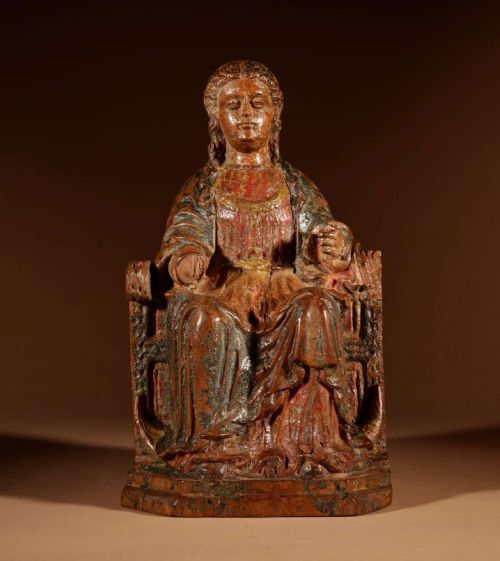
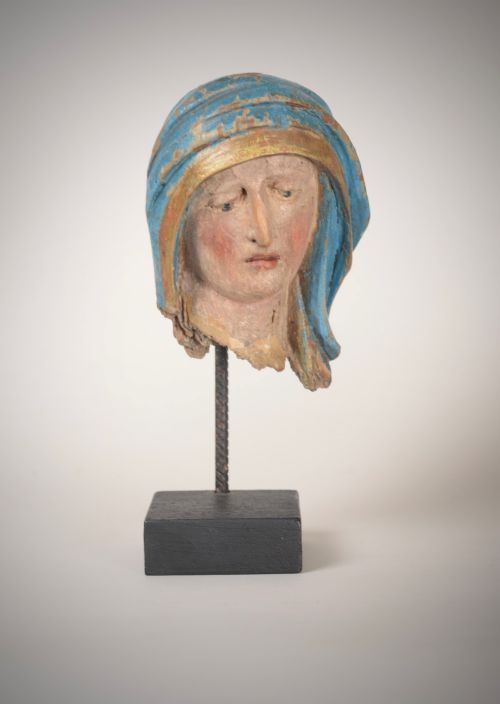
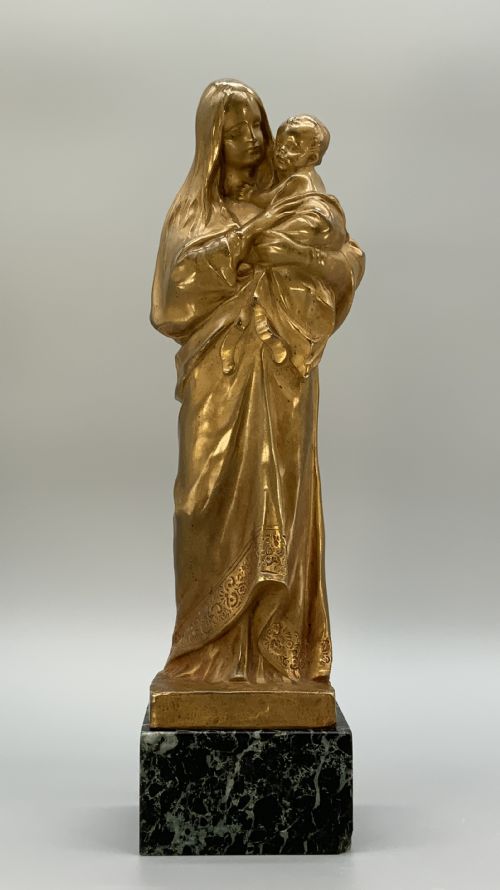
An antique madonna statue represents the Virgin Mary, frequently depicted with the Christ child, drawn from centuries of European devotional art. Buyers seeking an antique madonna statue encounter devotional figures spanning from pre-sixteenth century fragments to the early twentieth century.
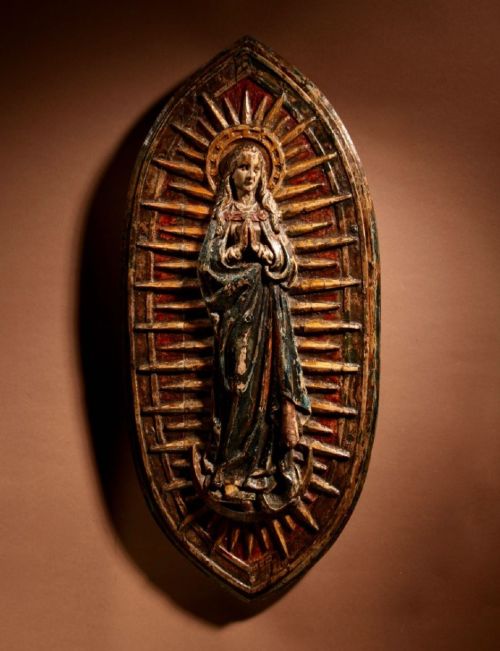
The forms range from seated walnut sculptures on thrones and oak altarpiece panels to large giltwood figures and terracotta sculptures. Pieces emerge in various configurations, including the Virgin of the Annunciation, Santos figures and depictions of Mary with musical putti.
Origins stretch across European traditions, incorporating styles from Gothic and Renaissance periods through to Baroque and Gothic Revival. These sculptures serve as sculptural focal points, wall sculptures and devotional figures designed for interior display.
Materials and construction
Carvers shaped these works primarily from hardwoods such as oak, walnut, applewood and unspecified carved wood, alongside terracotta and parianware. Artisans applied gesso to prepare wooden surfaces before adding paint, polychrome decoration or gold leaf to enhance the figures.
Techniques combine traditional wood carving with surface treatments like gilding and oil painting, evident in pieces such as the Globe de Marie and gilt bronze sculptures. The makers utilised the natural grain of oak and fruitwood to give depth to drapery and facial expressions.
Musical putti occasionally join the Madonna and child, bringing unexpected charm to solemn devotional scenes.
Quality factors
The survival of original surface treatments, whether polychrome paint, gesso or gold leaf, dictates the visual impact of a piece. Earlier examples retain historical integrity through period finishes and patination accumulated across centuries.
Hans Müller·George Kemper
The Antique Madonna Statue Glossary
- Polychrome
- Painted in several colours, a technique frequently applied to wooden sculptures to render garments and flesh tones with lifelike realism.
- Gesso
- A plaster mix applied to wood surfaces to create a smooth base for gilding and painting.
- Santos
- A devotional figure representing a saint or the Virgin Mary, often dressed in textiles or carved entirely of wood for religious processions and home altars.
- Giltwood
- Wood that has been coated with a thin layer of gold leaf or gold paint, creating a luminous surface.
- Putti
- Depictions of small winged infants, often appearing alongside religious figures in Renaissance and Baroque compositions.
Antique Madonna Statue: Frequently Asked Questions
How old are these sculptures?
The pieces span from pre-sixteenth century medieval works up to twentieth-century terracotta and carved figures. Each era brings distinct stylistic traits tied to Gothic, Renaissance or Baroque traditions.
Dates are determined through wood analysis, style evolution and the survival of original surface finishes like gesso and gold leaf.
What materials were used?
Makers relied heavily on carved wood, particularly oak, walnut and applewood, alongside terracotta, parianware and gilt bronze. Many wooden sculptures received layers of gesso, paint and polychrome decoration.
Surviving surfaces show how artisans combined carving with gilding to create rich devotional objects for churches and domestic shrines.
How were they displayed?
Devotional figures originally stood upon altars, within church panels or inside domestic spaces for private prayer and contemplation. Wall sculptures and freestanding figures formed integral parts of larger architectural schemes.
Today, collectors place them as focal art pieces on mantels, tables or mounted securely on walls.
What is a Santos figure?
A Santos figure is a carved representation of a saint or the Virgin Mary used in religious devotion and processions. These figures often feature articulated limbs or simplified bodies intended to be dressed in textiles.
In the marketplace, solid wood Santos figures appear alongside traditional sculptural statues.