




Carved Gilt Wood Sculpture
These pieces of carved gilt wood sculpture bring warmth and rich texture to a room, ranging from ecclesiastical figures to architectural ornaments.
Carved Gilt Wood Sculpture
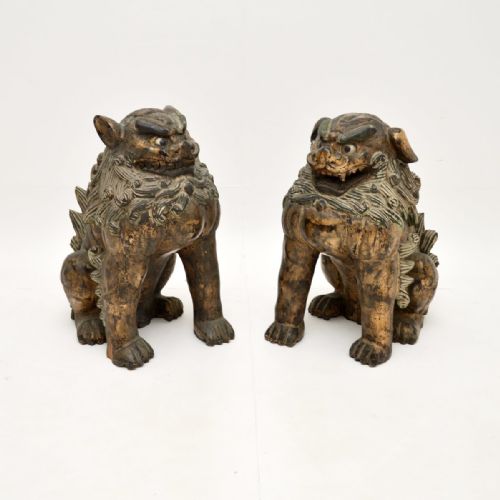
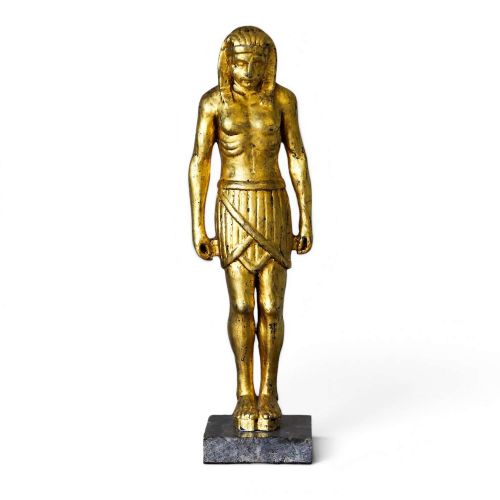
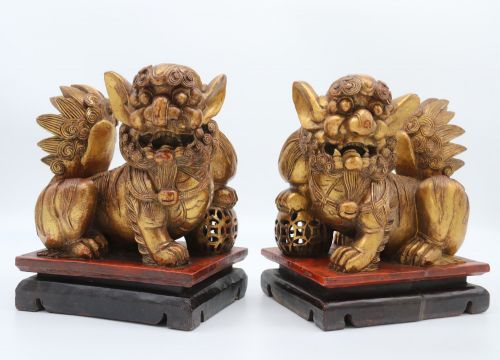
A carved gilt wood sculpture is a wooden figure or decorative object finished with gold leaf, often applied over a prepared gesso ground. When looking for a carved gilt wood sculpture, a buyer encounters forms that span centuries, including religious statues, mythological figures, and decorative animals. The pieces originate from diverse traditions across Europe and Asia, reflecting distinct regional aesthetics and periods.
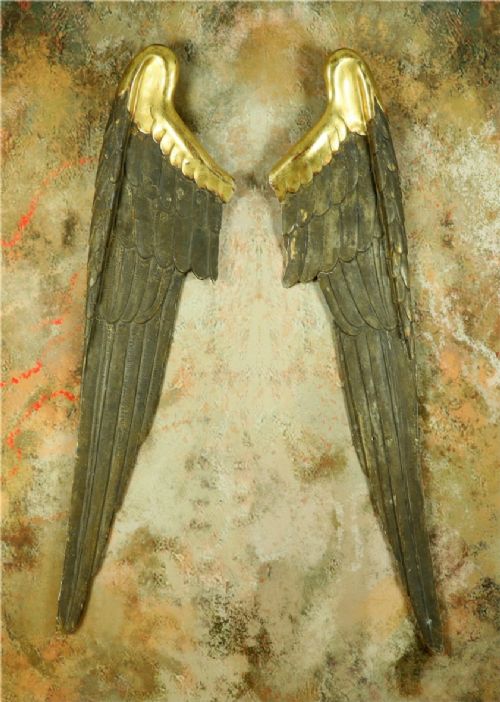
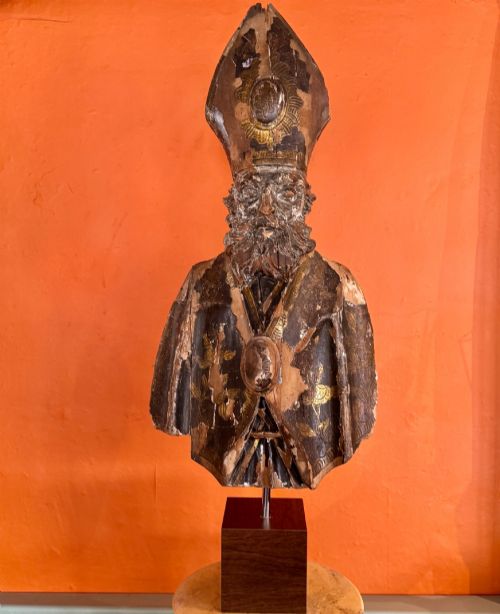
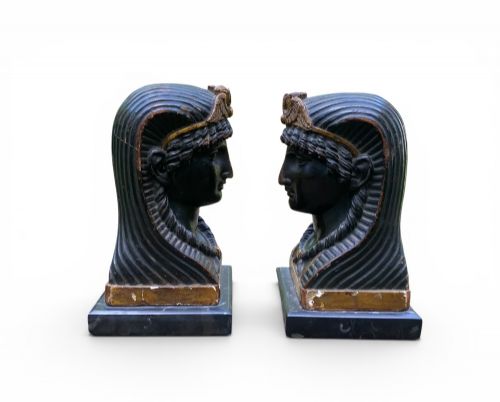
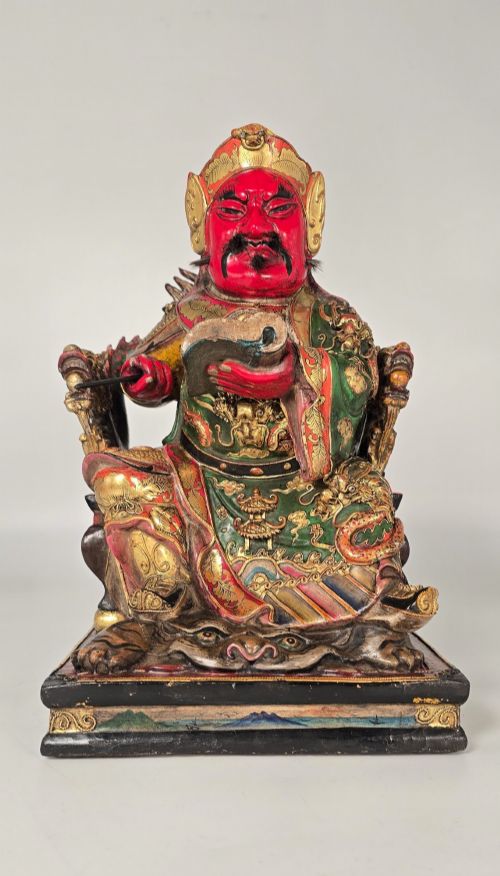
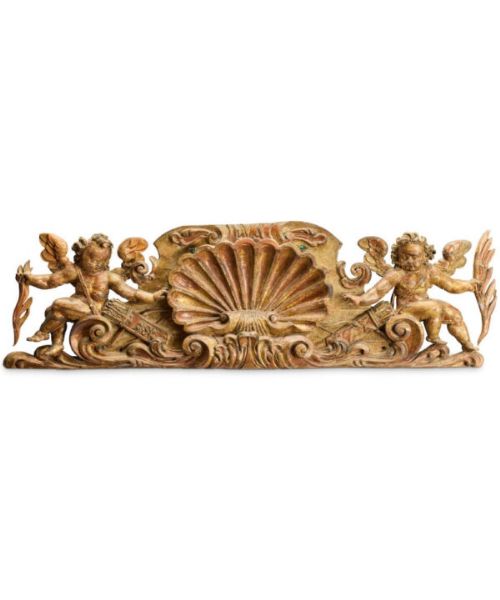
The selections available here frequently include figures of saints, angels, and deities alongside decorative elements like sphinxes, cherubs, and architectural fragments. European works often display influences from Baroque, Neoclassical, and Regency styles, while Asian pieces showcase traditions from China, Japan, and Burma. These objects served various functions, from devotional altarpieces and temple guardians to grand tour souvenirs and opulent interior furnishings.
How They Were Made
Artisans carved these works from various woods such as limewood, pine, and hardwoods, depending on the regional source and the desired level of detail. The carved wooden base received a smooth layer of gesso, a mixture of plaster and glue, which provided a stable ground for gilding and paint. Artisans then applied thin sheets of gold leaf to the prepared surface, sometimes burnishing it to a high shine or leaving it with a matte finish.
Many pieces combined gilding with polychrome paint, introducing colour to faces, garments, and naturalistic details. Lacquer also appears on Asian works, offering a durable and lustrous finish alongside gold leaf. Parcel-gilt techniques left areas of the exposed wood or painted surface visible beneath the gold, creating contrast and depth in the ornament.
Materials recorded across these items include gold leaf, limewood, pine, gesso, lacquer, and polychrome paint.
What Varies in Quality
The application and preservation of the gesso and gold leaf also dictate the visual strength of the object. High-quality gilding shows thoughtful burnishing and harmonious integration with any underlying polychrome paint or exposed wood. Pieces that retain their original surface layers without heavy modern interventions hold greater integrity for collectors.
Thomas Hope
The Carved Gilt Wood Sculpture Glossary
- Gesso
- A preparation mixture consisting of a binder mixed with chalk, gypsum, or pigment, applied to wood to create a smooth surface for gilding.
- Gold Leaf
- Gold beaten into extremely thin sheets used for gilding surfaces, creating a reflective and opulent finish.
- Polychrome
- The practice of decorating architectural elements, sculptures, or pottery in a variety of colours.
- Parcel-gilt
- An object or surface that is only partially gilded, leaving portions of the underlying material or paint exposed.
- Putto
- A figure of a small infant, frequently winged, appearing in artistic works from the Renaissance onwards.
Carved Gilt Wood Sculpture: Frequently Asked Questions
How were these sculptures originally used?
Many of these pieces served devotional purposes in churches, temples, and private chapels as figures of saints, deities, and angels. Others functioned as secular decorative items in grand interiors, including architectural pediments, wall plaques, and lamp conversions.
Over time, objects created for religious spaces entered secular collections, particularly during periods like the Grand Tour when travellers acquired souvenirs across Europe and Asia. Their roles shifted from objects of worship or architectural structure to prized elements of interior display.
What is parcel-gilt wood?
Parcel-gilt wood describes a carved object where only specific areas are covered in gold leaf, leaving the rest of the wooden or painted surface visible. This technique creates visual contrast between the gleaming gold and the warm tones of the wood or polychrome paint.
Craftsmen utilised this method to highlight intricate details, such as garments, hair, or architectural motifs, without covering the entire piece in gold. It allows the natural texture of the carved wood to work alongside the reflective quality of the leaf.
How should I care for a gilt wood sculpture?
Gilt wood surfaces require a stable indoor environment away from direct sunlight, excessive moisture, and rapid temperature fluctuations. Dusting should be done gently with a soft, dry brush to avoid disturbing fragile gold leaf and gesso.
Water and chemical cleaning agents must be avoided entirely, as moisture penetrates the gesso layer and causes lifting or flaking. Professional conservation is recommended if the surface shows signs of instability or loss.