
Antique Carved Monk
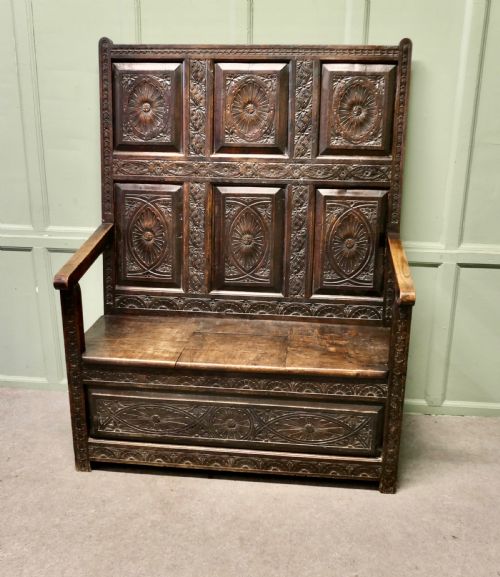
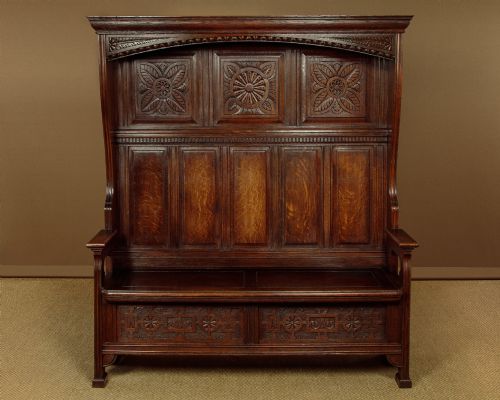
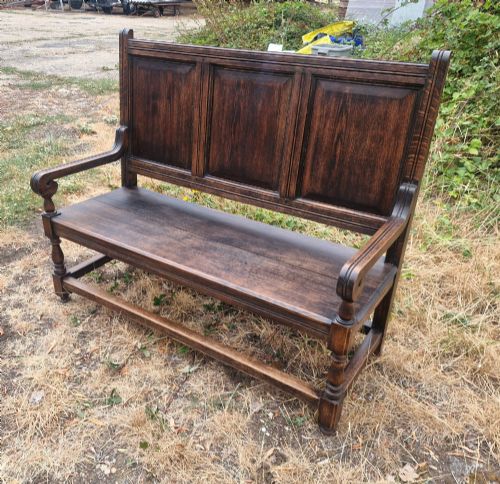
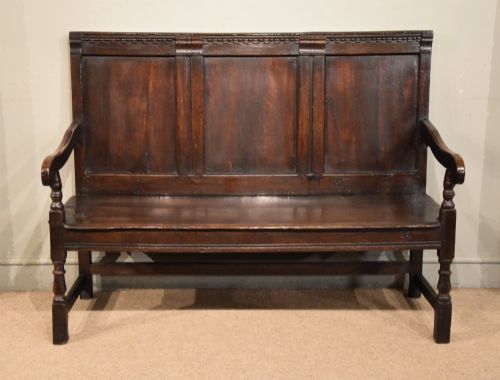
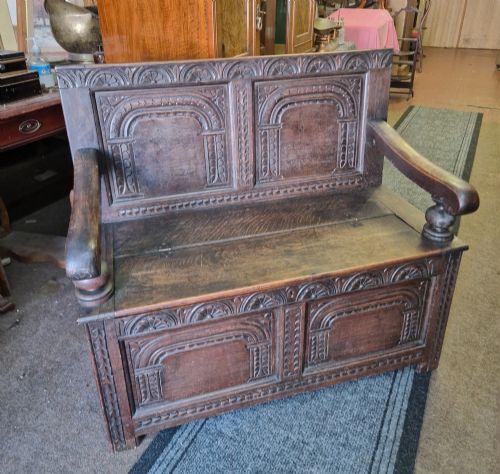
When searching for an antique carved monk, collectors uncover robust oak settles and folding benches that double as tables alongside figurative wooden studies.
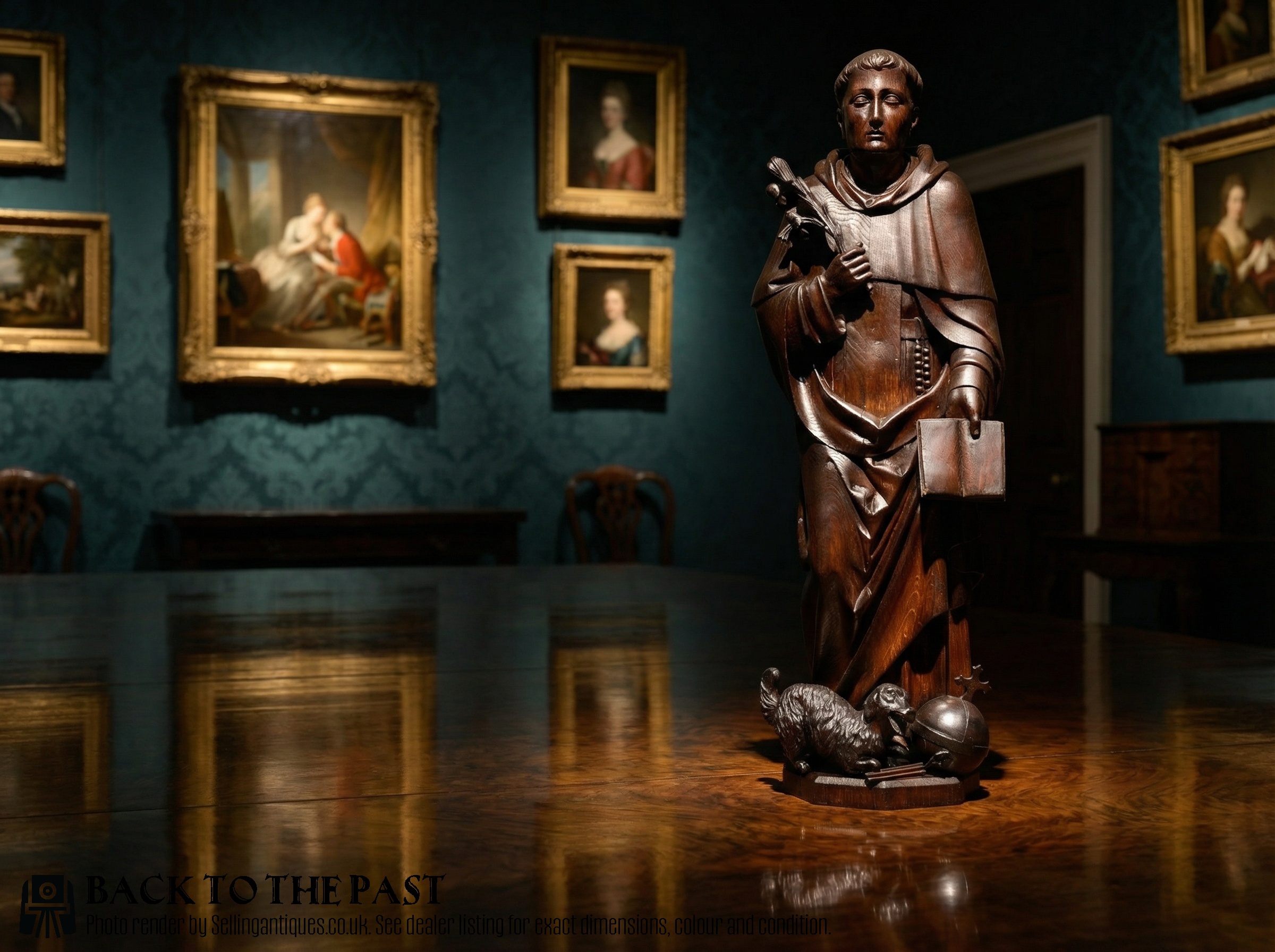
Antique Carved Monk
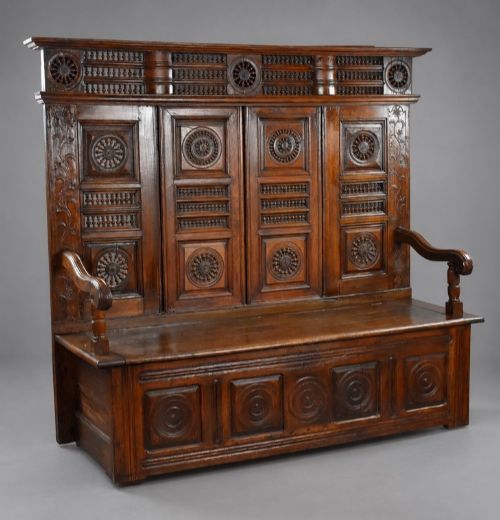
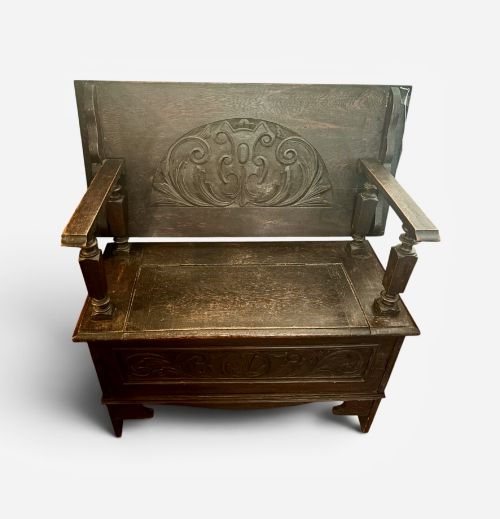
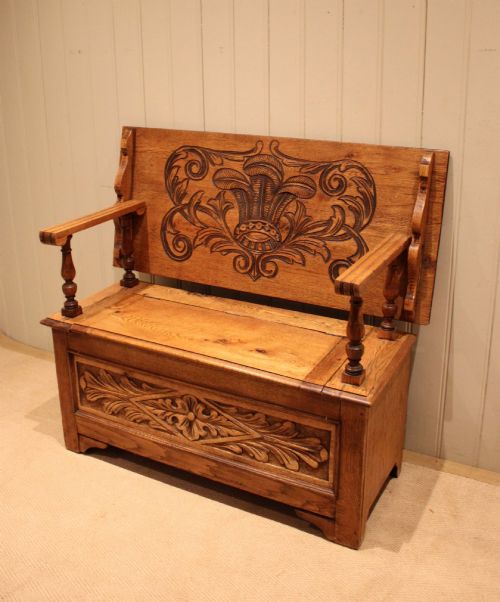
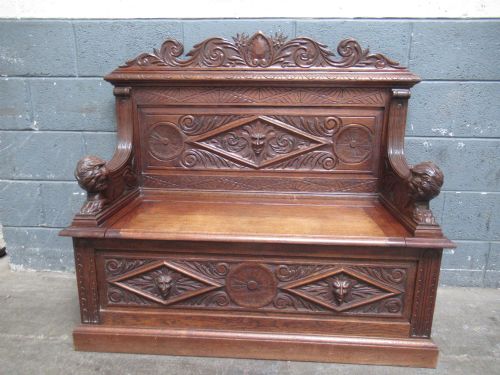
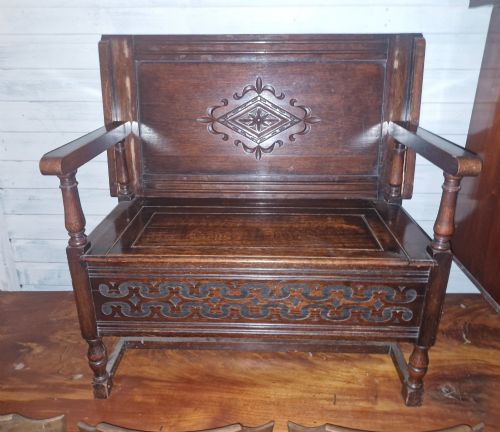
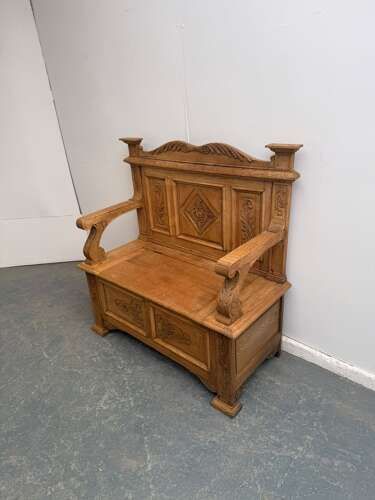
The antique carved monk pieces most frequently met on this page are sturdy oak settles, hall benches, and convertible furniture often termed monk's benches.
These items typically feature high panelled backs, lift-up seat storage, and clever folding tabletops designed for domestic utility in earlier centuries.
Origins span English country workshops, continental European revivals, and regional vernacular traditions dating from the seventeenth century through to the Edwardian era.
Materials and Technique
Solid oak serves as the primary structural material, worked with traditional tongue-and-groove joinery, panel framing, and heavy timber pegging.
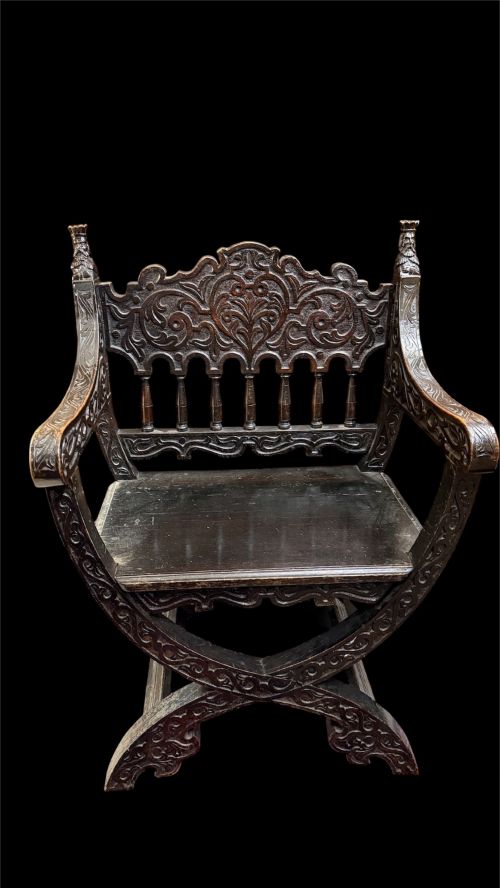
Carving techniques display deep relief work, utilising motifs such as stylized foliage, linenfold panels, and striking green man masks across the backrests and aprons.
Finishes rely largely on historic wax polishing that highlights the dense grain of the wood alongside occasional polychrome or gesso details on figurative studies.
Listings feature solid oak, brass, iron, and fabric across periods spanning the seventeenth century through to the Edwardian era.
Gradations in Quality
Quality rests upon the crispness and depth of the timber carving, distinguishing flat, mechanical decoration from spirited, hand-rendered relief work.
Proportion and structural integrity dictate value, with smaller, well-balanced box settles commanding attention over clumsy later adaptations or heavily altered timber frames.
The preservation of original hinges, pegged joints, and untouched aged patination separates ordinary utility pieces from superior examples of historic cabinetmaking.
The Antique Carved Monk Glossary
- Settle
- A wooden bench with a high back, solid armrests, and frequently a box seat for storage. This form kept draughts away from inhabitants in large, cold rooms.
- Monk's Bench
- A convertible piece of furniture featuring a hinged top that folds down to transform the backrest into a table surface. It offered versatile dual-purpose utility in compact spaces.
- Green Man
- A sculptural architectural ornament depicting a human face disgorging or entwined with foliage. It symbolizes rebirth and springtime in historic woodwork.
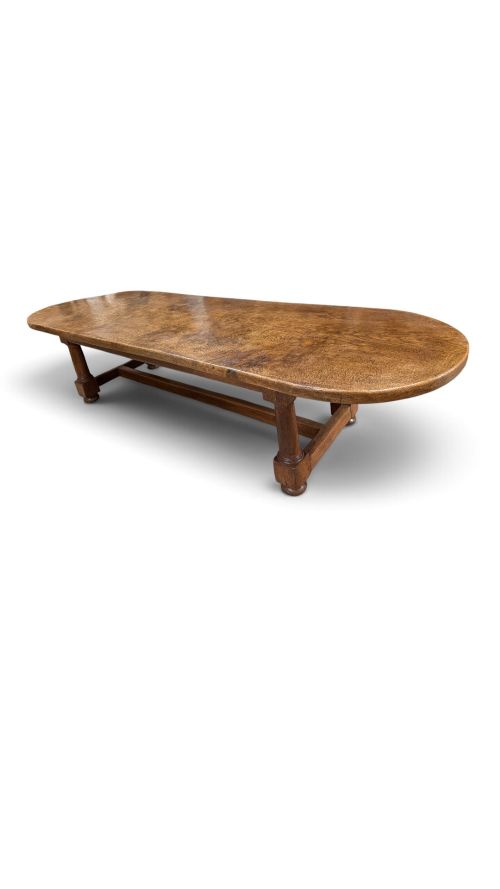
- Refectory Table
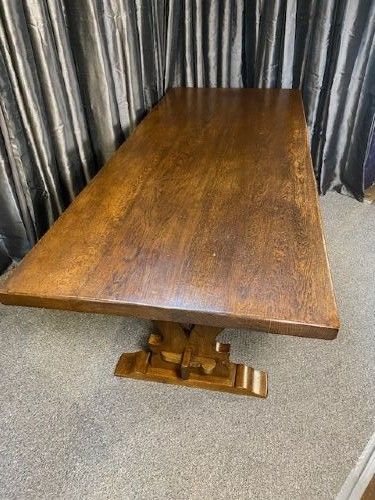
- A long, narrow dining table traditionally used in monastic refectories for communal meals. Surviving examples demonstrate robust stretchers and heavy timber construction.
- Jacobean Revival
- A nineteenth-century stylistic movement imitating the ornate, sturdy aesthetic of early seventeenth-century English design. Makers utilised heavy oak and geometric mouldings to achieve this effect.
Antique Carved Monk: Frequently Asked Questions
What is an antique monk's bench?
A monk's bench is a dual-purpose wooden seat featuring a hinged back that folds flat to create a small table surface.
Historically used in compact domestic spaces, these pieces combined seating with a convenient surface for dining or working.
How do I use a hall settle at home?
Hall settles function effectively in entrance hallways, providing a structural seating option alongside concealed under-seat storage for everyday items.
Their high panelled backs also help block draughts near doorways while anchoring a room's decorative scheme.
How can I date an oak settle?
Dating relies on examining construction methods, such as hand-cut peg joints, tool marks, and the wear patterns on the timber surface.
Earlier pieces from the seventeenth century exhibit simpler, heavier framing, whereas Victorian examples often incorporate revival styles and machine-sawn elements.
What is a green man carving?
A green man carving is a decorative mask surrounded by or sprouting foliage from its mouth, nose, or ears.
Frequently found on nineteenth-century oak furniture, this ancient symbol represents the cycle of nature and agricultural renewal.