



Religious Antiques
Religious antiques bridge centuries of devotion, offering tangible fragments of sacred art and personal ritual for domestic and contemplative spaces.
Religious Antiques
Religious antiques encompass devotional objects and sacred art originating from domestic chapels, churches, and personal altars across Europe and beyond. When exploring religious antiques, buyers encounter a diverse array of forms ranging from oil paintings and carved wooden sculptures to small personal pendants and pyx boxes.
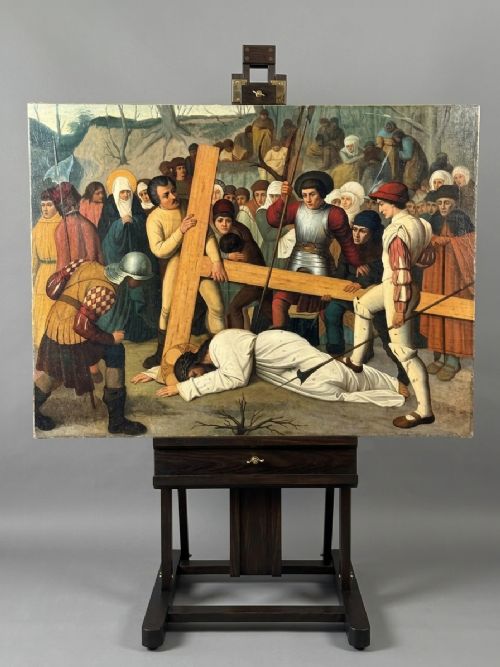
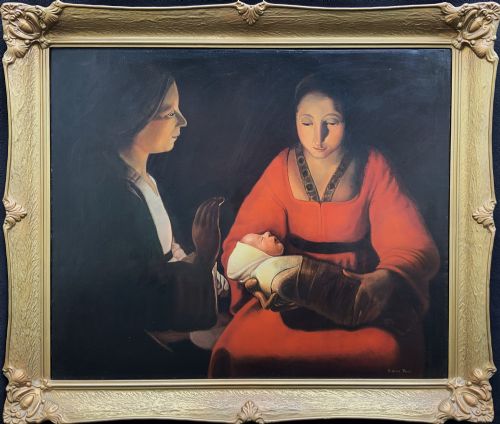
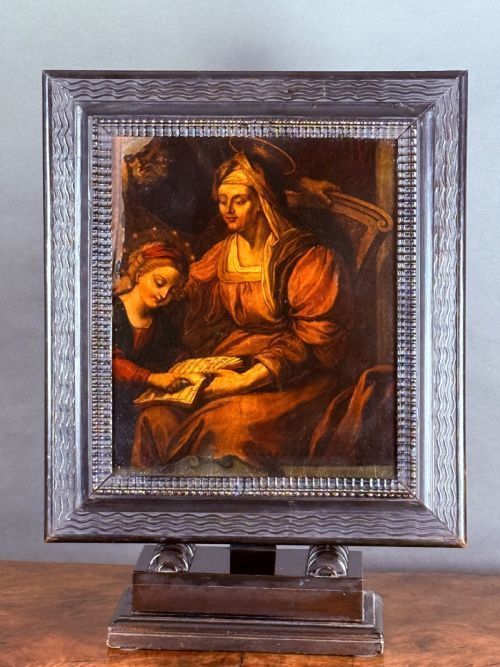
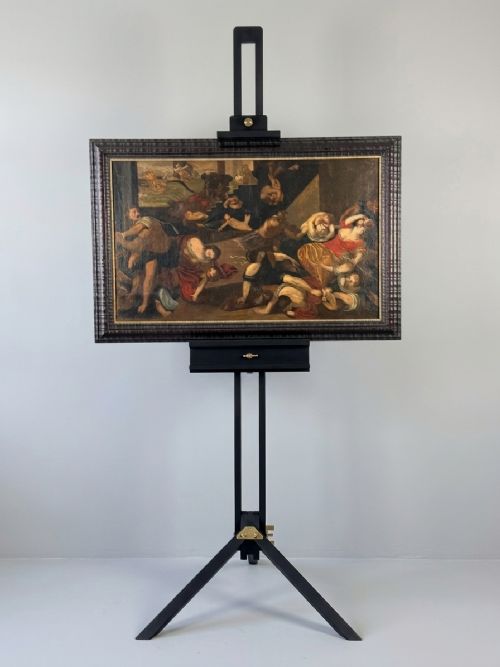
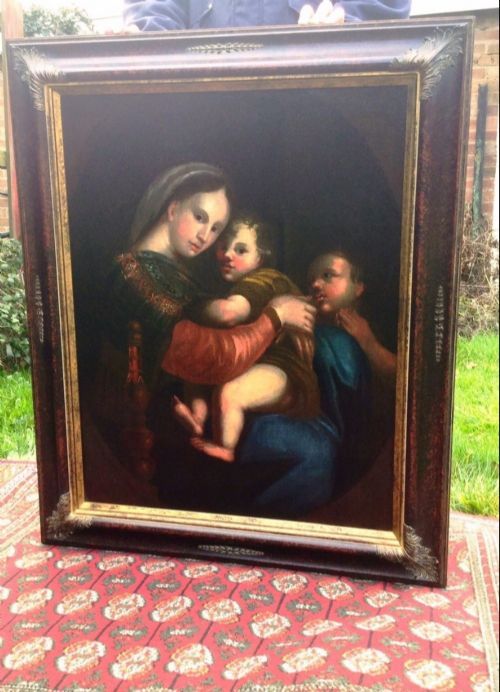
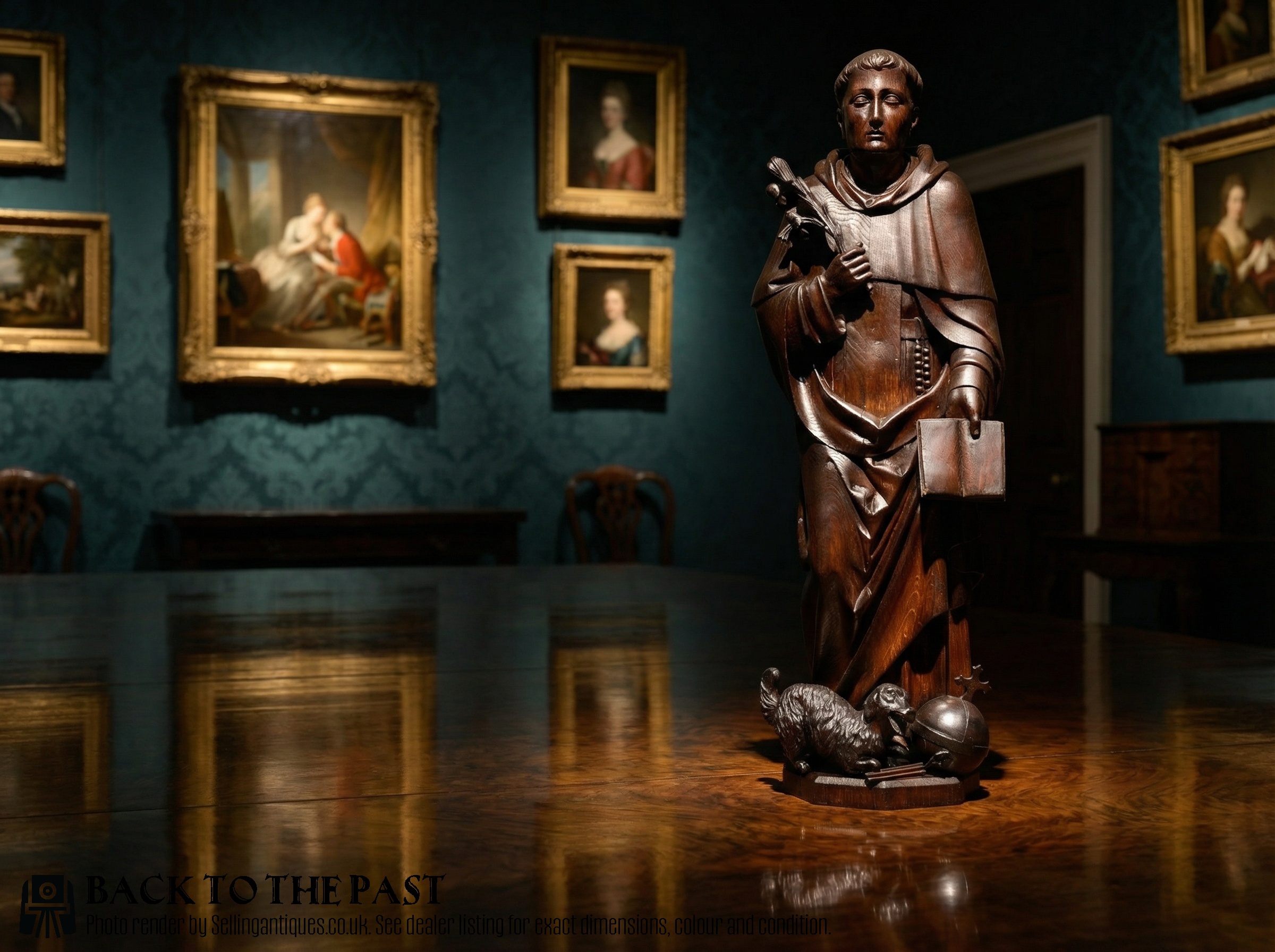
The selection on this page spans several centuries, with particular strength in pieces from the sixteenth through the nineteenth centuries. Examples include canvas depictions of saints and biblical narratives, carved oak figures, reverse glass mezzotints, and sterling silver liturgical vessels.
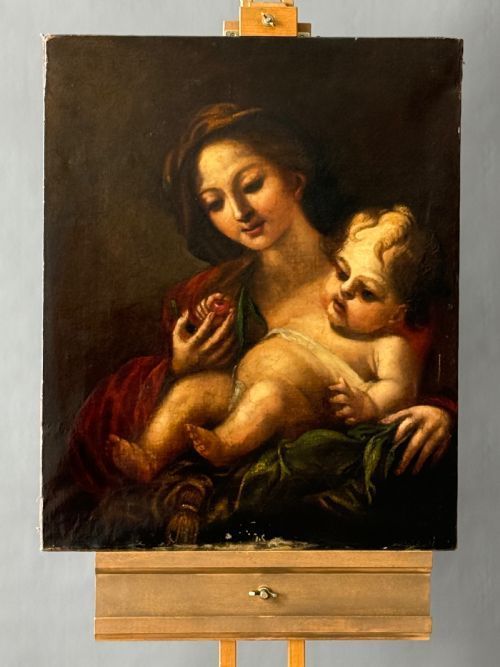
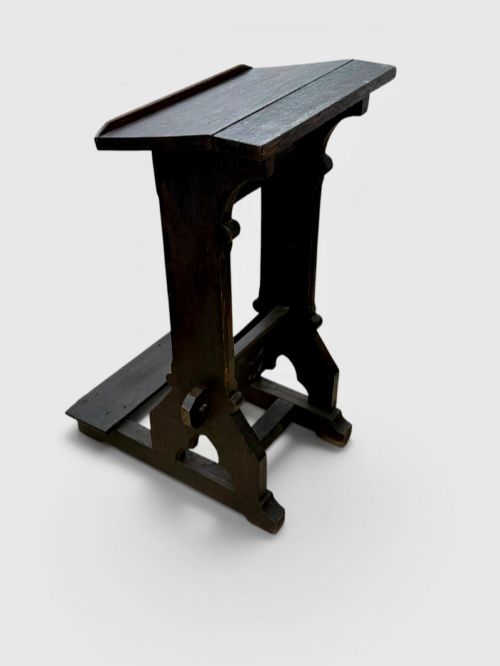
Domestic devotion finds expression in smaller items such as prayer desks, miniature portraits of the Madonna, and gold or silver crosses. Continental European workshops dominate the earlier periods, while later Victorian and twentieth-century examples reflect enduring ecclesiastical traditions.
Materials and Construction
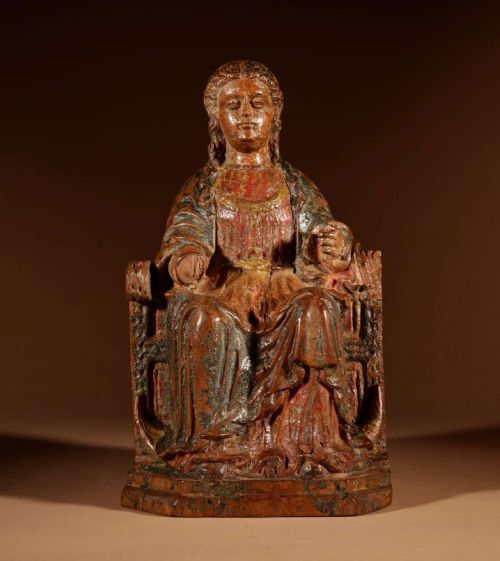
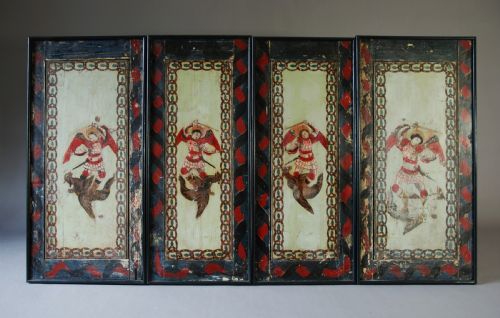
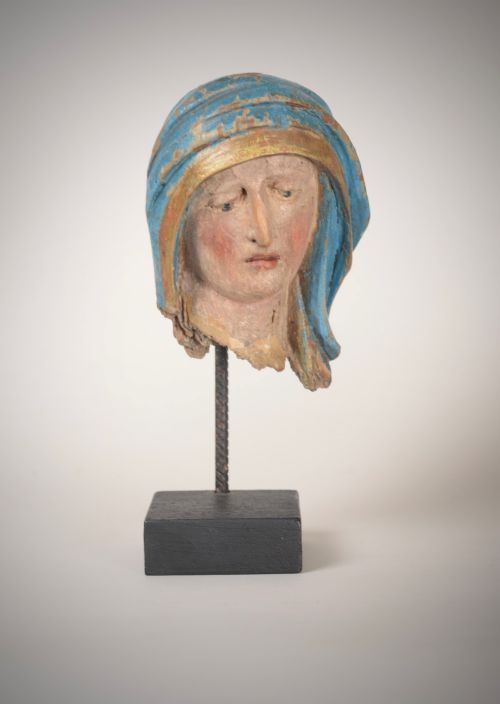
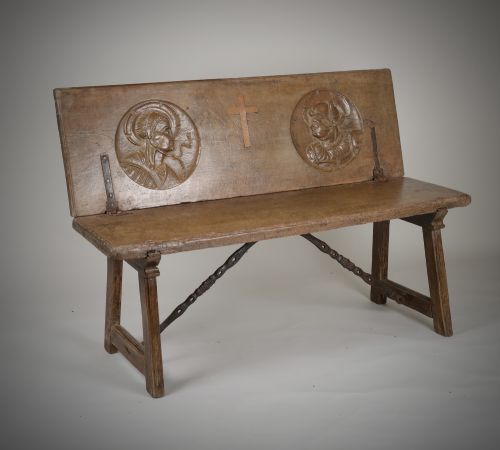
Wood serves as a primary medium, utilising durable timbers such as oak and walnut for large sculptures, panels, and furniture like prayer kneekers. Artisans often applied gesso and polychrome paint over carved wooden surfaces to achieve lifelike colour and detail on figures of saints.
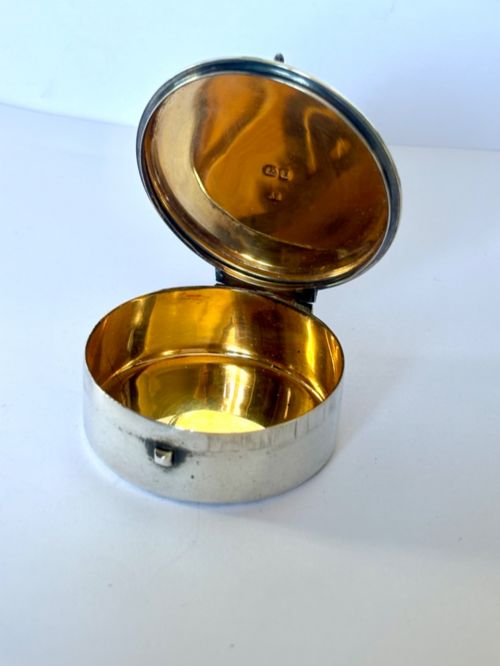
Canvas and paper support the extensive range of oil paintings, tempera icons, and engravings found in the collection. Metalwork traditions appear prominently in sterling silver gilt pyx boxes, brass lamps, and gold jewellery, frequently incorporating gold leaf and silver rizas.
Listings span eight distinct centuries and styles, featuring works in oil, canvas, gold leaf, and carved wood.
Evaluating Craftsmanship
Quality in these pieces rests upon the surety of the carving, the finesse of the brushwork, and the preservation of original surface finishes. Master-level paintings and sculptures display anatomical conviction and expressive depth, whereas simpler vernacular works rely on a naive charm.
The integrity of materials plays a significant role, distinguishing items retaining original gilding, polychrome pigment, and precious metals from those subjected to later overpainting or heavy restoration. Maker attribution, whether to documented silversmiths or regional schools, elevates the standing of an object.
F. Osbourne & Co London·Burns Oats & Washbourne·Heinrich Grünbaum·FA Barrett
The Religious Antiques Glossary
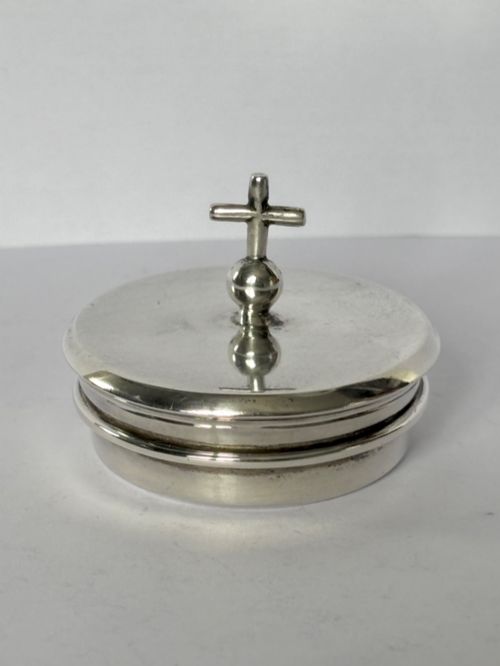
- Pyx Box
- A small round liturgical vessel used to carry the Eucharist. These are frequently fashioned from sterling silver with gilt interiors.
- Mezzotint
- A printmaking process of the intaglio family where tones are developed from dark to light. Reverse glass examples involve printing and hand-colouring behind glass.
- Gesso
- A paint mixture consisting of a binder mixed with chalk, gypsum, or pigment. It was applied to wood surfaces as a preparation for gilding or painting.
- Polychrome
- The practice of decorating architectural elements, sculptures, or pottery in a variety of colours. This finish is frequently historical and subject to gradual wear.
- Riza
- A protective metal cover placed over an icon, typically stamped or hammered in silver or gold. It leaves only the faces and hands of the figures visible.
Religious Antiques: Frequently Asked Questions
What are religious antiques?
Religious antiques are historical artefacts created for worship, private devotion, or liturgical use within various faith traditions. They include paintings, sculptures, icons, and ritual vessels.
These items reflect the spiritual artistic output of periods ranging from the Renaissance through the Victorian era and into the mid-twentieth century.
How do I date wooden religious carvings?
Dating wooden sculptures involves examining the tool marks, the choice of timber such as oak or walnut, and the natural oxidation of the material. Stylistic cues from periods like the Gothic or Renaissance also guide attribution.
Examination of underlying gesso and pigment layers provides further evidence of age and historical continuity.
Where should I place a devotional painting?
Devotional paintings suit calm spaces in the home where lighting highlights the pigments and canvas texture without causing degradation. Many collectors pair them with period furniture like prayer desks or oak panels.
Ensuring stable humidity and avoiding direct sunlight protects the oil and tempera mediums over time.