

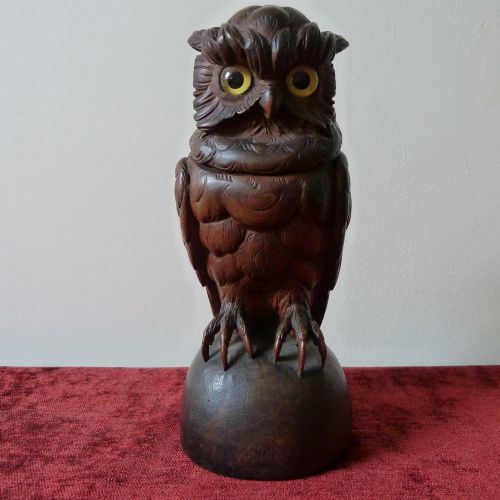


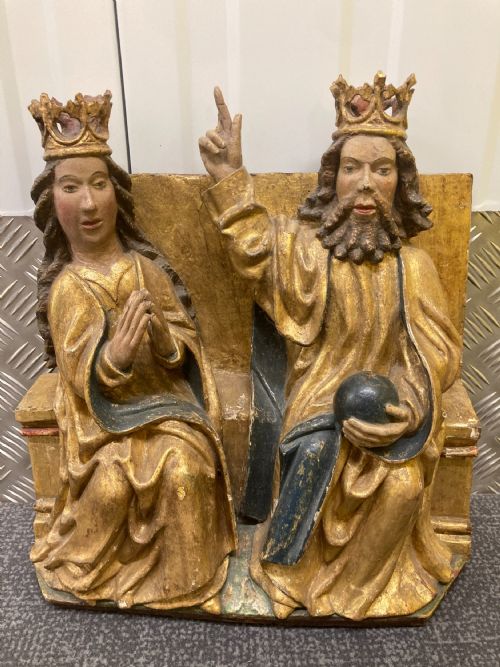


Gothic Carved Figure
These gothic carved figure pieces bring medieval and Renaissance devotion into a room through centuries-old timber and stone.
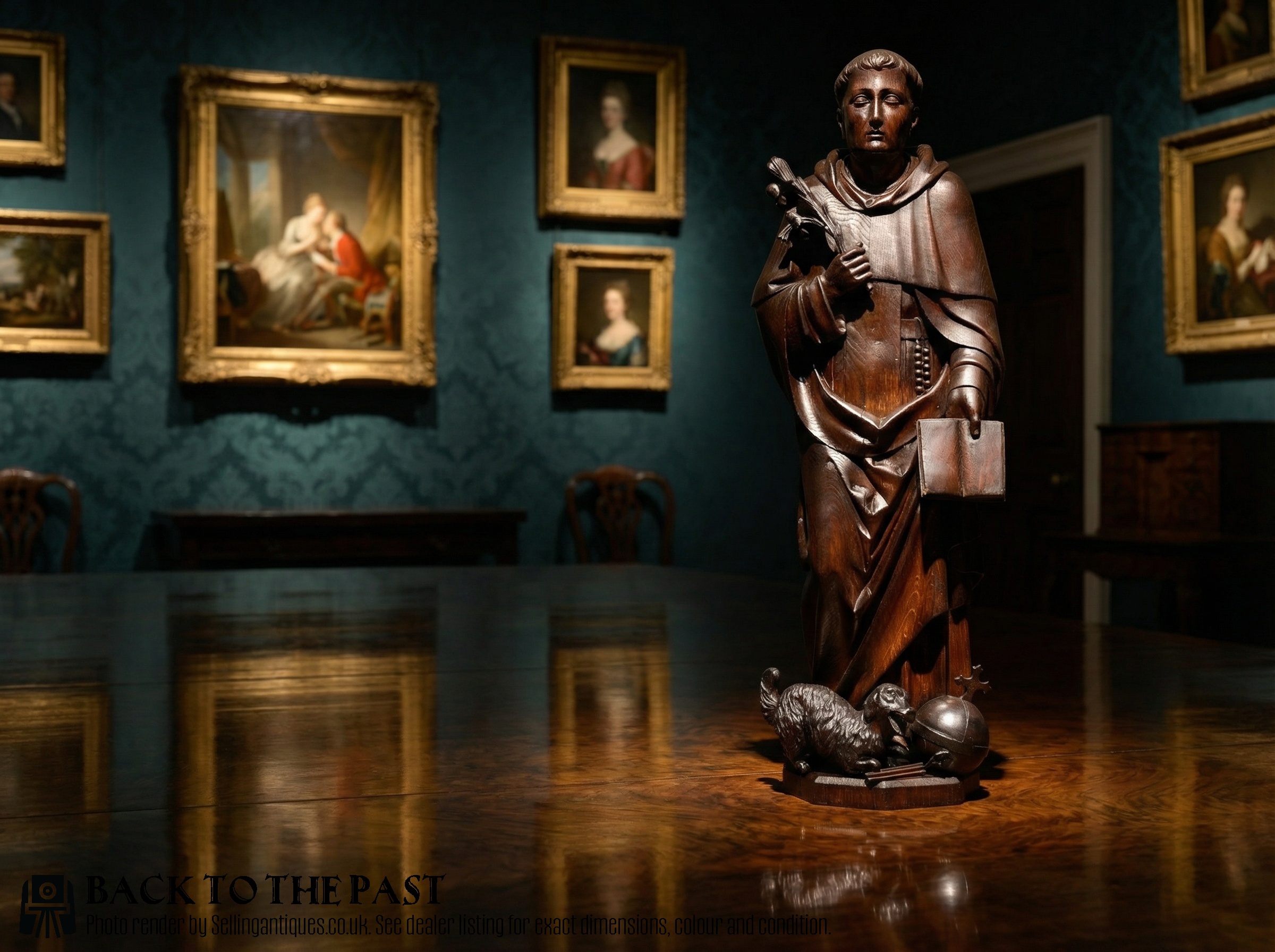
Gothic Carved Figure
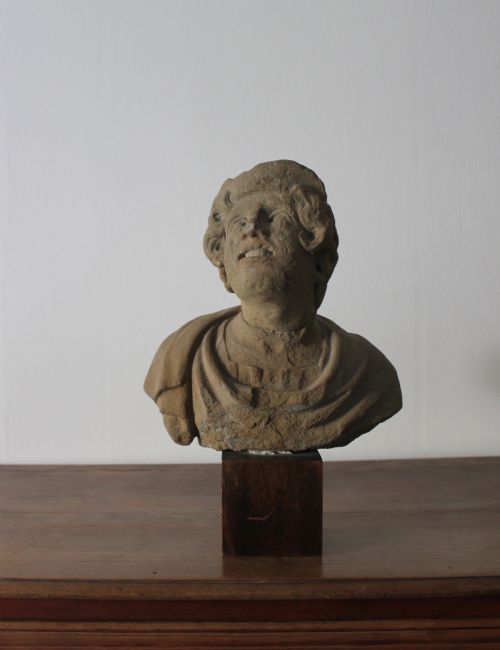
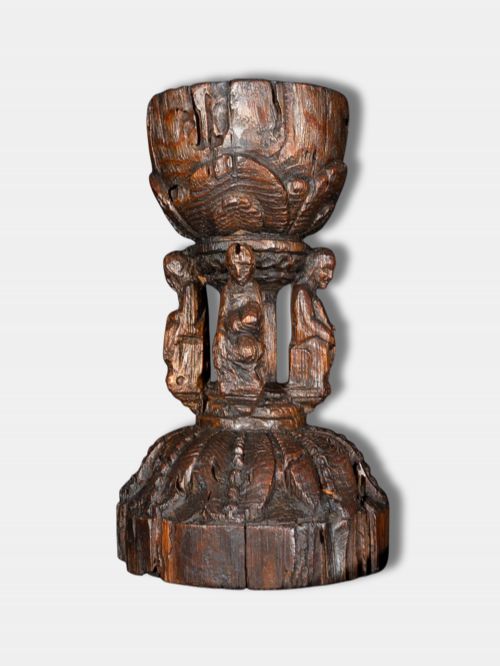
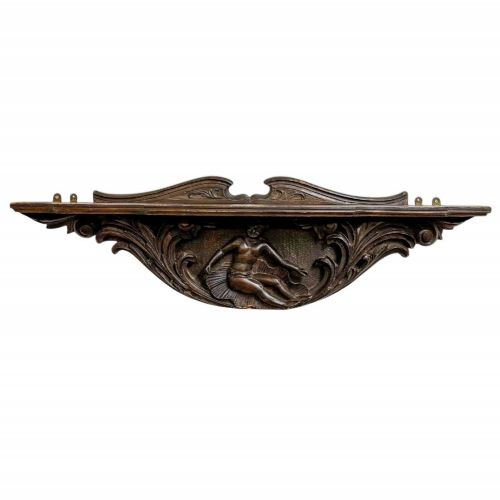
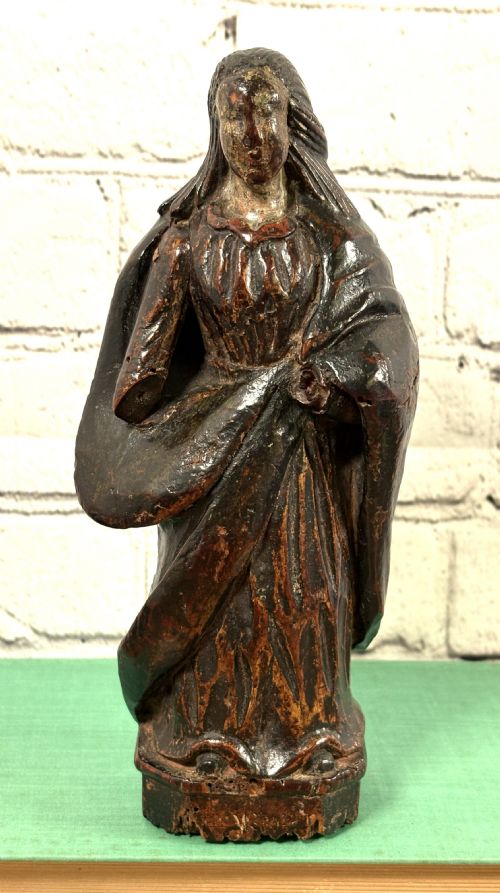
A gothic carved figure embodies centuries of religious and secular craftsmanship, spanning pre-sixteenth century medieval pieces to nineteenth-century revivals. Buyers encounter representations of saints, madonnas, angels, and architectural carvings originating from workshops across Europe.
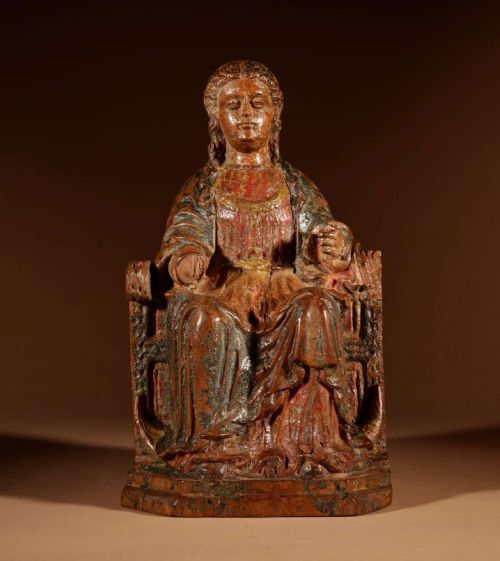
The selection on this page leans heavily toward sixteenth-century continental woodcarvings and nineteenth-century interpretations. Oak, limewood, and pine dominate the forms, capturing subjects such as the Virgin Mary, various saints, and mythical beasts like griffins.
These works function as focal points in an interior, bridging the gap between museum-quality ecclesiastic artefacts and domestic display pieces. Each sculpture carries the physical evidence of historical tool marks and the patina of age.
Materials and construction methods
Carvers utilised dense European hardwoods such as oak, walnut, and limewood, which allowed for intricate undercut details and durable structural integrity. Pine and softer woods also served as bases for polychrome and gilt surfaces.
Many early pieces received applications of gesso, gold leaf, and polychrome paint to enhance their visual impact in dim chapels and churches. Artisans shaped these forms using gouges, chisels, and adzes, leaving distinct tool textures across the timber.
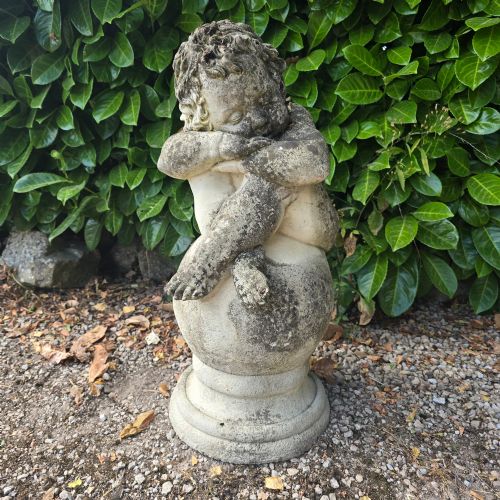
A sleeping cherub rests among the saints, proving that even stone and wood carvings needed a nap.
Distinctions in craftsmanship and preservation
Condition and originality dictate the hierarchy of these sculptures, distinguishing untouched period surfaces from heavily restored or later nineteenth-century revival copies. The crispness of the remaining chisel work reveals the sculptor's original intent.
The Gothic Carved Figure Glossary
- Polychrome
- Painted in several colours. This surface treatment was commonly applied to wood and stone sculptures during the medieval and Renaissance periods to add realism.
- Gesso
- A plaster-like mixture used as a base for paint and gold leaf on wood carvings. It created a smooth surface for detailed gilding and coloration.
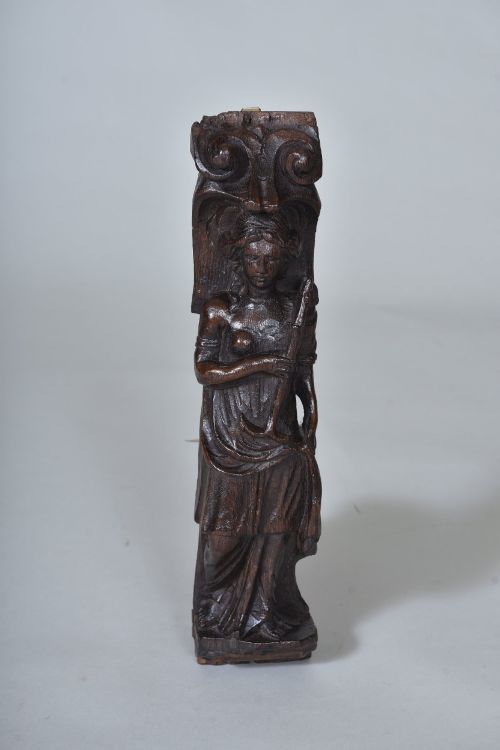
- Caryatid
- A carved architectural figure acting as a support column. These figures often appear in doorways, mantelpieces, and pedestals.
- Giltwood
- Wood that has been decorated with thin sheets of gold leaf. It provided a luminous appearance in ecclesiastical settings.
- Memento mori
- An artistic symbolic reminder of the inevitability of death. These objects often took the form of skeletal figures or skulls.
Gothic Carved Figure: Frequently Asked Questions
How do I date a wooden carving?
Dating relies on tool marks, wood species, style of dress, and the presence of original ground layers like gesso or polychrome paint.
Early pieces often display adze marks and wood shrinkage consistent with centuries of age, while later revivals imitate these traits with modern machinery.
Where were these figures originally placed?
Most ecclesiastical figures stood on altars, inside choir stalls, or within architectural niches of medieval churches and abbeys.
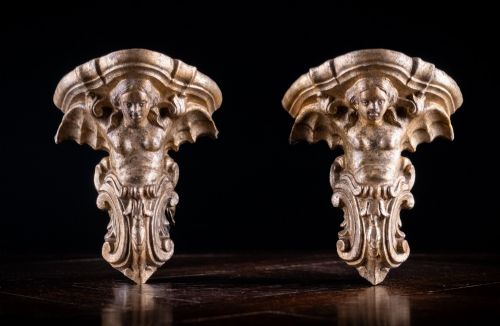
Smaller reliefs and brackets served domestic devotional purposes or decorated wealthy private chambers.
How should I clean an antique wood carving?
Dusting gently with a dry, soft-bristled brush is the safest method for maintaining historic wooden surfaces.
Water, chemical cleaners, and modern polishes must be avoided to prevent stripping fragile historical finishes and patinas.
Are painted surfaces original?
Many medieval and Renaissance carvings retain traces of their original pigment, though numerous pieces underwent later repainting.
Ultraviolet light and microscopic examination help determine whether the polychrome layer dates to the creation of the object or a later restoration.