


Brown Timber Saint Figure
These brown timber saint figure pieces bring centuries of devotion and craftsmanship into a room.
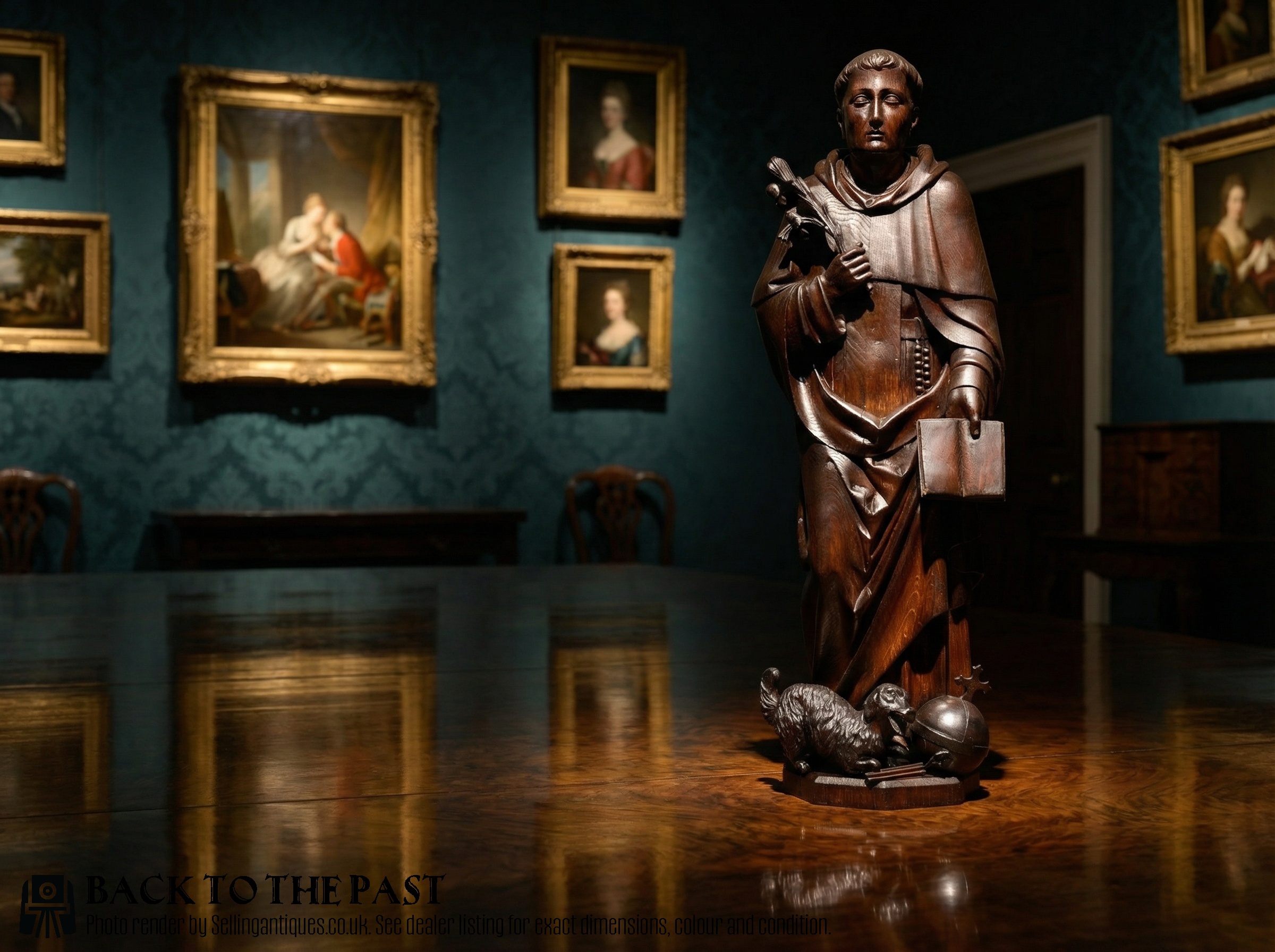
Brown Timber Saint Figure
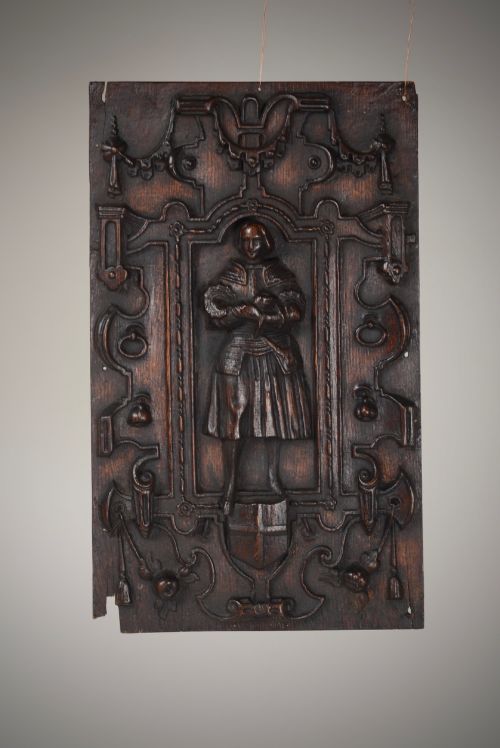
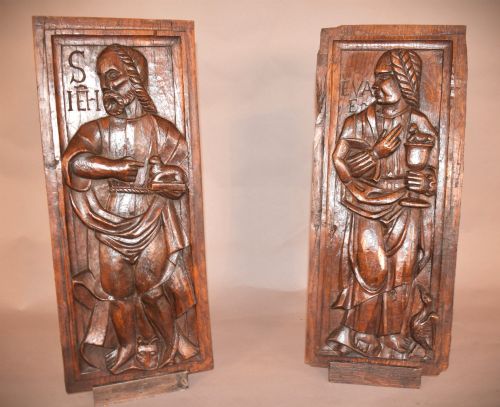
Buyers will encounter various regional expressions, from Alpine folk art and early Italian carvings to German Gothic pieces. The selection ranges from full-length statues and busts to carved wooden panels intended for wall display within ecclesiastical settings.
While most examples date from the medieval period through to the nineteenth century, occasional twentieth-century folk art pieces also appear. The unifying characteristic remains the representation of religious devotion through carved wood.
Assessing Quality
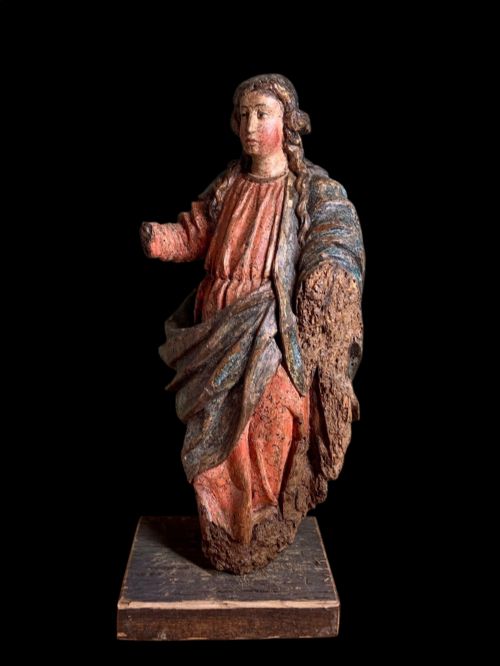
The sophistication of the carving separates standard workshop output from exceptional ecclesiastical art. Superior pieces display masterly control in the rendering of facial expressions, hair texture, and the natural fall of heavy drapery.
The survival of original surface treatments, such as polychrome paint and gesso over the timber, significantly elevates a piece. Retaining these historic finishes offers a direct view of the maker's original aesthetic intent.
Anatomical proportion and the dynamic posture of the figure distinguish finer sculptures from stiffer, more generic folk art iterations. The depth of relief in carved panels also indicates the ambition of the original commission.
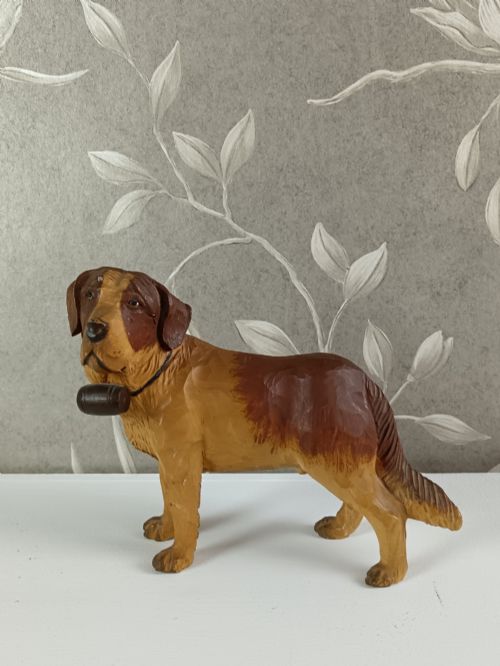
One remarkably specific piece depicts a Saint Bernard rescue dog, proving that ecclesiastical carvers occasionally embraced local working animals.
Franz Keller
The Brown Timber Saint Figure Glossary
- Polychrome
- Decorated in multiple colours. This term describes statues and panels that retain their historical painted surfaces.
- Gesso
- A plaster mix applied to wood as a smooth base for painting. It was widely used in medieval and baroque sculpture.
- Relief
- Sculpture carved from a flat background panel rather than fully in the round. It often depicts narrative scenes involving saints.
- Ecclesiastical
- Relating to the Christian Church or its clergy. Pieces with this designation originate from religious buildings and altarpieces.
Brown Timber Saint Figure: Frequently Asked Questions
Where were these figures originally placed?
These carved figures typically stood within churches, abbeys, and private chapels as focal points for prayer and veneration.
Many formed parts of larger altarpieces or served as devotional objects mounted on walls within religious spaces.
How should I clean wooden sculptures?
Dust the surface gently with a soft, dry brush to remove particles without disturbing the historic wood or paint.
Avoid using water, liquid cleaners, or polishes, as moisture can damage aged timber and fragile polychrome finishes.
How can I tell the age of the wood?
Age is determined by tool marks left by hand chisels, the oxidation of the timber, and the style of the carving.
Reference points include the specific period clothing and the presence of historic gesso or paint layers matching known eras.
Can these figures be wall mounted?
Flat-backed panels and certain smaller statues are suitable for wall display using appropriate professional hardware.
Freestanding sculptures require stable surfaces and should be positioned away from direct heat sources and sunlight.