

Antique Carved Furniture Panels
These antique carved furniture panels and related pieces unite structural oak and walnut with traditional joinery, offering tangible historical domestic craft.
Antique Carved Furniture Panels
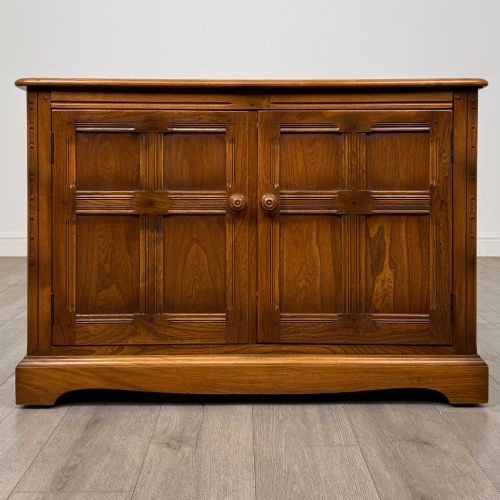
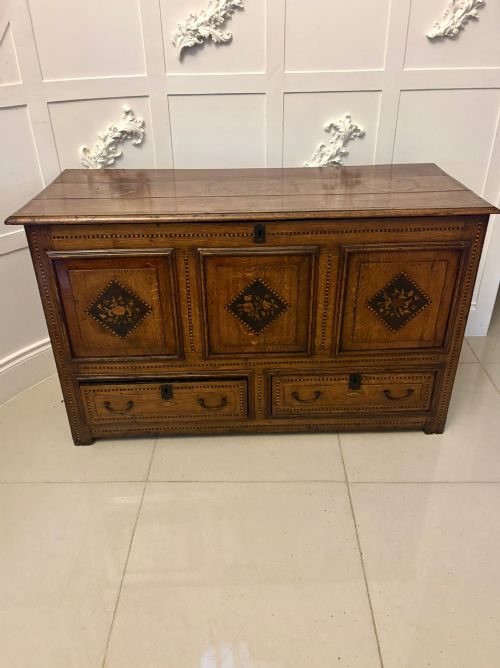
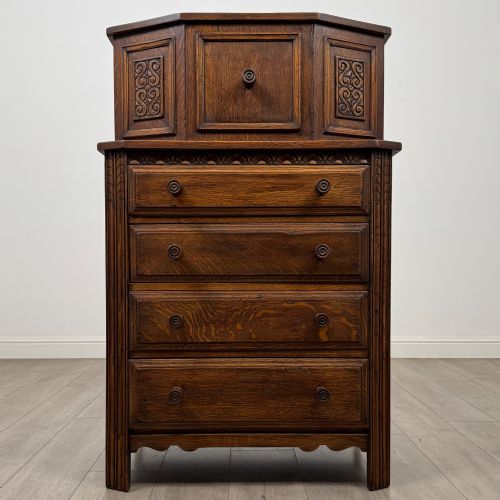
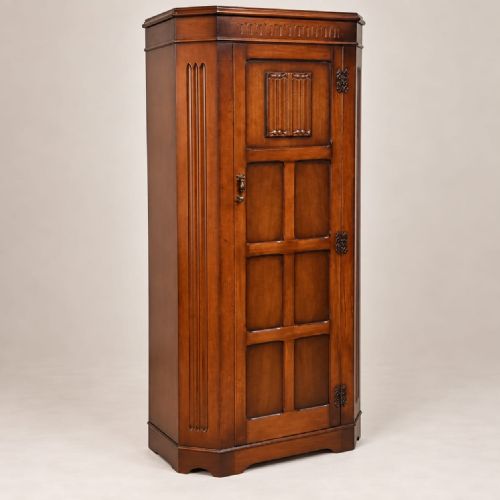
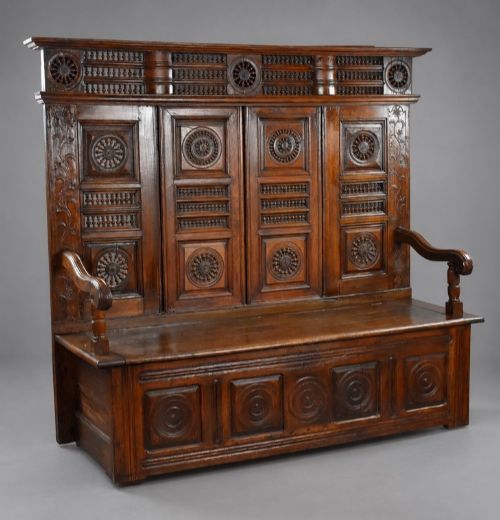
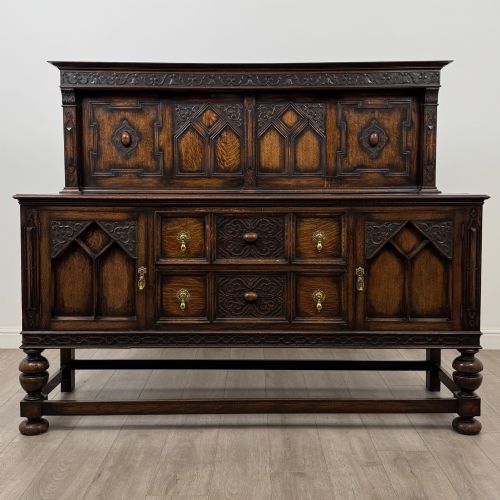
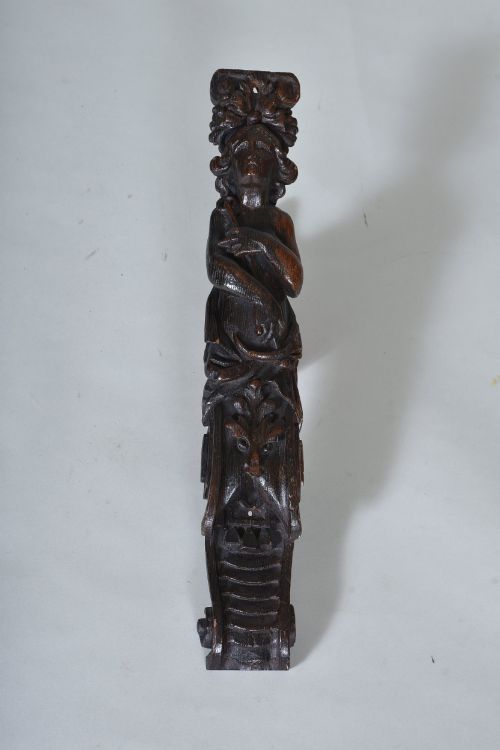
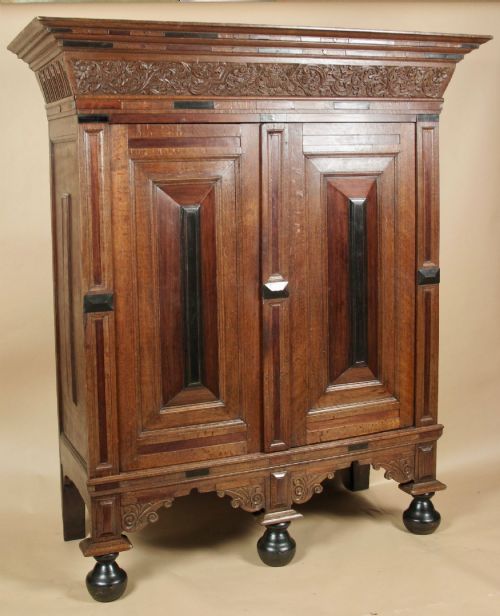
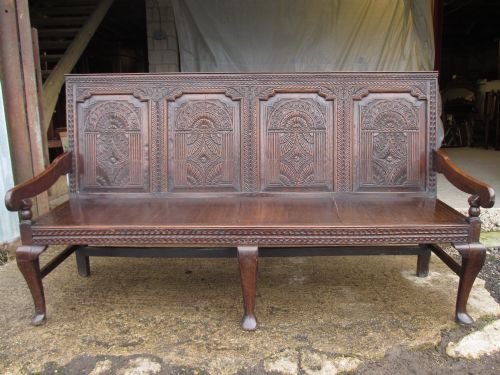
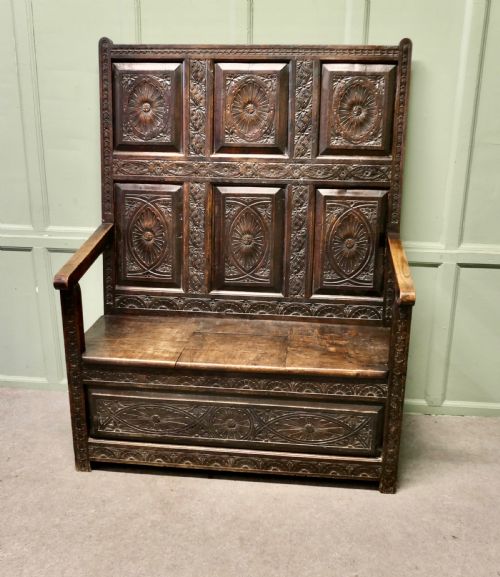
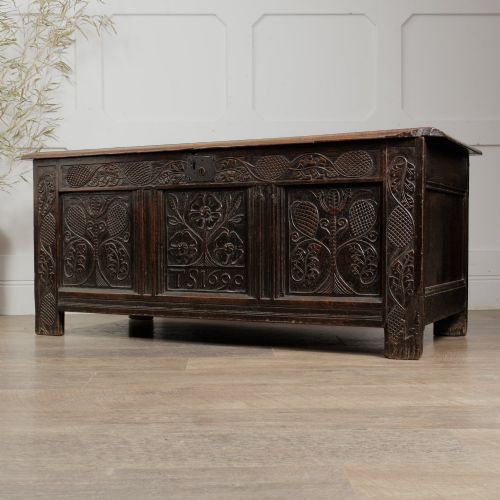
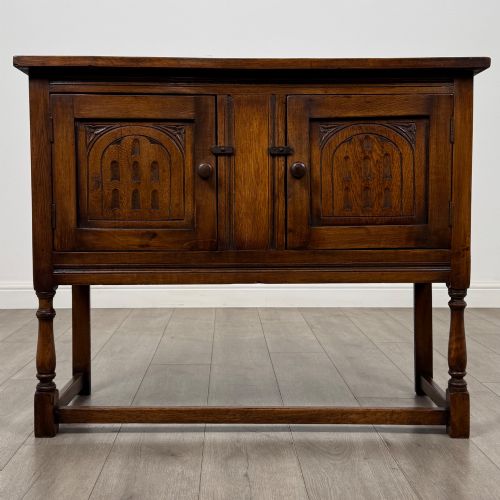
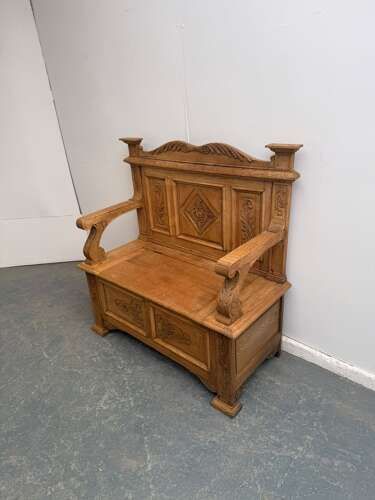
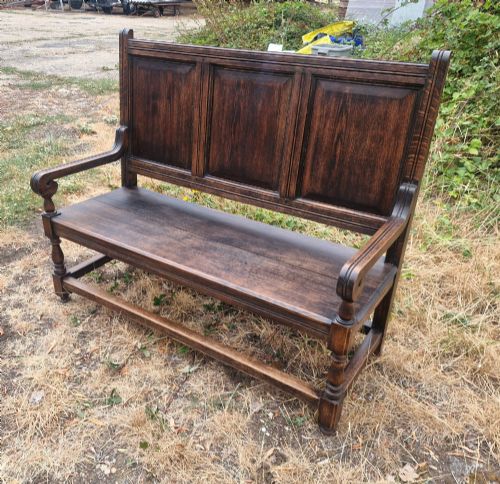
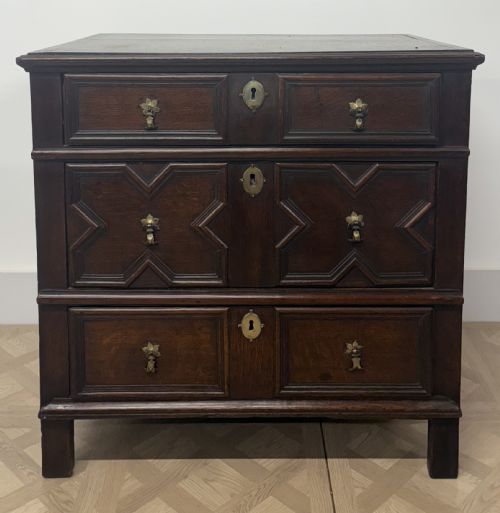
When you examine antique carved furniture panels within this selection, you encounter architectural elements and fitted sections drawn primarily from larger items such as mule chests, cupboards, settles, and chests of drawers. These components showcase the domestic joinery of earlier centuries, originating from periods spanning the seventeenth century through the Georgian and Victorian eras, alongside Edwardian revivals.
The objects listed on this page demonstrate how structural woodwork and decorative carving were integrated into everyday household furniture. Buyers will find individual carvings, panelled seating, and compartmented storage pieces that display the recurring influence of Jacobean styles and regional British workshop traditions.
Materials and construction methods
The construction relies heavily on solid timber, with oak dominating the early periods alongside walnut, rosewood, and mahogany in later pieces. Artisans shaped these materials using hand tools to produce pegged joints, raised panels, and applied mouldings.
Surface enrichment often involves meticulous hand carving, marquetry inlay using contrasting woods, and sometimes brass or iron hardware. These traditional techniques ensured the woodwork remained structurally sound while displaying intricate surface relief.
Listings feature structural timbers including oak, walnut, rosewood, and mahogany across pieces dating from the seventeenth century to the Edwardian era.
Assessing craftsmanship and condition
Quality in these pieces rests upon the crispness of the hand carving and the integrity of the original joinery. Finer examples maintain their structural timber without excessive replacement, showing purposeful tool marks and harmonious proportions rather than clumsy later alterations.
The depth and complexity of the carved ornament, combined with the quality of the timber selection, distinguish standard utility items from pieces produced by skilled regional workshops. Patina accumulated through age further separates honest surface preservation from over-restored woodwork.
The Antique Carved Furniture Panels Glossary
- Mule chest
- A storage chest featuring one or more drawers beneath the main compartment, frequently constructed from solid oak in regional British workshops.
- Settle
- A high-backed wooden bench with solid arms and a closed base, designed to block draughts in period hallways and living spaces.
- Marquetry
- The art of forming decorative patterns on wooden surfaces using fitted veneers of various timbers.
- Wainscot
- A type of heavy wooden chair or panelling associated with seventeenth-century domestic interiors.
- Panel
- A distinct section of woodwork set within a heavier frame, often decorated with moulding or relief carving.
Antique Carved Furniture Panels: Frequently Asked Questions
What periods do these pieces represent?
The selection encompasses seventeenth-century origins, Charles II examples, Georgian pieces, and later Victorian and Edwardian interpretations.
Craftsmanship styles range from early regional oak traditions to later revival periods utilising mahogany and walnut.
How were these furniture panels used?
They formed structural and decorative components of larger functional items such as cupboards, chests, settles, and wall fixtures.
These elements provided both structural enclosure and visual enrichment in historical domestic interiors.
What timbers should I expect to find?
Oak is the predominant material for seventeenth and eighteenth-century items, reflecting regional British furniture production.
Later pieces introduce walnut, rosewood, and mahogany, occasionally accented with brass or iron hardware.
How do I identify Jacobean style features?
Jacobean and revival pieces typically display geometric moulding, strapwork, and deep relief carving executed in solid oak.
These characteristics reflect the prevailing design vocabulary of seventeenth-century domestic joinery.