



Brown Oak Wall Carvings
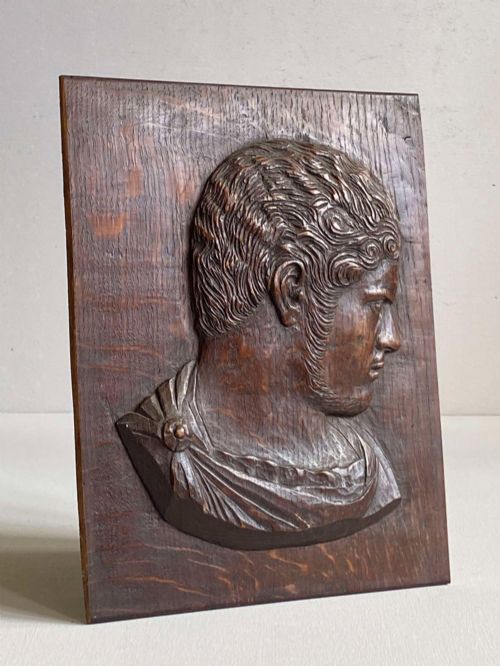
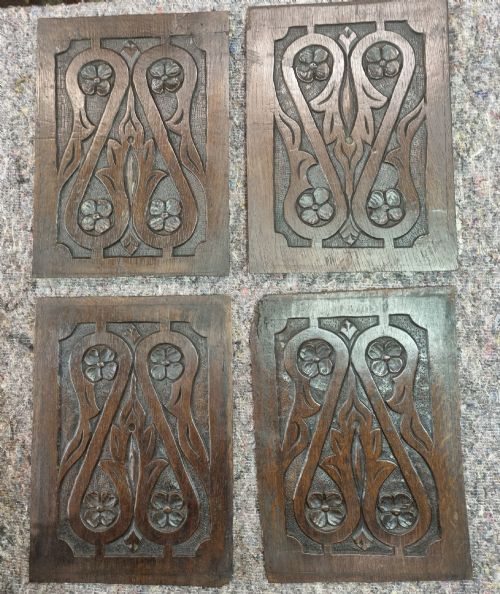
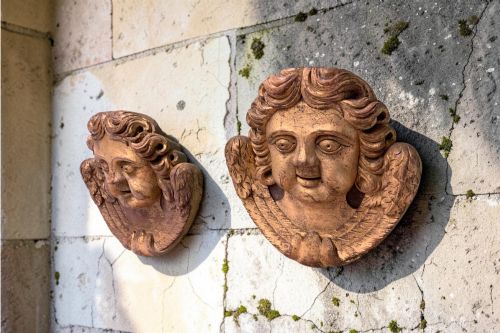
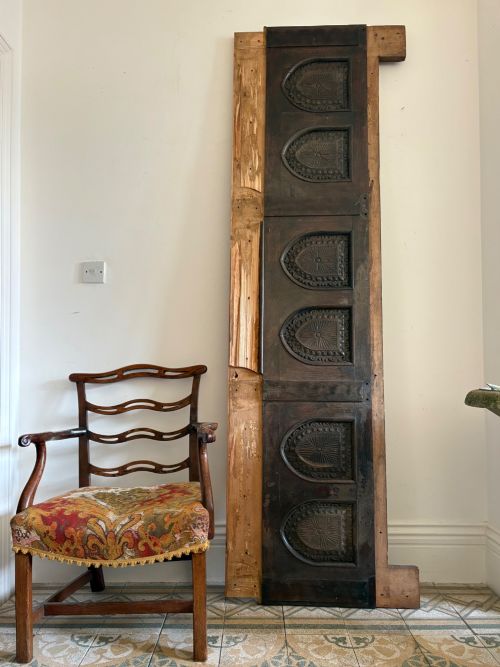
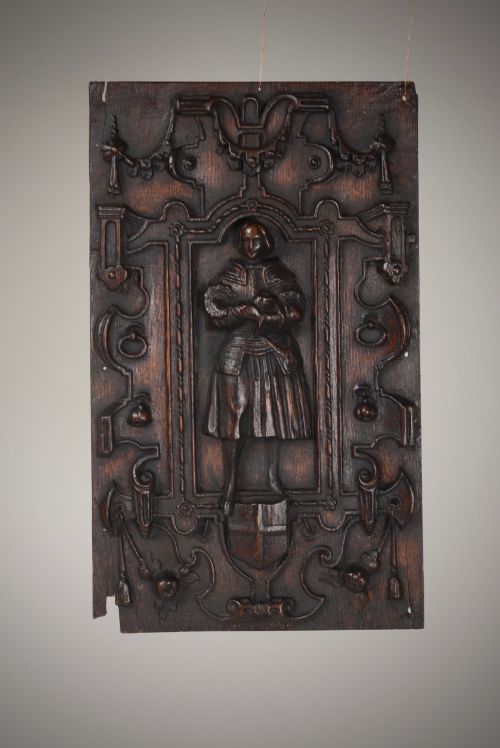
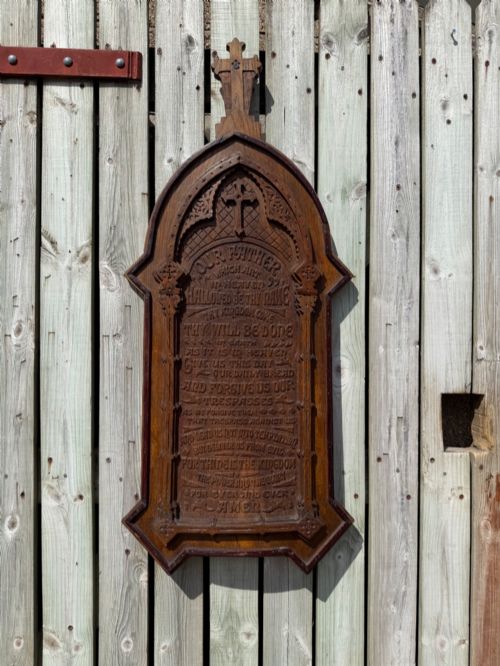
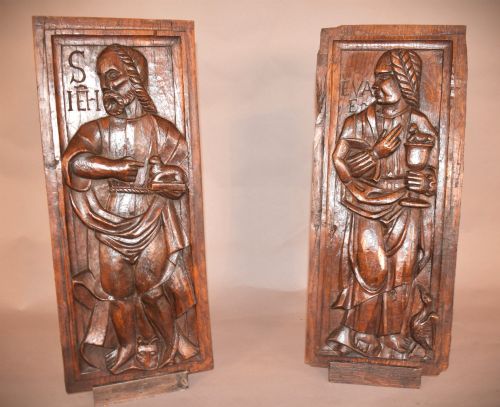
Brown oak wall carvings are substantial wooden panels, plaques, and architectural fragments spanning multiple centuries that bring tactile historical depth to interior spaces.
Brown Oak Wall Carvings
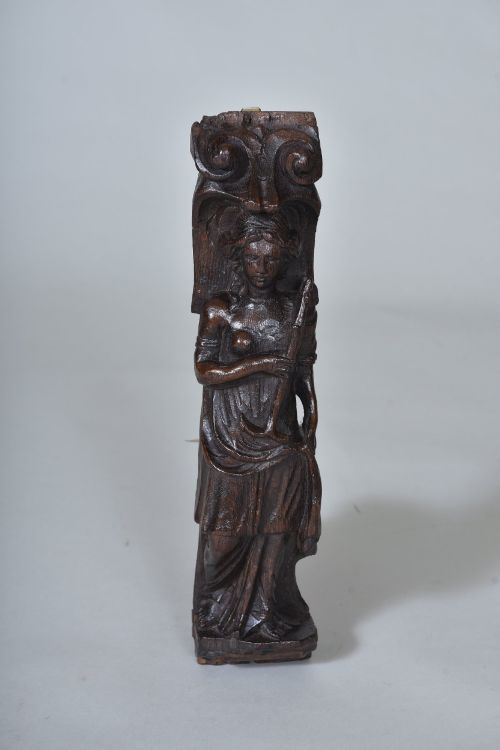
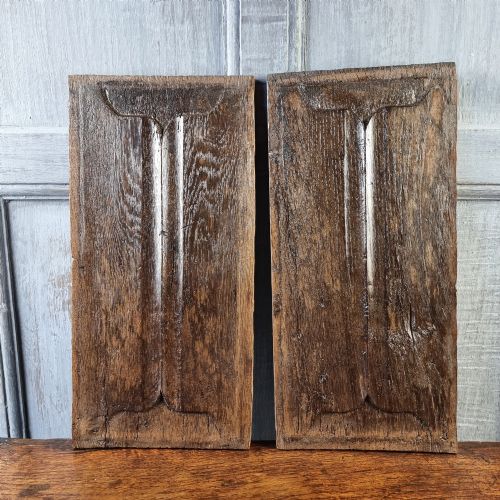
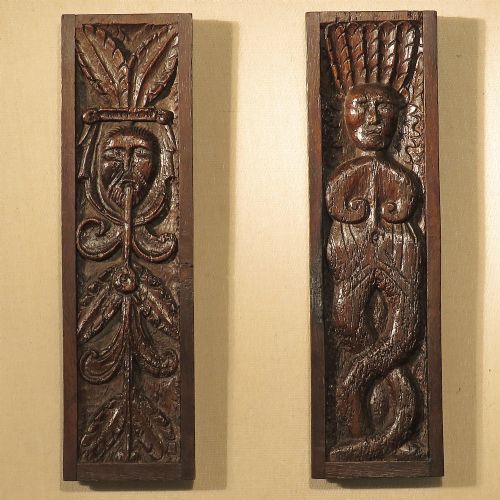
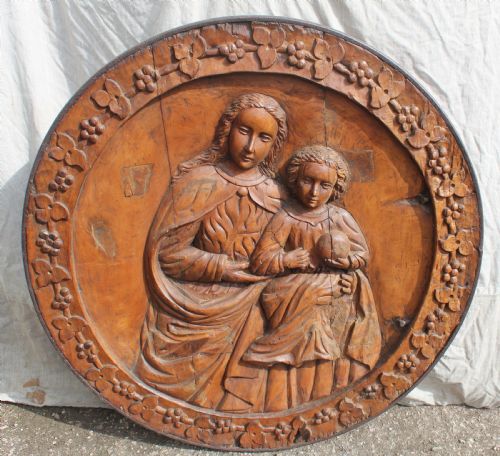
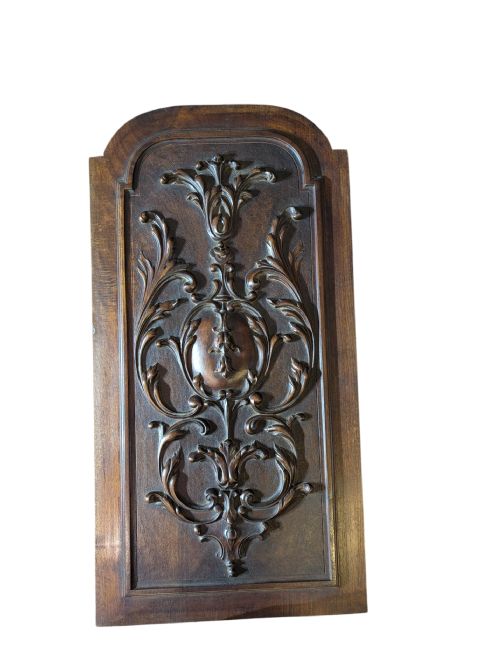
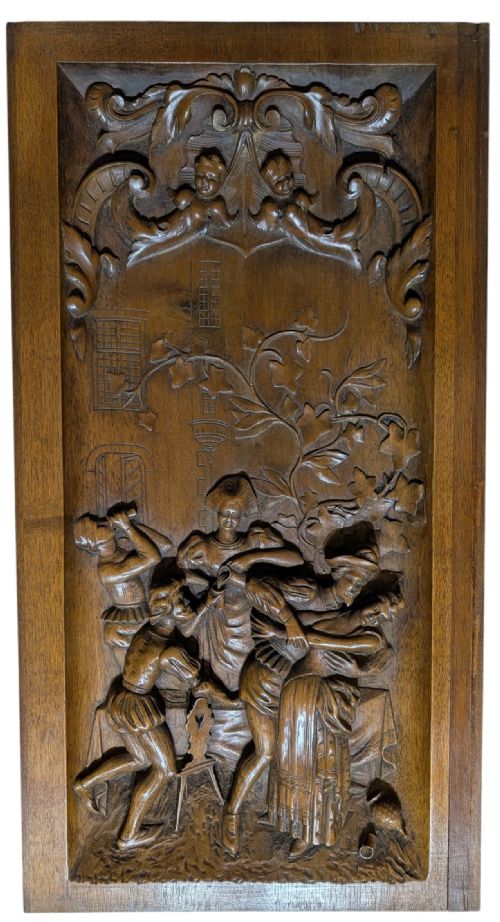
When searching for brown oak wall carvings, collectors encounter architectural salvage, wall panels, and relief sculptures originating primarily from the sixteenth, seventeenth, and nineteenth centuries. These objects range from secular heraldic plaques and linenfold panels to deeply carved religious scenes, Green Man motifs, and figural reliefs.
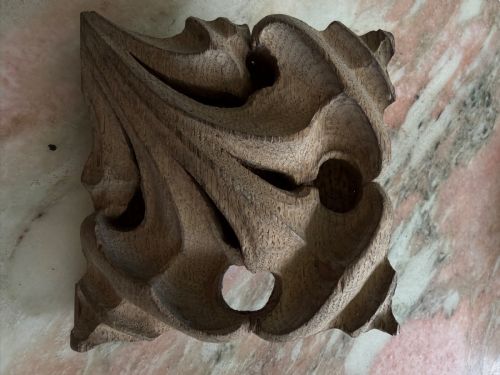
The selections span several distinct design movements, including Gothic Revival, Tudor, Baroque, and Renaissance styles. Pieces frequently take the form of ceiling bosses, corbels, staircase panels, and framed wall plaques intended for permanent interior display.
How they were made
Artisans worked primarily with solid oak, quarter-sawn oak, and occasional fruitwood or walnut using traditional hand chisels and gouges. Timber was selected for its grain structure and density, allowing carvers to execute intricate undercut foliage, deep relief figures, and precise architectural tracery.
Surfaces were left untreated or finished with traditional oils and waxes, developing a rich dark patina over centuries of exposure. Elements such as linenfold panels relied on precise geometric planes, whilst figurative sculptures utilised high-relief modelling to create dramatic shadow play.
Brown Oak Wall Carvings Retail Price Guide 2026
Typical asking prices for brown oak wall carvings among the pieces listed under this phrase on Sellingantiques today, from the lower quarter to the upper quarter. They describe what is for sale here now, not the wider market.
Listings feature timber varieties including oak, quarter-sawn oak, walnut, and fruitwood across sixteenth to nineteenth-century periods.
What varies in quality
Condition and originality dictate the standing of a piece within its period, particularly regarding timber shrinkage, edge wear, and the presence of integral framing. Pieces retaining their original structural integrity without excessive later re-carving command greater appreciation.
Edward Pearce
The Brown Oak Wall Carvings Glossary
- Linenfold
- A style of wood carving that imitates folded linen, commonly seen on sixteenth-century panels. This treatment gives flat wooden surfaces the appearance of draped fabric.
- Corbel
- A structural bracket projecting from a wall to support a weight, frequently carved with figurative or foliate designs. These architectural members often double as standalone sculptural wall ornaments.
- Ceiling Boss
- A decorative projecting block at the intersection of ribs in a ceiling or vault, often carved in high relief with leaves or heraldic devices. These circular elements were adapted for wall mounting.
- Tracery
- Openwork ornamentation of stone or wood, characteristic of Gothic architecture. It provides geometric framework for figurative or abstract compositions.
- Armorial
- Relating to heraldry or armorial bearings, displaying family crests or shields. These carvings record lineage and familial identity.
Brown Oak Wall Carvings: Frequently Asked Questions
What periods do these carvings come from?
The available selection spans from sixteenth-century Tudor and Elizabethan workshops through seventeenth-century Jacobean and Baroque periods. Nineteenth-century Gothic Revival pieces also feature prominently.
Craftsmen across these eras utilised dense hardwoods to produce architectural fittings, religious panels, and decorative wall mounts.
How were these wooden panels originally used?
Many items functioned as structural wall panels, staircase components, ceiling bosses, or corbels within substantial domestic and ecclesiastical interiors. Others served as decorative plaques or armorial displays.
Over time, many architectural elements were salvaged from historic buildings to be mounted as independent decorative artworks.
How do I identify a linenfold panel?
Linenfold panels feature symmetrical wooden mouldings carved to resemble stiff fabric folded over itself. This design was popular during the sixteenth century on domestic walling.
The vertical folds create regular shadows and uniform planes across the surface of the timber.
How should I hang a heavy oak panel?
Due to the substantial weight of solid oak and hardwood carvings, secure wall fixings into masonry or timber studs are essential. Metal brackets or concealed French cleats provide adequate load-bearing support.
Ensure the mounting hardware engages directly with the structural frame rather than relying solely on the decorative wooden elements.