


Antique Oak Wall Art
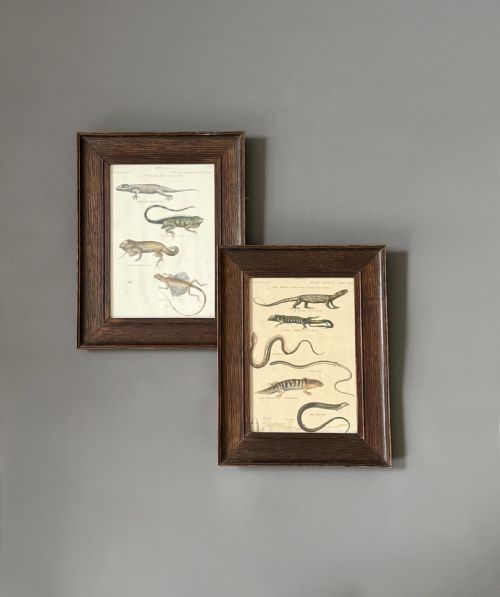
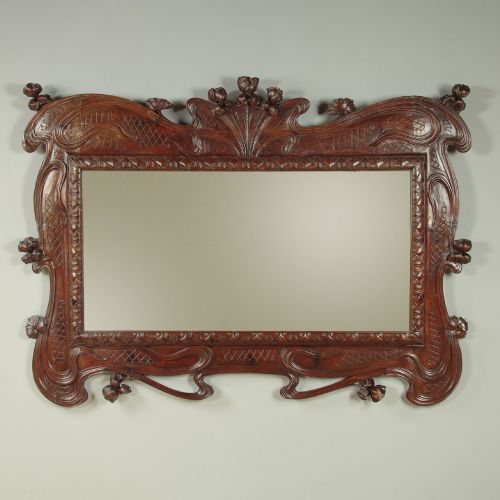
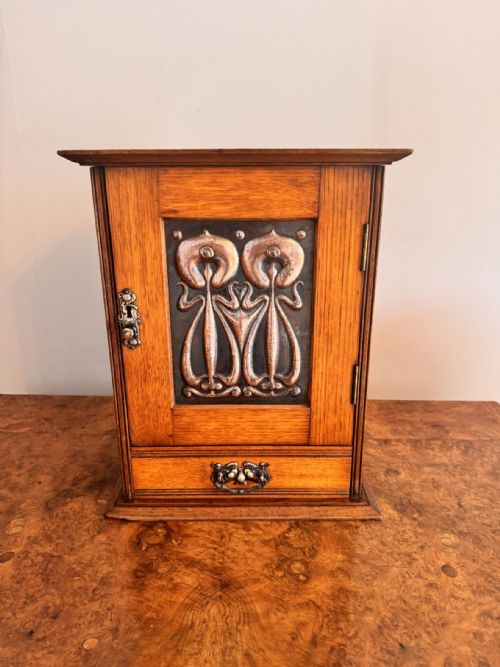
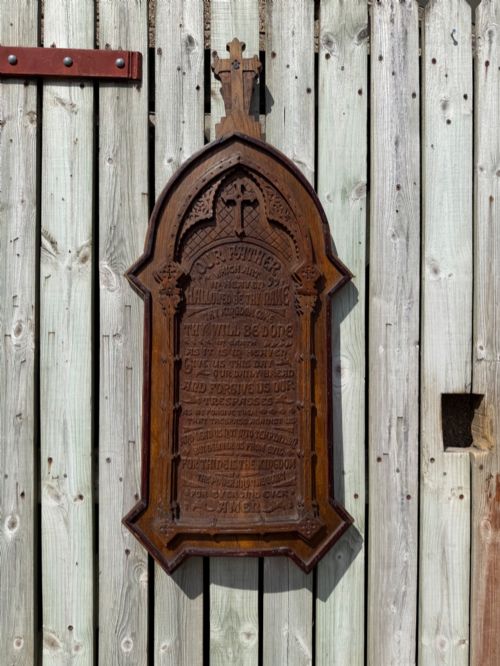
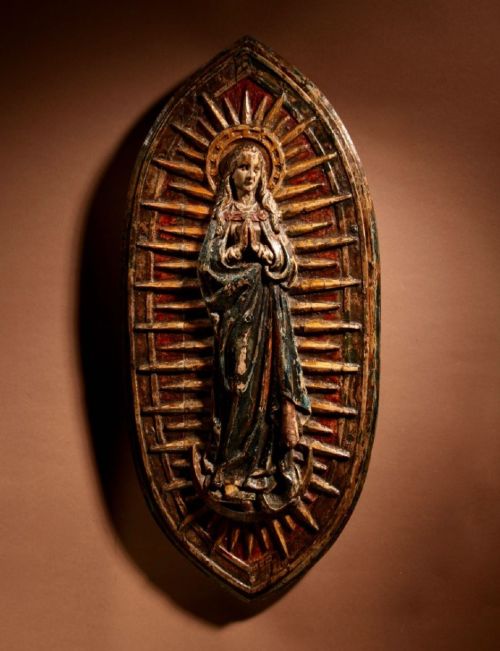
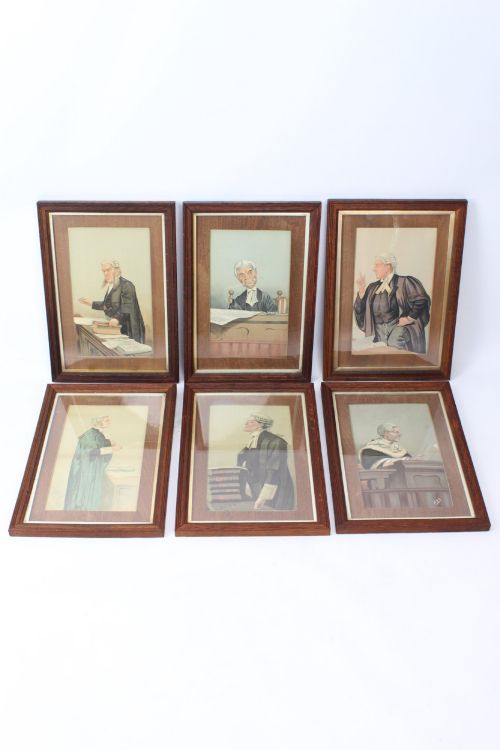
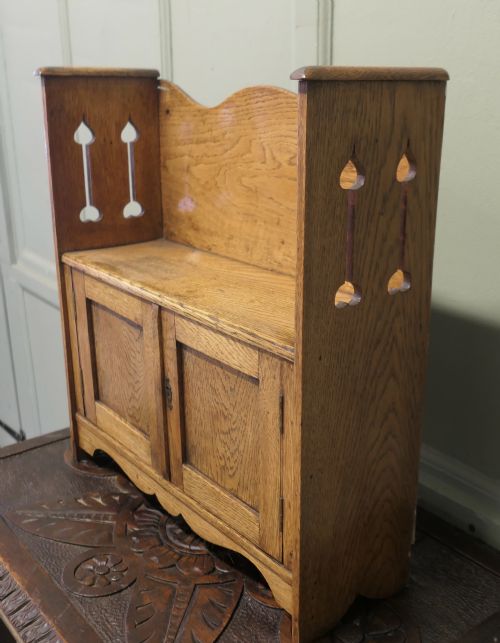
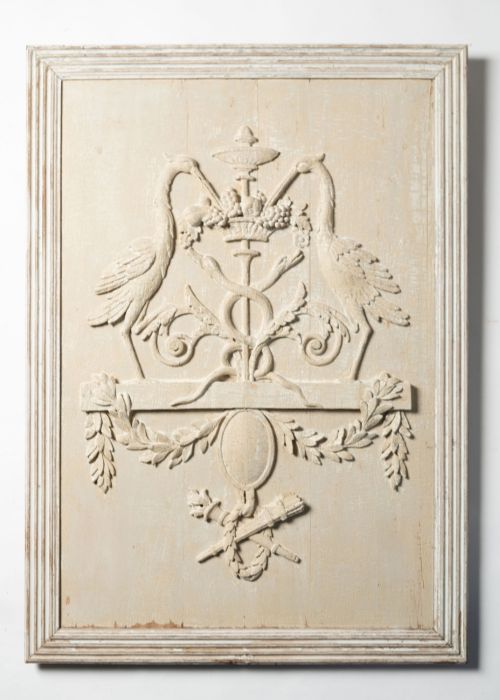
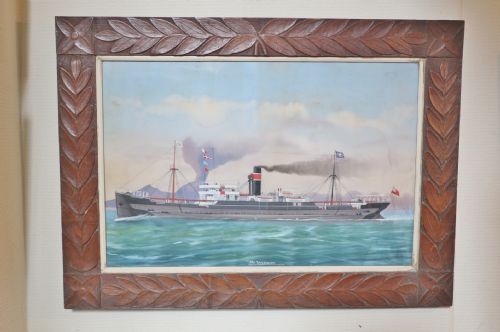
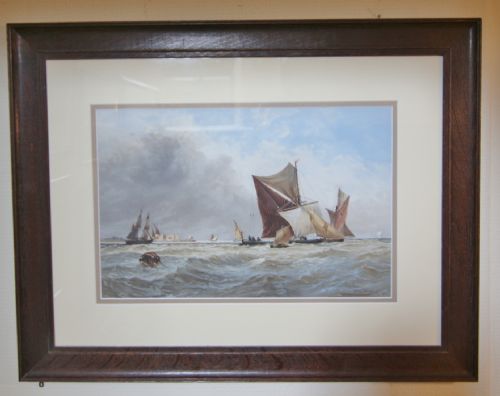
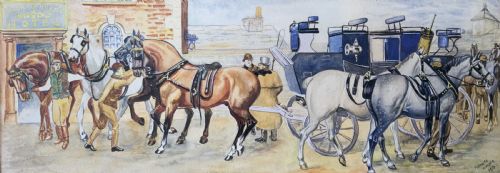
These antique oak wall art pieces range from carved panels and framed watercolours to wall clocks and small cabinets.
Antique Oak Wall Art
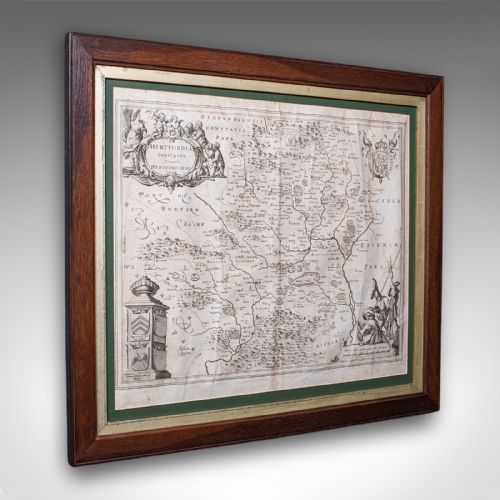
When you search for antique oak wall art, you encounter a diverse selection of wall-mounted objects featuring timber frames, panels, and enclosures. These pieces span multiple centuries, extending from seventeenth-century oil panels and seventeenth-century cartography to nineteenth-century watercolours, Victorian prints, and twentieth-century clocks.
The objects themselves vary widely in function and form, encompassing carved wooden plaques, framed engravings, mirrors, barometers, and small hanging cabinets. Many items combine timber surrounds with other media such as paper, glass, brass, and copper.
Pieces from the Arts and Crafts and Art Deco periods appear frequently, alongside Victorian and Edwardian examples. Buyers looking for this category seek the warmth of timber combined with decorative or practical wall-hanging utility.
How they were made
The construction relies heavily on oak as a primary framing and structural material, often paired with secondary media like paper, glass, brass, copper, and bronze. Artisans utilised traditional joinery, chip carving, and relief carving techniques to ornament the timber surfaces.
Framed works incorporate watercolours, gouache, oils, charcoal, engravings, and photogravures mounted within hand-worked wooden surrounds. Metal components such as brass numerals, bronze gimes, and wrought iron fixtures integrate directly with the woodwork.
A seventeenth-century Dutch Mangle Board records an exact date and initials alongside chip carving.
What varies in quality
Quality in these pieces is dictated by the crispness of the carving, the integrity of the timber, and the harmony between the frame and the artwork or object it encloses. Depth of relief in carved panels and the precision of joinery separate standard production from finer work.
The provenance and condition of the integrated media, whether oil paint, watercolour, or paper print, influence the overall character and desirability of the item. Original matched components, such as period brass fittings and authentic glass, elevate the integrity of the piece.
Arthur Simpson of Kendal·F Corpuz·TB Hardy·Herbert Gustave Schmaltz·David Roberts·Louis Haghe·Henry Martin Pope·Sherwin And Cotton·J C Dollman·Henry Charles Fox
The Antique Oak Wall Art Glossary
- Gouache
- An opaque watercolour paint that dries to a matte finish. It appears frequently in early twentieth-century landscape paintings.
- Photogravure
- A printmaking technique producing a photographic image on a copper plate. This process captures fine tonal gradations.
- Stumpwork
- A raised embroidery style popular in the seventeenth century. It utilises padding to create a three-dimensional effect on textile panels.
- Cartography
- The science or practice of drawing maps. Antique examples often feature hand-coloured copperplate engravings framed in timber.
Antique Oak Wall Art: Frequently Asked Questions
What periods do these pieces cover?
The selection spans from the seventeenth century through the Victorian, Edwardian, Arts and Crafts, and Art Deco periods into the early twentieth century.
Items reflect the prevailing aesthetic of their respective eras, utilising styles such as Gothic Revival, Art Nouveau, and Moorish design.
How were these wall items used?
They served both decorative and practical functions in historic interiors, acting as framed artworks, mirrors, clocks, barometers, and small storage cabinets.
Many pieces combined display purposes with utility, such as wall shelves featuring magazine racks or cabinets designed to hold keys and small items.
What materials accompany the timber?
Oak frames and panels are frequently paired with paper prints, watercolours, oils on canvas or board, and gouache paintings.
Metal elements including brass numerals, bronze chimes, copper details, and wrought iron fixtures also appear across the selection.
How do I identify Arts and Crafts pieces?
Arts and Crafts items emphasise visible craftsmanship, often featuring hand-carved oak surfaces, simple joinery, and functional design.
These pieces frequently incorporate natural motifs and coordinate closely with the domestic reform ideals of the late nineteenth and early twentieth centuries.