

Antique Carved Couch
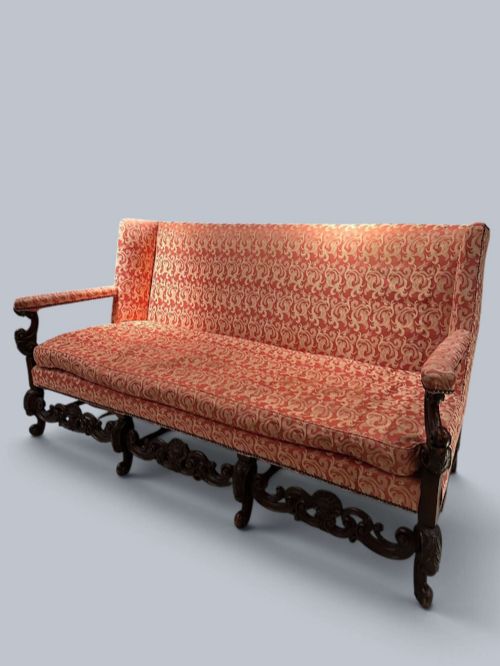
An antique carved couch brings presence to a room, offering deep timber frames and traditional upholstery that anchor a traditional interior.
Antique Carved Couch
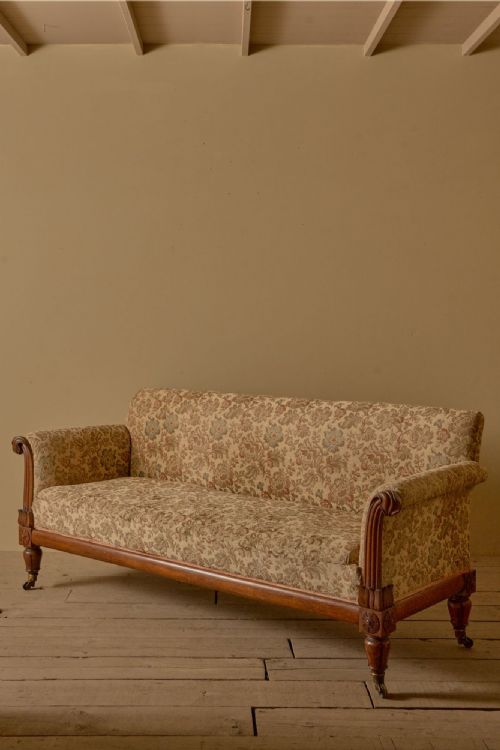
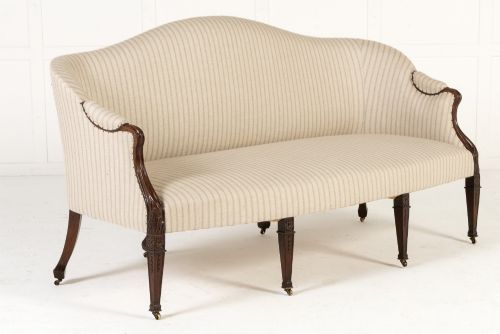
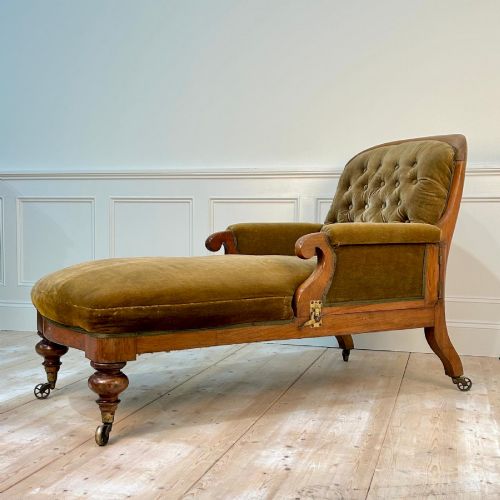
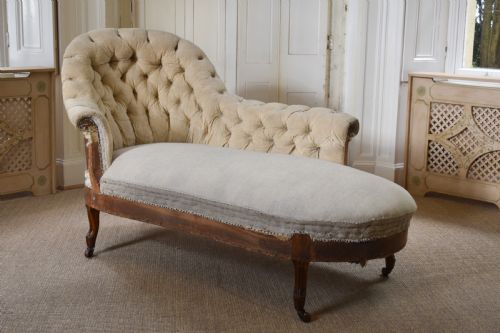
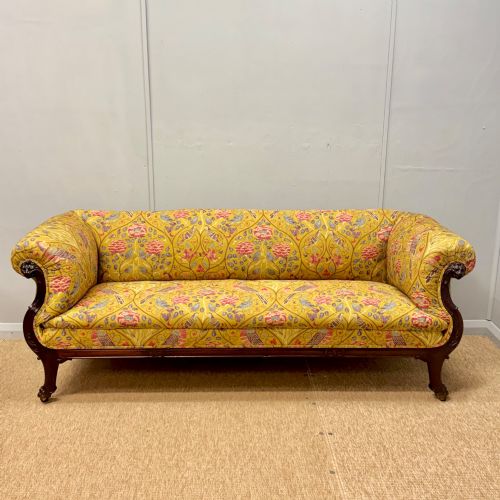
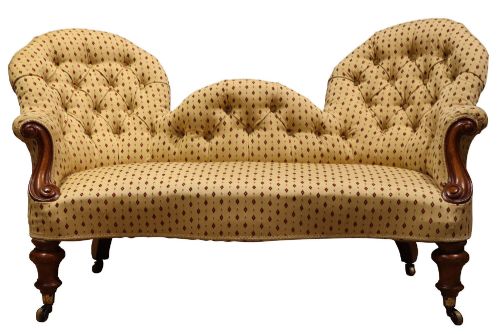
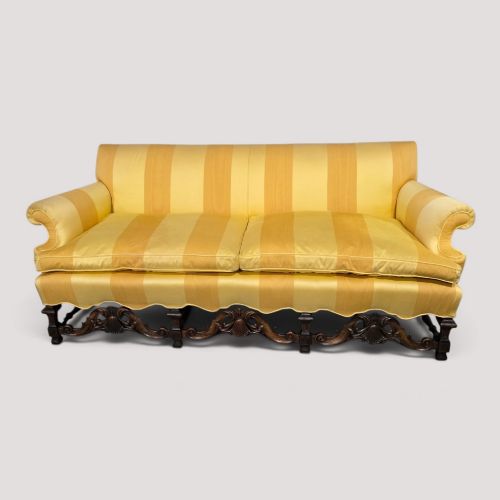
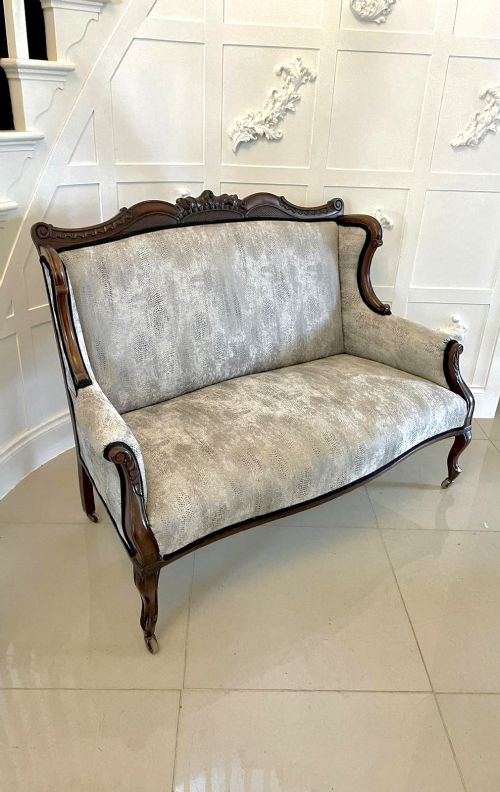
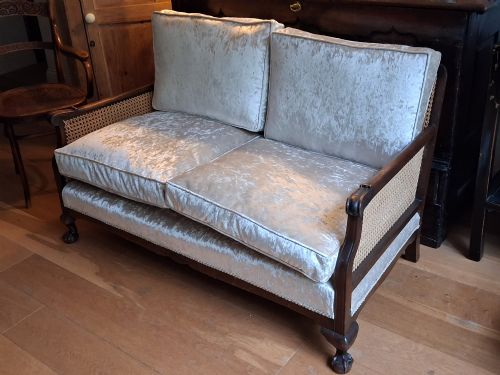
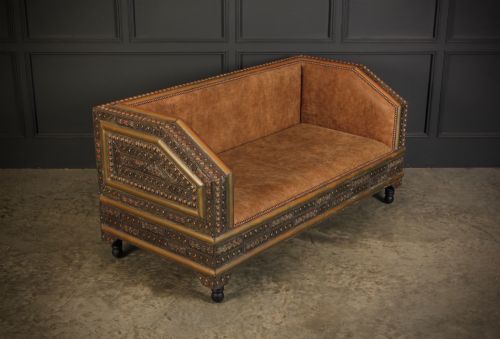
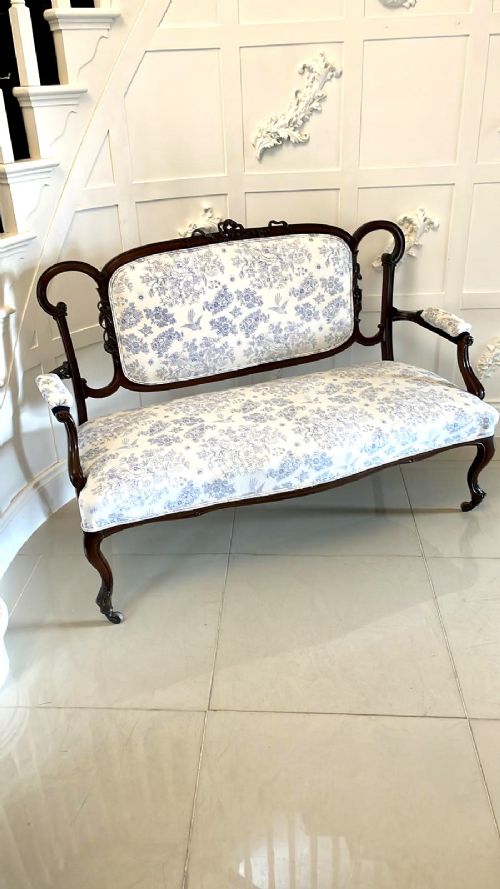
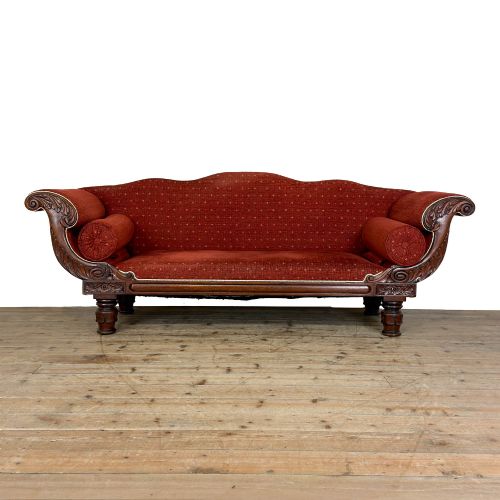
The Victorian pieces form the core of what you meet here, often featuring button backs and robust mahogany or walnut frames. Alongside these sit French-influenced cane daybeds, Anglo-Indian items, and occasional Georgian or William IV scroll-end sofas. Each variant offers a distinct silhouette shaped by the prevailing taste of its decade.
How they were made
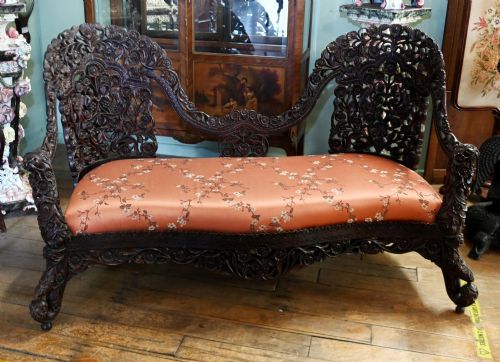
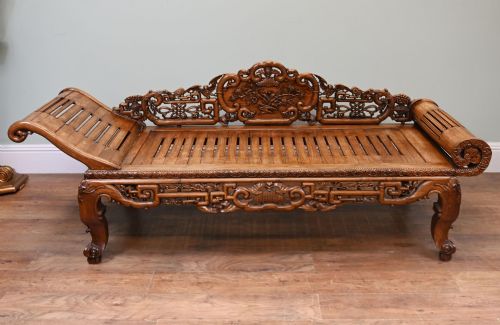
The structural frames rely on dense hardwoods like mahogany, walnut, and rosewood, carved by hand with floral motifs, scroll ends, and ball and claw feet. Cabinetmakers joined these timbers using traditional joinery methods to support heavy daily use.
Upholstery techniques combined sprung settee bases with horsehair or feather fillings, finished in velvet, brocade, fabric, leather, or woven cane work. Brass fittings and inlaid frames occasionally accented the primary woodwork.
Antique Carved Couch Retail Price Guide 2026
Typical asking prices for carved couch among the pieces listed under this phrase on Sellingantiques today, from the lower quarter to the upper quarter. They describe what is for sale here now, not the wider market.
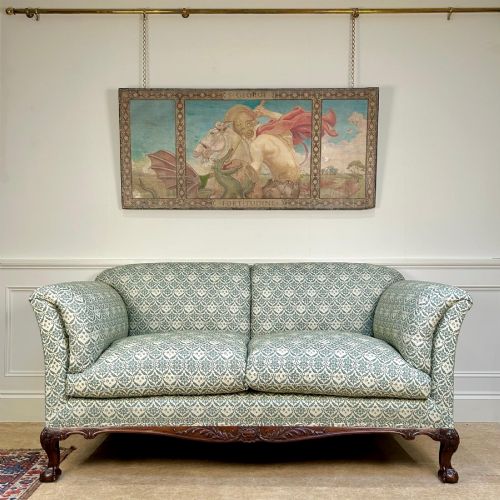
Several couches come equipped with ball and claw feet that appear ready to scuttle across the parlour floor.
What varies in quality
The depth and crispness of the timber carving set superior pieces apart from plain production work. Sharp relief work on mahogany or walnut frames indicates a skilled hand at the bench.
Frame rigidity and the integrity of internal sprung bases or cane work determine structural merit. Original timber patination and retained upholstery details also elevate certain items.
The Antique Carved Couch Glossary
- Bergère
- An enclosed armchair or sofa with upholstered sides and a cane back. These French-inspired pieces often feature exposed wooden frames and loose feather cushions.
- Chaise Longue
- An upholstered long chair designed for reclining, typically featuring a single raised headrest or scroll end. Nineteenth-century examples frequently include button-backed upholstery.
- Scroll End
- A wooden frame termination shaped into a sweeping scroll, common on Regency and William IV sofas. This decorative element curls outward to frame the seating area.
- Button Back
- An upholstery style where buttons are pulled tight into the padding in a diamond pattern. This method secures the internal filling and creates a textured surface.
Antique Carved Couch: Frequently Asked Questions
How do I clean the wood?
Dust the carved mahogany or walnut frame regularly with a dry cloth to prevent grit accumulation.
Apply a traditional beeswax polish occasionally to nourish the timber and maintain a soft sheen.
Were these sofas used daily?
Victorian and nineteenth-century couches served as primary seating in formal parlours and drawing rooms. Their sturdy hardwood construction supported routine domestic use.
Many examples survive with robust internal framing and sprung bases designed for active households.
Can I replace the fabric?
Upholstery on antique couches can be updated using traditional materials like horsehair and springs to match the original build.
Professional upholsterers preserve the internal webbing and frame integrity while fitting new brocade, velvet, or leather.
How do I date a couch?
Examine the primary timber, such as rosewood in mid-Victorian pieces or mahogany in William IV designs. Stylistic cues like scroll ends or ball and claw feet point to specific decades.
Construction methods and turnings provide further clues to whether a piece originates from the eighteenth or nineteenth century.