

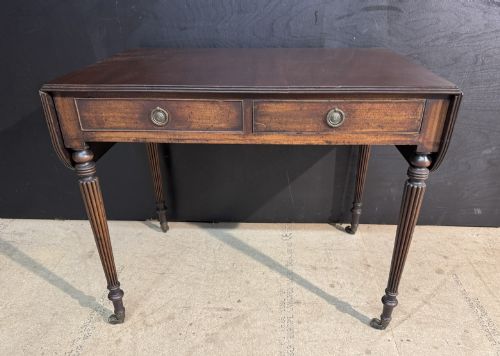
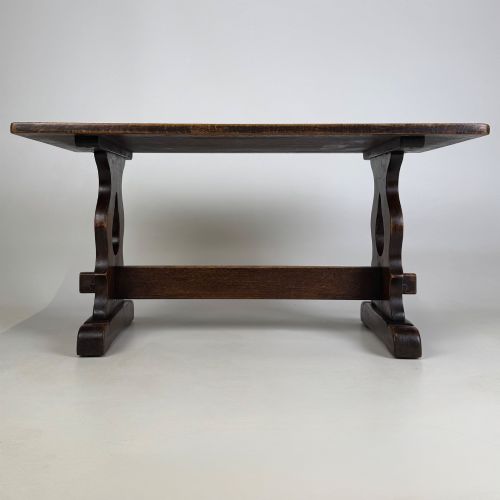
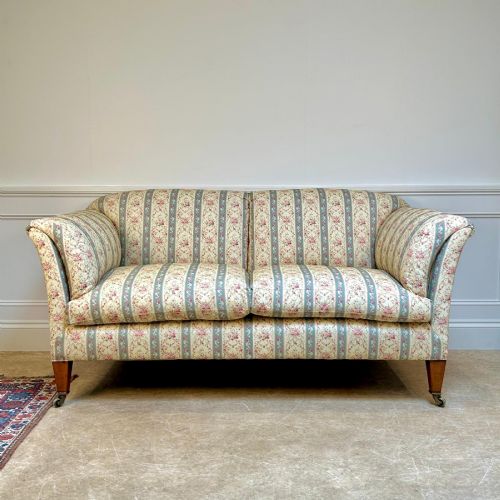
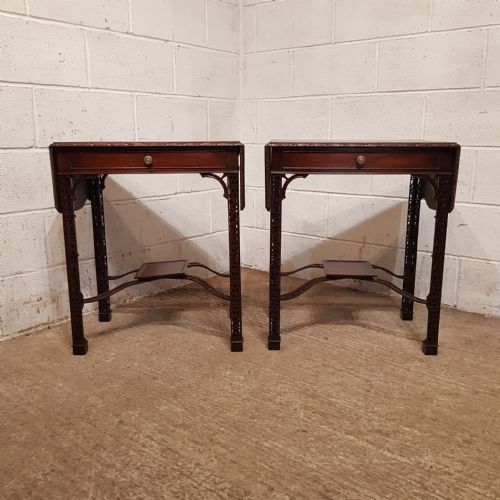
Edwardian Style Sofa
When you search for an edwardian style sofa, you are looking at upholstered seating spanning revival designs from the early twentieth century.
Edwardian Style Sofa
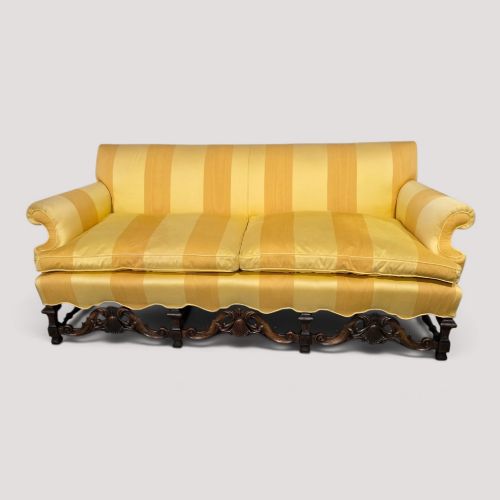
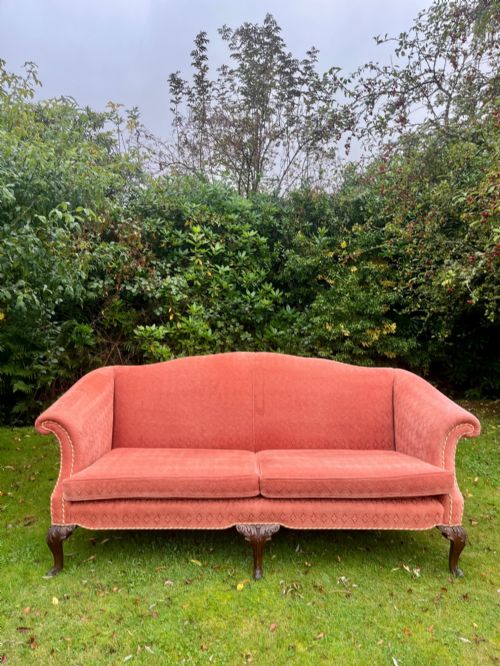
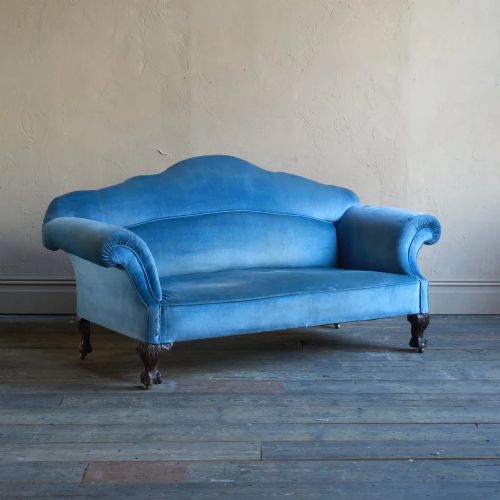
The edwardian style sofa draws heavily on earlier eighteenth and nineteenth century precedents, blending comfort with formal revivalism. Buyers will encounter camel backs, deep upholstery, and upright frames carrying revivalist motifs.
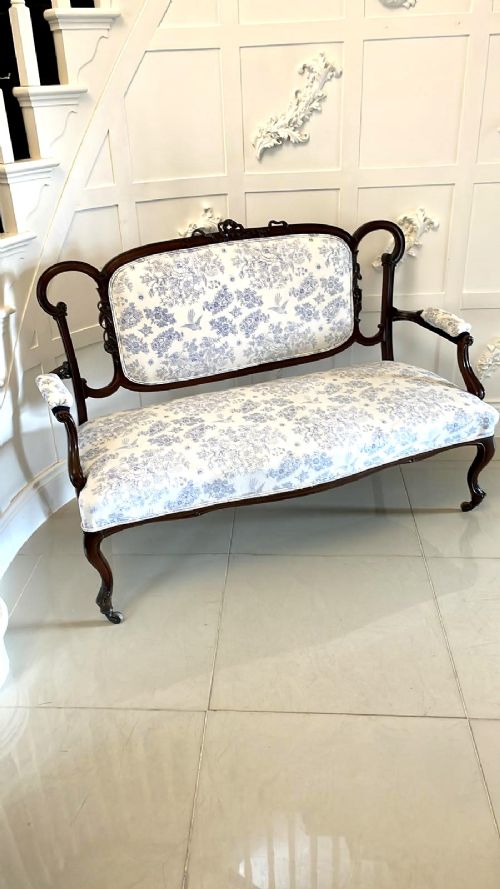
Pieces frequently reflect English country house tastes or structured Howard styles, alongside lighter satinwood frames and caned details. These seats balance substantial sprung comfort with decorative woodwork.
Most entries span the Edwardian period itself and the surrounding decades, incorporating Victorian foundations and later twentieth-century interpretations.
How they were made
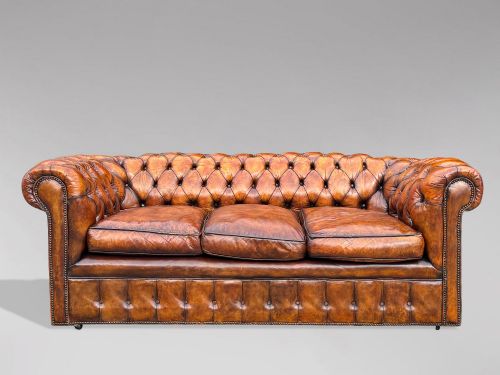
Construction relies on sturdy timber frames of mahogany, walnut, oak, and satinwood, often enhanced by inlaid banding or carved details. Upholstered variants incorporate traditional sprung interiors, feather cushions, and durable fabric or leather coverings.
Decorative elements include brass fittings, caned panels, and hand-carved legs reflecting Chippendale, Sheraton, or Regency influences.
Conversation seats let two people sit close while facing opposite directions, avoiding awkward neck angles during polite Edwardian chat.
What varies in quality
Quality rests on the integrity of the timber frame, the crispness of any hand-carved woodwork, and the retention of original upholstery methods. Finer examples display meticulous joinery and carefully selected figured veneers.
The sophistication of decorative inlay and the authenticity of revival details distinguish standard workshop pieces from superior cabinet work.
Howard and Sons·Thonet·J. S. Kinsey
The Edwardian Style Sofa Glossary
- Bergere
- An enclosed upholstered armchair or sofa with exposed wooden framing and woven cane panels. This French-inspired form appeared frequently in lighter drawing room furniture.
- Camel back
- A serpentine curved top rail on a sofa or settee, resembling the hump of a camel. This profile originates in eighteenth-century design and reappeared in revival pieces.
- Chippendale revival
- A furniture style replicating the mid-eighteenth-century designs of Thomas Chippendale, typically featuring carved mahogany and cabriole legs. These later interpretations date largely from the late nineteenth and early twentieth centuries.
- Knole sofa
- A traditional English seat with adjustable hinged arms that can be lowered or raised. Early versions provided deep, enclosed seating for country houses.
Edwardian Style Sofa: Frequently Asked Questions
How do I identify an edwardian style sofa?
Look for timber frames in mahogany or satinwood combined with revival design motifs like camel backs or carved cabriole legs. Construction details and wood types generally point towards the early twentieth century.
Upholstery styles and frame proportions offer further clues to distinguish these pieces from earlier Victorian or later vintage seating.
What is a Howard style sofa?
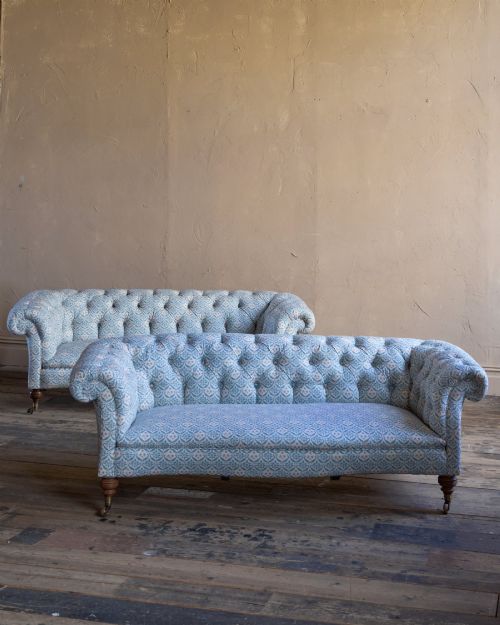
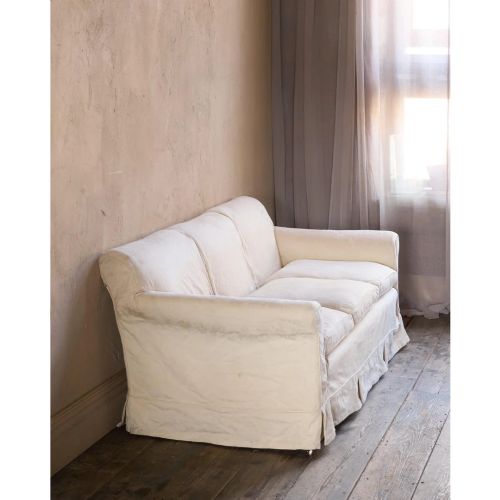
A Howard style sofa is a deeply comfortable upholstered seat known for low rolled arms and sprung construction. These pieces became staples of the English country house aesthetic.
They combine unpretentious comfort with restrained elegance, often bearing maker marks from renowned workshops.
Can I use these sofas every day?
Many of these pieces were built with robust timber frames and traditional internal springing intended for daily household use. Original frames handle regular sitting well provided the interior webbing remains sound.
Consider whether the existing upholstery requires conservation or recovering before placing the seat in a high-traffic room.
Are these sofas made of solid wood?
Frames typically use solid hardwoods such as mahogany, oak, or walnut for structural strength and load-bearing legs. Visible decorative surfaces often feature finely figured wood veneers and inlaid satinwood.
Combining solid structural timbers with veneered panels allowed cabinetmakers to achieve complex decorative patterns without adding excessive weight.