

Antique Carved Cherub
When searching for an antique carved cherub, collectors discover wooden putti, wall brackets, and giltwood panels shaped by centuries of European craftsmanship.
Antique Carved Cherub
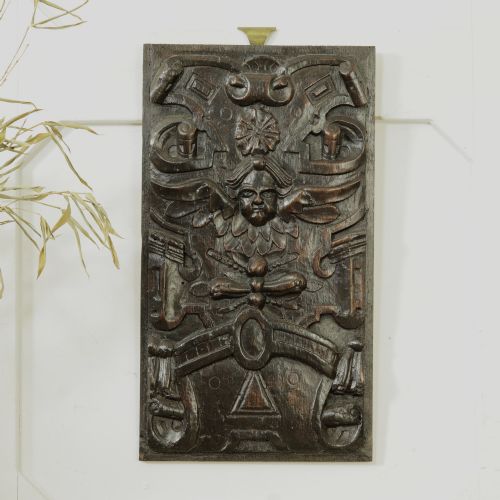
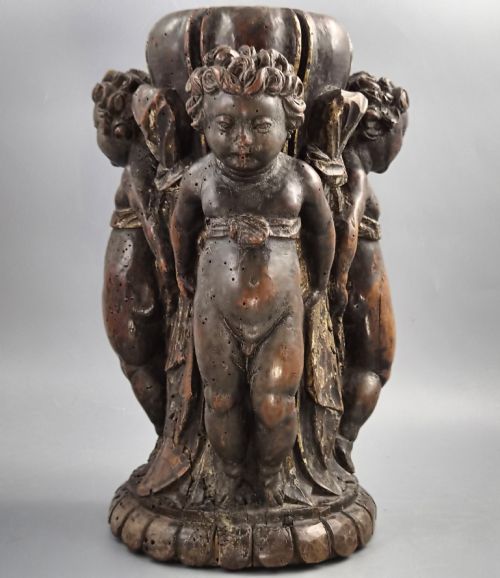
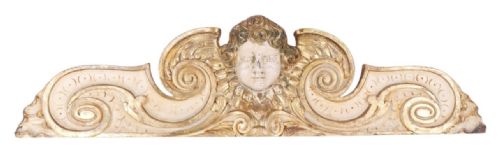
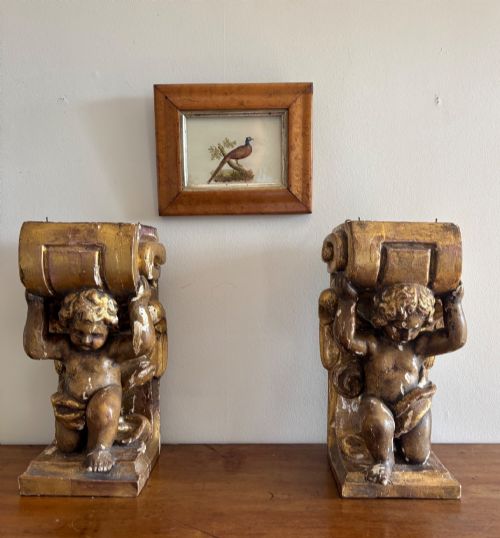
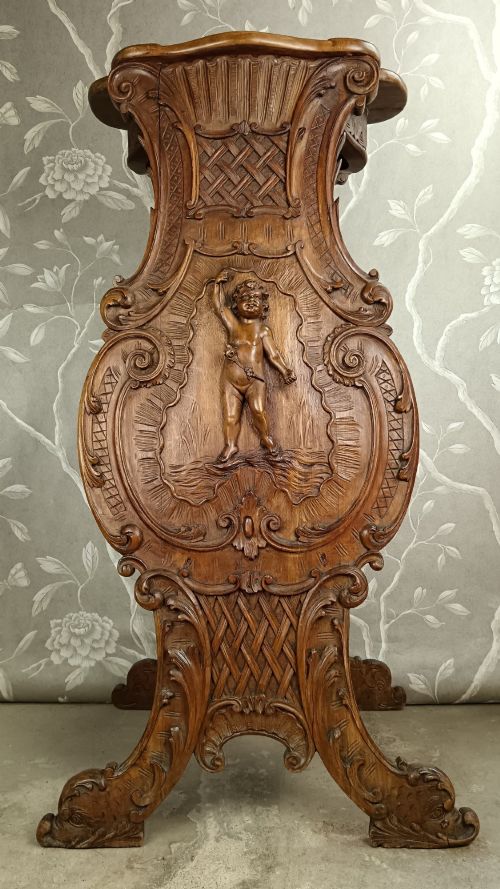
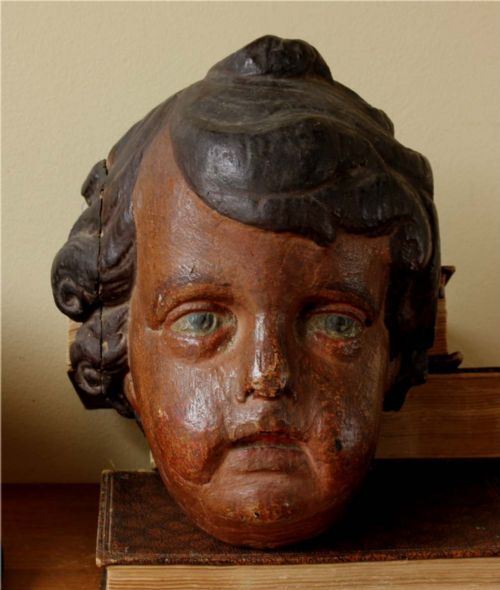
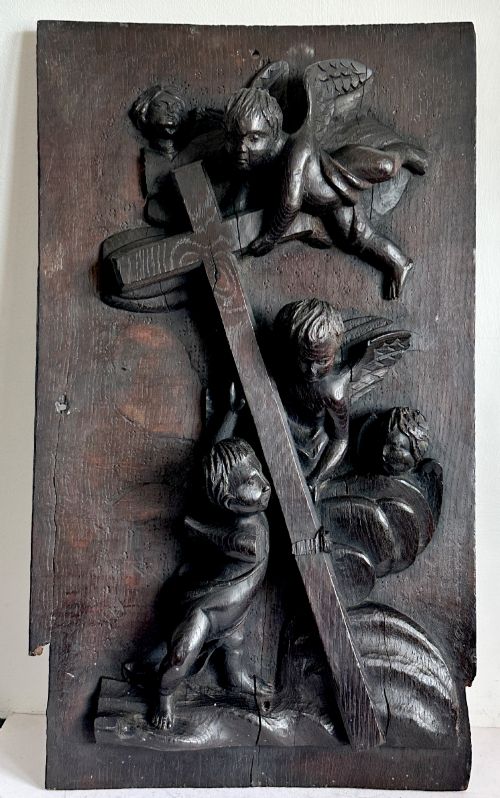
An antique carved cherub encompasses wooden wall brackets, architectural panels, and sculptural figures originating primarily from seventeenth-century Flemish workshops through to nineteenth-century continental revivals. These pieces frequently manifest as winged putti heads, candle sconces, and figural reliefs integrated into functional furnishings or decorative architectural elements.
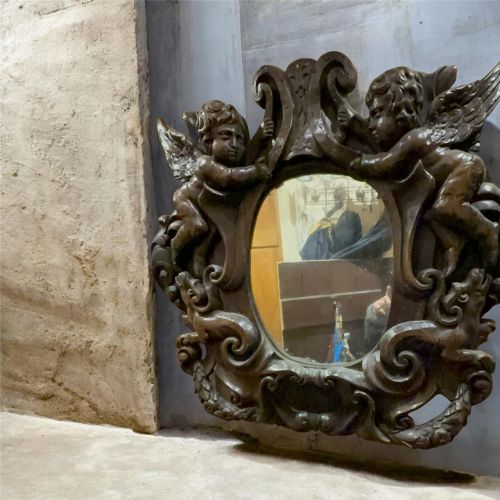
The objects span domestic and ecclesiastical contexts, appearing on oak panels, giltwood mirrors, and walnut torchieres. Buyers most commonly encounter nineteenth-century interpretations alongside earlier seventeenth and eighteenth-century Flemish and Italian fragments.
How they were made
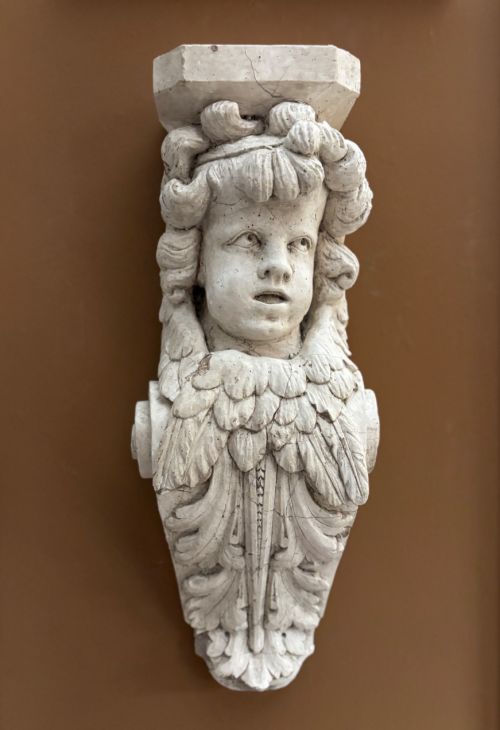
Artisans carved these figures predominantly from solid woods such as oak, walnut, fruitwood, and lime wood, utilising chisels and gouges to achieve high-relief anatomical forms. Grain direction dictated the depth of the carving, particularly on winged heads and corbels where delicate feather and facial details required dense timber.
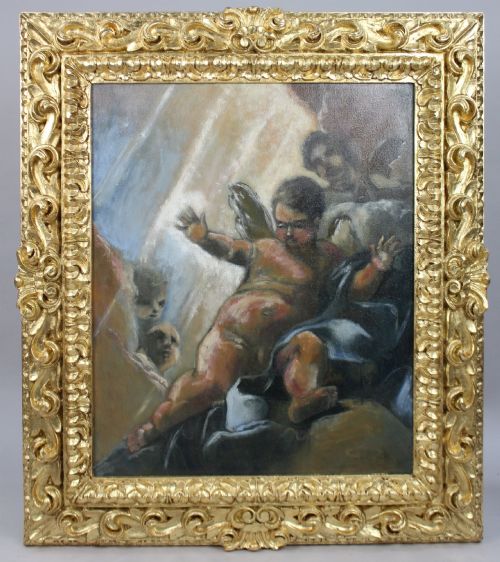
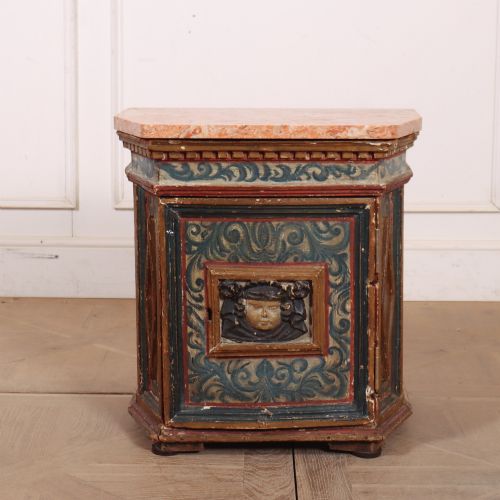
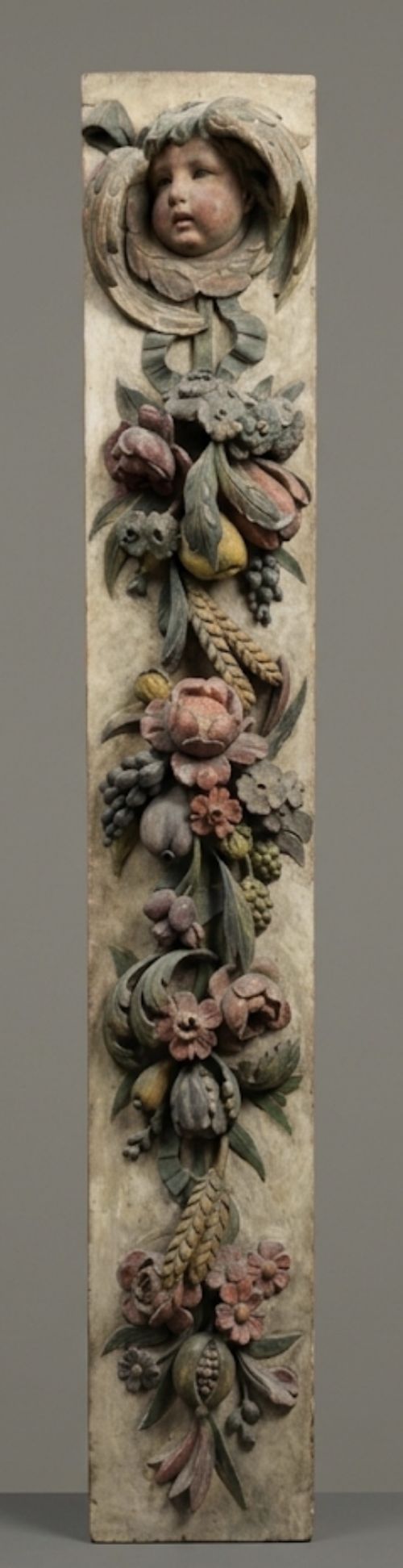
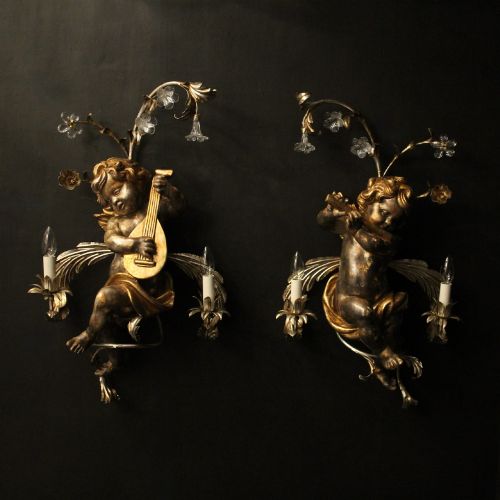
Many surfaces received layers of gesso and gold leaf or polychrome paint, particularly pieces executed in the Baroque and Rococo styles. Gilding methods involved applying thin gold leaf over a prepared chalk and glue ground, while polychrome examples employed oil or tempera pigments directly onto the wood.
One exceptional seventeenth-century carving depicts a cherub riding a dolphin while blowing enthusiastically into a cornucopia.
What varies in quality
Preservation of original surface treatments, such as untouched patination on seventeenth-century oak or intact period gilding, elevates an object. Subsequent overpainting or heavy sanding during later repairs diminishes the integrity of the original maker's hand.
The Antique Carved Cherub Glossary
- Putto
- A plump, naked male child depicted in classical art, often winged and synonymous with the cherub in Baroque and Renaissance sculpture.
- Giltwood
- Timber that has been coated with thin gold leaf over a prepared gesso ground, frequently utilised in ornate mirror frames and wall brackets.
- Corbel
- A structural bracket projecting from a wall to support a weight, often carved in human or figural form.
- Polychrome
- The practice of decorating architectural elements or sculptures in a variety of painted colours.
- Torchiere
- A tall ornamental stand or floor lamp base, frequently executed in carved walnut or giltwood during the Baroque period.
Antique Carved Cherub: Frequently Asked Questions
How do I date an antique carved cherub?
Dating relies heavily on wood species, tool marks, and stylistic indicators. Earlier pieces from the seventeenth century typically utilise dense oak or walnut with hand-adze marks, while later nineteenth-century revivals often display softer pine or machine-finished backing.
Examining the wear patterns and the method of assembly provides further confirmation of age. Original iron fixings or pegged joinery indicate earlier periods, whereas modern screws suggest later restoration or manufacture.
Where were these wooden cherubs originally placed?
Cherub carvings served primarily as architectural embellishments in domestic chateaux, churches, and civic buildings. They adorned overmantels, library bookcases, and structural corbels supporting ceiling beams.
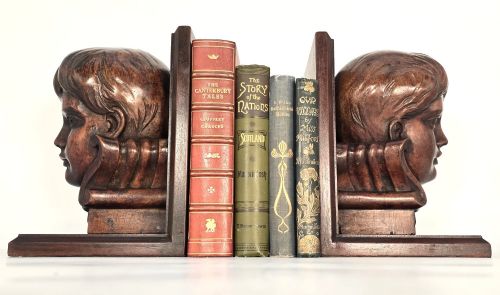
Smaller applications included furniture mounts, snuff boxes, and ecclesiastical bookends. Many surviving panels originated as decorative friezes or wall appliques within larger interior schemes.
How should I clean a carved giltwood cherub?
Maintenance requires dry dusting with a very soft artist's brush to remove particulate matter from deep crevices. Moisture must be strictly avoided, as water lifts fragile gold leaf and degrades underlying gesso.
Chemical cleaners and commercial polishes strip historic finishes and destroy the patina. Professional conservation is advised for any instance of flaking gesso or detached leaf.