


Antique Canton Ceramic Vase
An antique canton ceramic vase brings vibrant enamel palettes and intricate court scenes directly into a room.
Antique Canton Ceramic Vase
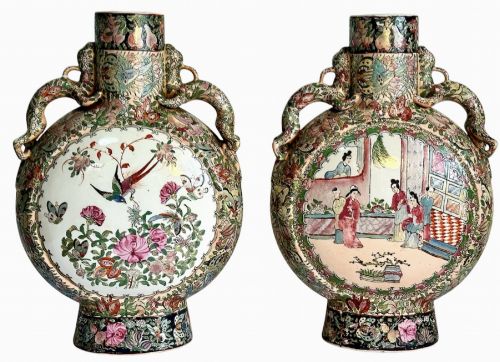
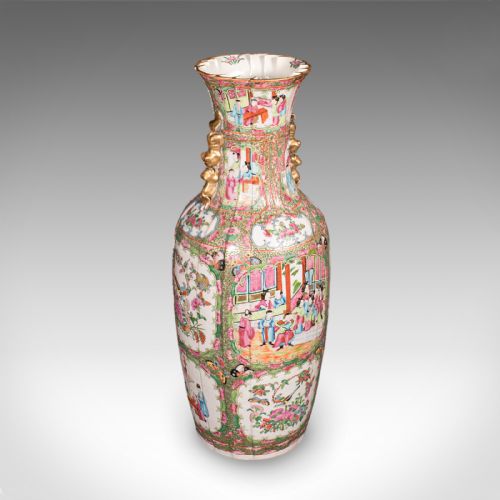
When searching for an antique canton ceramic vase, collectors encounter robust porcelain vessels decorated in the distinctive palette associated with southern Chinese export ware. The selection here predominantly comprises nineteenth-century examples, frequently manifesting as pairs, moon flasks, or monumental floor-standing pieces alongside standard table forms.
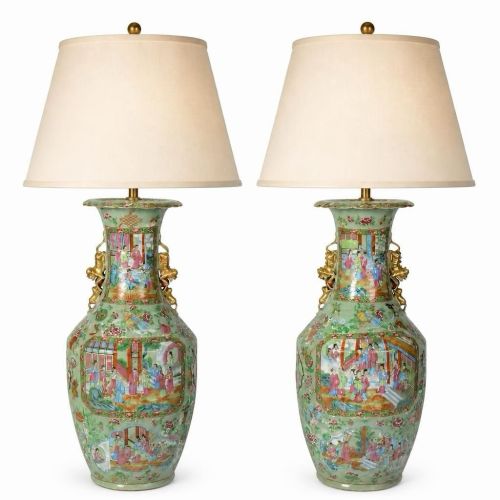
Many of these vessels arrived in Britain during the Victorian era and subsequently underwent conversion into table lamps utilising brass or gilt bronze mounts, or wood stands. Alongside traditional vases, the listings include umbrella stands and centrepieces bearing familiar Rose Medallion motifs and narrative court scenes.
The aesthetic bridges Qing Dynasty craftsmanship with nineteenth-century British interior tastes, creating hybrid pieces that served both decorative and functional purposes in period homes. These vessels reflect the extensive trade networks connecting Canton workshops with European markets during the nineteenth century.
Materials and construction methods
The foundation of an antique canton ceramic vase rests upon white porcelain body clay, thrown or moulded into specific shapes before initial firing. Artisans then applied colourful enamel paints by hand, combining opaque pinks, greens, and blues with gold leaf highlights to delineate complex figural and floral compartments.
Subsequent firing fixed the enamel pigments to the porcelain surface, after which skilled metalworkers occasionally fitted the vessels with ormolu or gilt bronze mounts. Additional materials such as wood and fabric frequently appear in associated display stands or lamp fittings added during later Victorian adaptations.
The listings span the nineteenth and early twentieth centuries, featuring porcelain vases, moon flasks, and umbrella stands with enamel and gold leaf decoration.
Judging quality and execution
Quality in an antique canton ceramic vase lies in the precision and density of the hand-painted enamelwork, where superior examples exhibit finely detailed facial expressions and crisp border patterns. The vibrancy of the enamel colours and the generous application of gold leaf separate master-painted compositions from more hurried workshop production.
The physical scale and structural integrity of the porcelain also dictate the standing of the piece, particularly with monumental floor vases and large moon flasks that demand exceptional kiln control. Furthermore, the finesse of any associated metal mounts or conversion work influences the overall cohesion and visual success of the object.
The Antique Canton Ceramic Vase Glossary
- Rose Medallion
- A distinct style of Chinese export porcelain decorated with alternating panels of figures and birds, centered around a medallion motif. This decorative scheme dominates the nineteenth-century pieces found within these listings.
- Famille Rose
- A major palette of Chinese ceramic glazes featuring opaque pink or rose enamel, introduced during the Qing Dynasty. It forms the chromatic base for the pictorial scenes painted on Canton porcelain.
- Moon Flask
- A flattened, circular pilgrim flask with a narrow neck and small loop handles, often mounted on a fitted base. These balanced vessels provide a distinct canvas for intricate panel painting.
- Ormolu
- Gilt bronze mounts applied to the rim, base, or handles of ceramic vessels to enhance their decorative appeal. This technique became popular when nineteenth-century pieces were adapted into lamps.
- Qing Dynasty
- The final imperial dynasty of China, ruling from sixteen-forty-four to nineteen-twelve. Pieces originating from this era span the transition from traditional export wares to Victorian-market adaptations.
Antique Canton Ceramic Vase: Frequently Asked Questions
What is a rose medallion vase?
A rose medallion vase is a piece of Chinese export porcelain decorated with segmented panels containing figures, birds, and flowers arranged around a central circular motif. These vessels were produced in large quantities during the nineteenth century for Western markets.
The palette relies heavily on pink enamel alongside greens, blues, and gold leaf highlights. They frequently appear in pairs and were often converted into table lamps during the Victorian period.
How do I date an antique canton vase?
Dating relies on examining the characteristics of the porcelain body, the style of the enamel painting, and any associated metal mounts or recorded provenance. Nineteenth-century examples typically display specific Qing Dynasty export traits combined with European conversion fittings.
Changes in porcelain weight, enamel saturation, and mounting techniques help narrow the production window. Most pieces found here reflect the aesthetic preferences of the Victorian era when these imports reached British homes.
Were these vases made as lamps?
Many nineteenth-century vessels were originally manufactured as decorative vases or umbrella stands rather than lighting fixtures. They were subsequently adapted by adding brass, gilt bronze, or ormolu mounts to accommodate electrical wiring.
This secondary usage preserves the painted porcelain body while transforming the object into a functional table lamp. Such conversions often incorporate wooden bases to ensure stability.
Where were canton vases made?
These pieces were produced in workshops located near Canton, the southern Chinese port city designated for foreign trade during the Qing Dynasty. Artisans decorated white porcelain blanks sourced from interior kilns specifically for export.
The finished goods left the port on merchant ships bound for European and American markets, satisfying a strong Western demand for oriental ceramics.