
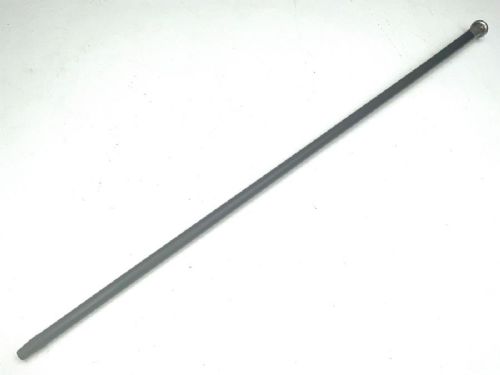
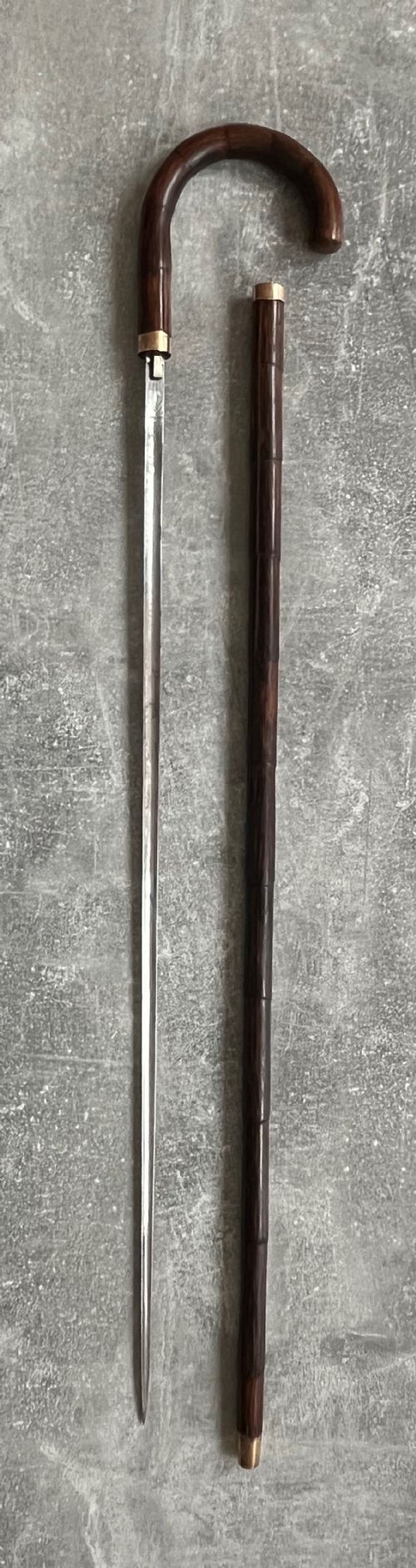
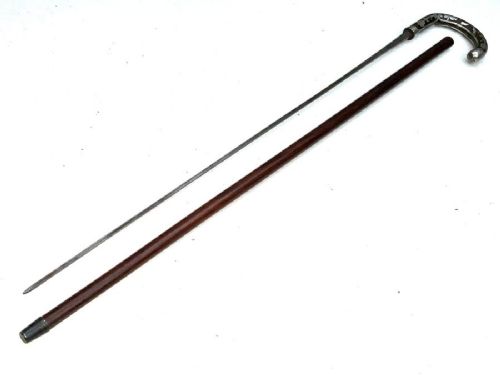
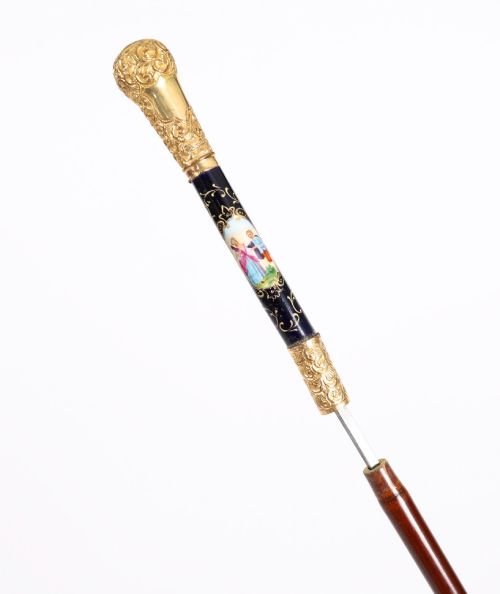
Antique Cane with Blade
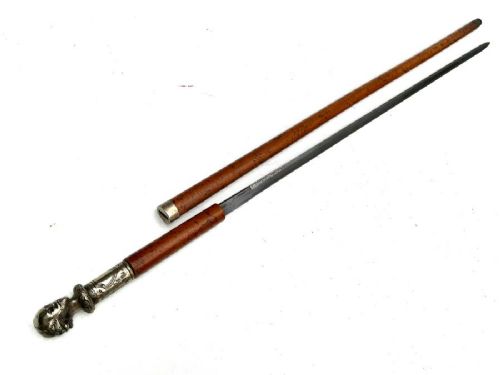
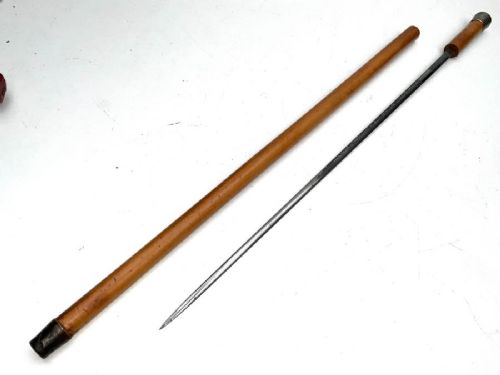
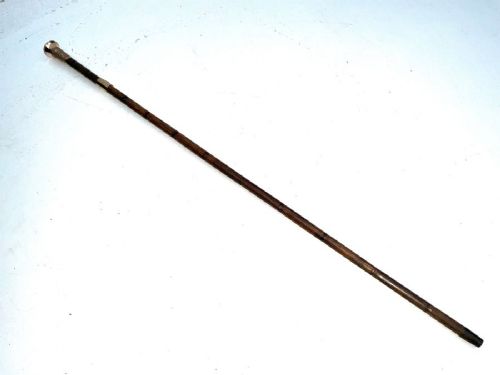
An antique cane with blade is a gentleman's walking stick concealing a hidden steel sword, offering both discrete support and personal protection.
Understanding the antique cane with blade
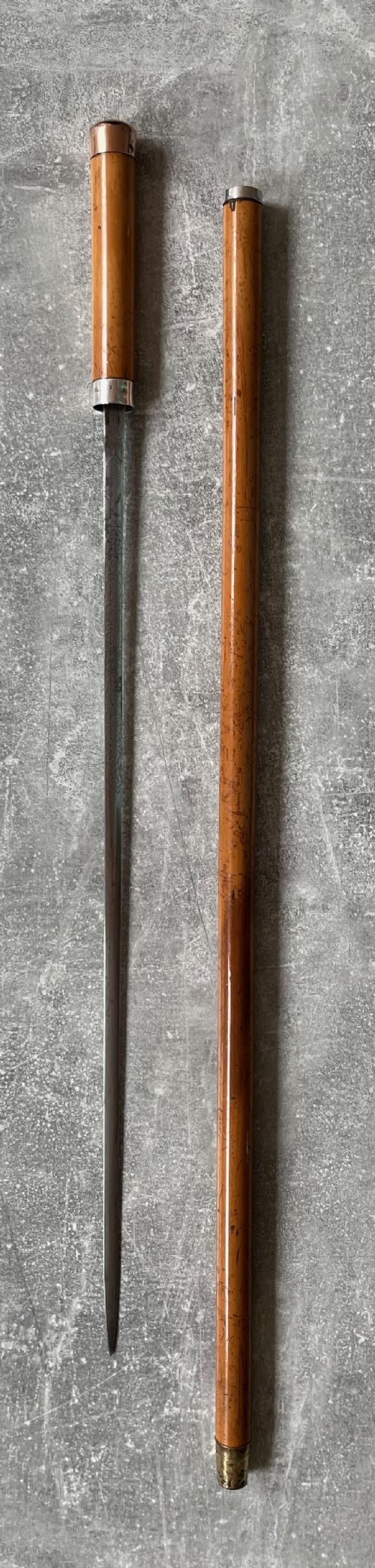
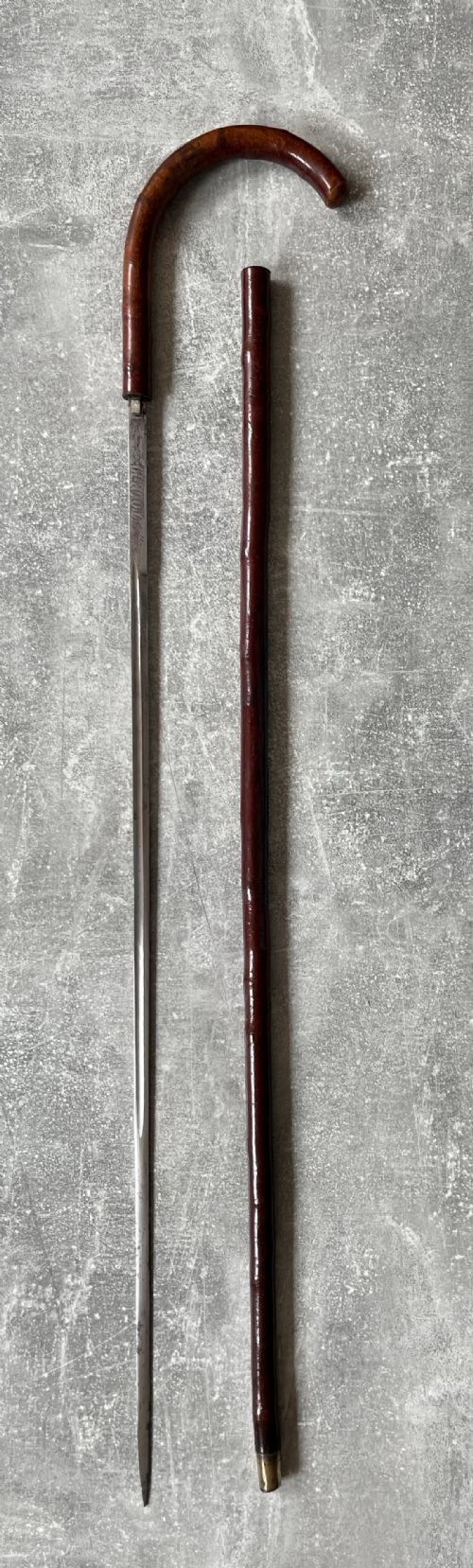
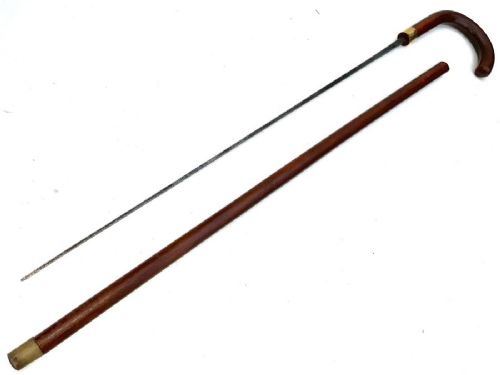
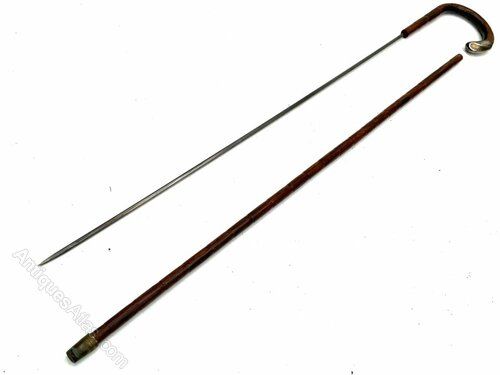
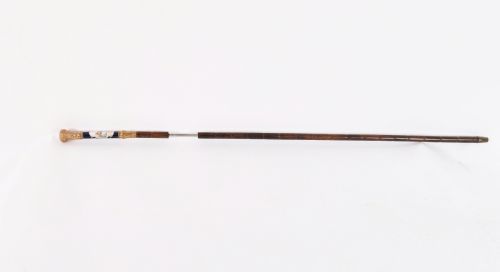
An antique cane with blade, also known as a sword stick, combines the daily utility of a walking cane with a concealed steel weapon. These pieces are most frequently encountered from the Victorian and Edwardian eras, spanning the late nineteenth and early twentieth centuries.
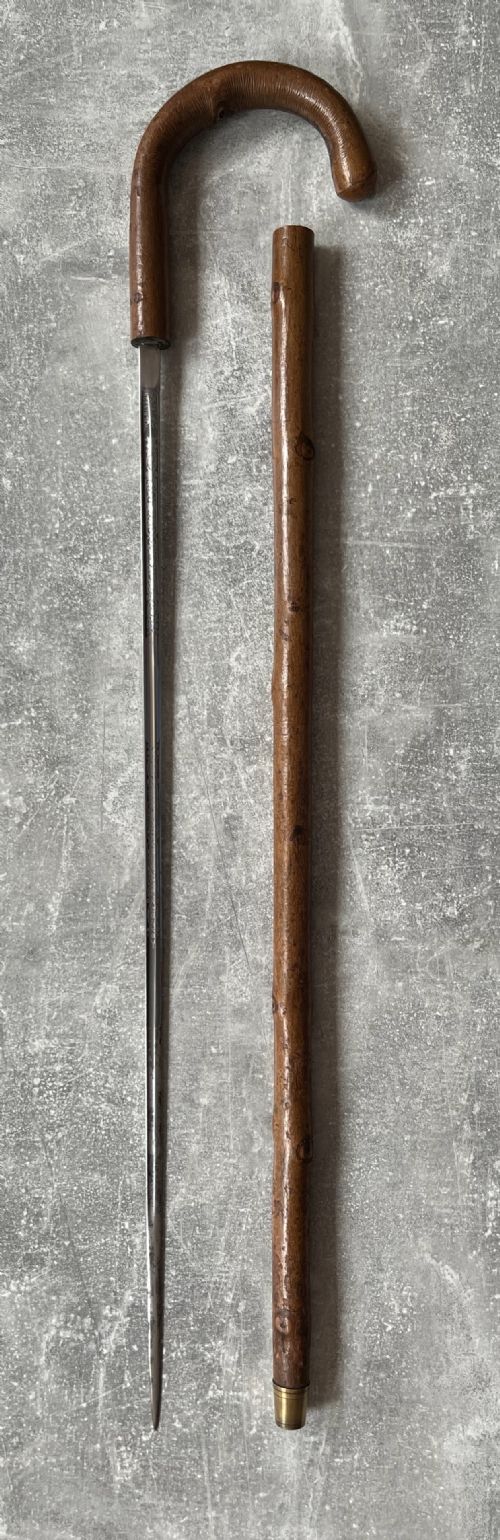
The form typically presents as a standard gentleman's walking stick, utilising timber shafts paired with functional handles. Makers housed the blades securely within the wooden bodies until released via a locking mechanism or friction fit.
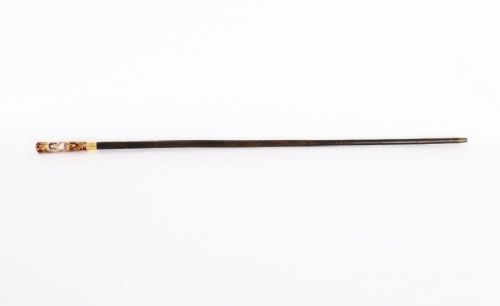
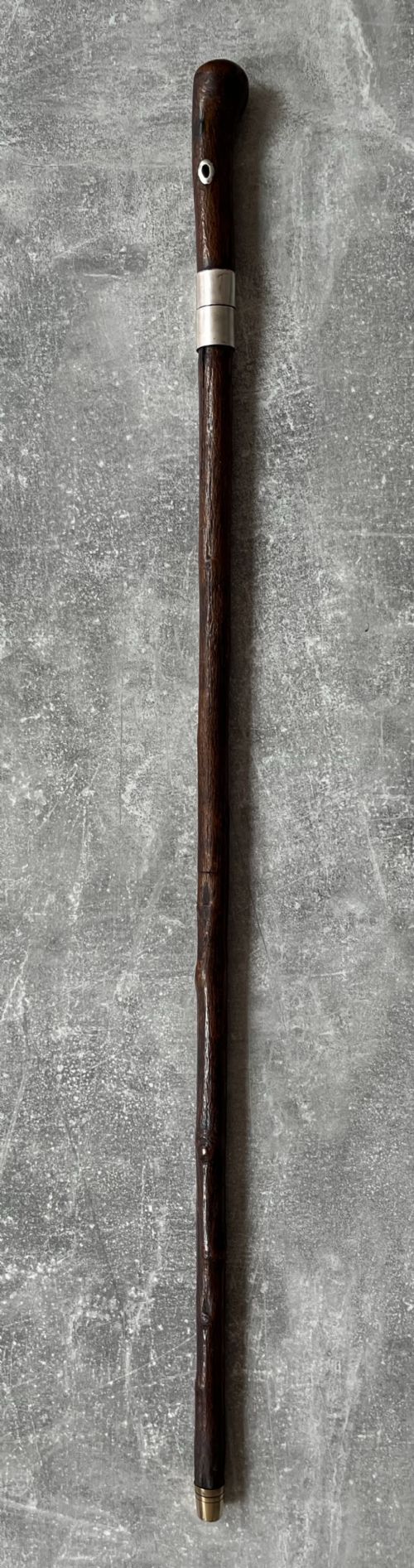
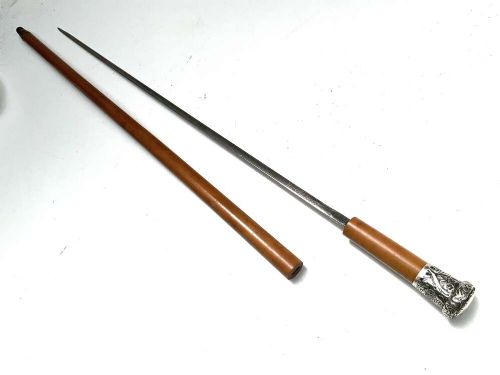
Examples on this page appear in various timber shafts, including malacca, partridge wood, and holly wood, often fitted with metal mounts. Collectors find these pieces valued for their dual role as fashion accessories and defensive items of the period.
Construction and materials
Makers constructed the exterior shafts from natural timbers such as malacca, partridge wood, and holly wood, sometimes applying leather coverings over the core. Handles and mounts utilised brass, silver, and gold to finish the top knop and collar.
The concealed blade is formed from steel, sometimes featuring etched or decorated surfaces down the length of the metal. The shaft is accurately hollowed out to house the blade snugly, ensuring the cane retains structural integrity while walking.
Retail Price Guide 2026
Typical UK retail prices for cane with blade, calculated from the Sellingantiques database of over a million retail prices indexed since 2003. This retail price guide relies exclusively on Sellingantiques data; no external sources or auction records are used, so the figures do not describe the wider market.
Mount materials recorded across these walking sticks include brass, silver, gold, and leather coverings over the wooden core.
Assessing quality and craftsmanship
Quality rests in the precision of the join where the handle meets the shaft, separating standard utility pieces from finer items with precious metal mounts in gold and silver. A tight, seamless closure when sheathed indicates superior joinery by the maker.
The refinement of the steel blade itself dictates the standard of the piece, with named maker marks on the metal elevating the status of the stick. The choice of rarer timbers like malacca and the artistic detail of decorative silver knops further distinguish the superior examples.
The Antique Cane with Blade Glossary
- Sword stick
- A walking cane fitted with a concealed internal blade. This term defines the primary function of the items listed here.
- Knop
- The handle or top of a walking stick. These terminals range from simple root wood to decorated silver and gold mounts.
- Malacca
- A slender rattan palm imported from Southeast Asia and prized for walking stick shafts. Its characteristic mottled brown finish makes it highly desirable.
- Partridge wood
- A dense tropical timber exhibiting a distinctive partridge-feather pattern. Makers utilised this durable wood for robust walking stick shafts.
- Mounts
- Metal collars and fittings applied to the handle and shaft. They provide structural reinforcement and decorative contrast in silver, brass, or gold.
Frequently Asked Questions
What is an antique cane with blade?
An antique cane with blade is a gentleman's walking stick that conceals a steel sword inside its wooden shaft. These pieces served as dual-purpose accessories for fashion and protection during the Victorian and Edwardian periods.
They appear in various woods like malacca and partridge wood, often finished with silver or gold mounts. The blade remains safely locked inside until drawn for use.
How do you open a sword stick?
Most sword sticks utilise either a screw mechanism, a catch release, or a simple friction fit to secure the handle to the shaft. Twisting or pulling the handle separates it from the body, revealing the concealed steel blade.
Care should be taken when handling older mechanisms to avoid damaging the internal wooden channel that houses the metal.
What woods were used for these canes?
Makers utilised dense and resilient timbers capable of being hollowed out to hold a steel blade without warping. Common varieties include malacca, partridge wood, and holly wood, sometimes wrapped in leather.
These natural materials were selected for both their straight grain strength and their decorative appearance as gentleman's accessories.
How do you date a sword stick?
Dating relies on the style of the handle, the materials used, and any hallmarks found on silver or gold mounts. Victorian and Edwardian examples often feature specific decorative motifs and timber choices characteristic of the late nineteenth and early twentieth centuries.
Maker signatures or proof marks etched onto the steel blade can also help pinpoint the exact era of production.