
Antique Cane Chair
An antique cane chair brings woven texture and historical form into a room, offering resilient seating shaped across centuries of changing design.
The Form and Character of the Antique Cane Chair
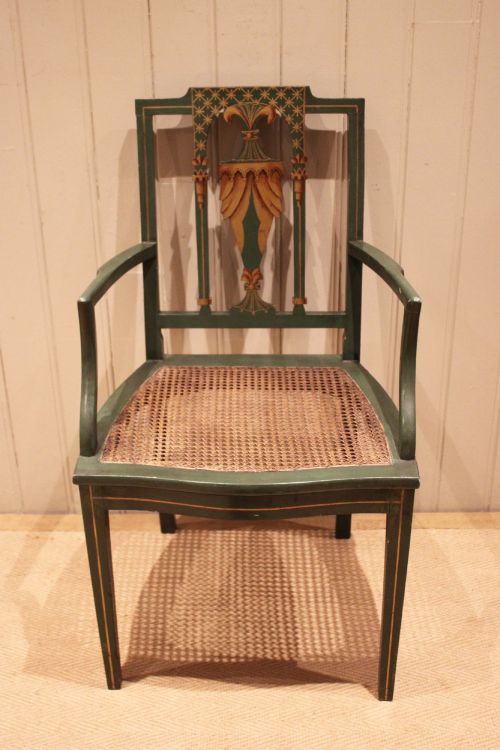
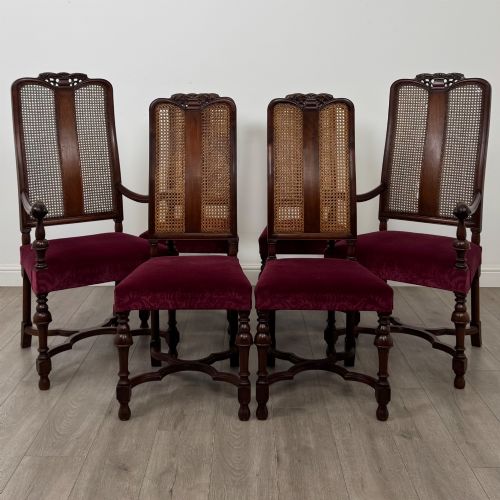
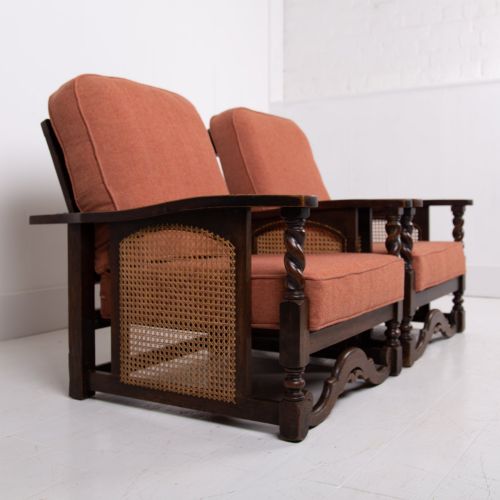
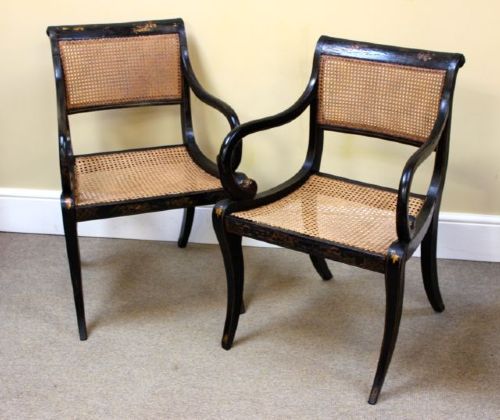
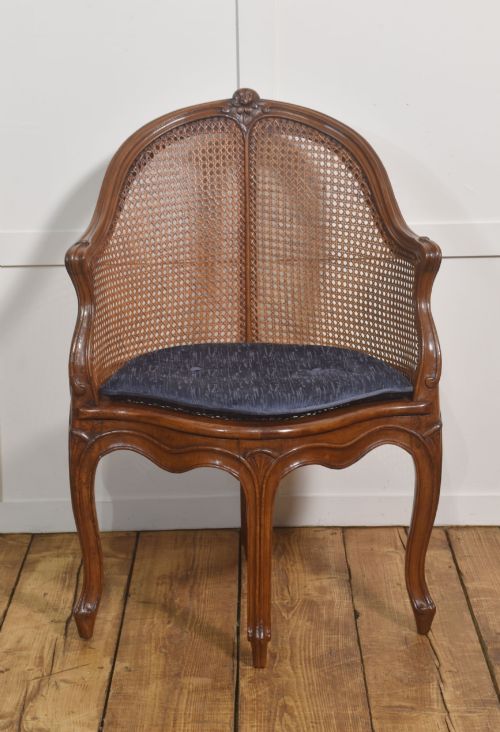
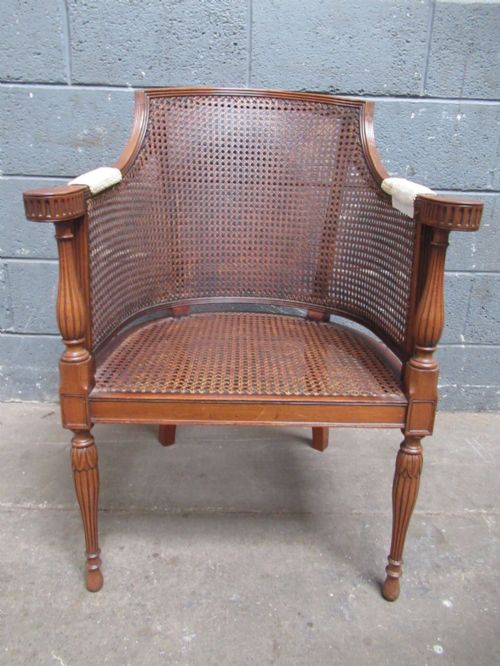
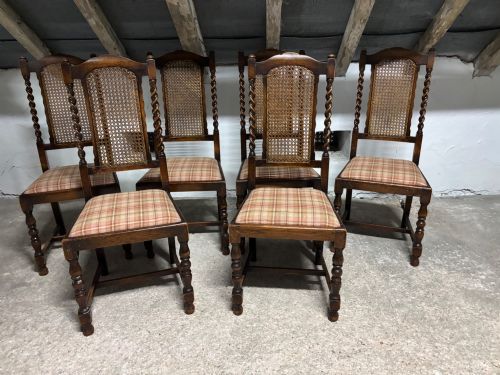
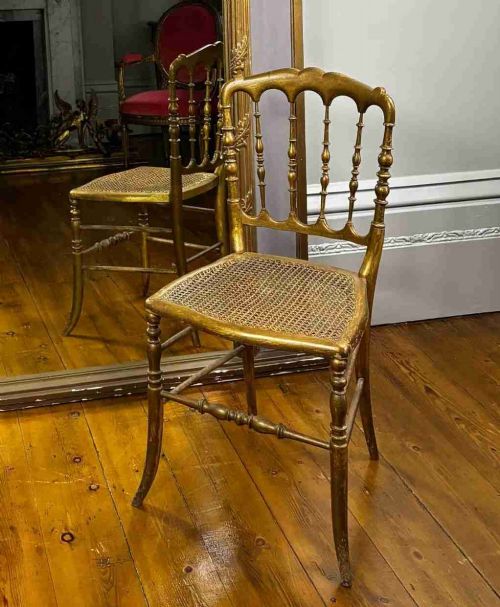
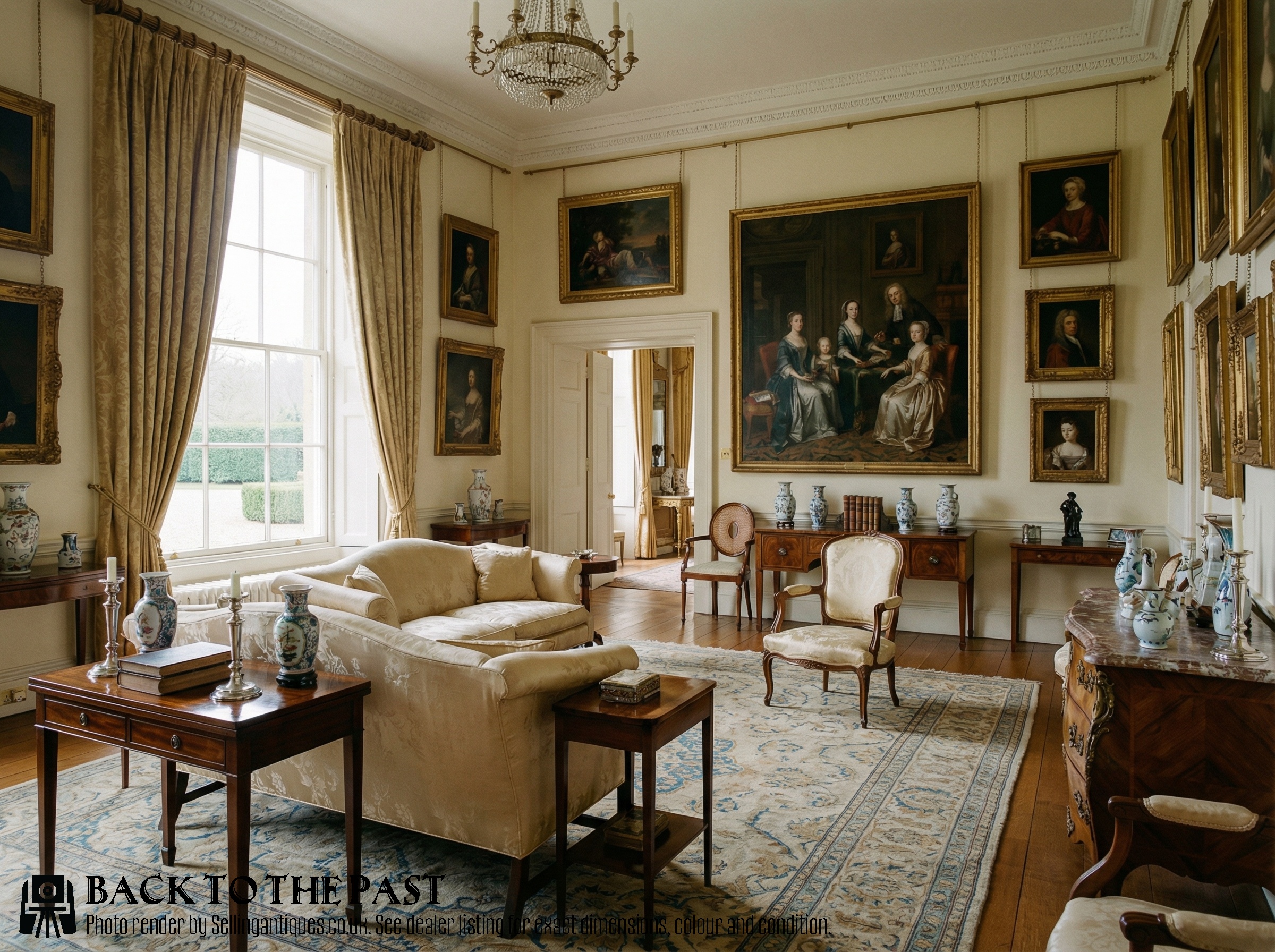
An antique cane chair encompasses seating from compact bedroom side chairs to deep-seated library armchairs and dining sets. Buyers seek these pieces for their combination of architectural woodwork and flexible woven panels that lighten the visual weight of heavy timbers.
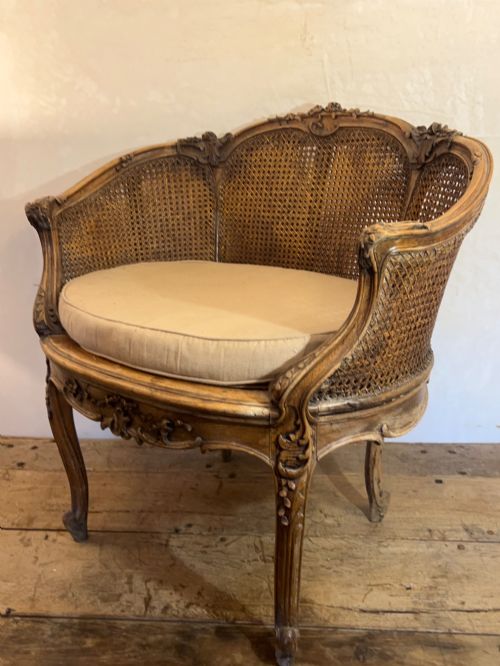
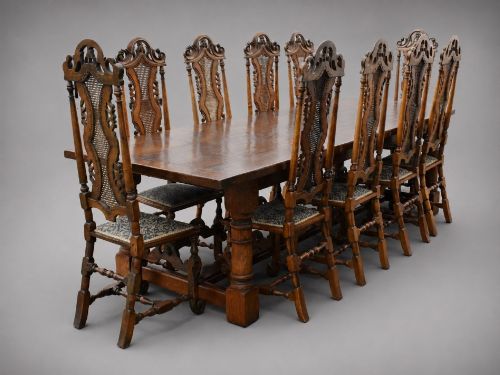
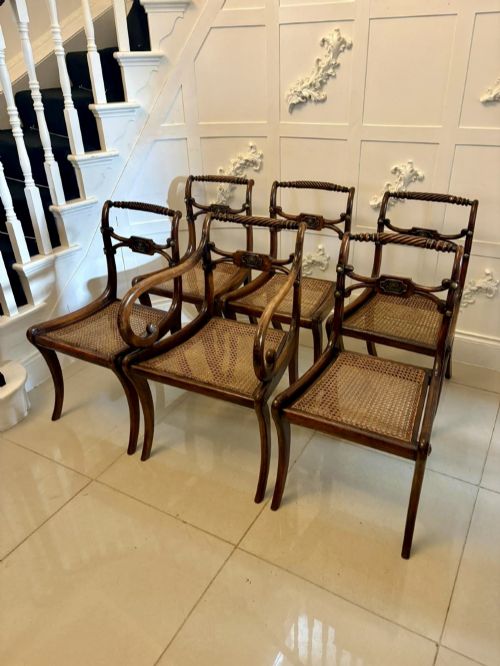
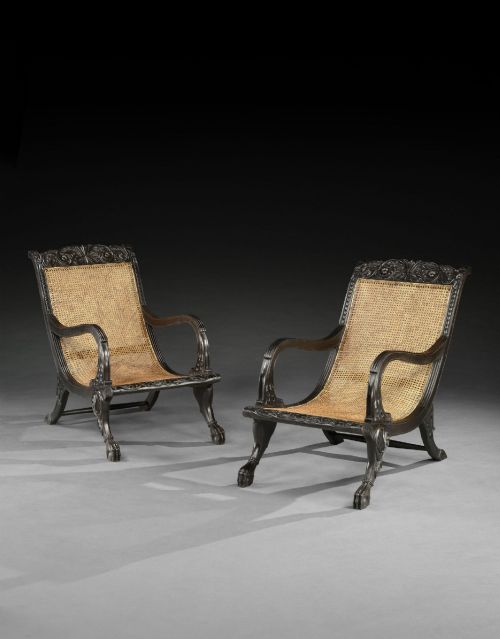
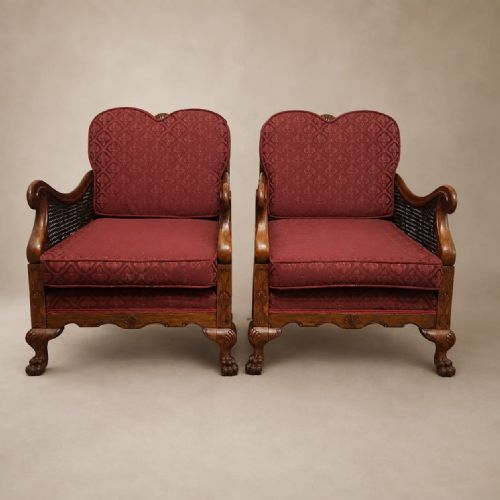
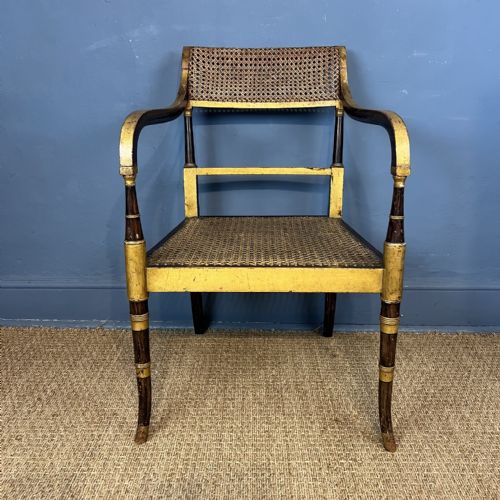
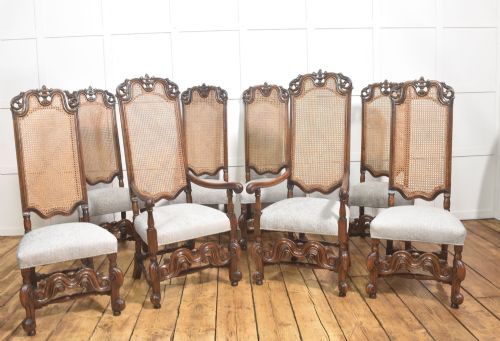
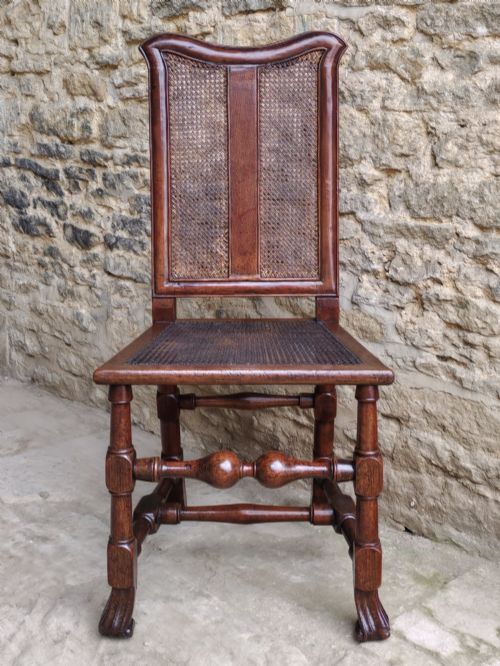
The selections available here span from seventeenth-century walnut frames and Regency mahogany dining seats to Edwardian salon chairs and nineteen-twenties bergere armchairs. Armchairs and side chairs dominate the forms, utilising woods like oak, mahogany, walnut, and ebony alongside split cane, rattan, and rush.
Early periods provide imposing high-backed oak and walnut structures, while later nineteenth and twentieth-century examples introduce comfortable sprung seats, reclining steamer mechanisms, and exotic woods. Each piece reflects the domestic habits of its period, balancing decorative carving with practical utility.
Materials and Construction Techniques
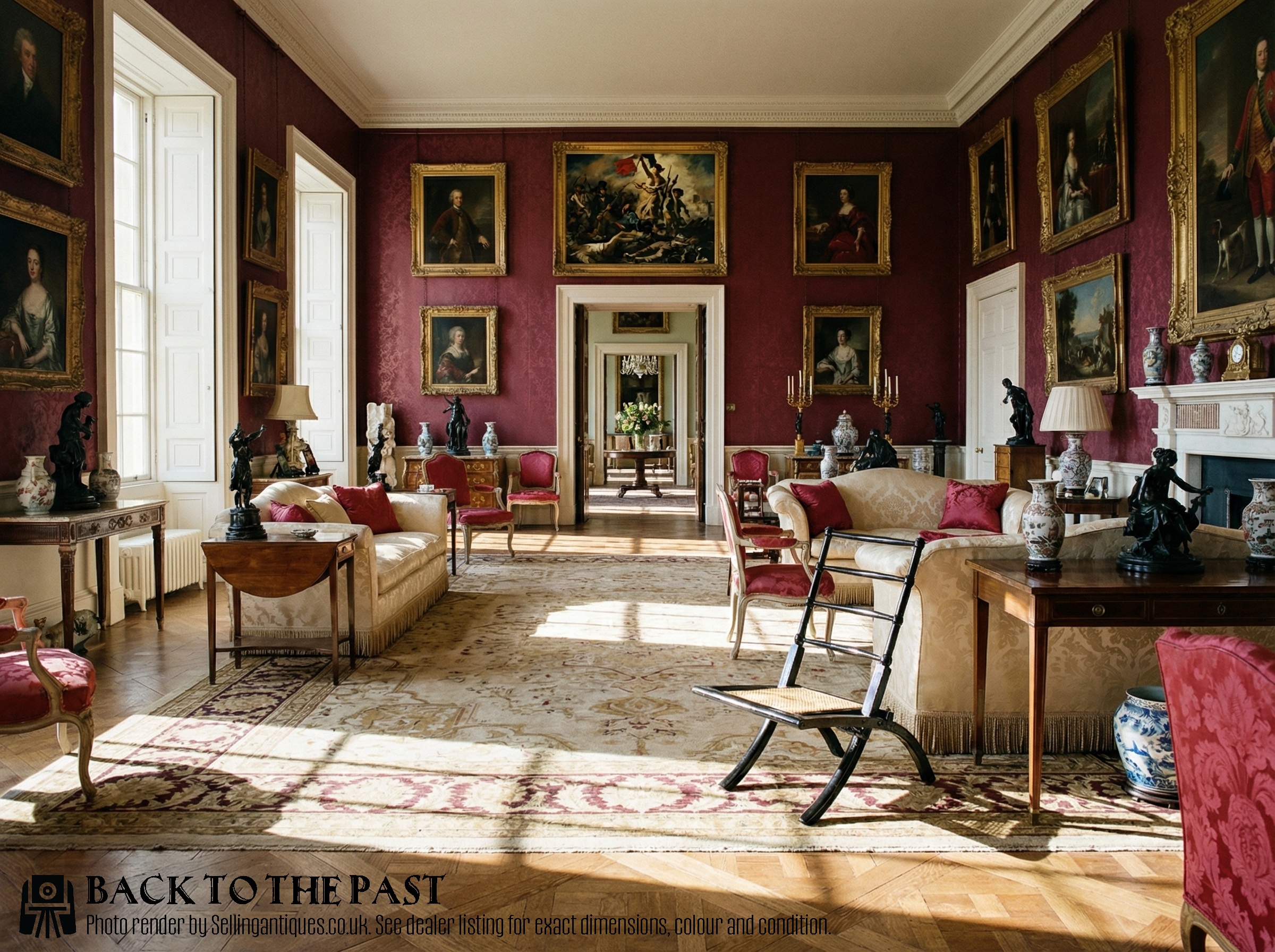
Frames are constructed from solid hardwoods including mahogany, oak, walnut, beech, and ebony, shaped through traditional joinery such as mortise and tenon. Cabinetmakers turned spindles, carved cabriole legs, and polished timber surfaces to highlight natural grain patterns and applied finishes like ebonising.
Woven panels utilise cane, split cane, and rattan threaded through drilled holes in the wooden frames or secured within channeled grooves. Skilled hands created intricate mesh patterns that provide tension, breathability, and durability under daily use.
Retail Price Guide 2026
Typical UK retail prices for cane chair, calculated from the Sellingantiques database of over a million retail prices indexed since 2003. This retail price guide relies exclusively on Sellingantiques data; no external sources or auction records are used, so the figures do not describe the wider market.
Some folding campaign steamer chairs were built to travel across oceans, keeping Victorian passengers upright while waves tossed the deck.
Distinctions in Execution and Design
Quality rests in the precision of the timber frame carving, the selection of figured veneers or dense solid woods, and the tightness of the woven cane mesh. Finer examples display harmonious proportions, crisp decorative details such as brass mounts or inlaid motifs, and structural integrity across joints.
Secondary pieces often rely on simpler turned components and standard factory production from the Edwardian era or the nineteen-twenties. The integration of original upholstery, distinctive wood selection like satinwood or burr walnut, and untouched surface patination elevate individual examples.
E W Godwin·Dryad·Birchcraft High Wycombe
The Antique Cane Chair Glossary
- Bergere
- An enclosed upholstered armchair with wooden framing and cane sides or back panels. This French form gained popularity during the Regency and Edwardian periods for drawing rooms and libraries.
- Cane
- The peeled bark of the rattan palm used for weaving flexible seating panels. It offers high tensile strength and a light texture.
- Ebonised
- Timber treated with a dark stain or finish to imitate ebony. This technique appears frequently on nineteenth-century aesthetic movement furniture.
- Regency
- An English design style spanning the early nineteenth century characterised by classical revival motifs and refined silhouettes. Pieces often feature sabre legs, brass inlay, and simulated rosewood finishes.
- Split cane
- Cane cut lengthwise to provide a flat ribbon for intricate weaving patterns. It appears widely on twentieth-century chairs and bergere suites.
Frequently Asked Questions
How do I care for cane seats?
Maintain cane flexibility by wiping the woven surface occasionally with a damp cloth to prevent the natural fibres from drying out and snapping.
Avoid placing these chairs near direct heat sources or radiators, which accelerate timber shrinkage and embrittle the rattan material.
Can antique cane chairs support daily sitting?
Solid hardwood frames and intact multi-strand woven panels easily handle regular use in modern domestic settings.
Inspect the tension of the mesh before heavy daily deployment, as aged cane can sag or snap under excessive localized pressure.
How do I date an oak cane chair?
Examine the timber colour, joinery methods, and turning styles to distinguish seventeenth-century styles from later twentieth-century revival pieces.
Early examples display heavy hand-carved oak framework, while later twentieth-century interpretations utilise machine-turned spindles and split cane.