
Antique Candlestick Light
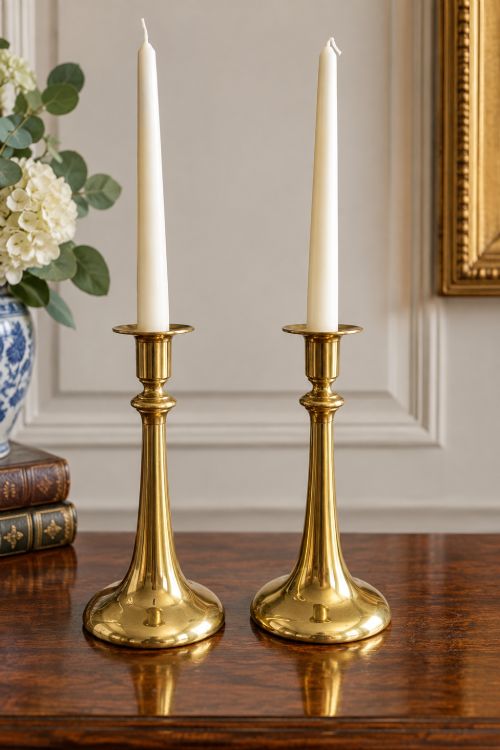
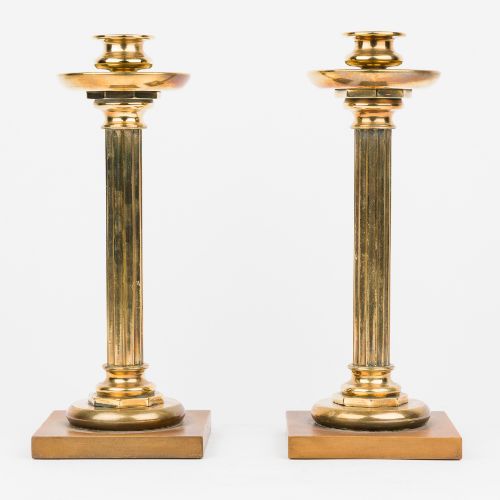
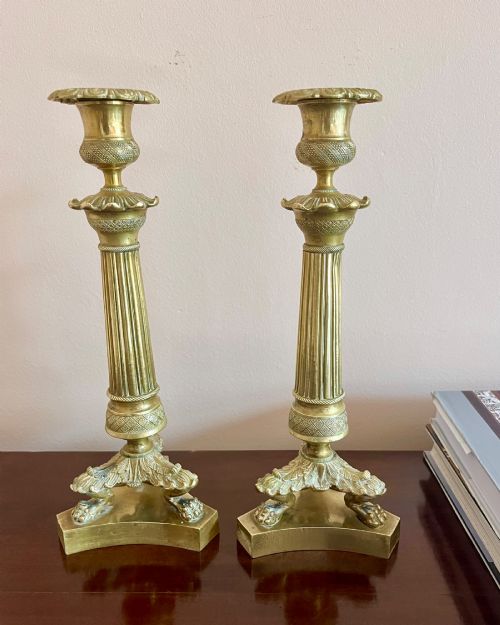
An antique candlestick light brings the warm, sculptural presence of period metalwork, wood, and ceramic into a modern room.
Antique Candlestick Light
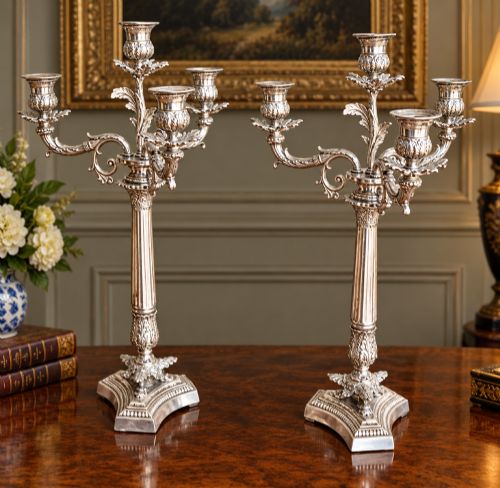
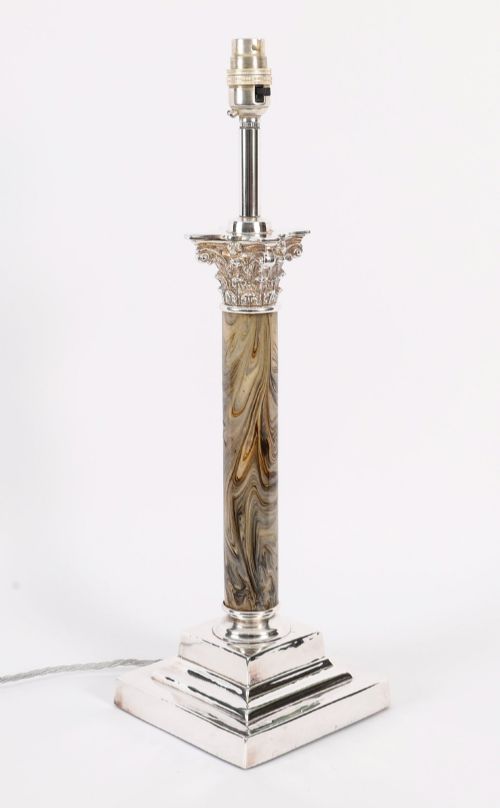
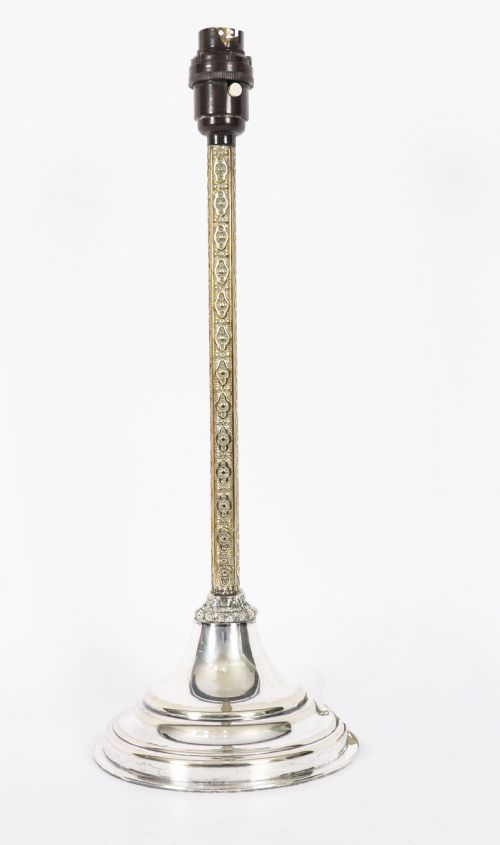
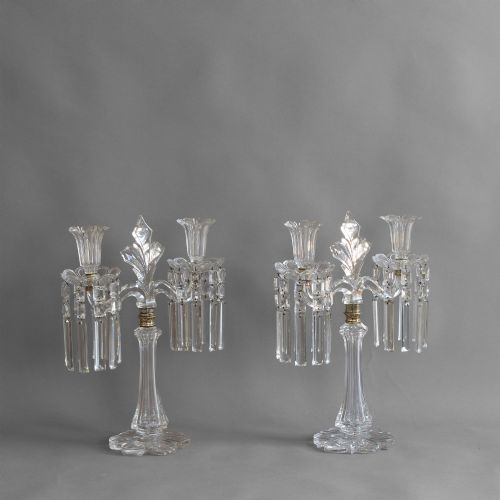
When searching for an antique candlestick light, buyers encounter pieces spanning from early brass forms to converted Victorian and Edwardian table lamps. The selection includes tall floor torcheres, multi-branch candelabra, wall sconces, and mantel lustres alongside traditional single candlesticks.
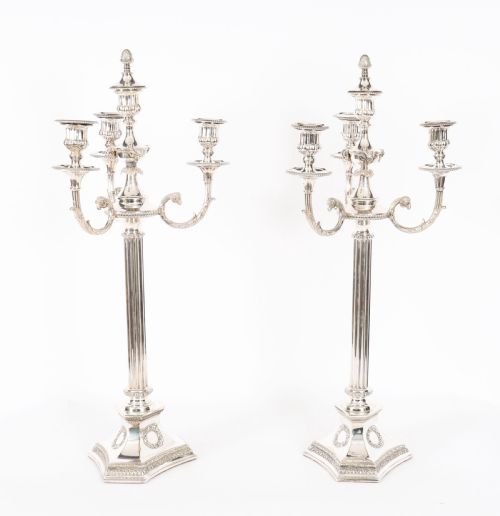
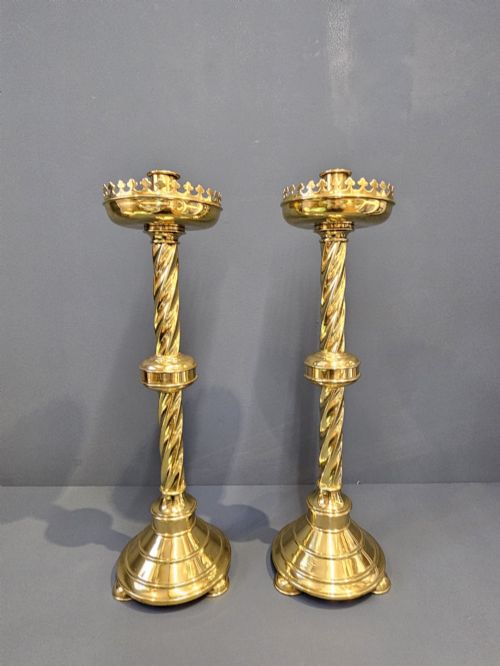
The most common versions met on this page are 19th-century and Georgian brass candlesticks, alongside silver-plated candelabra and later table lamps adapted from earlier lighting fixtures. These objects bridge the gap between functional household illumination and decorative period sculpture.
How they were made
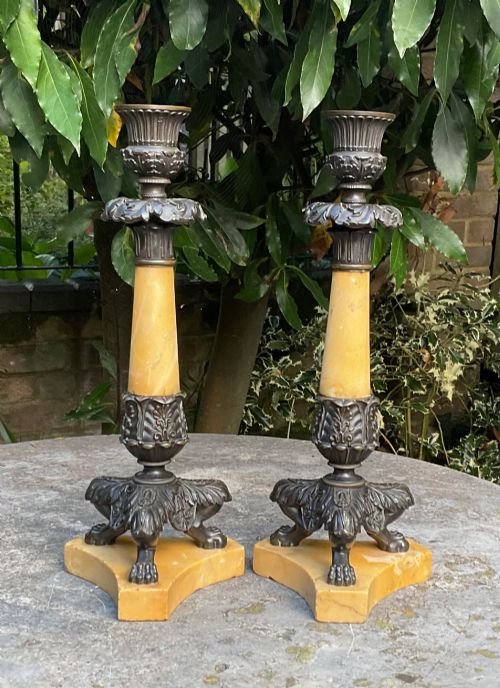
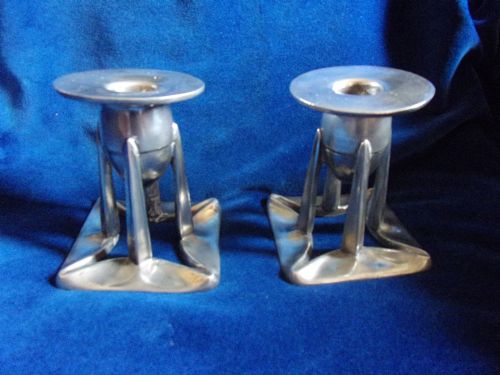
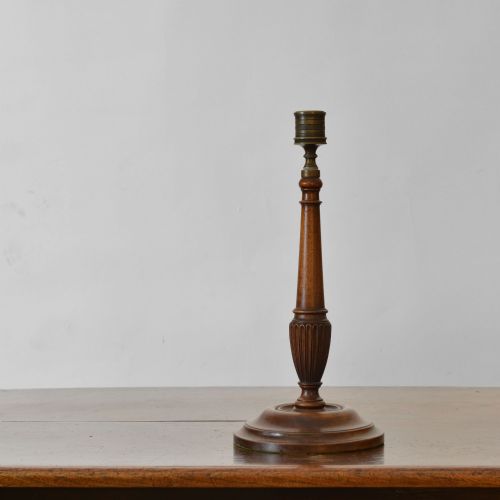
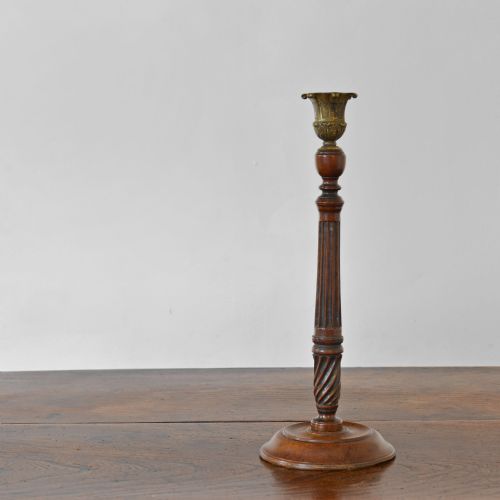
Makers utilised cast and sheet metals, turning brass, bronze, ormolu, and pewter into structural shafts and weighted bases. Many pieces incorporate secondary materials such as carved marble, turned mahogany and fruitwood, or porcelain elements.
Surface treatments range from mercury gilding and silver plating to lacquered finishes and parcel-gilt details. Decorative items frequently relied on chased ornamentation, applied motifs, and hand-carving to achieve their final textures.
The listings span multiple centuries, uniting heavy 16th-century Dutch brass designs with elegant Georgian mahogany stems and ornate 19th-century gilt bronze.
What varies in quality
Quality depends upon the crispness of the casting and the weight of the metal used in the construction. Heavier components and deeply chased surface details separate superior workshop output from simpler commercial production.
The integrity of the form, preservation of original gilding or patination, and the balance of secondary materials like marble or wood dictate the standing of an individual piece.
Mappin & Webb's·Archibald Knox·Barbedienne·Francois Redmond·Flight Barr Barr
The Antique Candlestick Light Glossary
- Ormolu
- A finely ground high-carat gold-mercury amalgam applied to a bronze base. This technique produces a rich, matte yellow finish characteristic of French decorative arts.
- Pricket candlestick
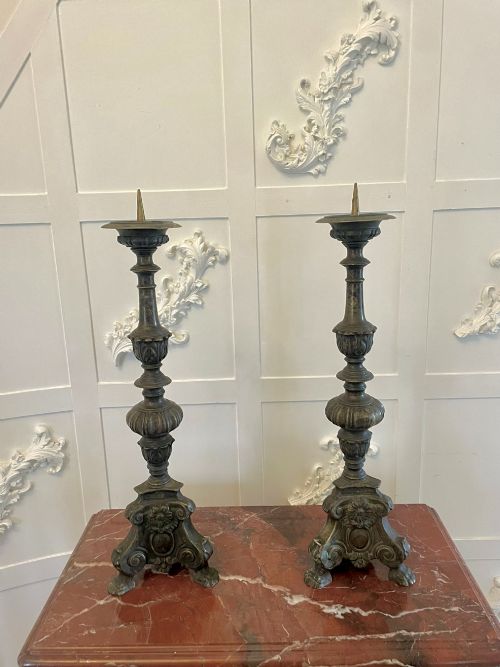
- A spike-topped candlestick designed to hold a candle with a hollow base rather than a socket. These are frequently found on church or altar candlesticks.
- Mantel lustre
- A decorative ornamental vase or stand hung with cut glass prisms. They were traditionally placed on fireplace mantels to reflect ambient light.
- Heemskerk
- An early type of brass candlestick featuring a central drip pan and a bell-shaped base. They originate from Dutch workshops of the 16th and 17th centuries.
Antique Candlestick Light: Frequently Asked Questions
How do I wire a candlestick for electricity?
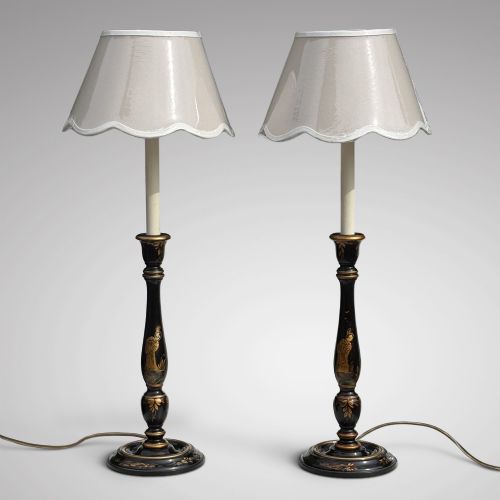
Conversion usually involves running a slim flex cord through the central column without altering the exterior metalwork. Many examples are found already adapted into table lamps.
Working with a professional ensures the antique structure remains protected and complies with modern safety standards.
How should I clean antique brass and bronze?
Dusting with a dry, soft cloth is sufficient for routine maintenance. Avoid aggressive metal polishes that strip away the historical patina.
Preserving the darkened surface areas maintains the visual depth built up over centuries of handling and exposure.
How do I date a brass candlestick?
Dating relies on manufacturing techniques, such as the presence of seam lines from early casting methods or lathe marks on the underside. Base shapes and socket designs also evolved significantly from the 17th to the 19th century.
Comparing construction details with dated examples in historical archives clarifies the period of origin.