

Antique Cabinet with Legs
An antique cabinet with legs offers elevated storage and display, bringing character and practical surface space to any room through varied period designs.
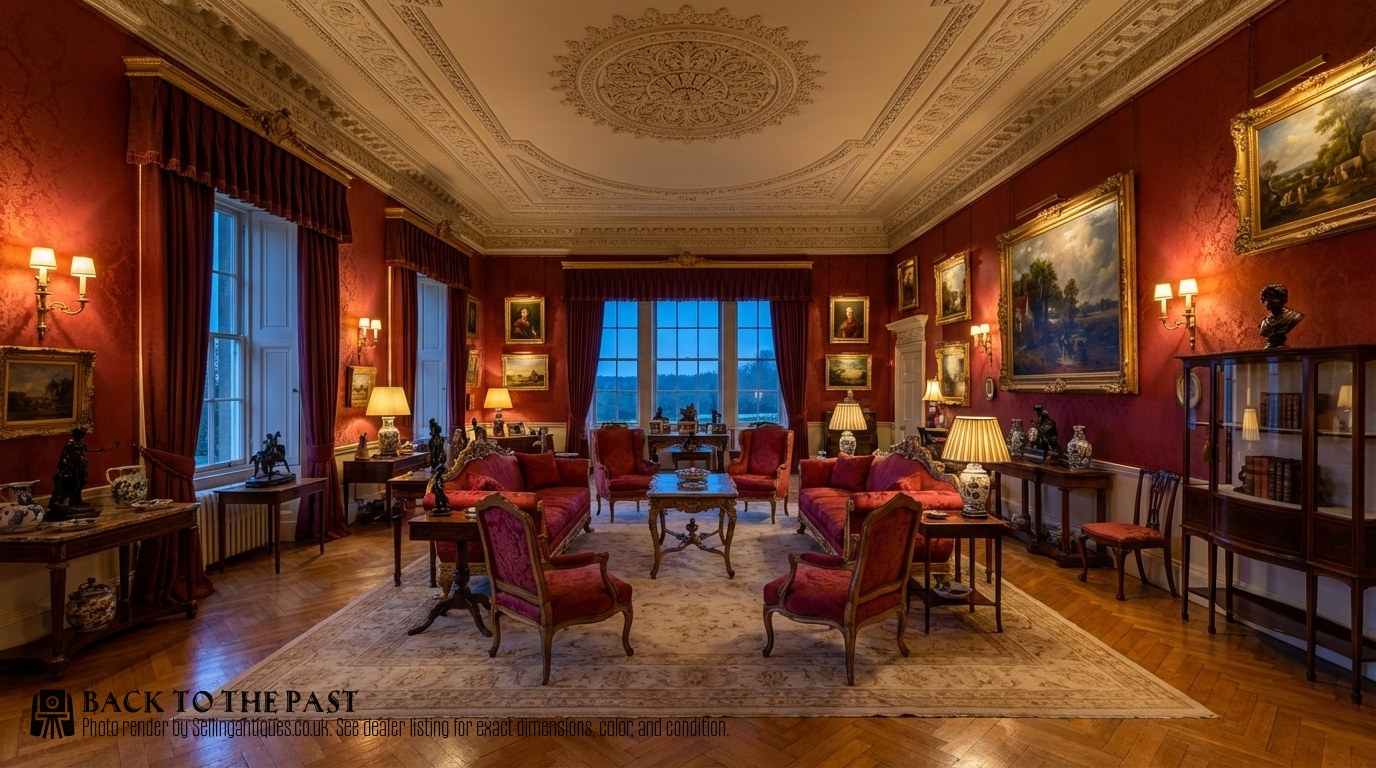
Antique Cabinet with Legs
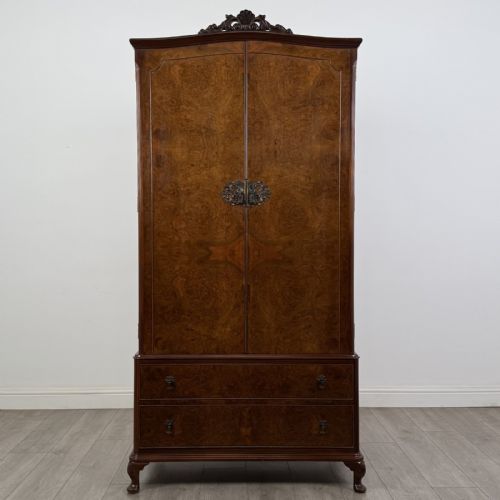
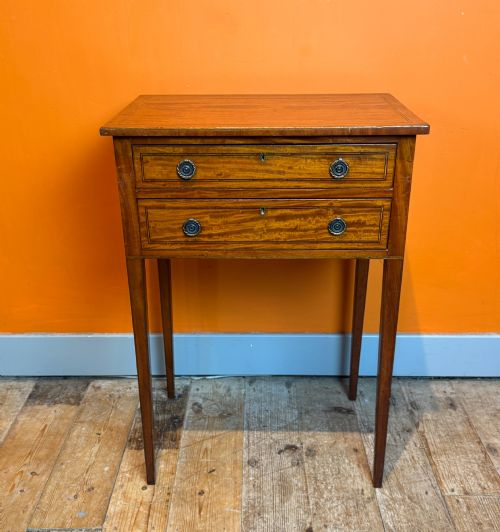
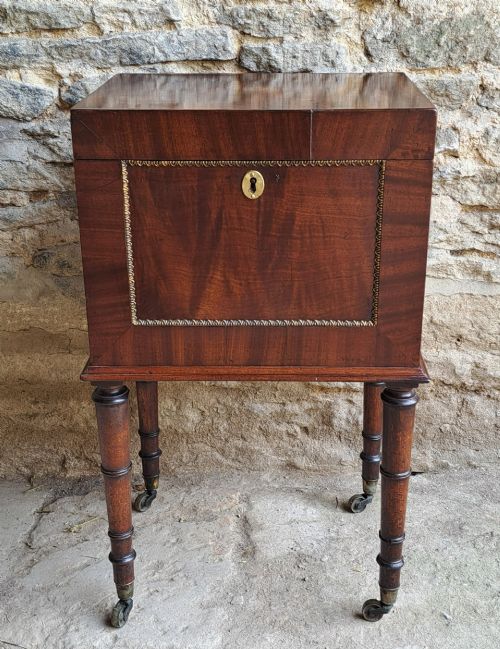
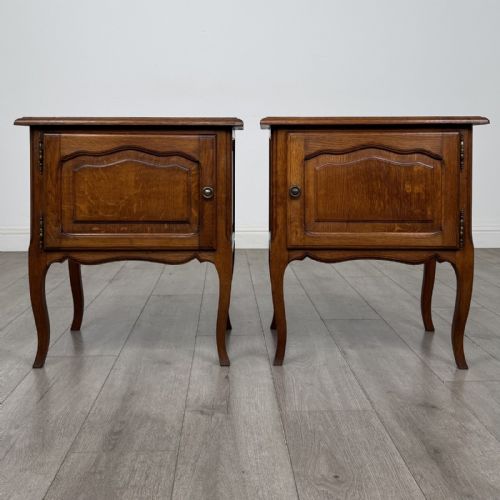
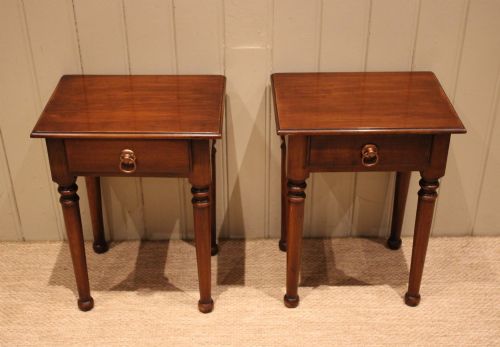
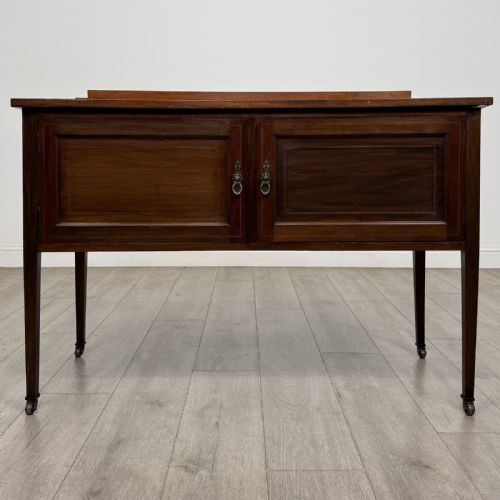
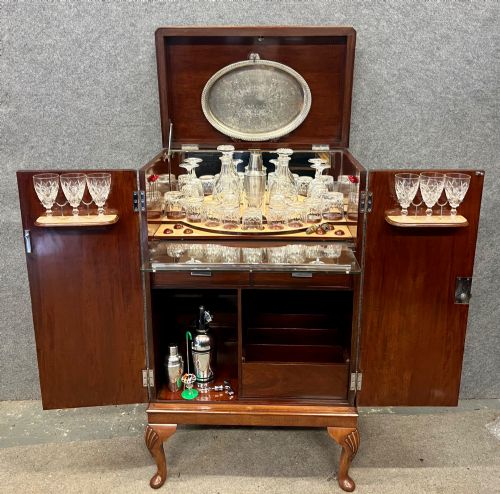
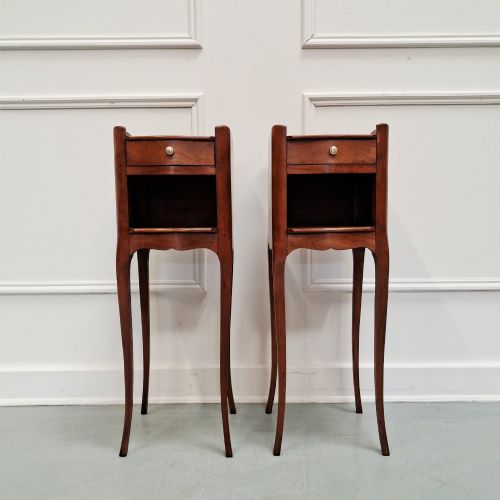
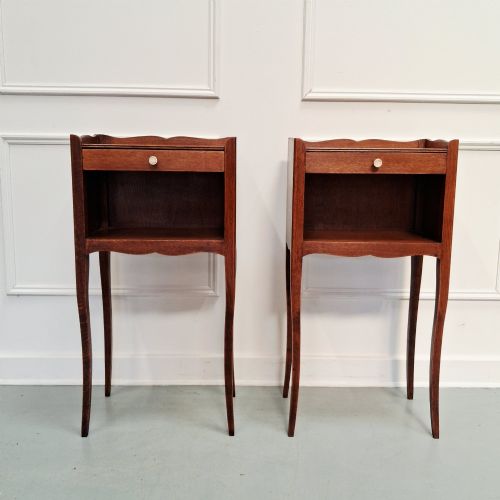
An antique cabinet with legs encompasses raised storage forms ranging from compact bedside cupboards and nightstands to grand display bookcases and bureaux. When searching for an antique cabinet with legs, buyers frequently encounter pieces from the Victorian and Edwardian eras, alongside earlier Georgian and 18th-century examples.
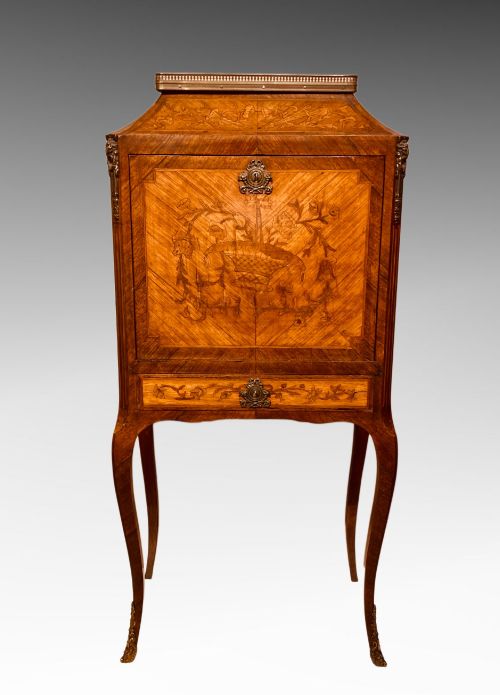
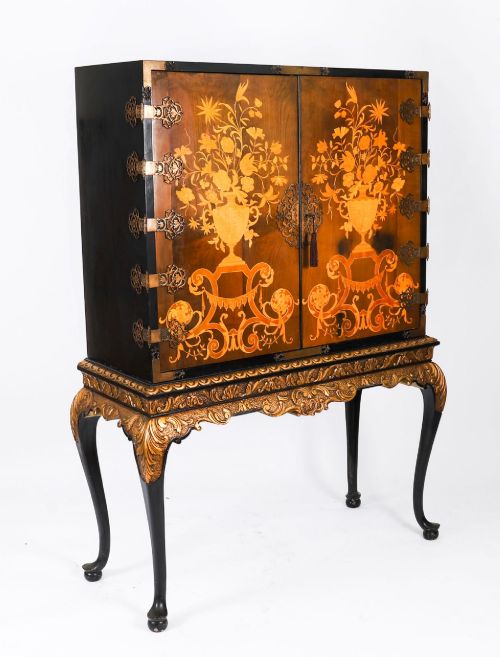
The elevated format lifts storage off the floor, introducing distinct proportions and profiles shaped by regional cabinet-making traditions. Surviving pieces span English mahogany and oak designs, French provincial escritoires, and Dutch walnut-veneered creations supported on stands or integrated legs.
Form follows function across the selection, uniting utilitarian pot cupboards and bedside Commodinos with decorative display cabinets and writing desks. These elevated forms allow light beneath the furniture, altering the visual weight of the piece within an interior.
Materials and construction methods
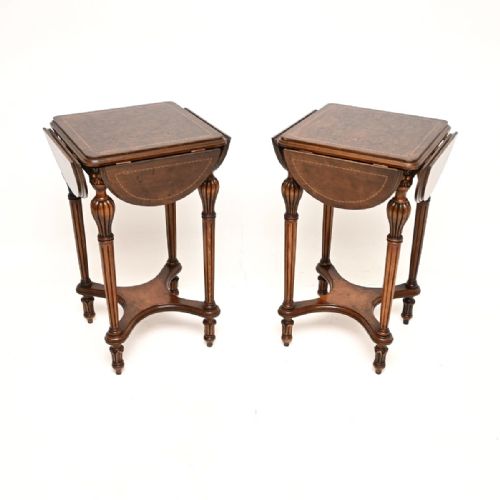
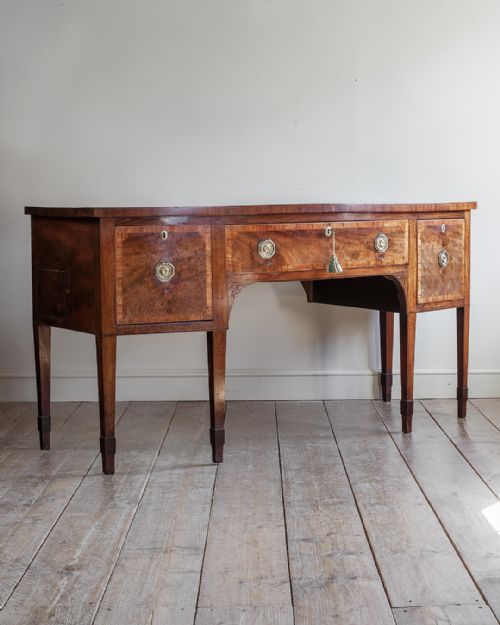
Cabinet makers relied primarily on solid timbers and veneers of mahogany, oak, walnut, and satinwood, frequently enhanced by decorative marquetry, inlay, and feather banding. Structural integrity depended on traditional joinery methods, housing drawers with hand-cut dovetails and securing panels to accommodate seasonal wood movement.
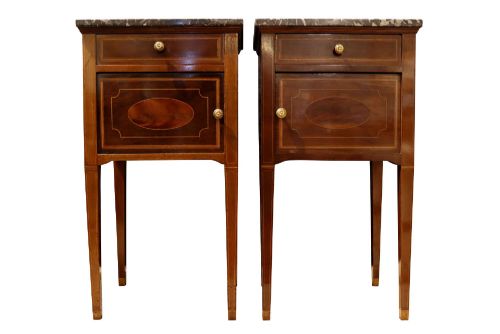
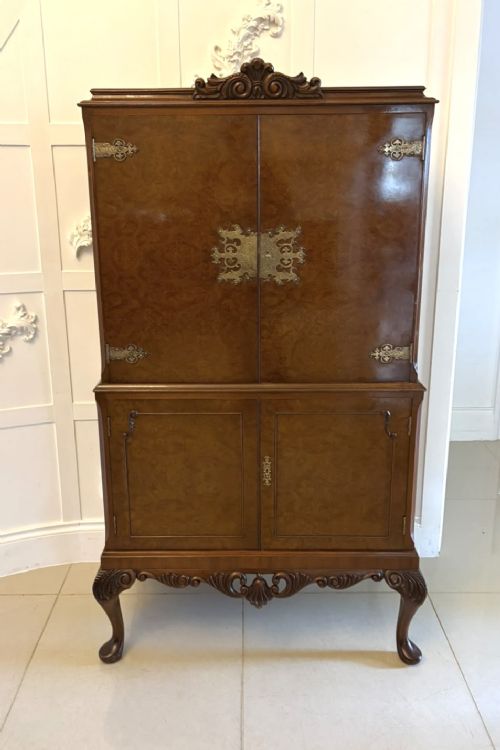
Surface ornamentation often included brass hardware, ormolu mounts, marble tops, and glazed astral doors, as seen on French and English iterations. Carved details such as lion masks and geometric mouldings were executed directly into hardwoods like oak and mahogany.
Antique Cabinet with Legs Retail Price Guide 2026
Typical asking prices for cabinet with legs among the pieces listed under this phrase on Sellingantiques today, from the lower quarter to the upper quarter. They describe what is for sale here now, not the wider market.
A twelve-piece cutlery set hides inside one 1930s walnut sideboard, proving cabinets kept secrets long before television.
Distinctions in construction and design
The refinement of timber selection and decorative execution separates standard utility furniture from exceptional examples. Finer pieces display carefully matched burr walnut veneers, precise marquetry, and high-grade secondary woods within drawer linings.
Design cohesion and originality of mounts, handles, and marble tops heavily influence the character of a piece. Well-executed carving, crisp moulding profiles, and integrated structural elements indicate superior workshop production.
J A Mein Edinburgh Cabinet Maker·J.C Vickery Of London
The Antique Cabinet with Legs Glossary
- Cabinet on Stand
- A distinct storage cabinet elevated on a separate or integrated frame with legs. This form raises the main compartment to a convenient height for viewing and access.
- Marquetry
- Decorative patterns formed by fitting together thin slices of wood veneer and other materials. Craftsmen arrange contrasting timbers to create intricate floral or geometric designs.
- Ormolu
- Gilded bronze mounts applied to furniture for decorative effect. This technique was frequently utilised on French cabinets to accent corners, feet, and aprons.
- Astral Glazing
- Cabinet doors divided into small glass panes by wooden framing bars. This glazing style permits clear viewing of the interior contents while maintaining structural support.
- Commodino
- A small bedside chest or cabinet, typically Italian in origin. These pieces often incorporate drawers or a cupboard door beneath a shaped top surface.
Antique Cabinet with Legs: Frequently Asked Questions
What is a cabinet on stand?
A cabinet on stand is a self-contained storage box elevated on a distinct frame with legs. This configuration lifts the primary compartment off the floor for easier access.
Such pieces often date from the 18th and early 19th centuries, utilising oak or walnut to form sturdy structural supports beneath deep storage sections.
How do I identify an Edwardian cabinet?
Edwardian cabinets typically date from the early 20th century and frequently incorporate satinwood inlay, light mahogany, or burr walnut veneers. The styling often borrows elements from earlier Sheraton or Georgian aesthetics.
Construction methods from this period include machine-assisted precision alongside traditional hand joinery, producing lighter and more delicate proportions than heavy Victorian pieces.
Were these cabinets used in bedrooms?
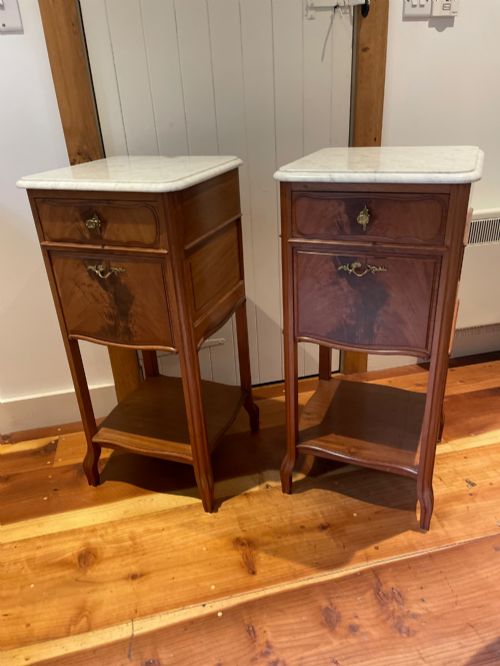
Many elevated cabinets served specific domestic functions in bedrooms as bedside tables, pot cupboards, or nightstands. Compact forms provided enclosed storage for chamber pots or personal items next to the bed.
Versions featuring marble tops offered hygienic surfaces resistant to water and cosmetic spills, making them practical additions to period sleeping quarters.