

Antique Cabinet with Drawers
An antique cabinet with drawers brings historic storage into a room, combining enclosed spaces with smaller compartments for papers or precious objects.
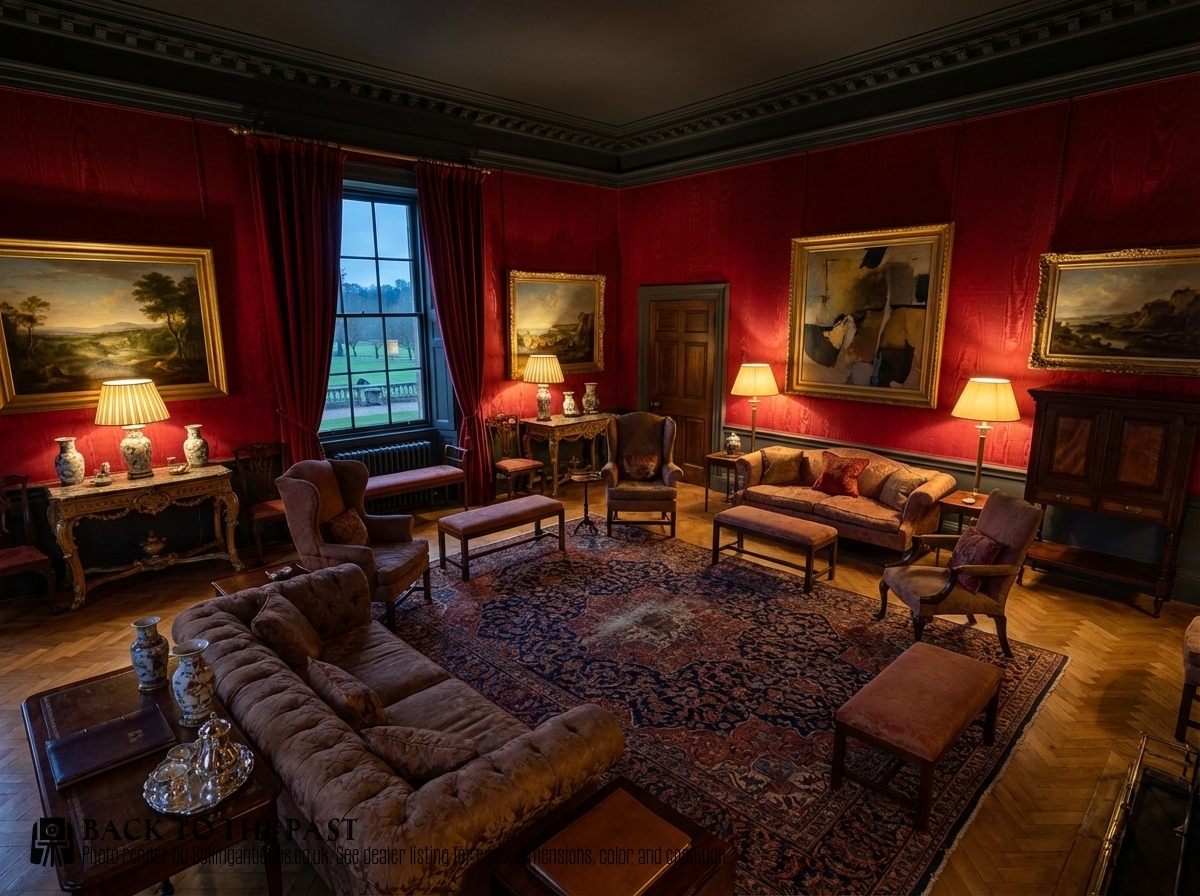
Antique Cabinet with Drawers
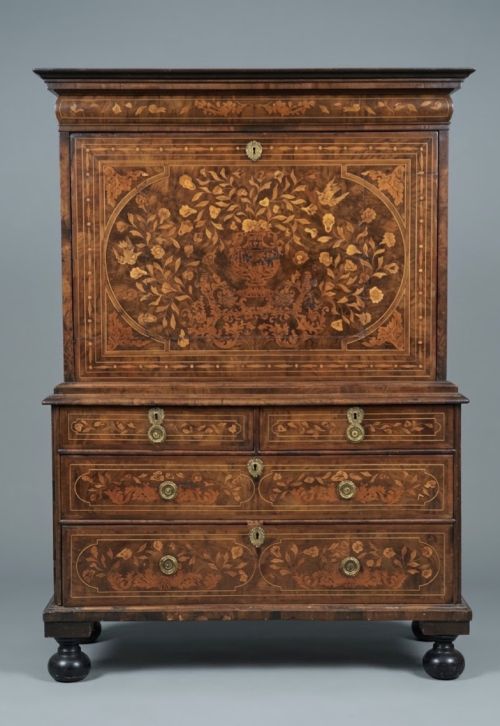
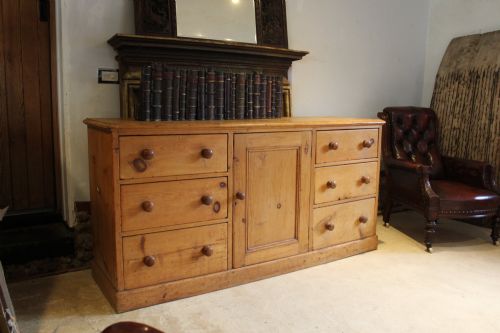
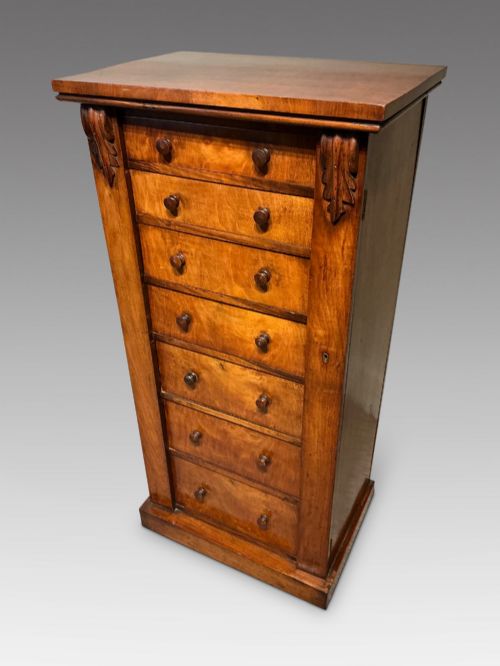
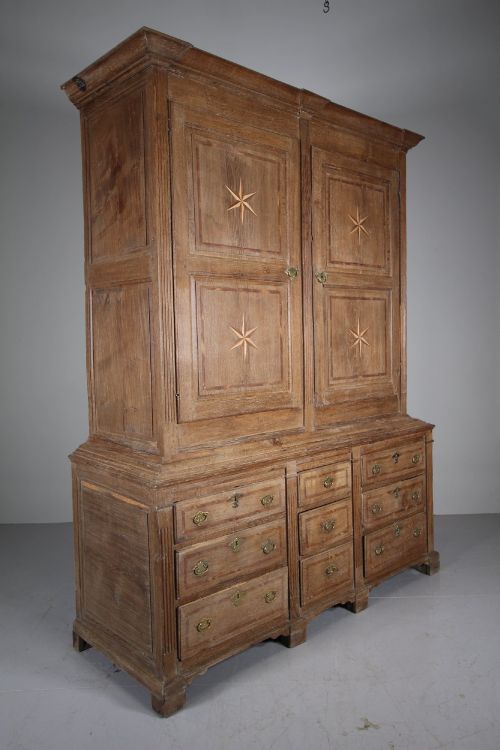
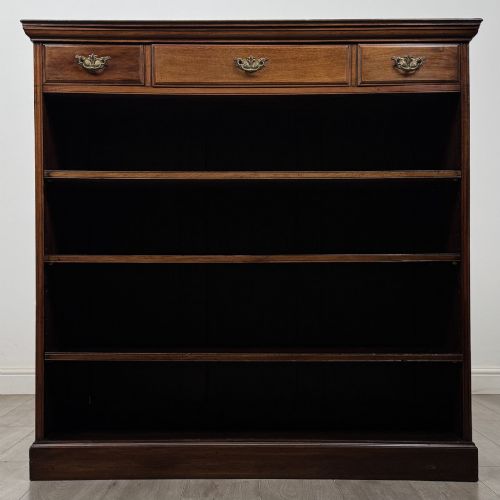
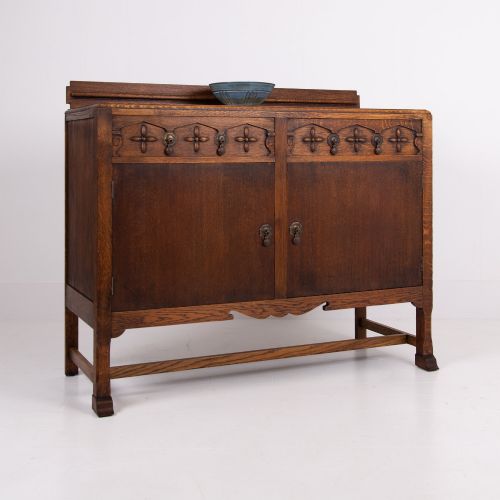
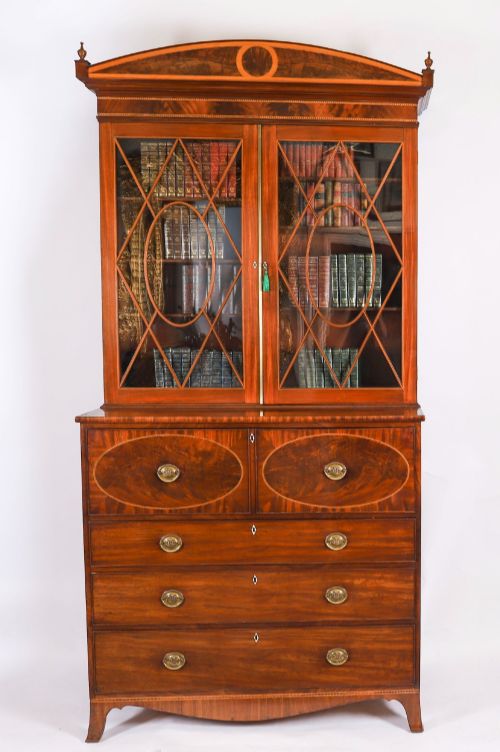
An antique cabinet with drawers spans several centuries of domestic storage, appearing in forms such as bureaux, linen presses, sideboards, and bedside cupboards. These pieces combine lower drawer storage with upper shelving, writing flaps, or cupboard doors to suit various rooms in the house.
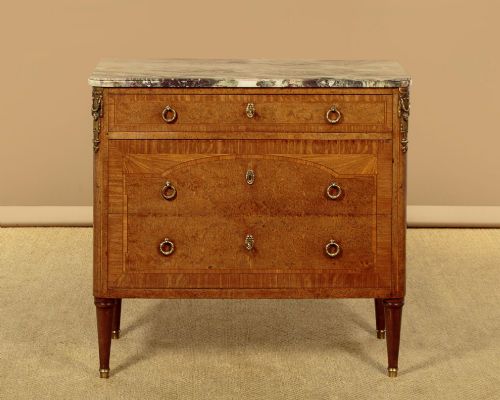
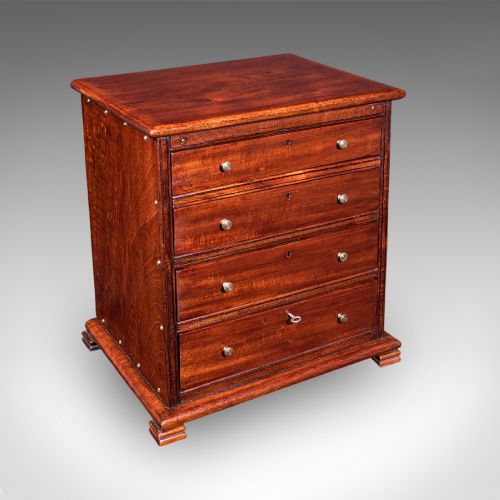
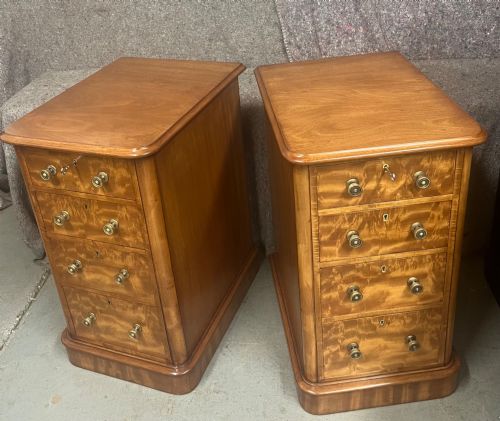
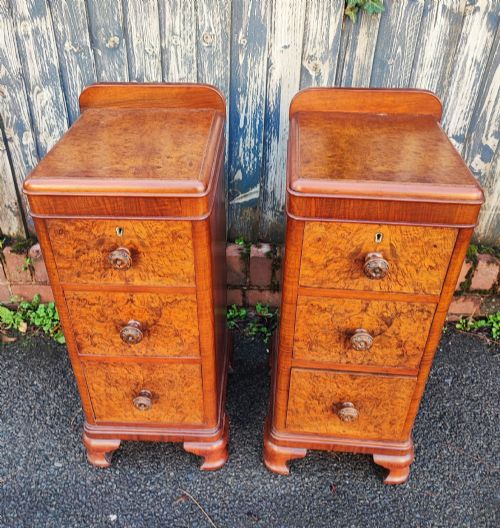
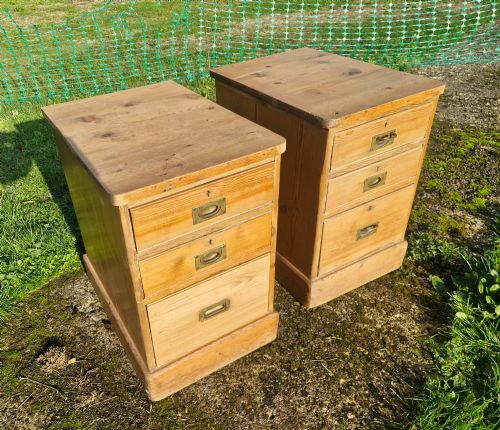
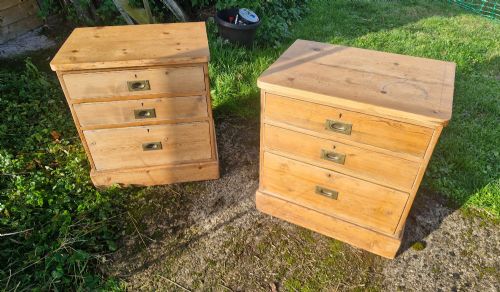
The versions most commonly met on this page date from the Georgian, Victorian, and Edwardian periods, constructed in regional British timbers alongside continental woods. Buyers encounter everything from tall bureau bookcases to compact bedside cabinets and low chests.
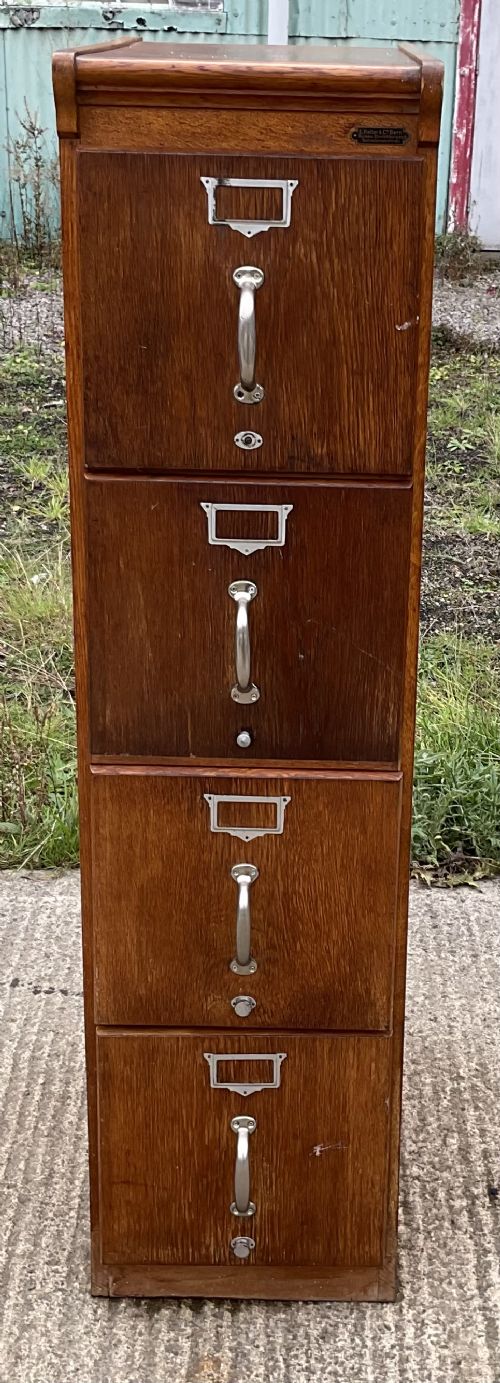
Makers designed these items for specific household tasks, such as organising correspondence, storing linens, or displaying books. Their dual nature makes them practical additions to modern interiors that require characterful storage.
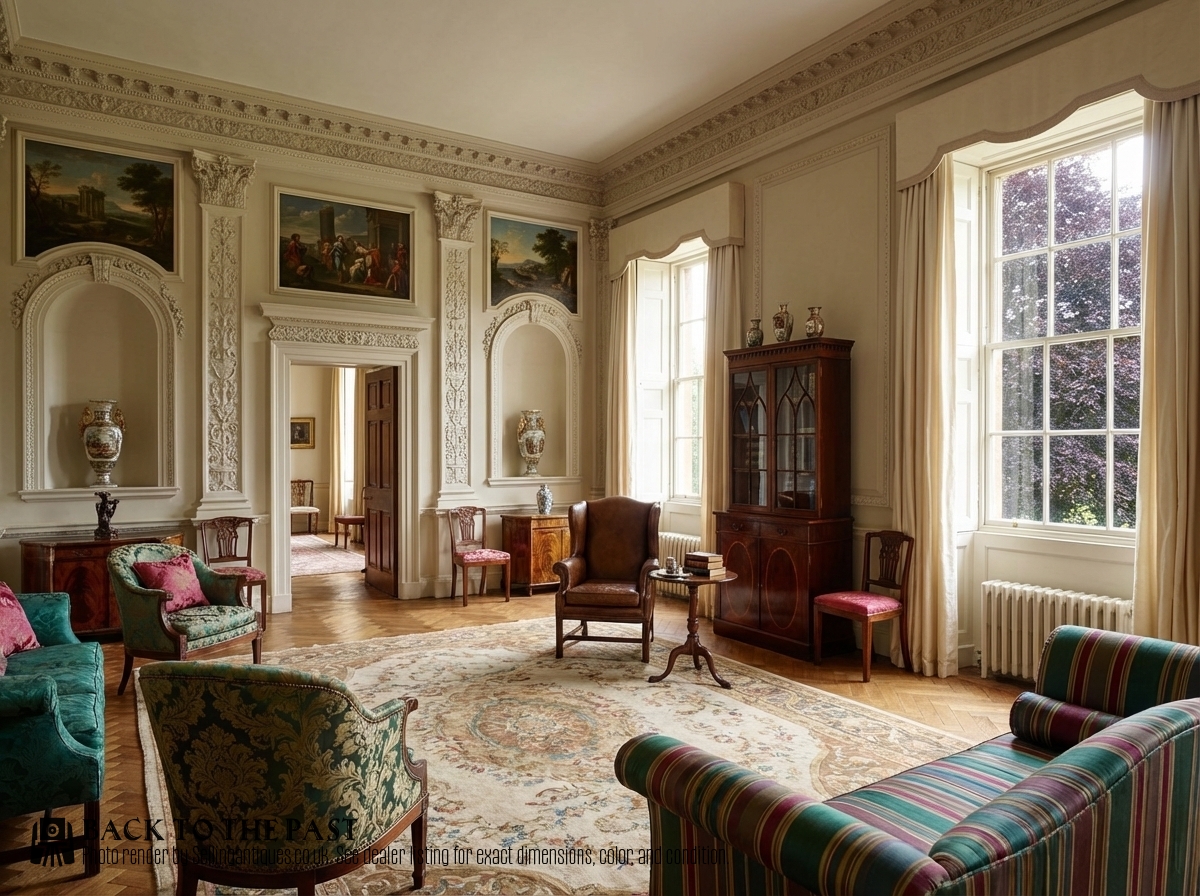
How They Were Made
Cabinet makers relied predominantly on solid hardwoods like oak, mahogany, and walnut, often applying decorative veneers such as flame mahogany or burr walnut to prominent surfaces. Timber selection governed the structural integrity and visual weight of each piece.
Secondary woods like pine or oak were utilised for drawer linings and internal framing, assembled using traditional dovetail joints that ensure lasting durability. Brass hardware, including drop handles and escutcheons, completed the construction.
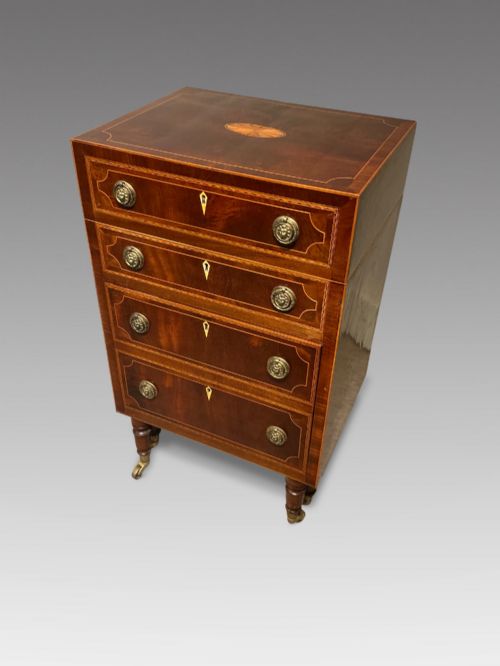
Surfaces received finishes such as wax polish or French polish to protect the timber and accentuate its natural grain. Carving, inlay, and cross-banding appeared on finer examples from the Georgian and Edwardian eras.
Antique Cabinet with Drawers Retail Price Guide 2026
Typical asking prices for cabinet with drawers among the pieces listed under this phrase on Sellingantiques today, from the lower quarter to the upper quarter. They describe what is for sale here now, not the wider market.
What Varies in Quality
The refinement of the timber grain largely dictates the standing of an antique cabinet with drawers, with highly figured flame mahogany or burr walnut marking out superior examples. Cabinet makers reserved their finest veneers for the principal facades and drawer fronts.
Construction details distinguish workshop standards, seen in the tightness of dovetail joints, the symmetry of internal layouts, and the retention of original brass handles and working locks. Subtle hand-carved motifs or precise string inlay indicate a higher level of craftsmanship.
Proportion and balance separate standard utility pieces from exceptional commissions. A well-proportioned cabinet exhibits harmonious scaling between the drawer sections and upper doors or shelves.

Gillows·maples & co
The Antique Cabinet with Drawers Glossary
- Bureau
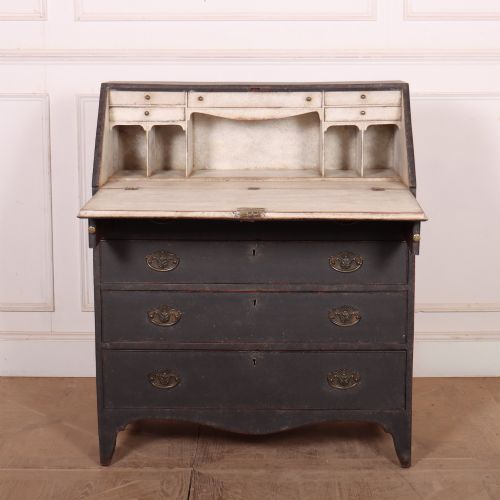
- A desk featuring a hinged sloping flap that opens to reveal a writing surface and small interior drawers. They frequently sit atop a chest of larger drawers.
- Linen Press
- A tall storage cabinet traditionally used for household linens, typically containing sliding trays behind upper doors and multiple drawers below.
- Dovetail
- A traditional joining technique utilising interlocking wedge-shaped fingers. Master craftsmen used this method to secure drawer corners with great strength.
- Escutcheon
- A protective plate surrounding a keyhole, usually cast in brass. It prevents the wood around the lock from sustaining damage over years of use.
- Flame Mahogany
- A distinctive wood veneer cut from branches where they join the main trunk. This pattern produces fiery, undulating flame-like figures across the surface.
Antique Cabinet with Drawers: Frequently Asked Questions
What is an antique cabinet with drawers?
An antique cabinet with drawers is a historic piece of furniture designed for storage, combining cupboards or shelves with one or more pull-out compartments. These items served various domestic functions from the eighteenth century onwards.
Craftsmen built them in styles ranging from plain country oak to refined Georgian mahogany and decorative Edwardian marquetry.
How were these cabinets used originally?
Original uses varied depending on the specific form of the cabinet, such as storing household linens, filing correspondence, or displaying library books. Bedside versions held night-time essentials, while larger bureaux provided dedicated writing desks.
The inclusion of drawers allowed owners to keep smaller items separated from larger stored goods.
Where should I place one at home?
These cabinets suit living rooms, studies, and hallways where practical storage and period character are both required. A compact bedside cupboard fits small spaces, while a larger bureau bookcase works well as a focal point in a study.
Their enclosed shelving and drawer space help keep modern rooms tidy.
How do I tell different periods apart?
Georgian pieces often display restrained classical proportions in solid mahogany or walnut, while Victorian items tend to be heavier with darker finishes and bolder carvings. Edwardian examples frequently feature lighter satinwood, inlay, or simpler revival styles.
Examining the construction methods and secondary woods inside the drawers also helps confirm the era of manufacture.