
Antique Cabinet Dish
When you search for an antique cabinet dish, you find porcelain plates and trays made for display rather than everyday dining.
Antique Cabinet Dish
An antique cabinet dish takes the form of porcelain plates, dessert plates, platters, and decorative dishes created to sit on furniture or hang on walls. They originate from periods including the Georgian, Regency, and Victorian eras, stretching into the twentieth century.
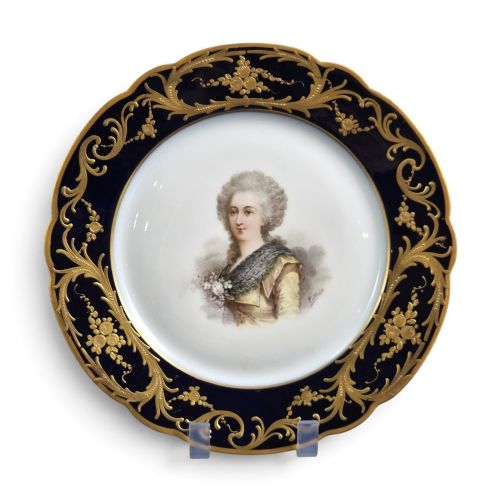
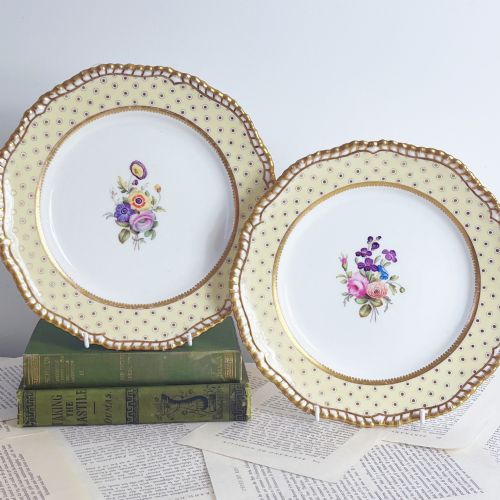
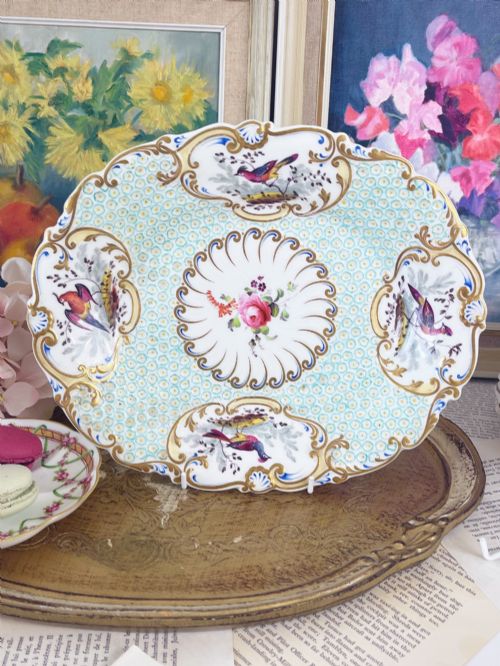
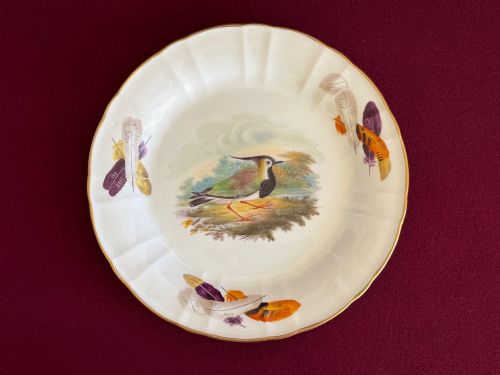
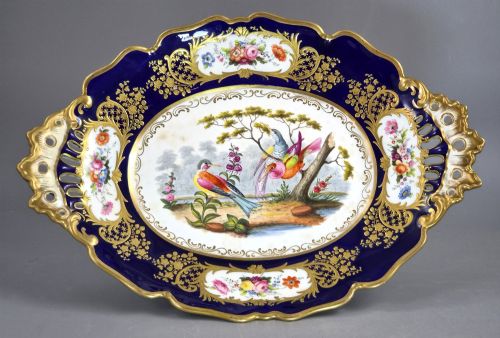
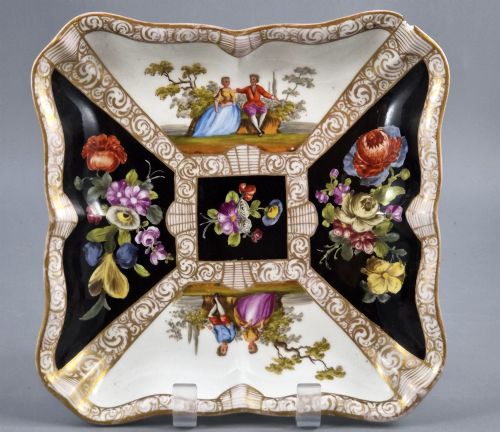
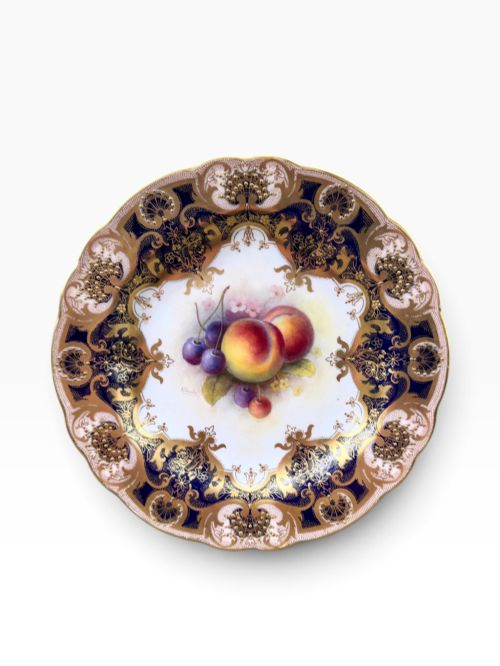
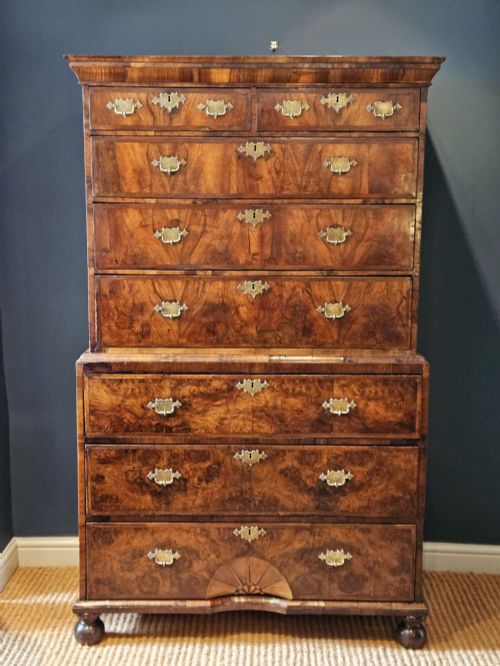
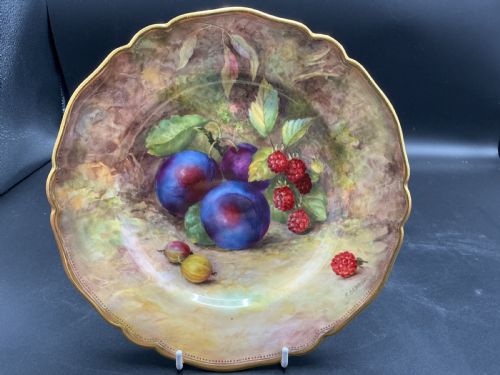
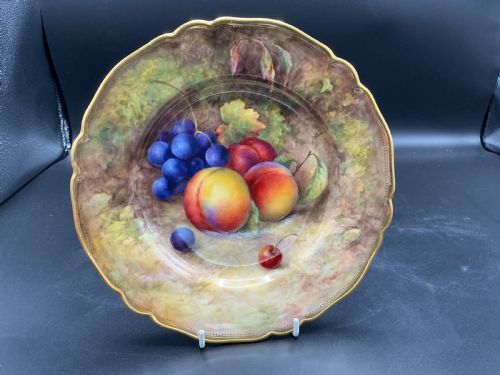
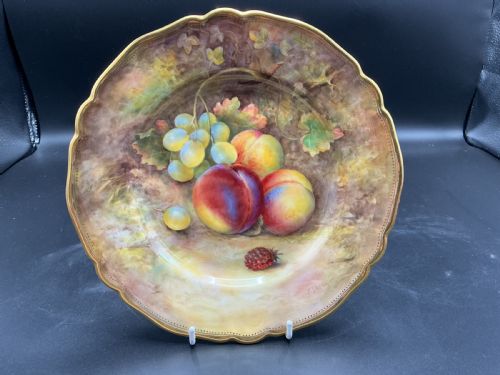
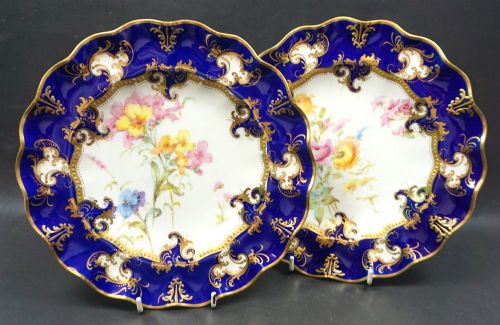
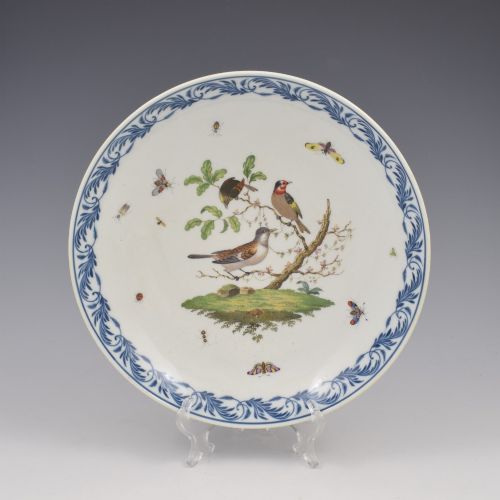
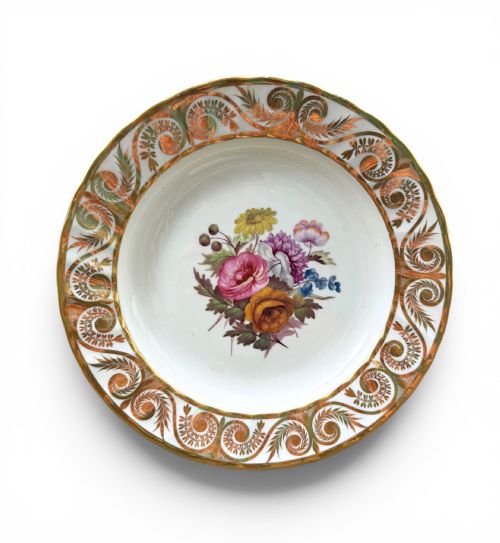
Most examples found on this page consist of English and European porcelain and bone china, featuring hand-painted birds, fruit, flowers, and armorial designs. Alongside standard ceramic dishes, the selection occasionally includes furniture pieces such as chests of drawers and cabinets.
The objects are primarily ornamental plates and cabinet pieces designed to showcase ceramic artistry and fine painting from factories across Britain and continental Europe.
Materials and methods
Potteries utilised porcelain, bone china, hard-paste porcelain, and ironstone as the primary bases for these pieces, applying complex glazes before firing. Artisans added gold leaf, gilding, and enamel highlights to accent the surface details.
Decoration relied heavily on handpainted scenes executed by named ceramic artists, portraying botanical studies, birds, fruit, and landscapes. Workshops also incorporated transfer printing and moulded relief work depending on the style and period.
Several pieces depict highly detailed fancy birds and fruit studies painted by artists who spent decades recording feathers and pips.
Assessing quality
Quality rests upon the skill of the painting and the reputation of the factory or artist who produced the piece. Hand-painted fruit and ornithological studies by known porcelain painters command greater attention than standard factory output.
The crispness of the gilt work, the purity of the porcelain body, and the complexity of the enamel palette distinguish finer cabinet specimens from everyday tableware.
Royal Worcester·Royal Crown Derby·Royal Doulton·Meissen·Coalport
The Antique Cabinet Dish Glossary
- Cabinet plate
- A decorative plate intended for display in a cabinet or on a wall rather than for table use. These typically feature intricate hand-painted subjects.
- Bone china
- A type of soft-paste porcelain incorporating bone ash, developed in England to create a durable, bright white ceramic body. It allows for thin, refined walls.
- Gilding
- The application of gold leaf or gold powder to the surface of porcelain for decorative borders and highlights. It is often found burnished to catch the light.
- Hard-paste porcelain
- A dense ceramic composed of kaolin and petuntse fired at high temperatures. It resists scratching and possesses a cold, vitreous feel.
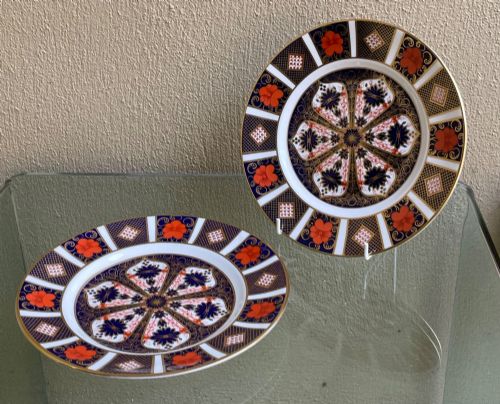
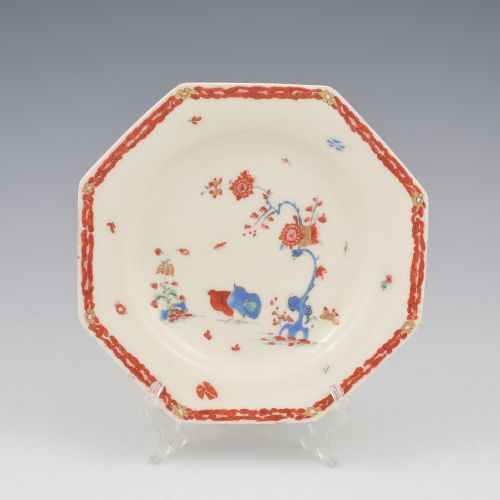
- Imari
- A decorative style inspired by Japanese export porcelain featuring underglaze cobalt blue and iron red, supplemented by gilt details. English factories frequently copied this aesthetic.
Antique Cabinet Dish: Frequently Asked Questions
What is an antique cabinet dish used for?
These dishes were made primarily for display in drawing rooms, cabinets, or on walls rather than for serving food at the table.
They allowed households to exhibit fine ceramic art and hand-painted artistry from major European factories.
How do I identify a cabinet plate?
Cabinet plates usually feature elaborate hand-painted centres, rich gilding, and decorative borders that distinguish them from everyday dining plates.
They often bear factory marks, pattern numbers, or artist signatures on the reverse.
How should I display porcelain safely?
Porcelain cabinet dishes should be placed securely in stable display cabinets or mounted using specialised plate hangers designed for wall display.
Keep them away from direct sunlight and areas subject to vibration or heavy foot traffic.
How do I date an antique dish?
Dating relies on factory backstamps, impressed marks, registration numbers, and stylistic clues such as the colour palette and painting technique.
Many nineteenth-century English and European factories used specific alphabetical or numerical codes to indicate the exact year of production.