
Antique Buttoned Settee
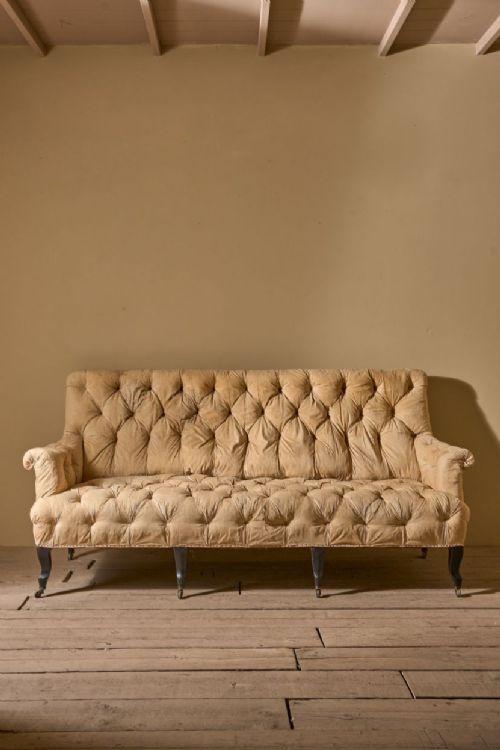
An antique buttoned settee brings deep tufted upholstery and generous proportions to a room, offering both traditional character and substantial comfort.
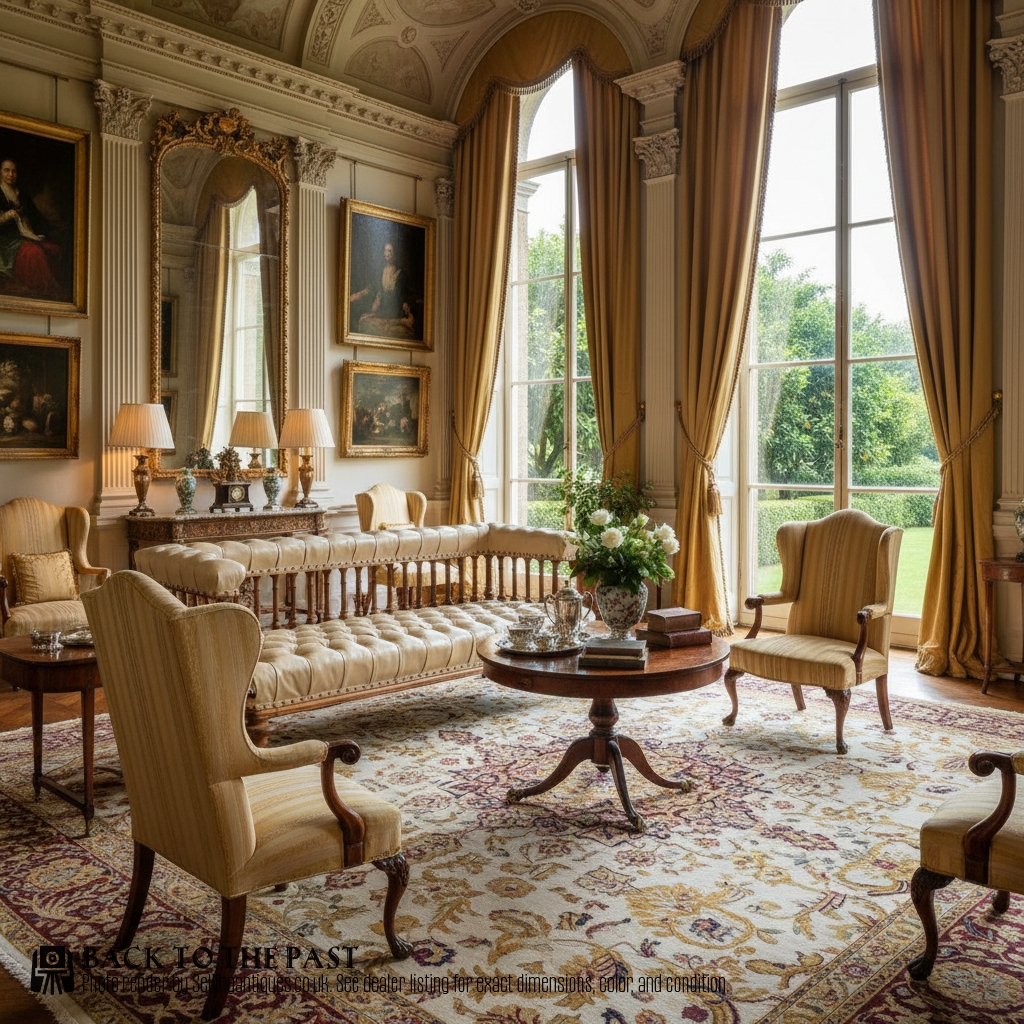
Antique Buttoned Settee
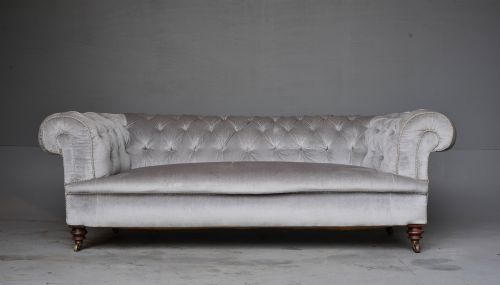
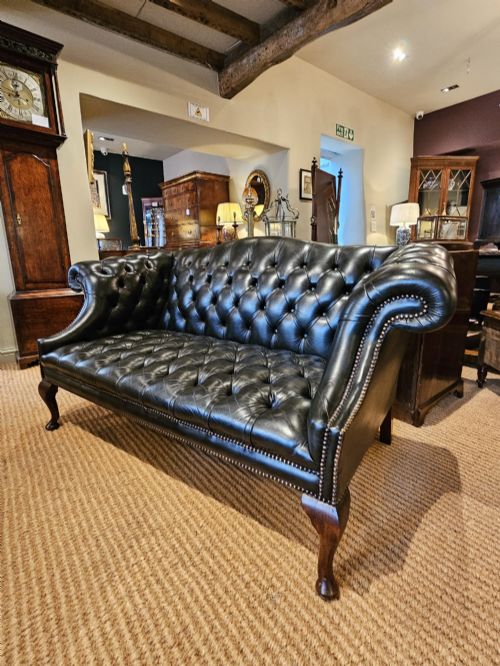
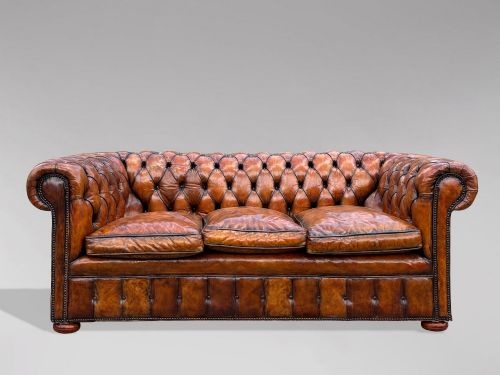
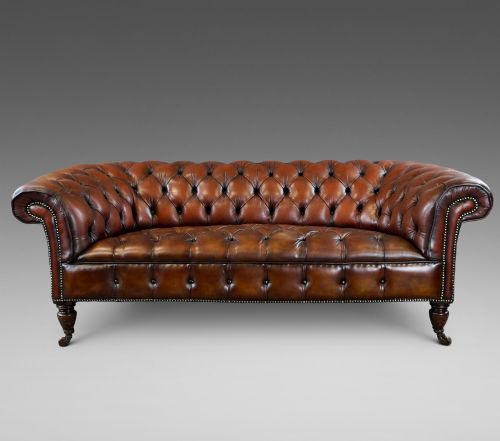
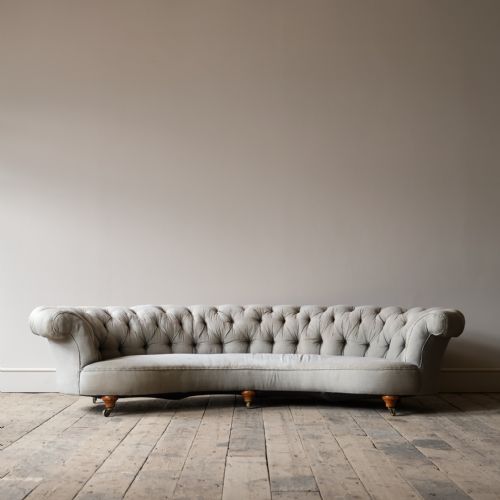
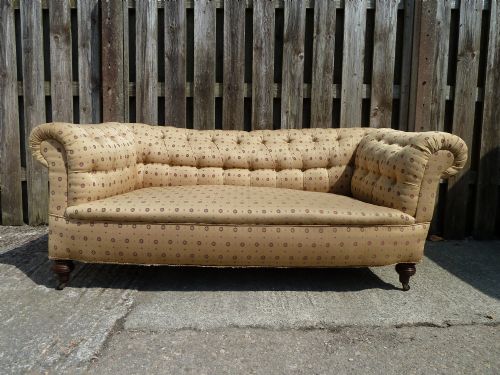
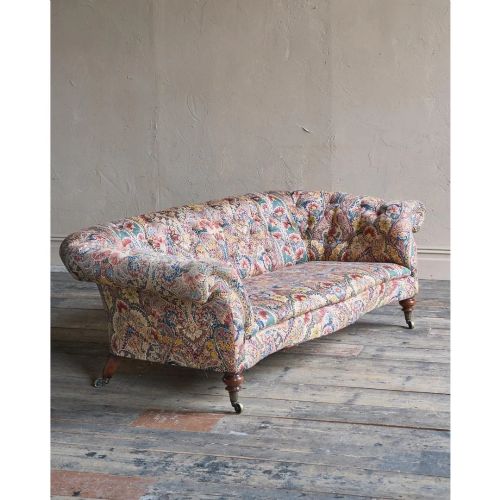
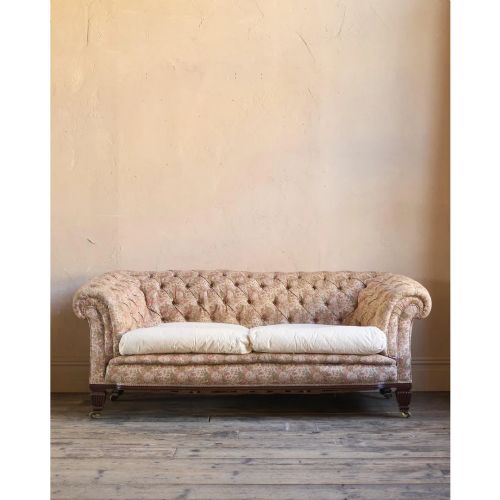
When you search for an antique buttoned settee, you encounter an array of deeply tufted seating ranging from classic Chesterfield sofas to elegant chaise longues and salon suites. The nineteenth century yields the highest volume of examples, spanning Victorian and Napoleon III periods alongside later Edwardian and nineteen-thirties pieces.
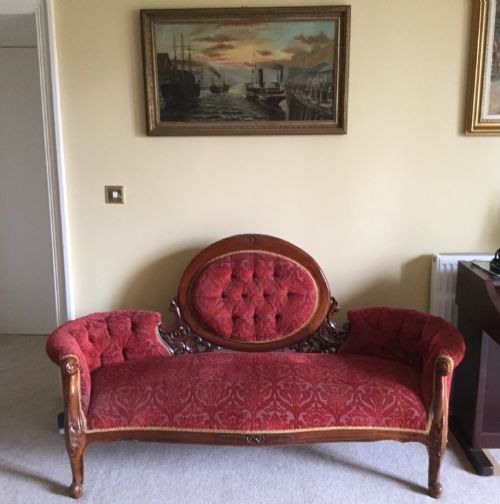
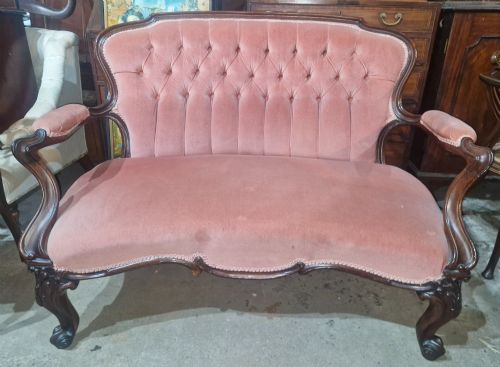
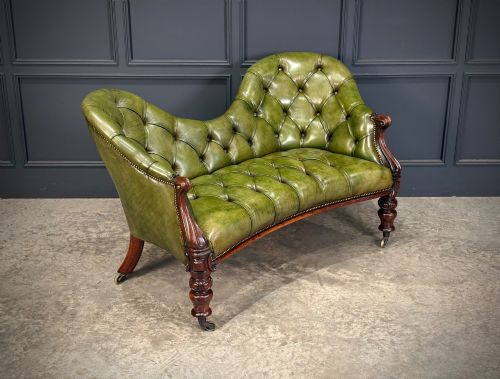
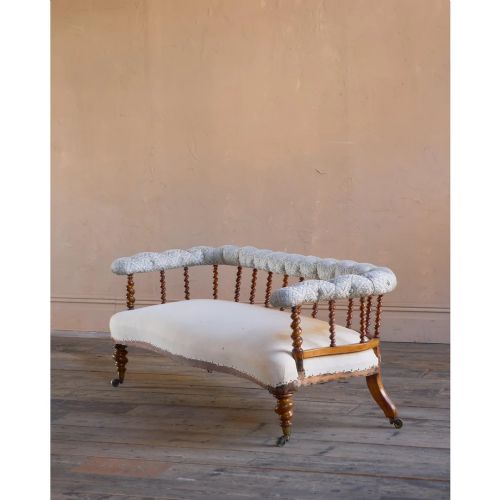
The forms vary from large three-seater leather Chesterfields to carved rosewood and mahogany double-ended sofas, window seats, and corner sofas. Many pieces emerge in traditional English and French country styles, reflecting both formal drawing-room use and relaxed domestic seating.
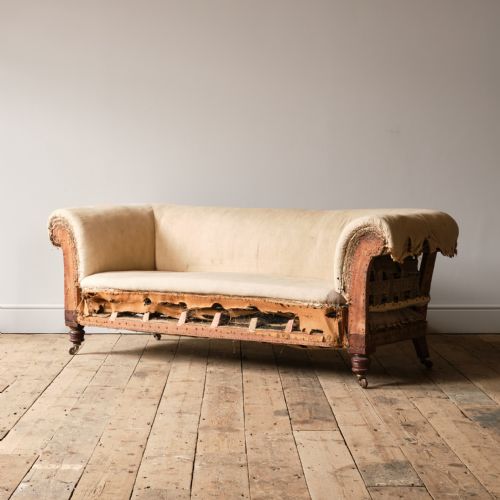
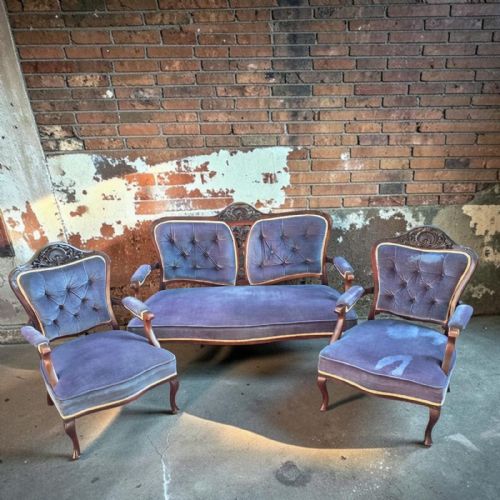
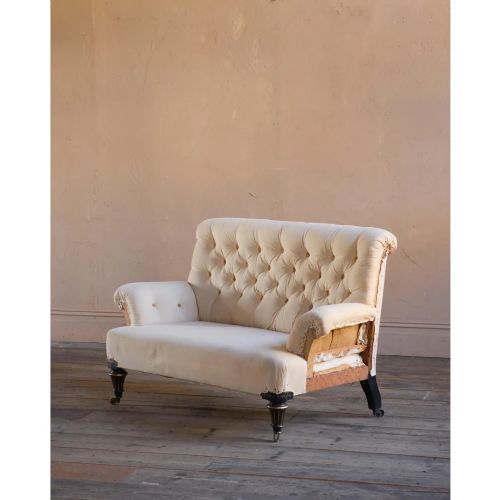
Makers and workshops of the period supplied these framed seats in various configurations, including matching salon suites comprising a settee and pairs of chairs. Buyers often select between finished leather or fabric upholstery and frames awaiting reupholstery.
How they were made
Makers constructed the structural frames of an antique buttoned settee from dense timbers such as mahogany, walnut, and rosewood, often incorporating hand-carved details. Upholsterers then applied traditional stuffing materials including horsehair to build resilient internal foundations.
The signature buttoned finish required skilled labour to pull the fabric or leather tight into a deep tufted pattern secured by individual stitches. Frame assemblies relied on robust joinery and sprung settee bases designed to support heavy daily use.
Upholstery options range from finished brown and green leather to raw leather ready for custom hand-dyeing and fabrics awaiting restoration.
What varies in quality
The integrity of the internal horsehair stuffing and the tension of the sprung base govern the firmness and support of the seat over decades of use. Superior examples retain original timber frames with crisp hand-carving and sound joinery rather than structural repairs.
The grade and preparation of the leather or fabric upholstery dictate the tactile finish, with hand-dyed leathers and deep-pile brocades marking the upper end of period execution.
Howard & Sons·C. Hindley & Sons·A Jackson and Graham·H. Goodall & Sons·Holland & Sons
The Antique Buttoned Settee Glossary
- Chesterfield
- A traditional upholstered sofa characterised by arms and back of the same height and deep button tufting. This form remains a staple of nineteenth-century seating.
- Chaise Longue
- An upholstered long chair or day bed designed for reclining, often featuring a single raised end and an open backrest. Makers shaped these in rosewood and mahogany during the Victorian era.
- Horsehair
- A traditional upholstery filling material valued for its resilience and ability to hold shape within deep-sprung seating. Workshops utilised it extensively before modern synthetic foams.
- Double Ended Sofa
- A sofa featuring two raised, scrolled ends of equal height, allowing a person to recline comfortably against either side. They appear frequently in nineteenth-century salon and drawing-room furniture.
- Salon Suite
- A matching set of seating comprising an antique settee accompanied by matching armchairs or occasional chairs. These suites unified the decor of formal Victorian reception rooms.
Antique Buttoned Settee: Frequently Asked Questions
How do I choose between leather and fabric?
Leather options, particularly hand-dyed brown or green finishes, offer robust durability and develop a rich patina over decades of use. Fabric choices, including velvet and deep-pile brocade, introduce softer textures and distinct colour palettes to a room.
Consider the intended room environment and whether the piece requires everyday family seating or formal display.
Are these settees comfortable for daily use?
Period pieces constructed with sprung settee bases and traditional horsehair stuffing provide firm, supportive seating designed for extended periods of relaxation. Deep-seated versions offer particularly generous proportions for modern living.
Many surviving examples maintain their original internal spring integrity, though professional reupholstery can restore lost support.
How do I date a Victorian settee?
Dating relies on examining the timber species, carved stylistic details, and upholstery methods characteristic of periods like the mid-Victorian era or Napoleon III reign. Maker stamps on frames or historical attribution to workshops also clarify the decade of production.
Stylistic shifts from ornate rosewood carvings to simpler Edwardian forms provide clear chronological markers.