
Antique Button Back Seating
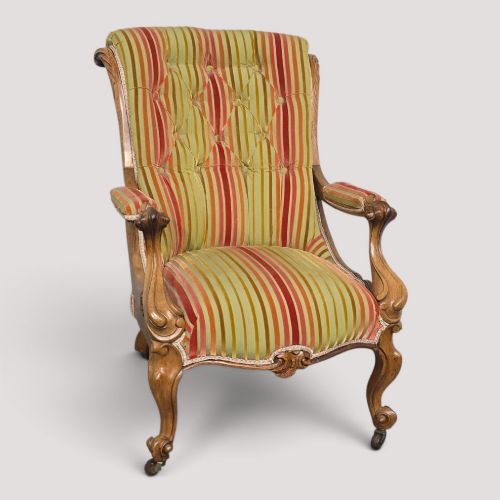
Antique button back seating offers deep-sprung comfort and upholstered tufting across armchairs, nursing chairs, and sofas from the nineteenth century onwards.
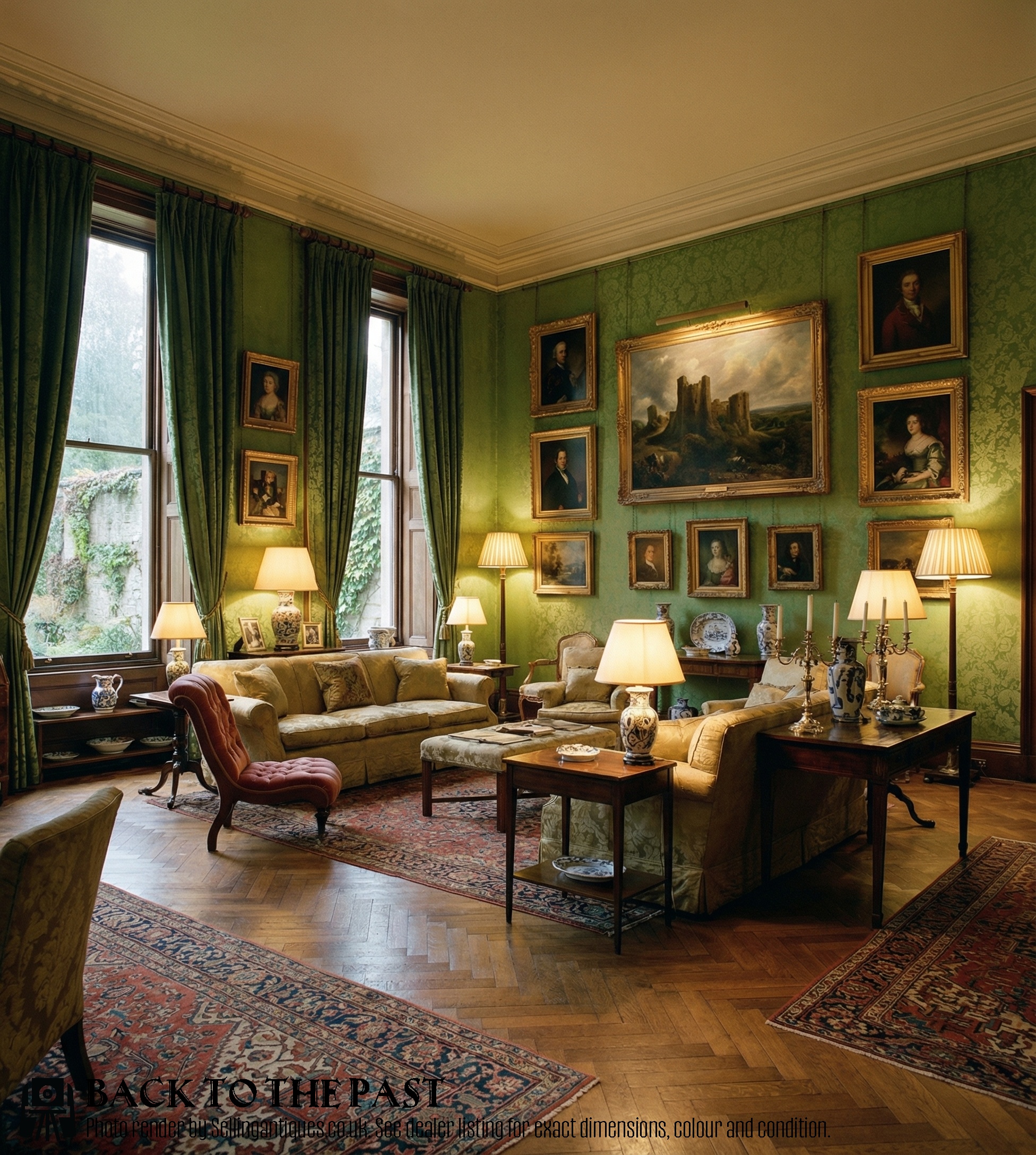
Antique Button Back Seating
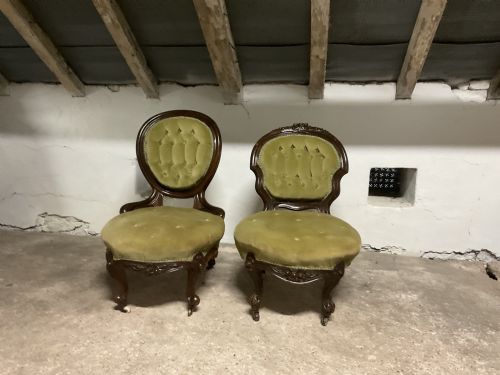
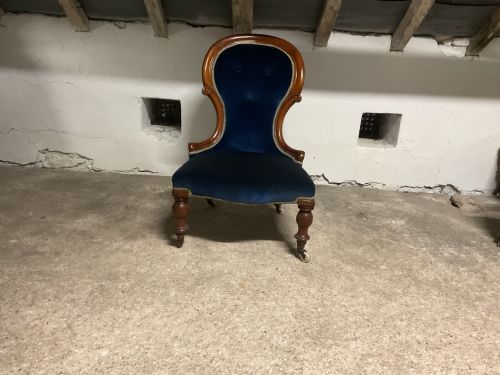
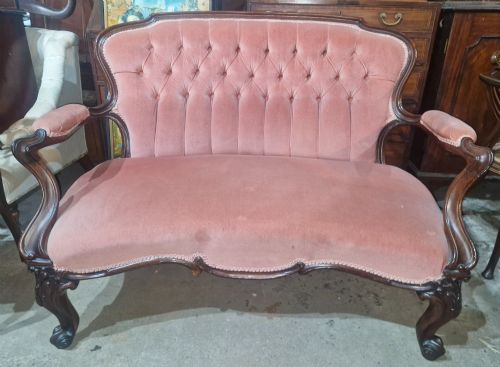
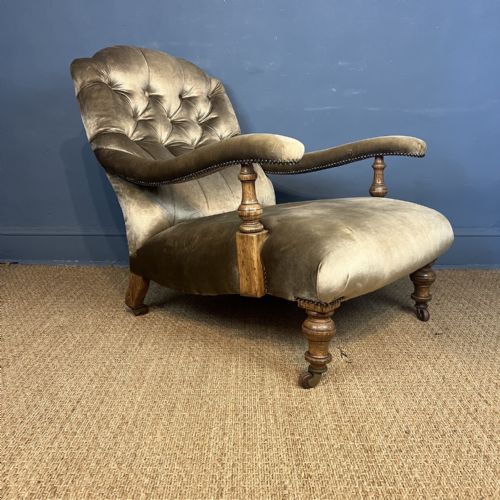
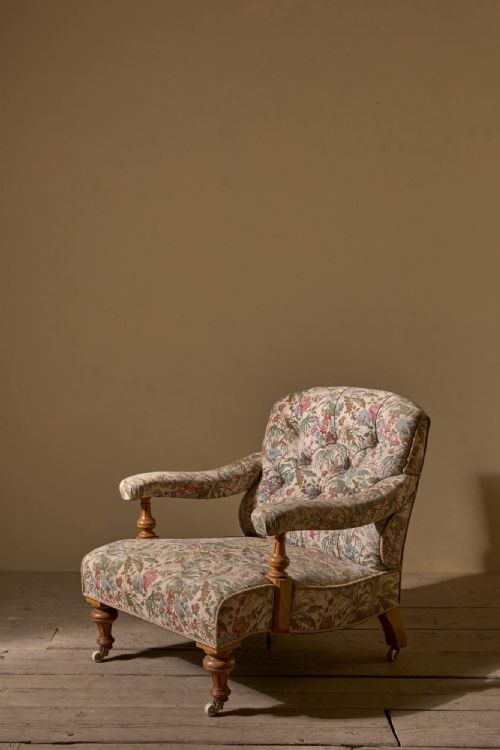
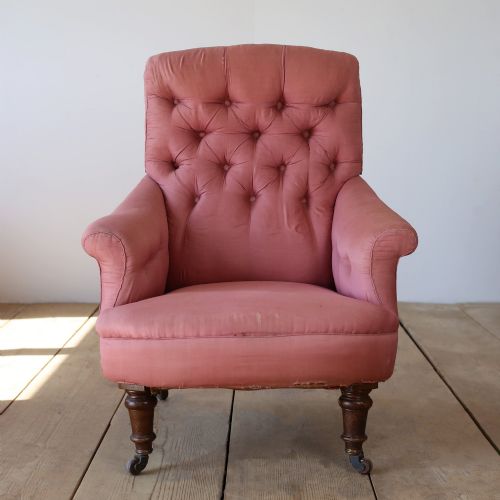
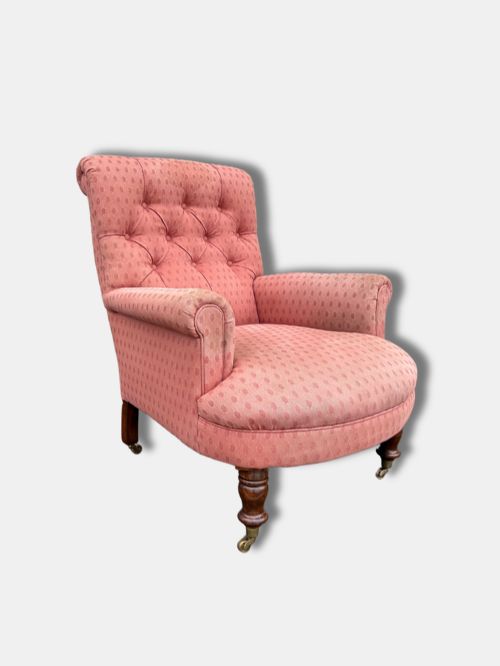
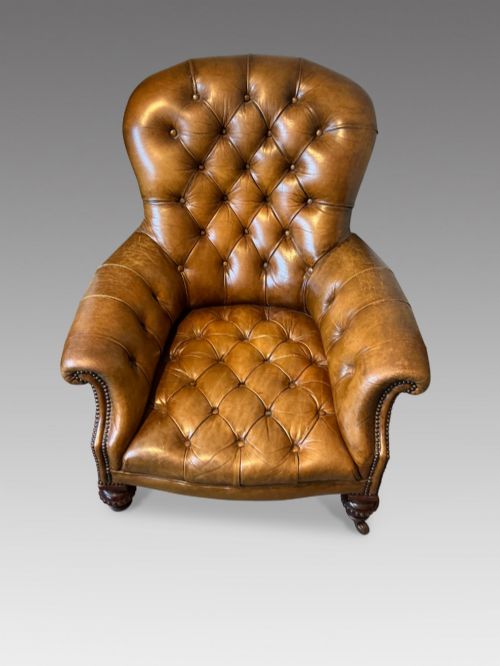
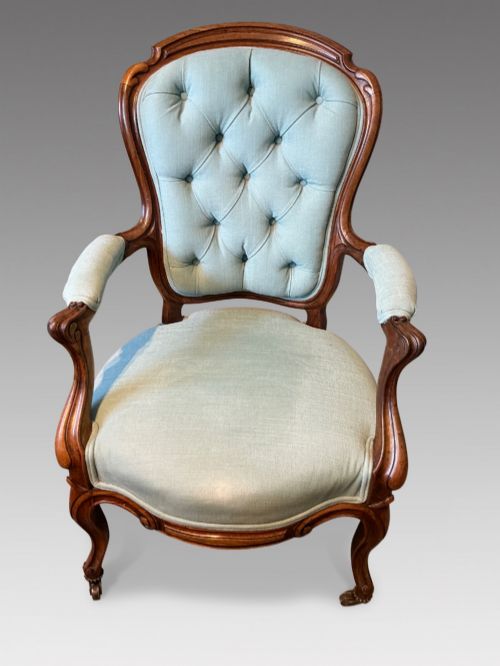
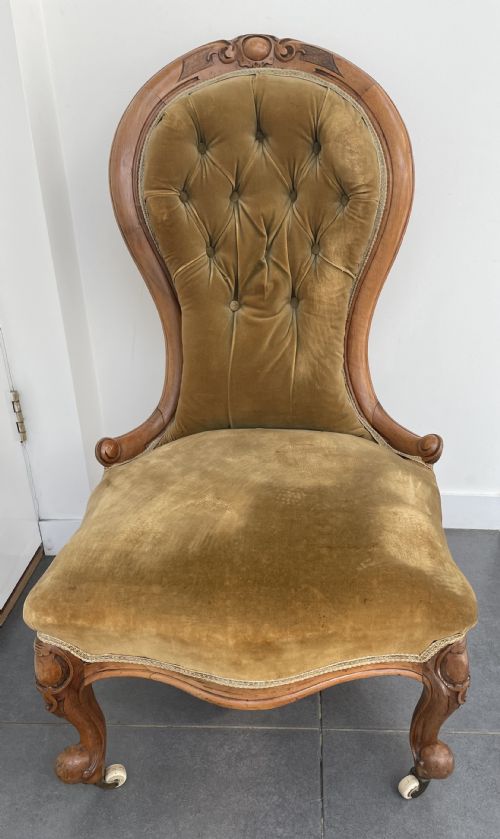
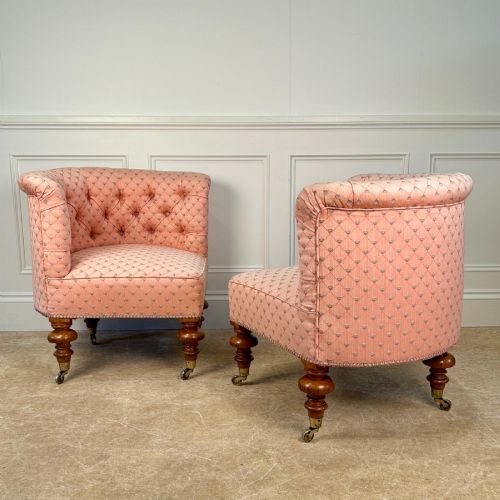
When searching for antique button back seating, buyers encounter a diverse array of nineteenth-century forms ranging from compact nursing chairs and slipper chairs to large library armchairs and deep-seated Chesterfields. The Victorian period dominates the selection, bringing walnut, mahogany, and rosewood frames alongside specific regional pieces such as Scottish country house armchairs and Irish hall benches.
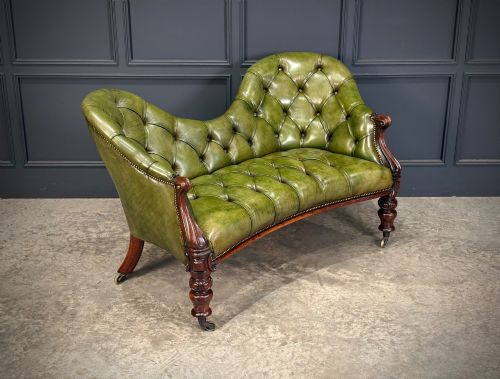
Smaller seating options include low bedroom chairs, occasional chairs, and balloon back dining seats, while larger pieces encompass conversation sofas, settees, and French leather armchairs from the early twentieth century. Frames display stylistic influences from the Regency era through to Edwardian designs, French Napoleon III pieces, and Howard and Sons style upholstery.
Factors of quality
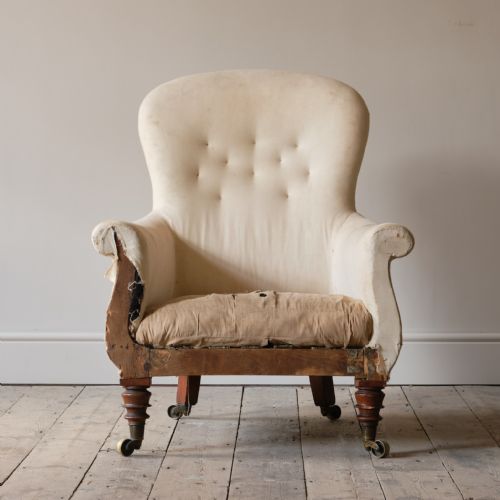
The standard of a piece is evident in the crispness of the timber carving on walnut and mahogany frames, particularly on exhibition quality suites and library seating. Superior examples retain their original structural integrity and timber patination without excessive restoration to the decorative woodwork.
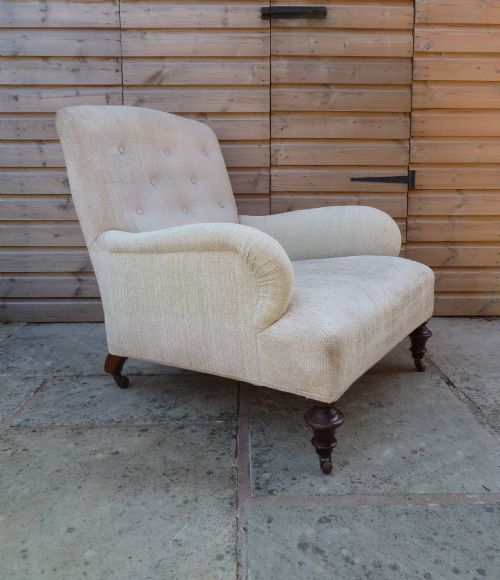
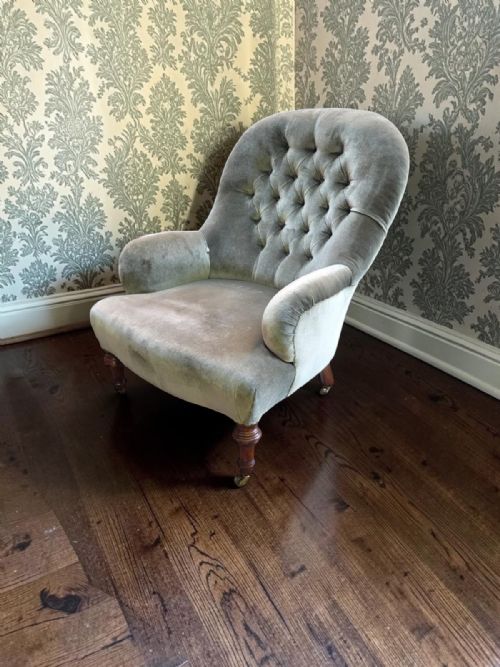
Upholstery execution distinguishes finer items, seen in the regularity of the buttoning and the choice of covering materials such as supple leather or rich velvet. The robustness of the underlying sprung frame and the proportion of the wooden legs or feet dictate the overall execution of the seating.
Antique Button Back Seating Retail Price Guide 2026
Typical asking prices for button back seating among the pieces listed under this phrase on Sellingantiques today, from the lower quarter to the upper quarter. They describe what is for sale here now, not the wider market.
Listings feature eighteenth and nineteenth century periods alongside wood, mahogany, walnut, oak, brass, leather, velvet, and fabric.
Howard and Sons·Gillows
The Antique Button Back Seating Glossary
- Button back
- A style of upholstery where depressions are formed in the padding by stitching through to the frame and securing with tufted buttons.
- Nursing chair
- A low-seated Victorian armchair originally designed to allow a woman to nurse an infant comfortably while seated near a fire.
- Slipper chair
- A low-sprung bedroom chair built without arms, traditionally used by ladies while putting on shoes.
- Chesterfield
- A large deep-buttoned sofa characterised by arms and back of the same height, often upholstered in leather.
- Spoon-back
- A Victorian chair back shaped like the bowl of a spoon, providing ergonomic support to the spine.
Antique Button Back Seating: Frequently Asked Questions
What is button back seating?
Button back seating refers to upholstered chairs and sofas featuring deep tufting secured by buttons pulled through the padding.
This technique creates characteristic diamond patterns across the leather, velvet, or fabric surfaces.
How do I identify a Victorian button back chair?
Victorian examples typically feature walnut, mahogany, or rosewood frames with hand-carved details and sprung upholstery.
They often appear as nursing chairs, slipper chairs, or library armchairs dating from the nineteenth century.
What materials were used for these frames?
Cabinet makers utilised solid hardwoods such as mahogany, walnut, oak, and rosewood for the structural frames.
Brass casters and fittings were frequently added to the feet of heavier armchairs and settees for mobility.
Where were these chairs used historically?
These pieces furnished nineteenth-century drawing rooms, libraries, bedrooms, and country house reception spaces.
Lower seats like nursing chairs were kept in bedrooms, while large Chesterfields and library armchairs sat in formal living areas.