

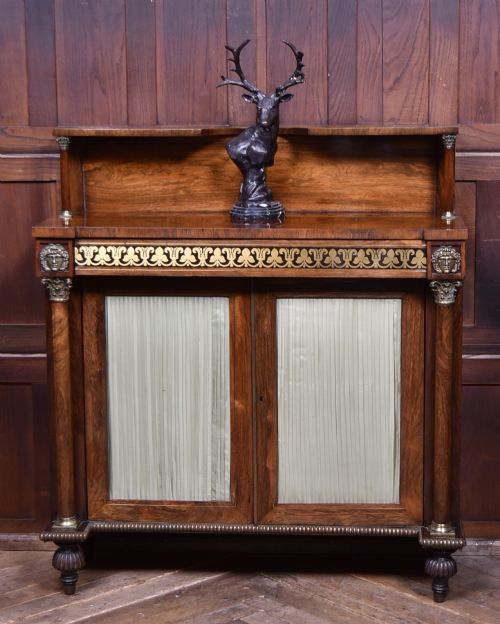
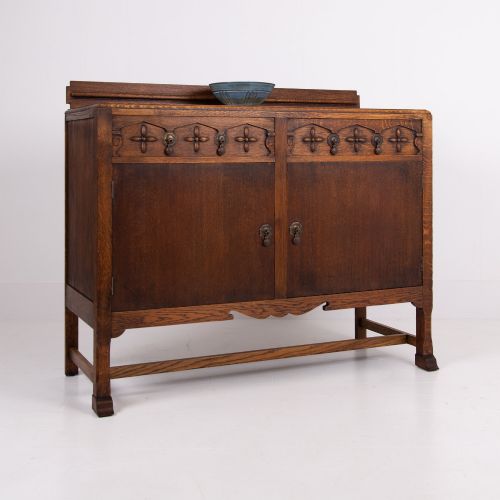
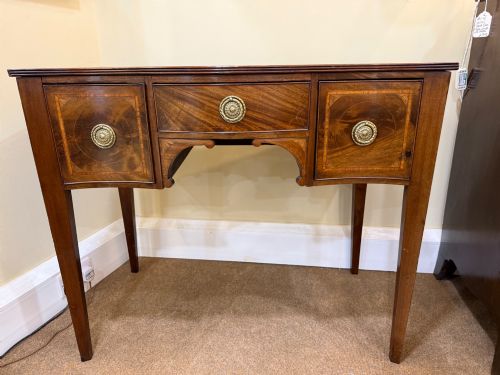

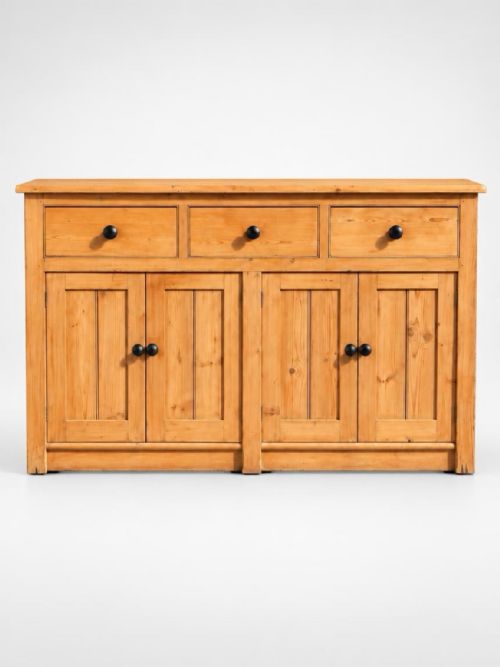
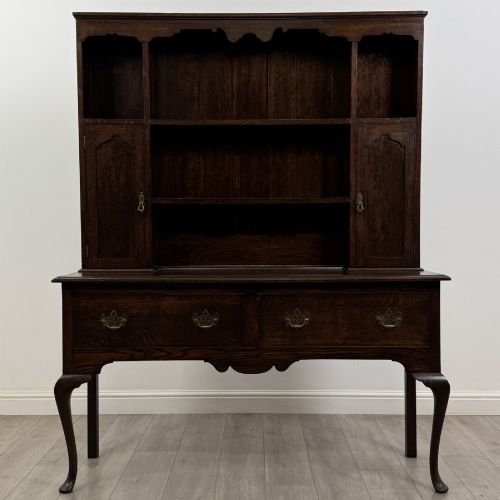
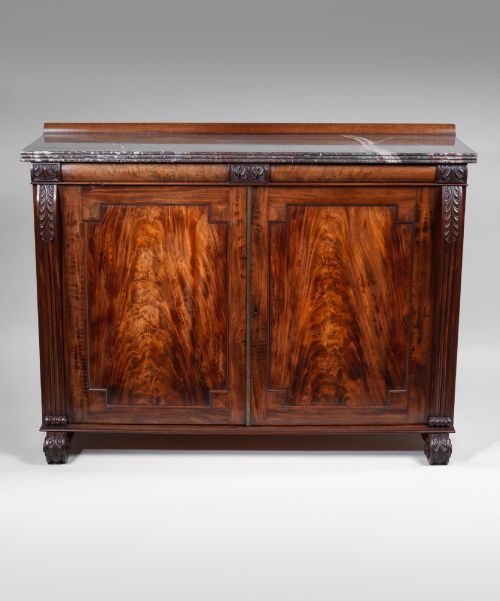
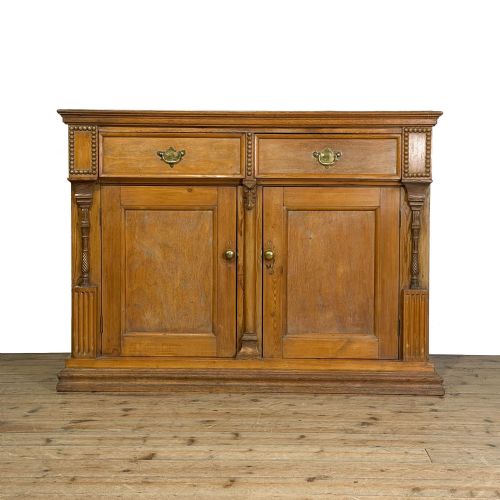
Antique Buffet Sideboard
An antique buffet sideboard organises dining rooms with generous timber proportions, serving surfaces and deep storage found across Georgian and Victorian eras.
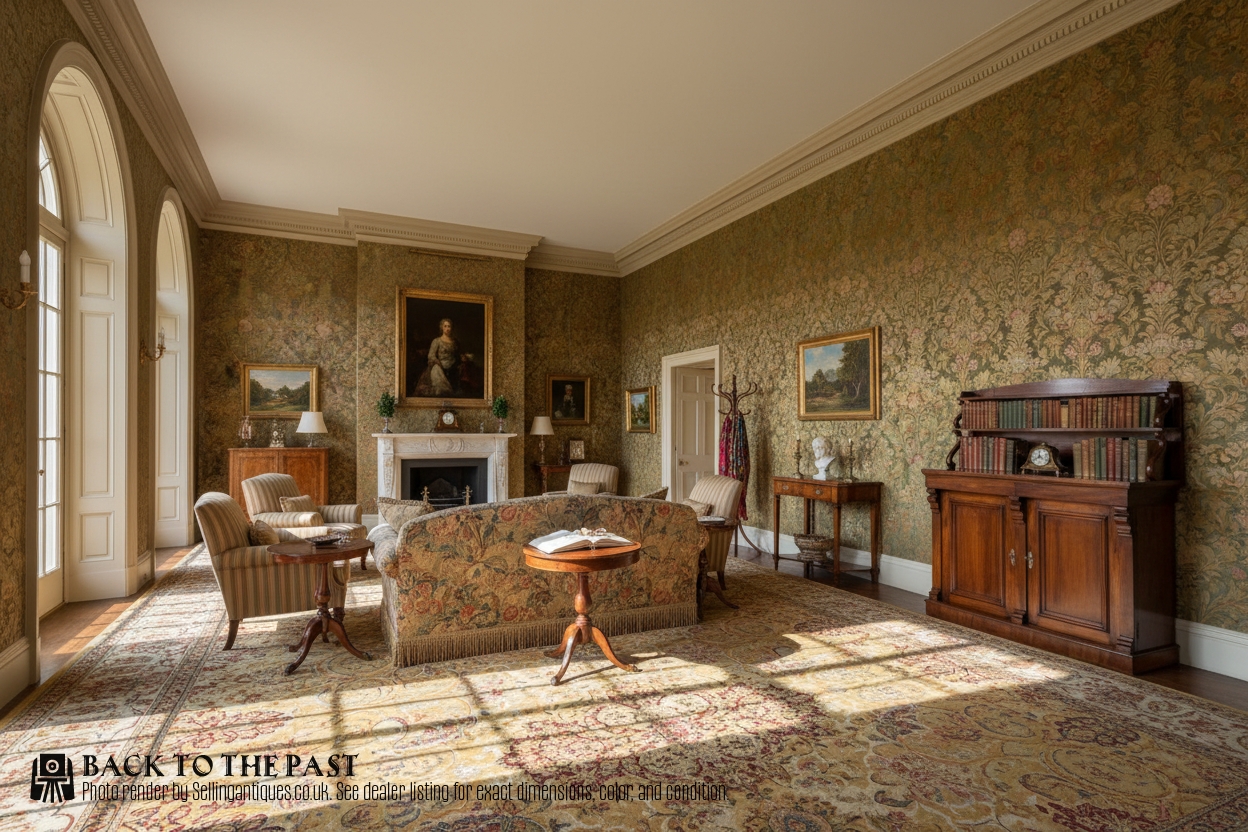
Antique Buffet Sideboard
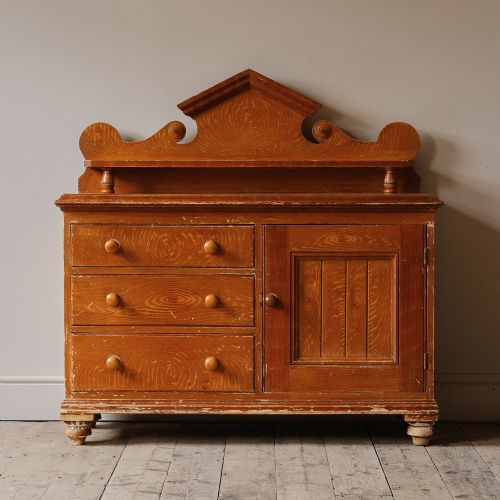
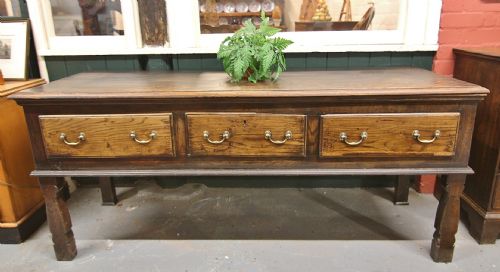
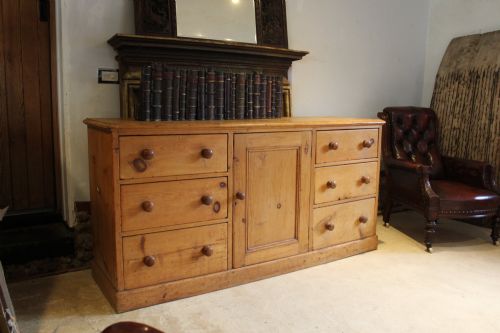
The antique buffet sideboard appears primarily in mahogany, oak, and walnut, taking the form of serving tables, credenzas, chiffoniers, and dresser bases. English and French workshops produced these pieces across the eighteenth and nineteenth centuries to hold dining china and silver.
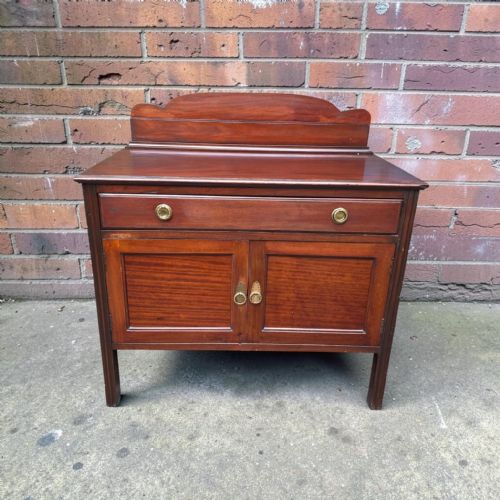
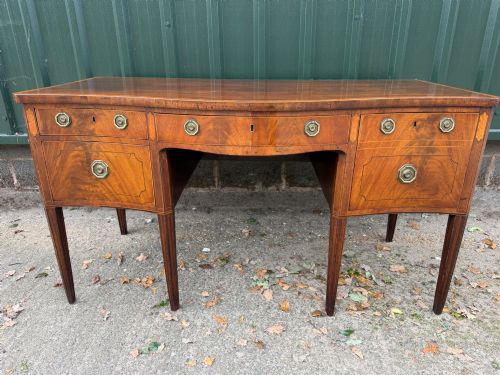
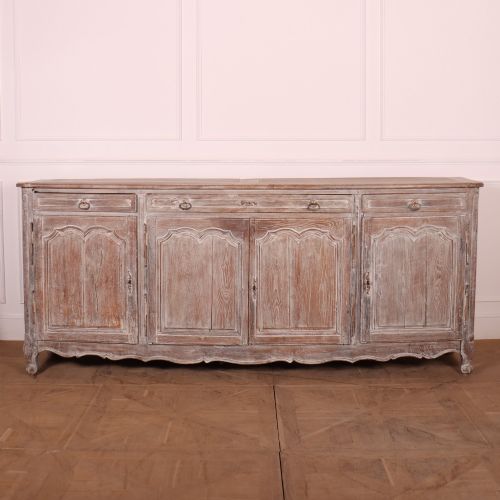
Victorian examples dominate the listings, often incorporating gallery backs, tiered servers, and substantial cupboard space. Earlier Georgian pieces present cleaner architectural lines in flame mahogany or fruitwood, whilst continental variants utilise carved oak, elm, and burr walnut.
Materials and Construction
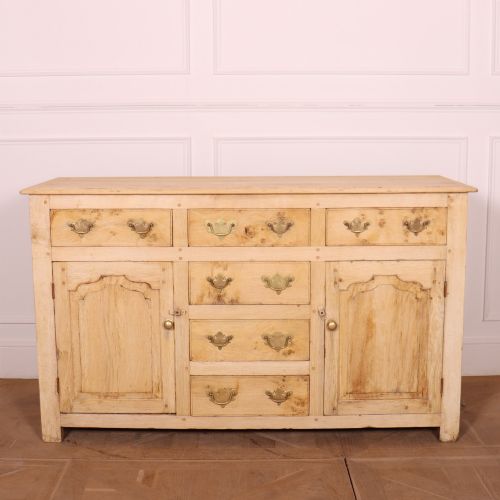
Cabinetmakers constructed these sideboards using solid timbers alongside veneered surfaces, selecting mahogany, oak, walnut, fruitwood, and pine. Structural joinery relied on traditional dovetailed drawers and panelled doors.
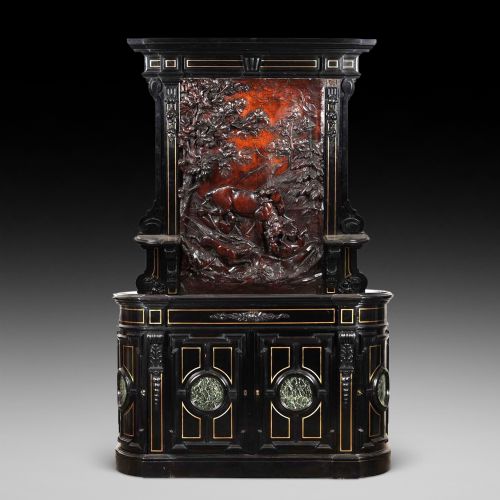
Surface ornamentation involved hand carving, applied mouldings, turned supports, and occasionally marble tops or glass panels. Brass handles and gallery rails completed the hardware on many nineteenth-century pieces.
Antique Buffet Sideboard Retail Price Guide 2026
Typical asking prices for buffet sideboard among the pieces listed under this phrase on Sellingantiques today, from the lower quarter to the upper quarter. They describe what is for sale here now, not the wider market.
Some Victorian oak buffets feature fierce Green Man carvings peering out from the woodwork to guard the dining room.
Judging Quality
The distinction between tiers of quality rests upon timber selection and the precision of the cabinetwork. Fine examples display carefully matched grain patterns, such as flame mahogany or burr walnut, alongside crisp, deep hand carving rather than shallow machine work.
Structural integrity and original hardware elevate a piece. Sideboards retaining their original brass fixtures, locks, marble inserts, and smooth-running drawers reflect superior original manufacture and careful preservation.
Oetzmann & Co·Gillow & Co
The Antique Buffet Sideboard Glossary
- Credenza
- A grand cabinet or sideboard format originating in Italy, frequently featuring architectural details and display space.
- Chiffonier
- A compact sideboard or cabinet variant with a raised shelf tier or mirror back, popular during the Victorian period.
- Dumbwaiter
- A multi-tiered serving piece designed to hold dishes and utensils near the dining table without requiring domestic staff.
- Serpentine
- A curved furniture front characterised by a convex centre flanked by concave ends.
- Breakfront
- A cabinet facade where the central section projects forward from the flanking outer sections.
Antique Buffet Sideboard: Frequently Asked Questions
How were buffet sideboards used?
These pieces served as serving stations during large meals, holding platters, dishes, and silverware within easy reach of the dining table. The top surface acted as a buffet for food presentation.
Cupboards and drawers below kept linens, glassware, and heavy serving vessels organised and secure.
How do I date a sideboard?
Dating relies on identifying stylistic markers, timber choices, and construction methods. Georgian pieces display restrained classical lines, whilst Victorian examples often feature heavy carving, gallery backs, and darker finishes.
Drawer construction also helps, as hand-cut dovetails indicate earlier manufacture before the widespread use of machinery.
Where should I place a sideboard?
A buffet sideboard fits naturally against a dining room wall where it provides both decorative presence and practical surface area. It also functions well in large hallways or living rooms for general storage.
Ensure adequate clearance around the piece for doors and drawers to open fully without obstruction.