

Antique Buddha Sculpture
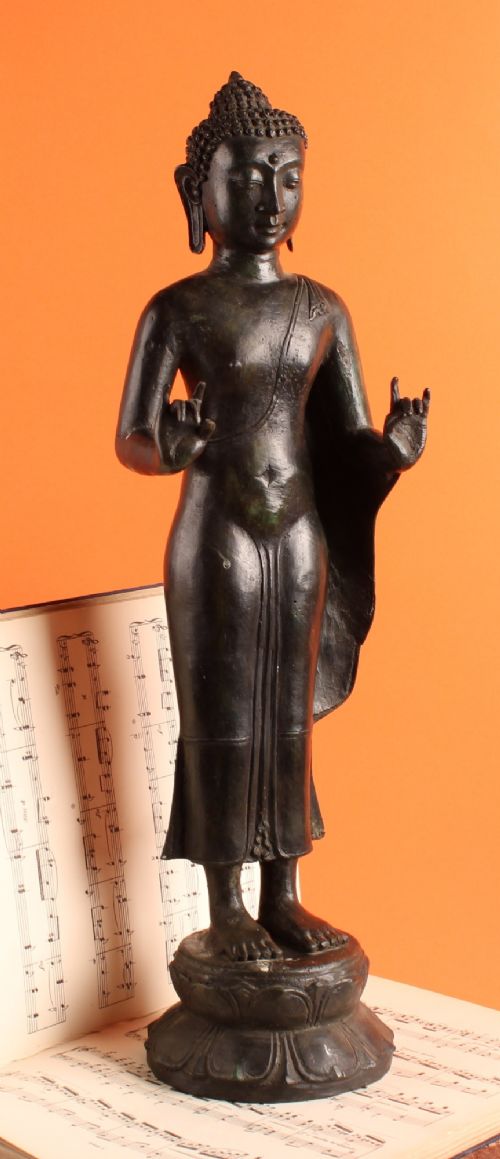
When you seek an antique buddha sculpture, you encounter centuries of sacred artistry rendered in bronze, wood and stone across diverse Asian traditions.
Antique Buddha Sculpture
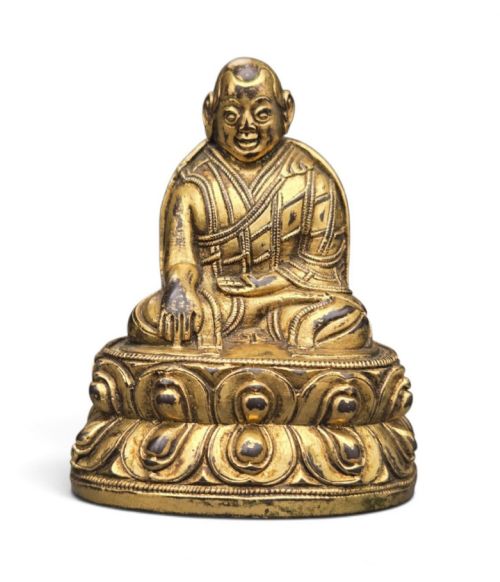
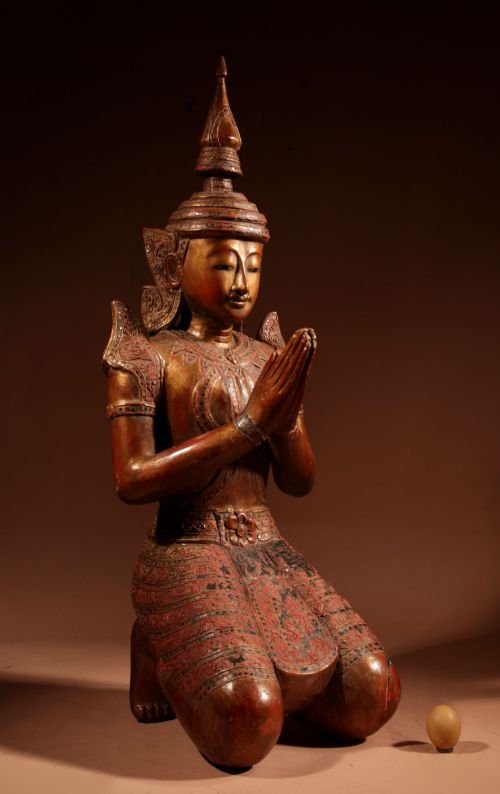
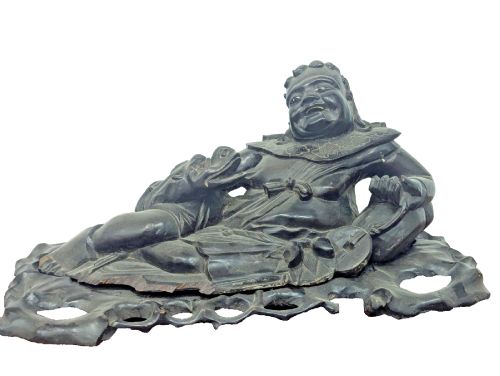
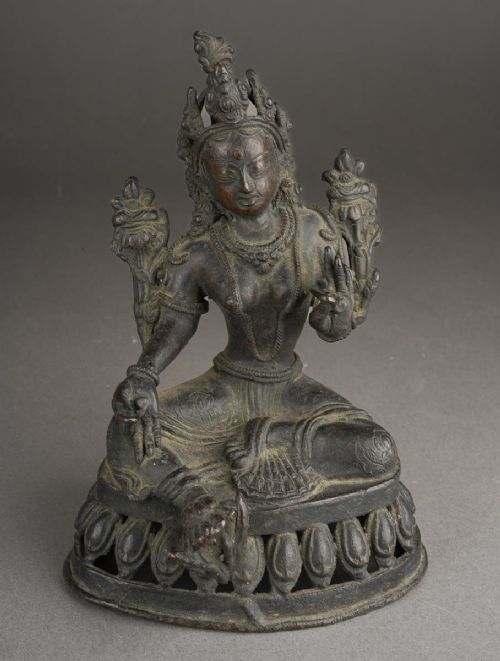
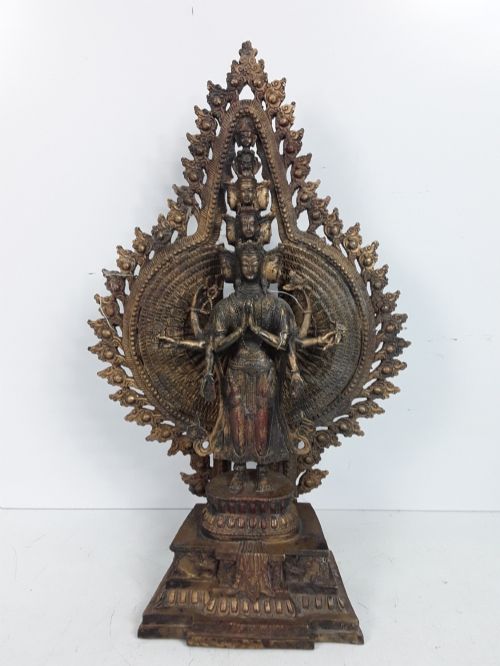
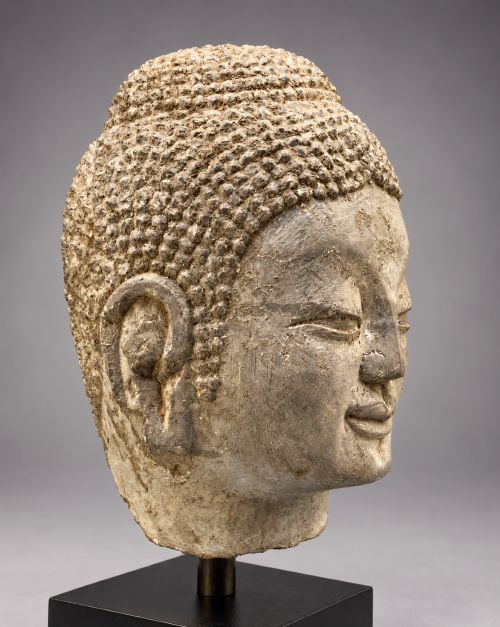
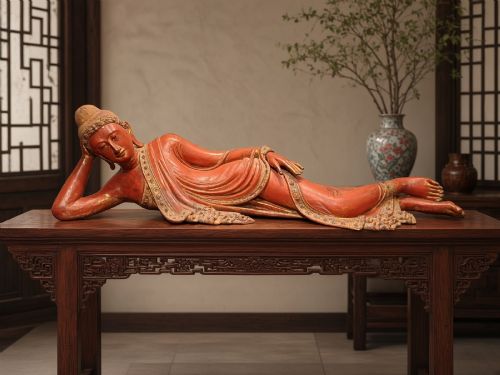
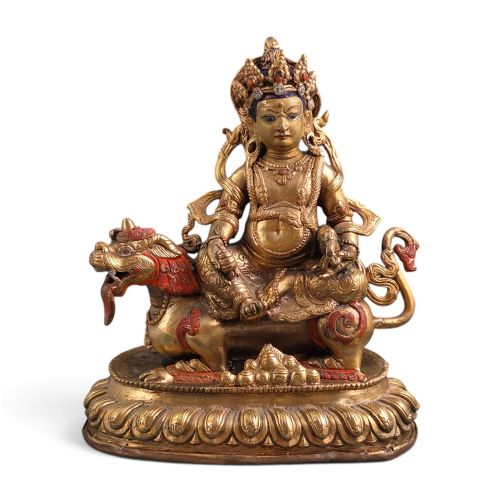
An antique buddha sculpture represents enlightened figures, deities and temple guardians created across Asian workshops, spanning periods from the Ming dynasty and Ayutthaya era through to the nineteenth and early twentieth centuries. These works include seated figures, standing deities, reclining forms and isolated stone heads originating from regions such as China, Tibet, Burma, Thailand and Nepal.
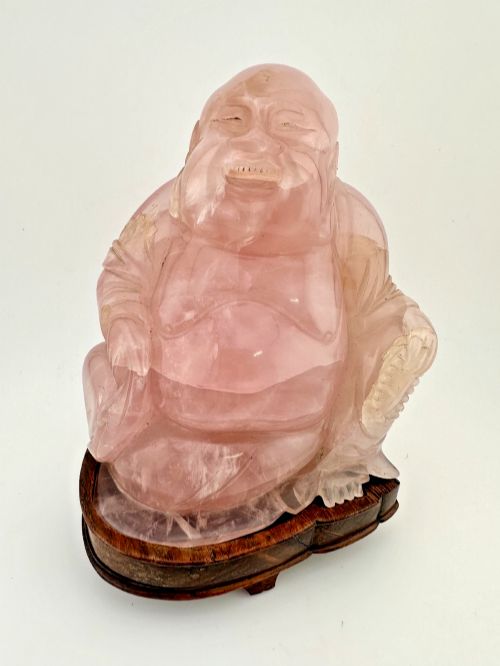
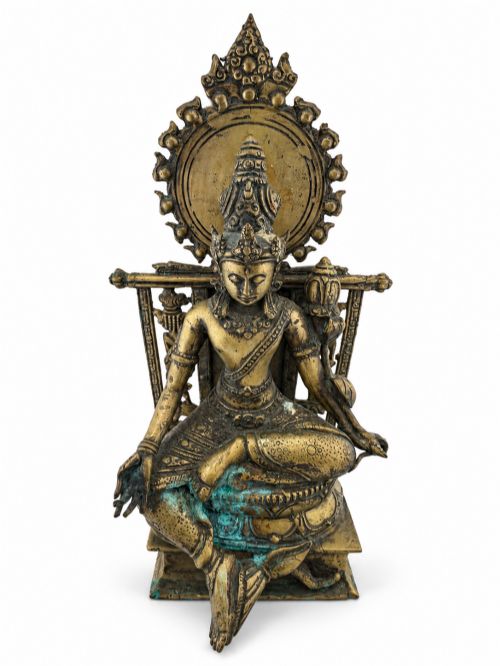
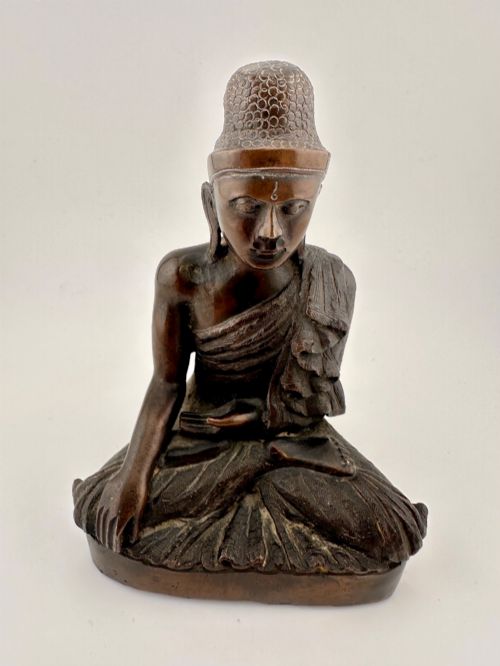
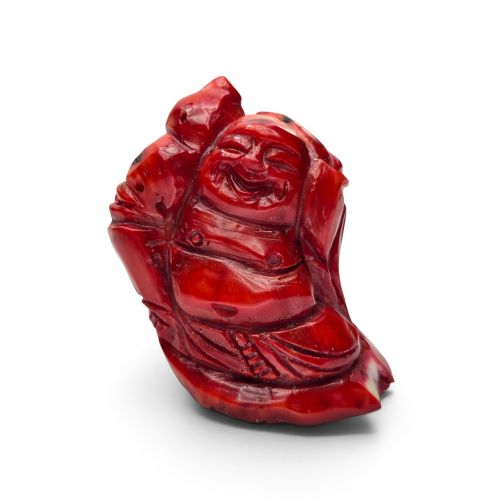
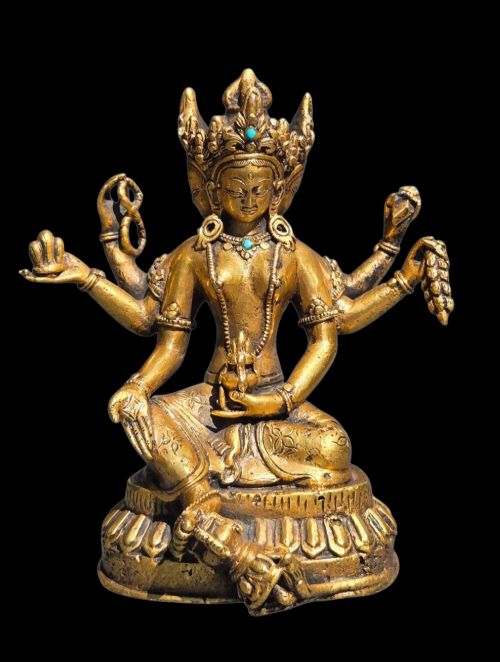
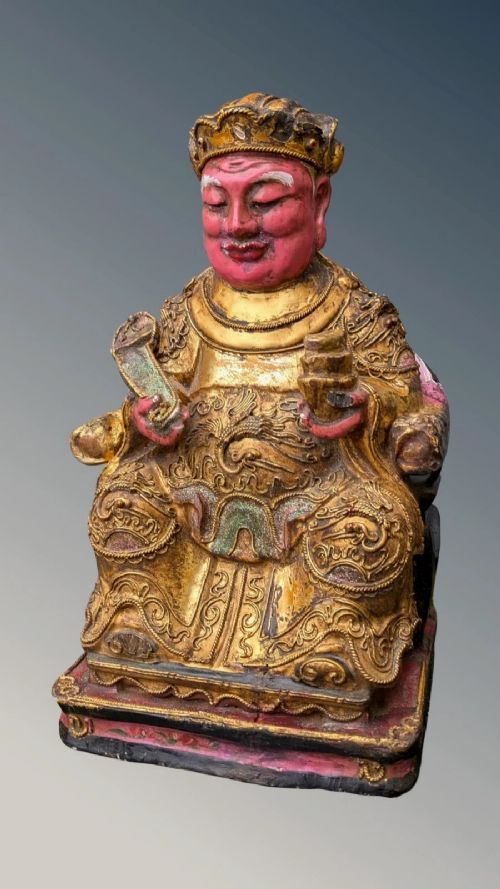
The versions most commonly met on this page are nineteenth-century bronze and wooden figures, often carrying traditional attributes, patinations or traces of original gilding and polychrome pigment. Chinese interpretations frequently depict Budai or Guanyin in carved hardwood, coral, jade or pottery, while Himalayan and Southeast Asian pieces present cast metal deities from regional Buddhist and Hindu pantheons.
How they were made
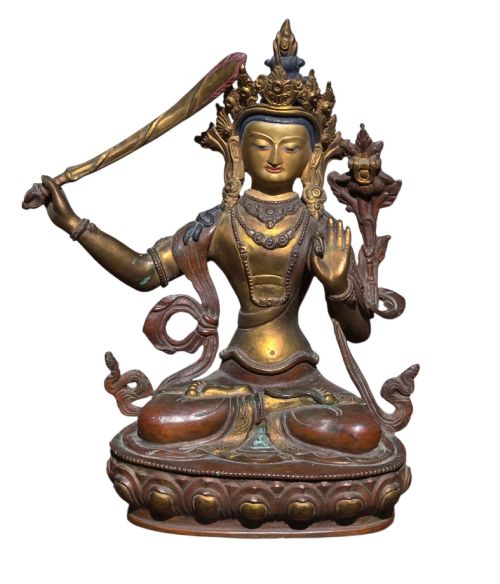
Many metal sculptures on this page utilise the lost-wax casting technique in bronze, copper alloy or gilt bronze, sometimes enhanced with gold leaf, turquoise inlays or applied pigment. The resulting surfaces acquire complex patinations over centuries of handling and ritual exposure.
Carved pieces rely on dense timbers such as hardwood, or stones including limestone, sandstone, jade and rose quartz, shaped with high relief or finished with polychrome paint, lacquer and yellow glaze.
Antique Buddha Sculpture Retail Price Guide 2026
Typical asking prices for buddha sculpture among the pieces listed under this phrase on Sellingantiques today, from the lower quarter to the upper quarter. They describe what is for sale here now, not the wider market.
Materials represented across the marketplace include precious red coral, rose quartz, jade, limestone, sandstone, lacquer, white marble and gilt bronze.
What varies in quality
Quality rests in the sculptural depth, anatomical precision and the fidelity of the casting or carving to its specific regional school, whether Burmese Mandalay, Sino-Tibetan or Qing dynasty. Superior examples maintain crisp detail in the drapery folds, facial expressions and iconographic attributes without losing their ritual authority.
The preservation of original surface treatments - such as early fire gilding, stone polychromy, gold leaf or aged bronze patination - distinguishes masterworks from later or heavily restored pieces.
The Antique Buddha Sculpture Glossary
- Mudra
- A symbolic hand gesture used in iconography to convey specific teachings or states of mind. These gestures identify the spiritual role of the deity.
- Bodhisattva
- An enlightened being who defers nirvana to assist others along the spiritual path. Figures such as Avalokiteshvara and Manjushri belong to this category.
- Gilt bronze
- Metal cast and subsequently coated with a layer of gold, often using a mercury amalgamation method. This technique creates a luminous, durable surface finish.
- Polychrome
- Painted or decorated in several colours. This term describes wooden and stone sculptures retaining remnants of their original ritual pigments.
- Lost-wax casting
- A metalworking process where a molten metal is poured into a mould that has been created by means of a wax model. The wax is melted and drained away.
Antique Buddha Sculpture: Frequently Asked Questions
What is an antique buddha sculpture made from?
These sculptures are fashioned from a variety of materials including cast bronze, copper alloy, gilt metal, hardwood, jade, stone and rose quartz. Many pieces also incorporate surface elements such as gold leaf, lacquer and polychrome pigment.
Choice of material often reflects the regional workshop and period of origin, ranging from Burmese wooden temple statues to heavy Chinese bronze figures and ancient limestone heads.
How were these sculptures used originally?
Sculptures of this nature served central roles in monastic shrines, domestic altars and temple complexes across Asia. They acted as focal points for meditation, ritual devotion and offerings.
Many larger works functioned as temple guardians or monumental focal pieces, while smaller shrine statues were designed for personal worship and portable devotion.
How should I care for an antique buddha sculpture?
Preservation requires stable environmental conditions away from direct sunlight, excessive moisture and rapid temperature fluctuations. Dusting should be performed gently with a dry, soft brush to protect fragile surfaces and original patinas.
Applying modern cleaning agents, oils or polishes should be avoided entirely, as these substances can damage historic wood, gilding, pigment and bronze patination.