


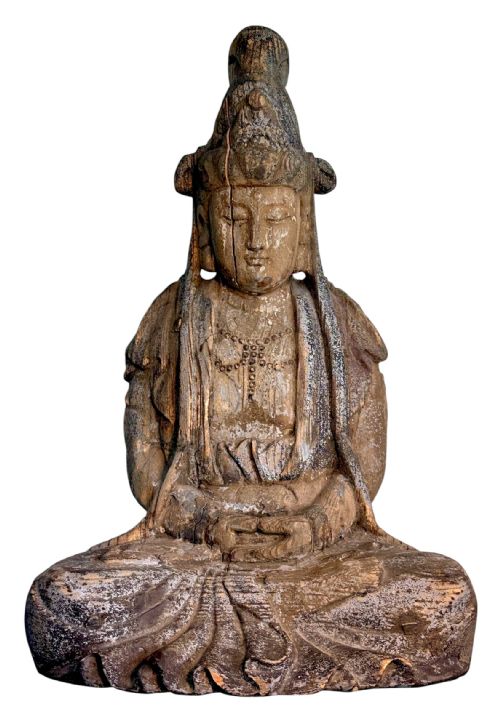


Antique Temple Carving
An antique temple carving brings sacred history into a modern room, offering centuries of ritual devotion cast in wood, stone and bronze.
Antique Temple Carving
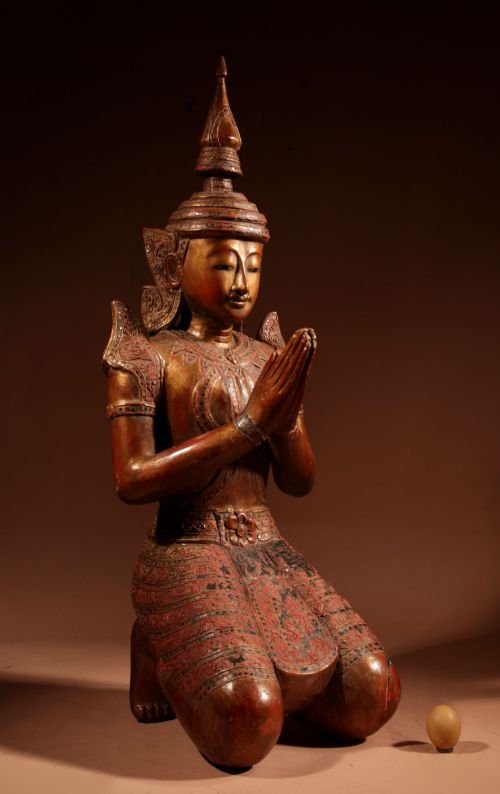
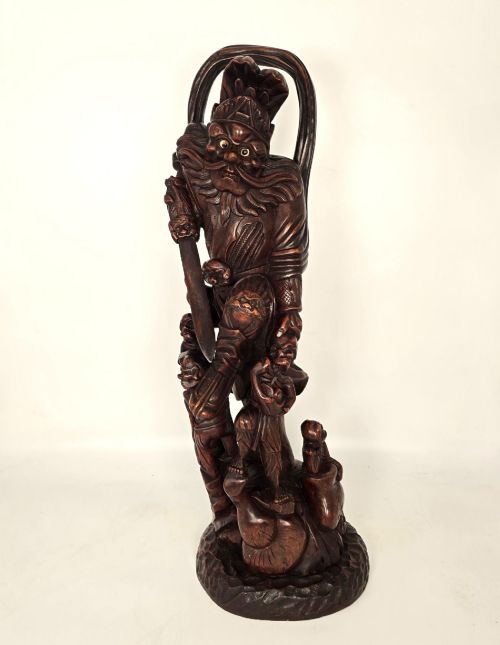
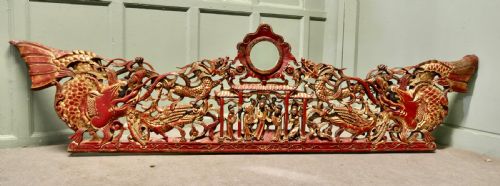
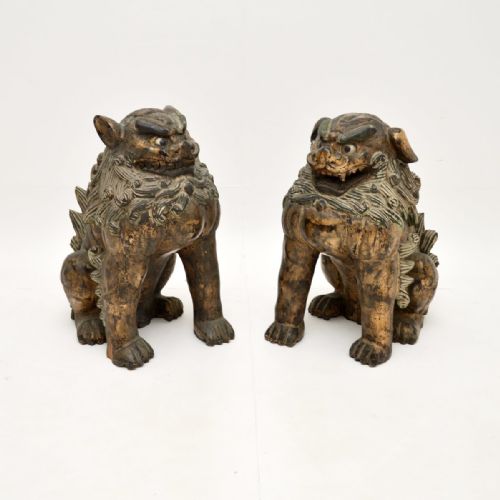
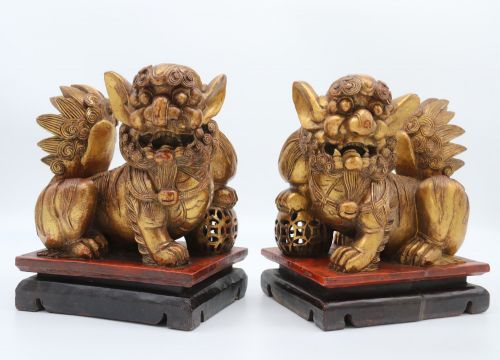
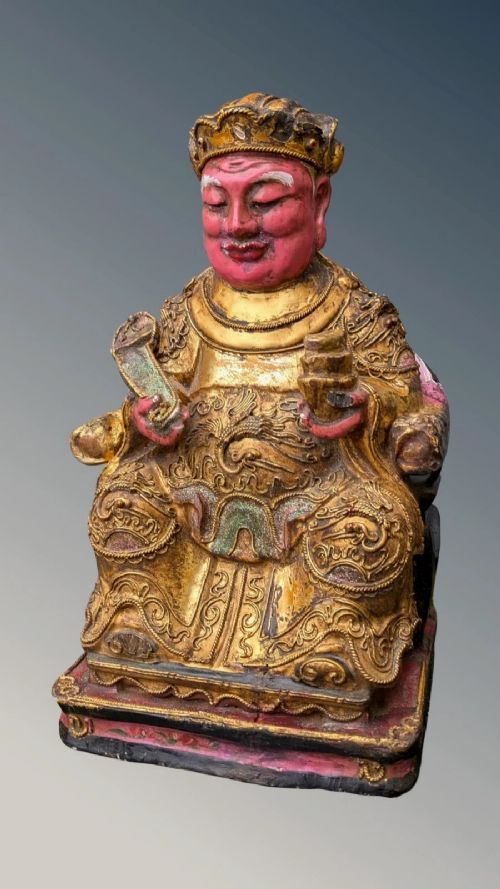
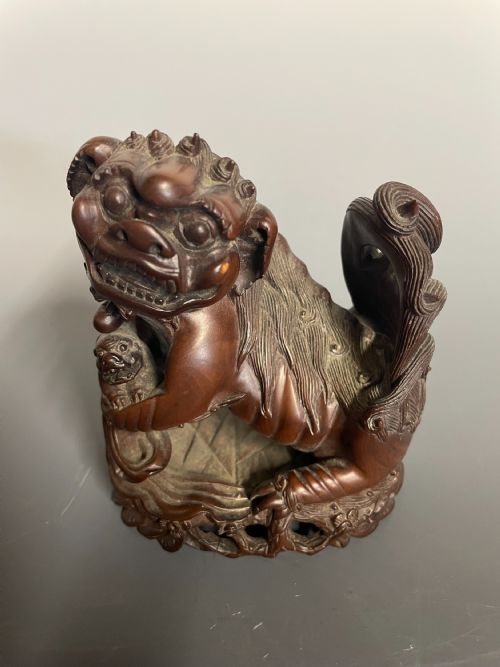
An antique temple carving spans architectural fragments, guardian figures and devotional statues removed from sacred sites across Asia over successive centuries. The selection centres heavily upon wooden guardian lions, polychrome deities and Buddha figures originating from Chinese, Burmese and Indian traditions.
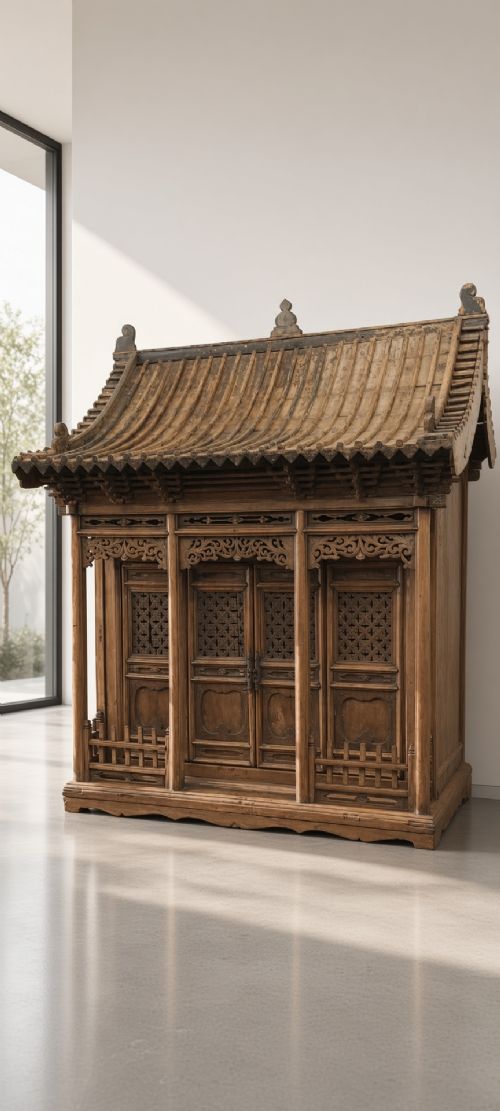
Buyers encounter architectural elements such as pediments and roof decorations alongside portable shrines, altars and figures dating from the Ming Dynasty through to the early twentieth century. These items carry the physical evidence of ritual use, ranging from worn polychrome pigment to layers of historic gilding.
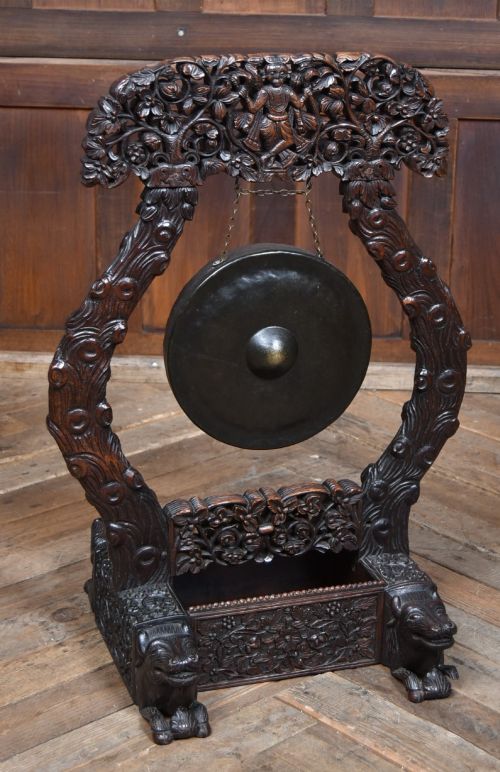
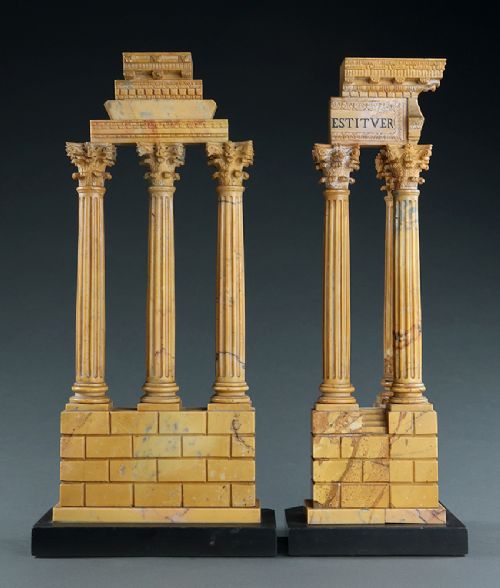
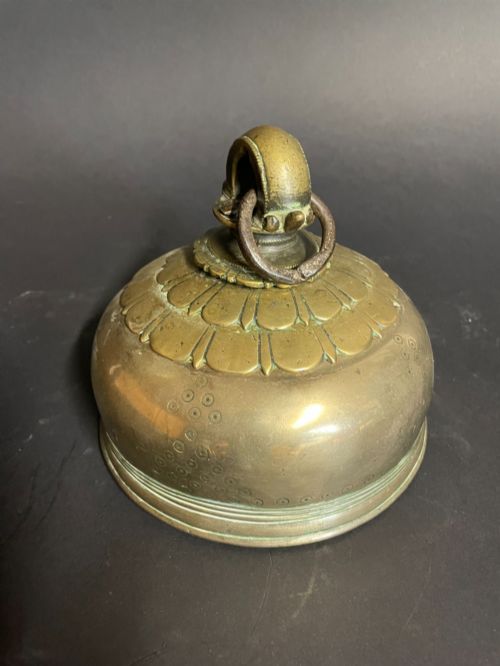
The material forms vary widely between monumental stone reliefs, cast bronze bells, marble statues and intricate boxwood carvings. Each piece represents a fragment of religious architecture or domestic shrine practice preserved from past centuries.
How they were made
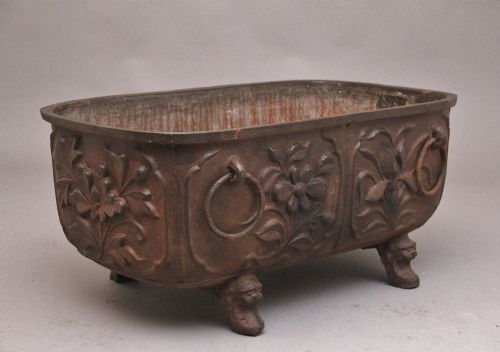
Stone carving utilised sandstone, marble and granite, worked with abrasive tools to produce high-relief architectural panels and free-standing temple lions. Metalwork objects relied on traditional casting techniques, incorporating inscribed scripts and chased details into bronze and cast iron.
Antique Temple Carving Retail Price Guide 2026
Typical asking prices for temple carving among the pieces listed under this phrase on Sellingantiques today, from the lower quarter to the upper quarter. They describe what is for sale here now, not the wider market.
Several stone lions on this page have spent centuries guarding thresholds they now protect from modern foot traffic.
What varies in quality
Quality rests upon the depth and vigour of the carving, distinguishing confident sculptural work from mechanical execution. Master carvers achieved anatomical conviction and expressive intensity in faces and drapery, whereas provincial pieces often display stiffer proportions and simplified surface details.
The survival of original surface decoration dictates the standing of an object. Pieces retaining undisturbed layers of early polychrome paint, lacquer and gold leaf hold greater artistic integrity than those stripped or heavily overpainted during later restorations.
The Antique Temple Carving Glossary
- Polychrome
- Painted in several colours. This term describes wooden sculptures and architectural elements that retain their original applied pigments.
- Foo Dog
- A mythical guardian lion originating in Chinese art. These protective figures appear frequently as pairs flanking temple entrances or shrines.
- Pediment
- The triangular upper part of a building front or architectural frame. In temple architecture, these carved wooden elements sat above altars or doorways.
- Gesso
- A plaster mixture used as a smooth base for paint or gold leaf on wooden carvings. It provides the preparatory layer for traditional gilding.
- Relief
- A sculptural technique where elements project from a flat background. Surviving examples include sandstone wall panels carved with deities.
Antique Temple Carving: Frequently Asked Questions
How do I hang a temple pediment?
Architectural pediments require secure fixing to solid wall studs using heavy-duty brackets suited to the weight of the timber. Professional installation ensures the structural load distributes evenly across the panel.
Position the piece at eye level to appreciate the depth of the carving and the historical tool marks across the surface.
How do I clean a gilded wood carving?
Dust surfaces gently using a soft, dry artist brush without applying moisture or cleaning solutions. Liquid cleaners can lift fragile gold leaf and historical gesso layers.
Keep wooden sculptures away from direct heat sources and strong sunlight to prevent the dry timber from cracking.
Are these figures from Buddhist temples?
Many figures represent Buddhist deities, guardians and bodhisattvas originating from shrines, monasteries and domestic altars. The selection also includes Hindu architectural fragments and folk art figures.
Inscriptions, iconography and stylistic traits help identify the specific religious tradition and regional origin of each piece.
How can I tell the age of a carved Buddha?
Dating relies on stylistic markers such as robe folds, facial proportions and regional carving conventions linked to specific dynasties or periods. Material analysis of the underlying timber, wear patterns and the composition of the gesso also inform the age.
Comparing the workmanship to dated examples helps narrow down the production era.