



Gold Carved Buddha Statue
A gold carved buddha statue brings contemplative presence into a room, rendered in gilt wood or stone across centuries of Asian craftsmanship.
Gold Carved Buddha Statue
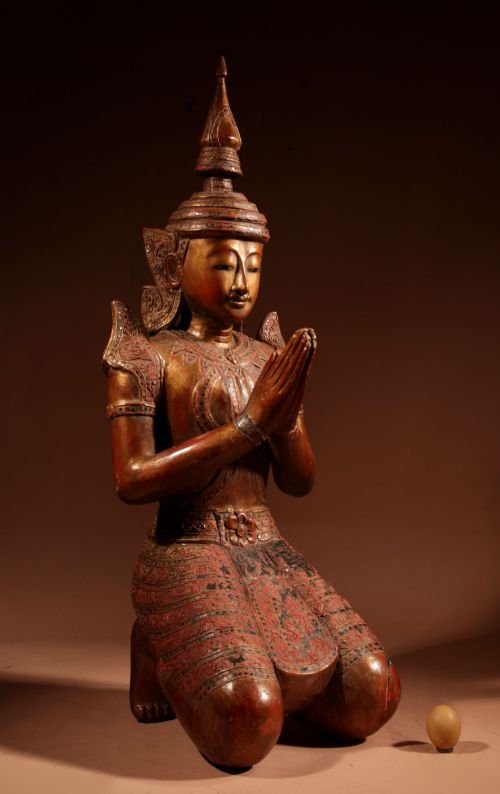
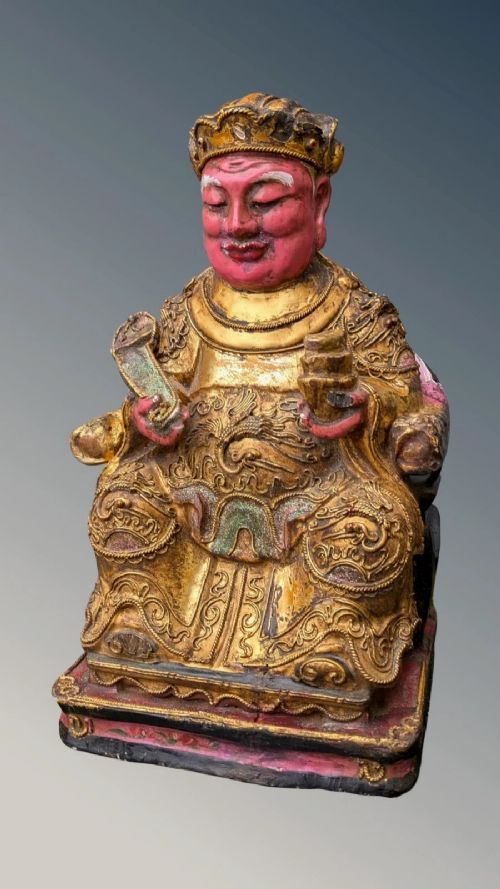
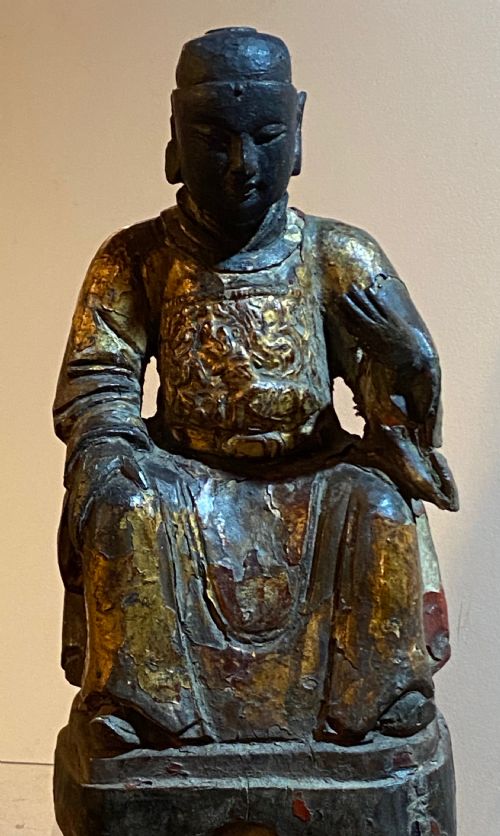
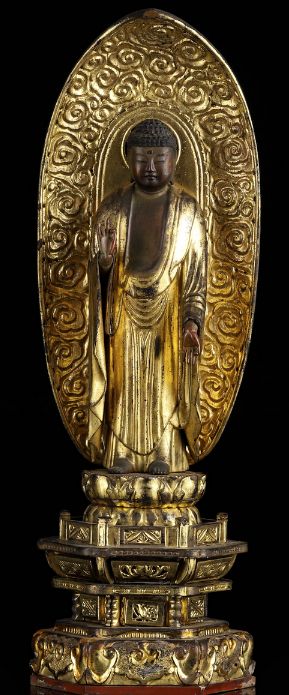
A gold carved buddha statue encompasses figures from Chinese, Japanese, Tibetan, and Southeast Asian traditions, spanning the eighteenth century through the early twentieth century. Buyers seeking this phrase encounter temple guardians, deities, and meditative figures shaped from wood or stone.
The pieces most frequently met on this page are nineteenth-century works originating from China, Burma, and Japan. These sculptures range from diminutive figures to monumental temple pieces, reflecting diverse regional iconography.
Materials and construction methods
Makers shaped these sculptures primarily from timber, stone, and occasionally metal, applying layers of gesso to prepare wooden surfaces for gilding. Carvers worked with native hardwoods to achieve intricate drapery and detailed expressions before finishing the surfaces.
Gold leaf and liquid pigment were applied over gesso or directly onto the material, frequently accompanied by polychrome paint and glass inlay. This combination of gilding and pigment created rich visual depth across robes, hair, and lotus thrones.
Gold Carved Buddha Statue Retail Price Guide 2026
Typical asking prices for gold carved buddha statue among the pieces listed under this phrase on Sellingantiques today, from the lower quarter to the upper quarter. They describe what is for sale here now, not the wider market.
Factors determining quality
The preservation of the original gold leaf, pigment, and gesso layer dictates the integrity of a piece. Surfaces that retain their layered polychrome decoration without excessive restoration command greater appreciation from collectors.
The Gold Carved Buddha Statue Glossary
- Gilt wood
- Wood coated with a thin layer of gold leaf or powder. This technique protects the underlying timber while providing a luminous metallic finish.
- Gesso
- A plaster mix applied to wooden sculptures as a smooth base for gilding and paint. It allowed carvers to refine details before applying gold leaf.
- Glass inlay
- Small pieces of glass embedded into the wooden or metal surface of a statue. This technique added reflective ornamentation to crowns, borders, and vestments.
- Gold leaf
- Gold beaten into extremely thin sheets for application onto surfaces. It remains a defining component in the decoration of traditional Buddhist sculpture.
Gold Carved Buddha Statue: Frequently Asked Questions
How do I date a gold carved buddha statue?
Dating relies on stylistic conventions, tool marks, and the ageing patterns of the wood, gesso, and gold leaf. Regional iconography helps attribute pieces to specific periods like the Edo period or Qing dynasty.
Examining the reverse and interior surfaces reveals construction methods typical of particular centuries, distinguishing nineteenth-century temple pieces from earlier or later works.
Where should I place a buddha statue at home?
These sculptures suit elevated positions in living spaces, studies, or quiet corners where their contemplative posture can be appreciated. Placement should protect the delicate gold leaf and polychrome surfaces from direct sunlight and moisture.
Ensuring the statue sits securely on a stable surface prevents accidental knocks to protruding carved elements or delicate wooden bases.
How do I clean a gilt wood sculpture?
Dusting requires only a soft, dry artist's brush or feather duster used with extreme gentleness. Moisture, commercial cleaners, and abrasive cloths must be avoided to protect the fragile gold leaf and pigment.
Professional conservators should handle any deeper cleaning or structural stabilization to preserve the historic layers of gesso and gilding.
What is the difference between Chinese and Burmese buddha figures?
Chinese figures often reflect dynastic traditions such as the Qing period, displaying specific imperial robes and facial structures. Burmese Mandalay pieces feature distinct crownwork, elongated earlobes, and specific arrangements of monastic garments.
Materials and application of polychrome pigment also vary between regions, reflecting local aesthetic preferences and religious practices of the time.