
Antique Buddha Figure
An antique buddha figure embodies centuries of devotional craftsmanship, offering collectors a tangible connection to Asian spiritual art.
Antique Buddha Figure
An antique buddha figure encompasses sculpted representations originating from various Asian traditions, including Chinese, Tibetan, Burmese, and Thai cultures. These pieces span multiple centuries, with numerous examples emerging from the nineteenth and early twentieth centuries alongside earlier periods.
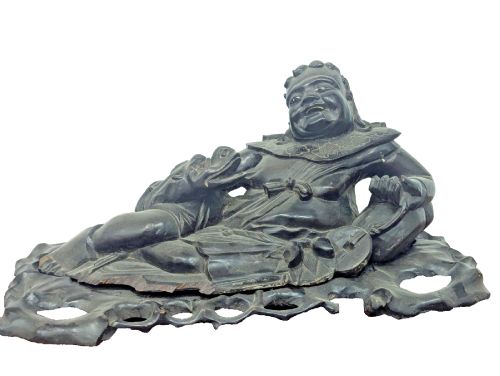
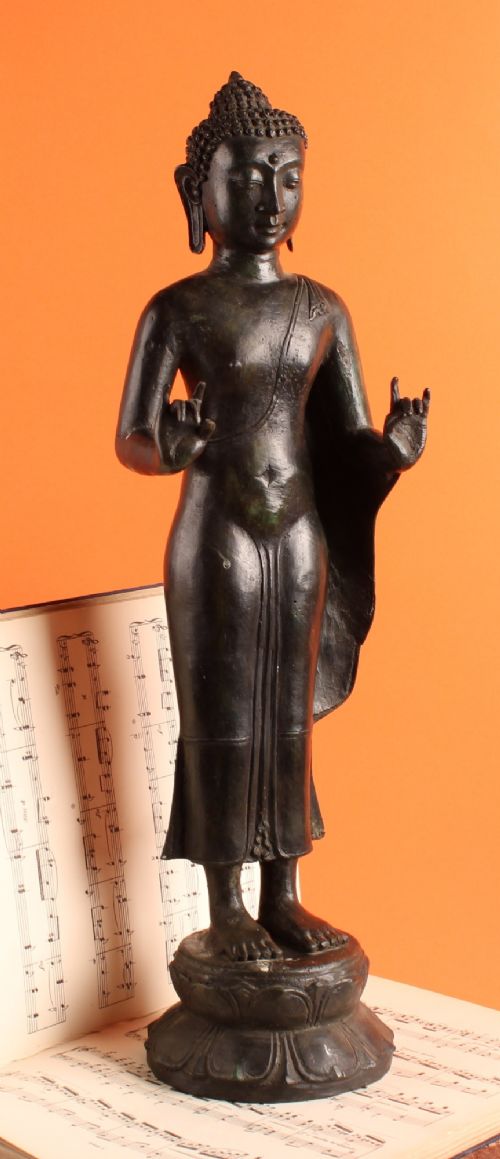
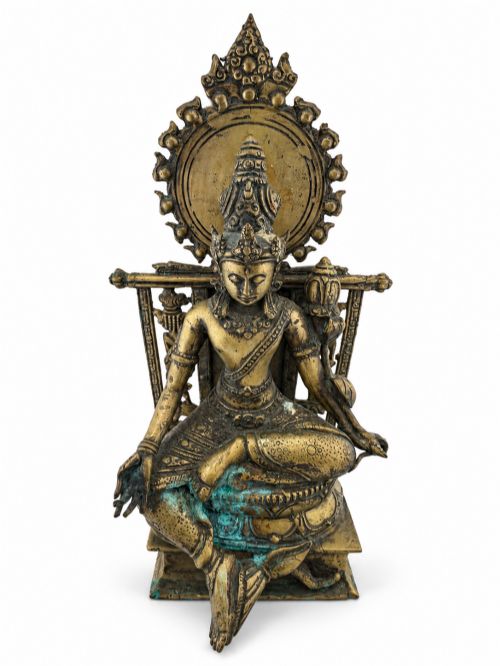
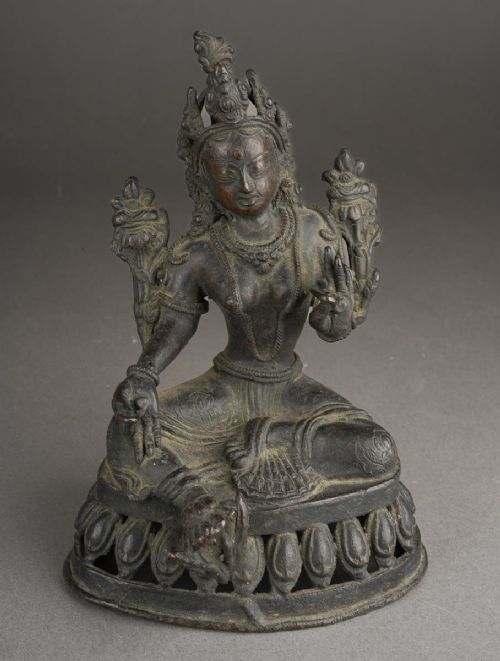
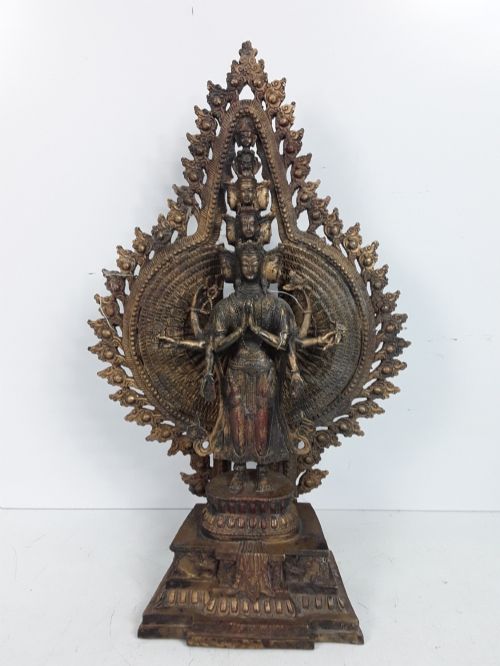
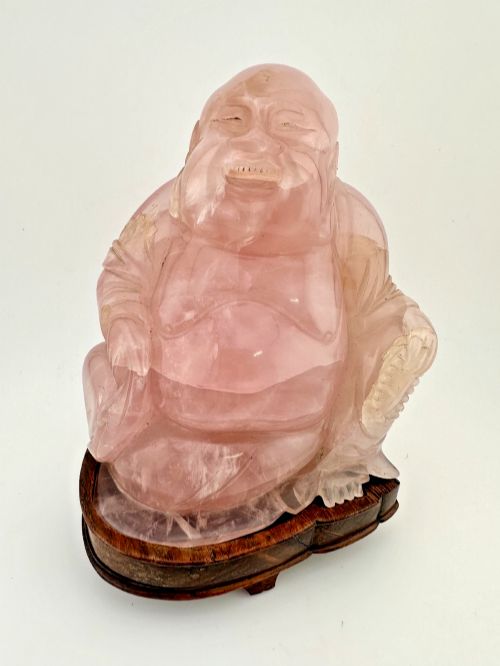
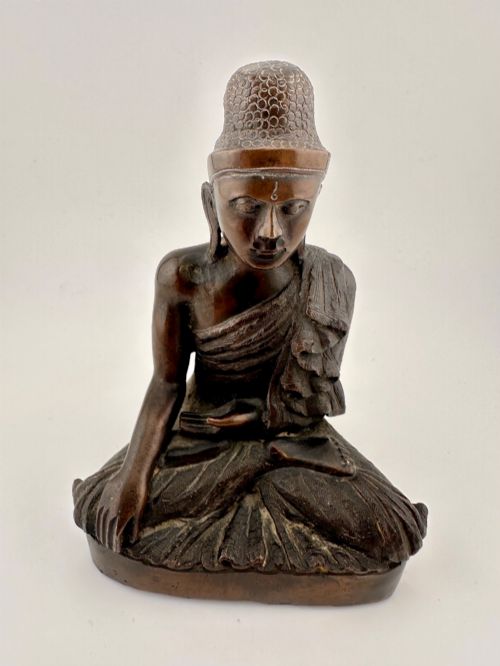
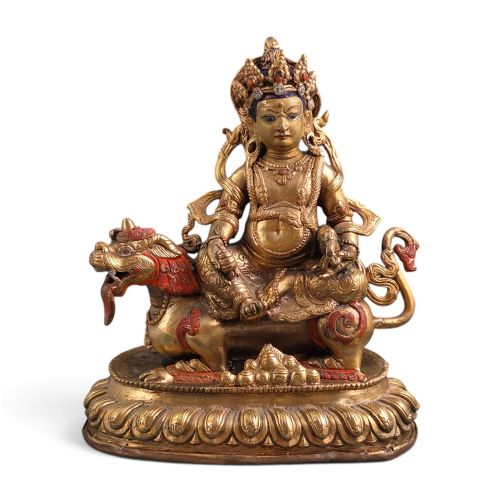
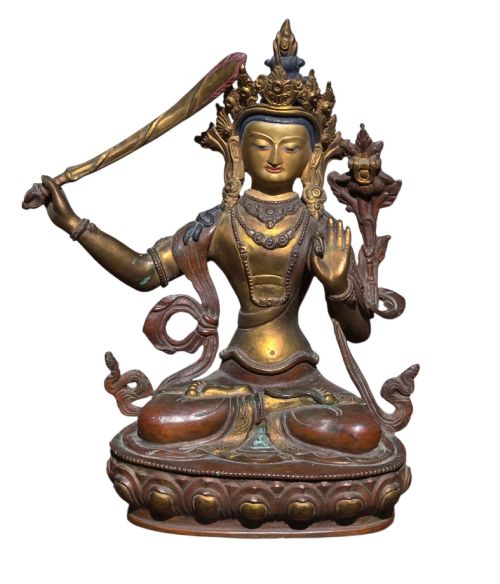
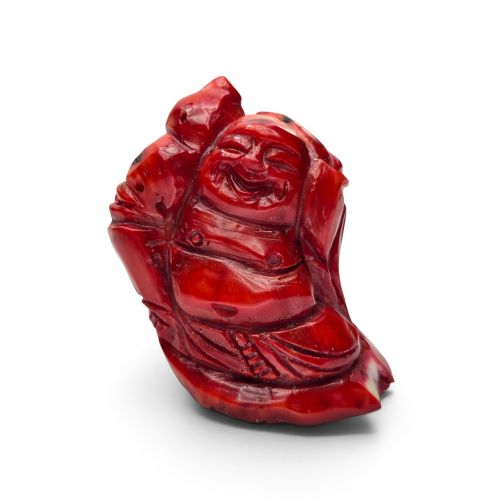
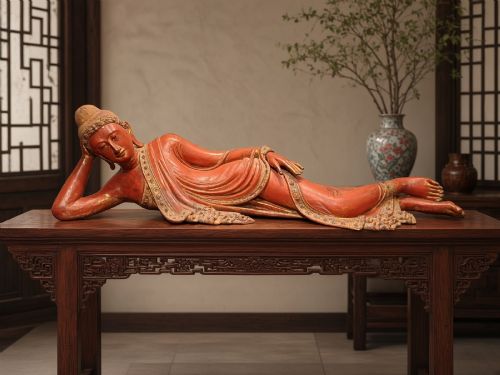
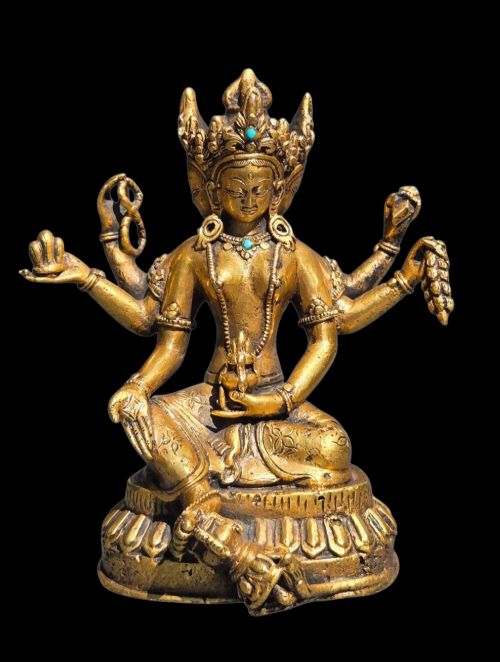
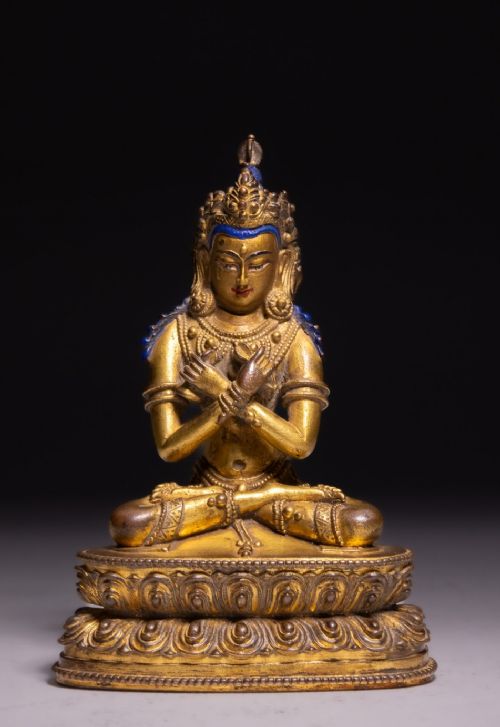
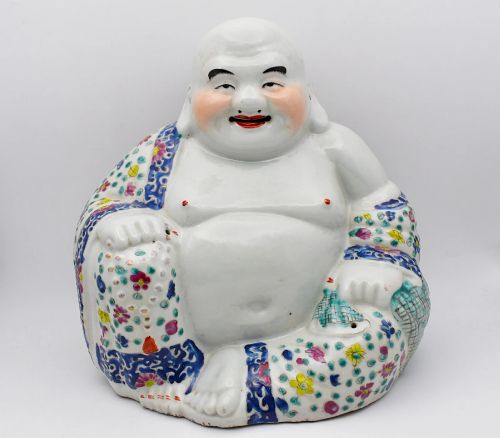
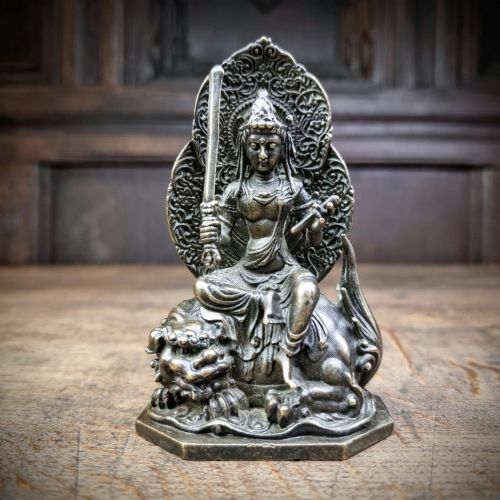
The selections on this page frequently present as bronze, copper alloy, or carved hardwood sculptures depicting seated or standing figures. Forms range from laughing Budai figures to meditative Buddhas and intricate Himalayan deities.
Regional styles dictate the artistic conventions observed in these sculptures, showing distinct stylistic traits from the Qing Dynasty, Sino-Tibetan workshops, and the Ayutthaya period. Buyers encounter both small household shrine figures and larger temple statues.
Materials and Techniques
Metals form a significant portion of these sculptures, created through casting methods that allow for intricate detail in bronze and copper alloy pieces. Artisans frequently applied gold leaf or gilt finishes to highlight sacred attributes.
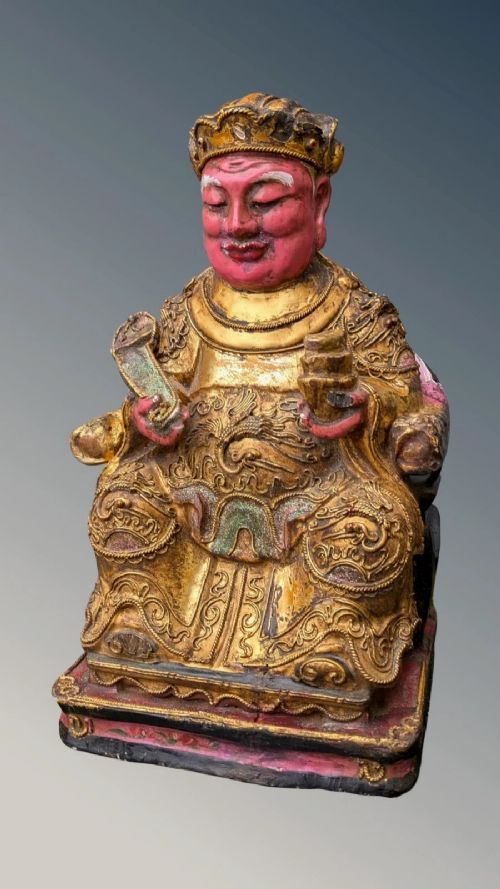
Carved wooden figures utilise hardwoods that accommodate deep relief work, often enhanced with pigment or lacquer layers. Selected pieces incorporate organic materials such as jade, rose quartz, and coral for specific decorative elements.
Listings include bronze, hardwood, and porcelain figures spanning the sixteenth to the twentieth centuries.
Factors of Quality
The refinement of the carving or casting defines the artistic success of an antique buddha figure, particularly in the rendering of facial expressions and drapery folds. Superior examples exhibit precise anatomical proportions and crisp surface details.
Surface treatments such as original patination, surviving gilt, and polychrome pigments significantly influence the character of the object. Age-appropriate wear and the preservation of original ritual finishes distinguish pieces created for dedicated temple use from later decorative works.
Zhu Mao Ji
The Antique Buddha Figure Glossary
- Mudras
- Hand gestures symbolising specific spiritual states or teachings in Buddhist iconography. Each distinct position carries specific meaning for the identity of the figure.
- Bodhisattva
- An enlightened being dedicated to assisting others on the path to awakening. These figures are often depicted with elaborate crowns and jewellery.
- Gilt bronze
- Metal cast sculpture treated with a thin layer of gold or gold amalgam. This technique imparted a luminous finish to sacred temple objects.
- Polychrome
- Decoration utilising multiple colours applied to wood or ceramic surfaces. Artisans used pigments to bring devotional sculptures to life.
- Ayutthaya period
- A historical epoch in Thai art known for distinctive crowned Buddha sculptures with serene expressions. Pieces from this era show specific regional casting characteristics.
Antique Buddha Figure: Frequently Asked Questions
What materials were used?
These sculptures utilise materials such as bronze, copper alloy, carved hardwood, marble, and porcelain. Many pieces also feature applied gold leaf, lacquer, or polychrome pigments.
Surface finishes often include traditional patination developed over centuries of handling and environmental exposure.
Were these figures made for temples?
Many larger examples served as focal points in regional temples or household shrines, created for active ritual worship. Other smaller pieces were designed for personal meditation or domestic display.
Temple pieces frequently exhibit substantial scale and detailed polychrome or gilt surfaces.
How should I care for a wooden figure?
Wooden sculptures require stable environmental conditions with moderate humidity to prevent timber splitting or pigment flaking. Avoiding direct sunlight preserves original polychrome and gilt surfaces.
Dusting should be performed gently with a soft, dry brush without chemical cleaning agents.