


Antique Brown Clock
An antique brown clock brings the rich warmth of polished mahogany, oak and walnut into a room.
Antique Brown Clock
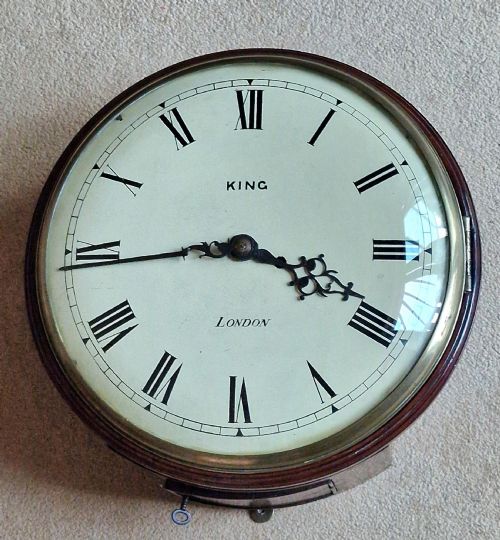
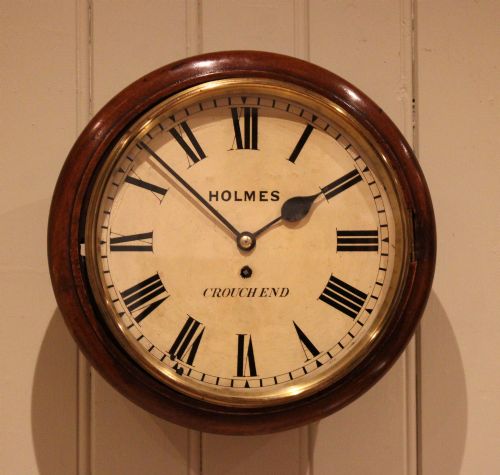
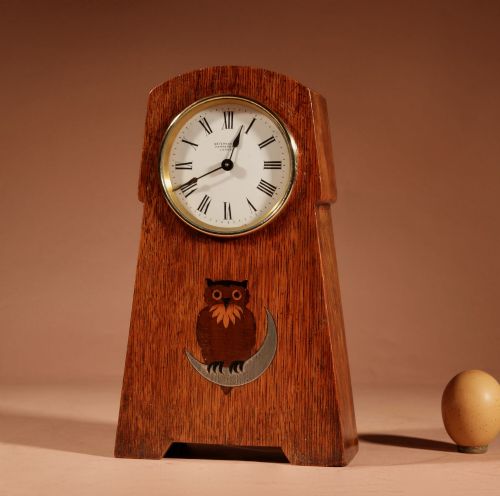
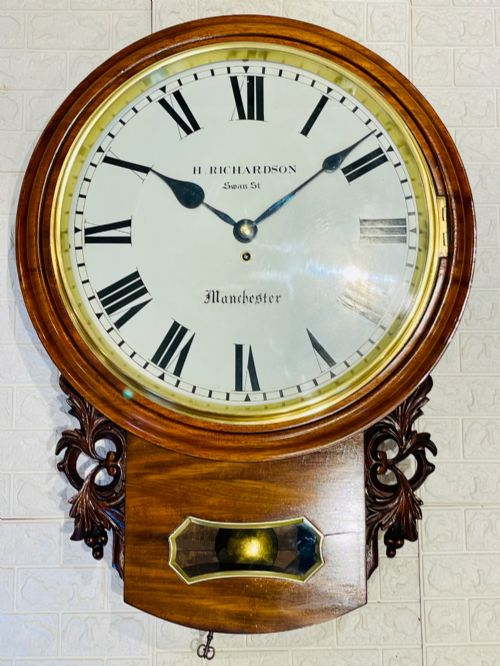
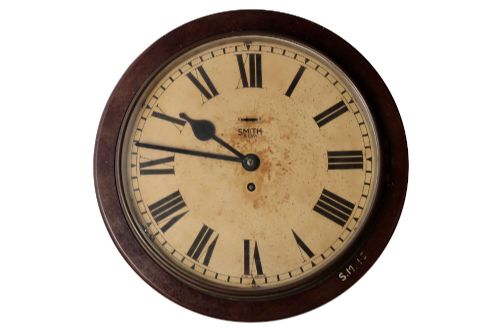
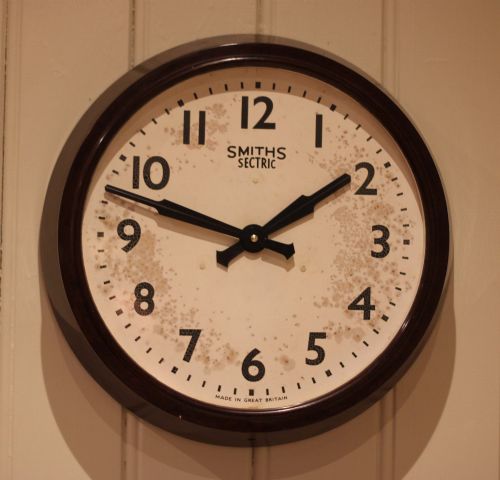
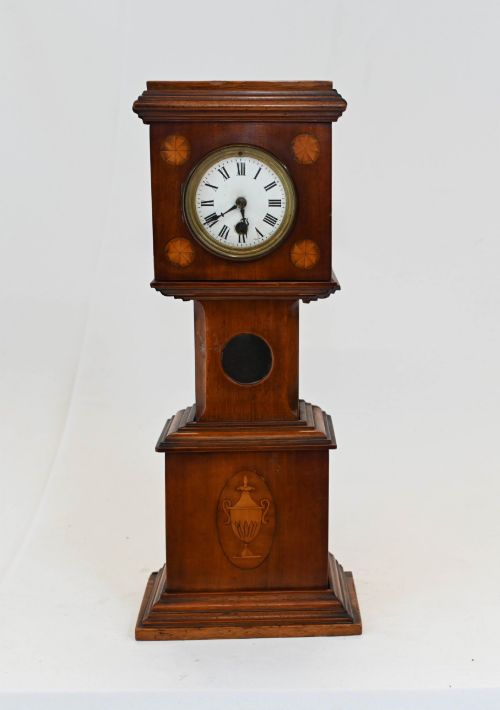
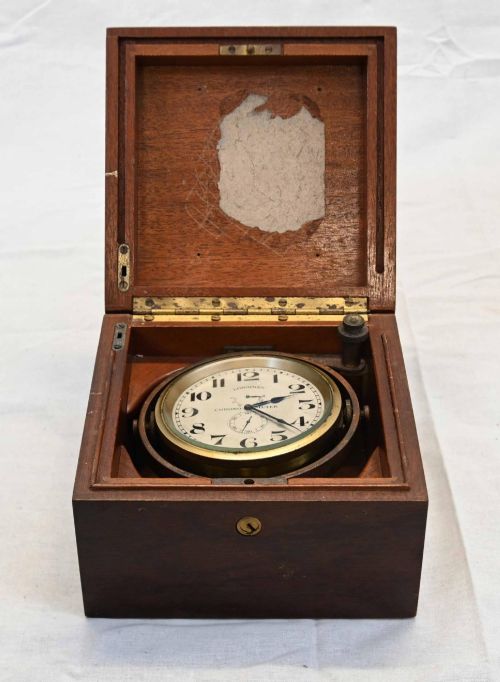
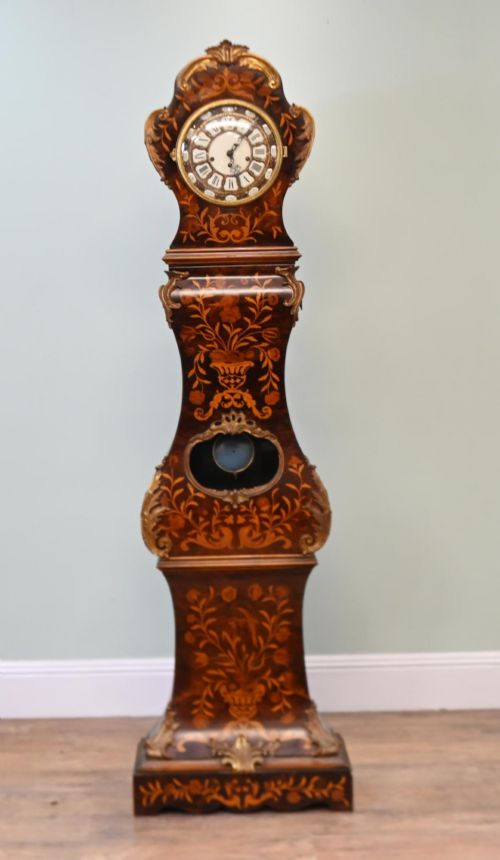
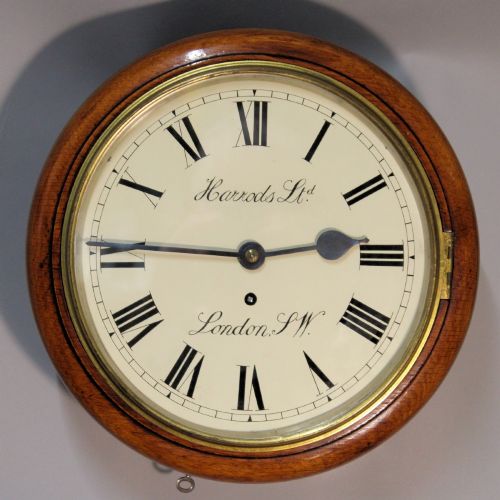
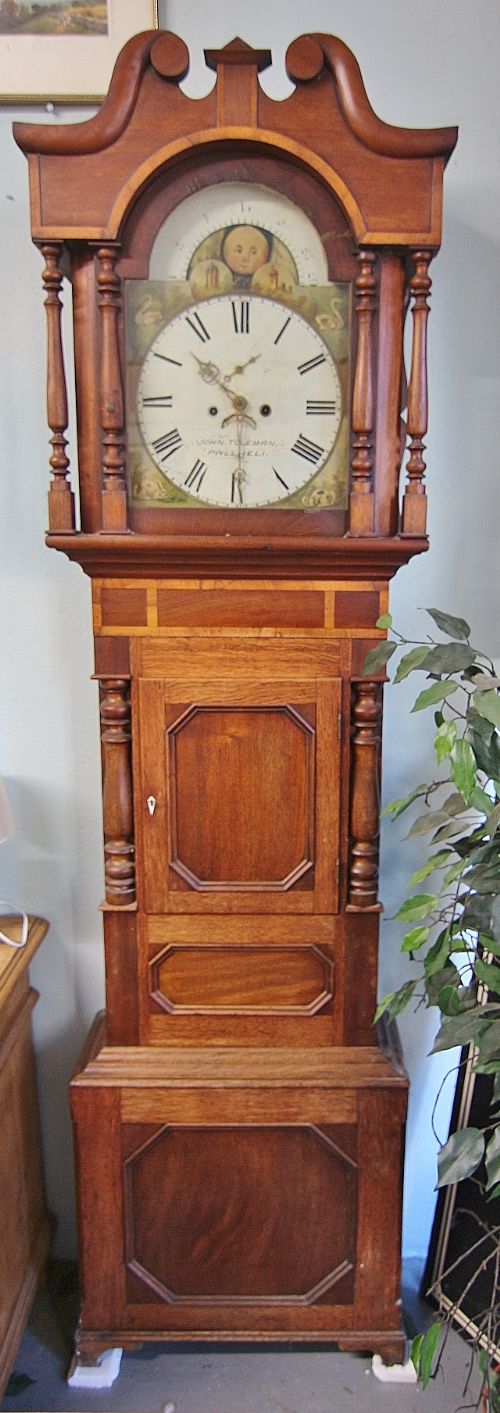
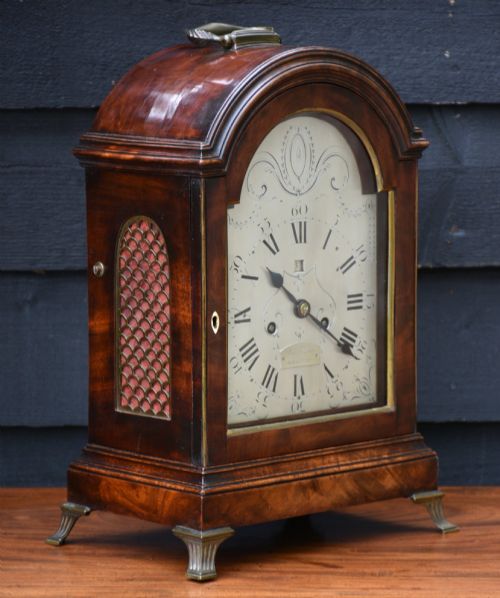
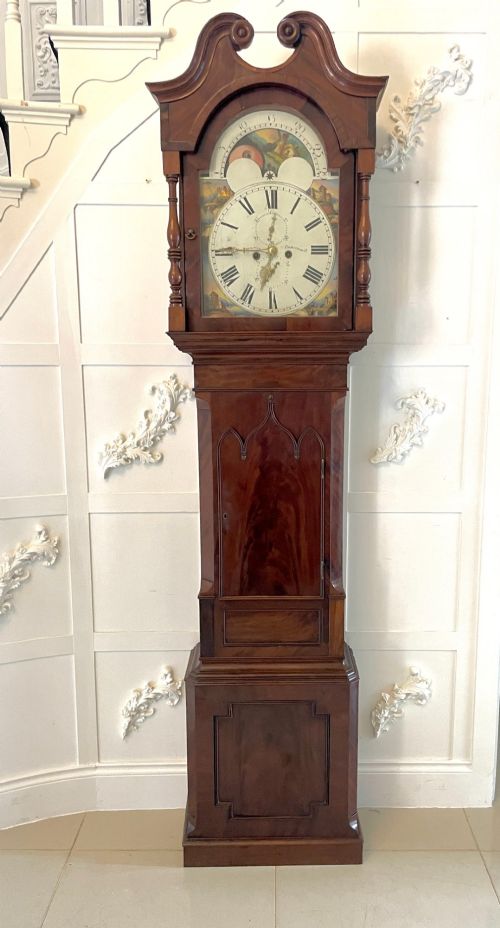
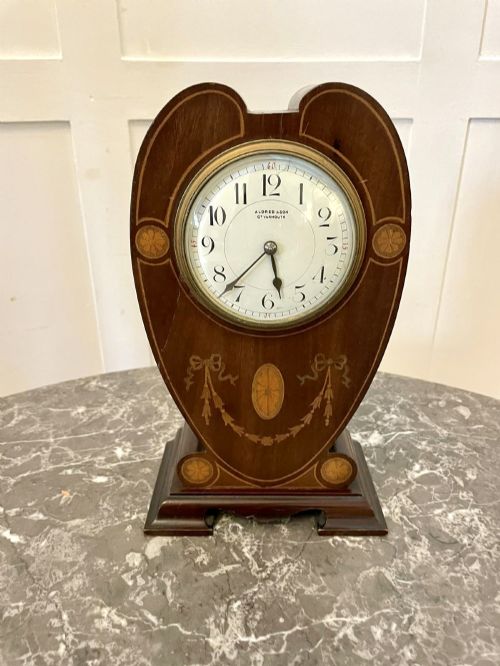
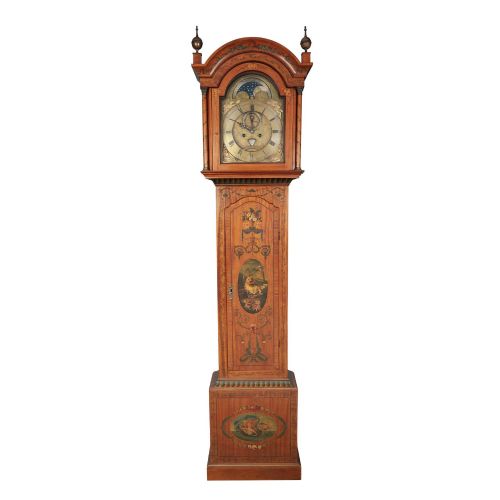
When you search for an antique brown clock, you encounter timepieces spanning the Georgian, Victorian, Edwardian and Art Deco periods. These objects include towering longcase grandfather clocks, mantel timepieces, bracket clocks and wall-mounted dial clocks.
The version you are most likely to meet on this page is housed in mahogany or oak, reflecting the dominant timber choices of British cabinet makers across the eighteenth and nineteenth centuries.
Longcase clocks and smaller mantel pieces form the core of these listings, often featuring brass dials, glass covers and intricate timber veneers.
Materials and Construction
Makers constructed these clocks using dense timbers such as mahogany, oak, walnut and rosewood, frequently applying satinwood inlay or brass mounts to enhance the dark brown grain. Cases were built by skilled joiners who housed complex mechanical movements driven by weights, springs or fusee chains.
Antique Brown Clock Retail Price Guide 2026
Typical asking prices for brown clock among the pieces listed under this phrase on Sellingantiques today, from the lower quarter to the upper quarter. They describe what is for sale here now, not the wider market.
A Victorian watch and clock repairer's chest waits quietly on this page, having once stored the tiny gears and delicate tools of a forgotten workbench.
Judging Quality
The distinction between ordinary and exceptional pieces lies in the crispness of the timber carving, the depth of the mahogany or walnut grain and the refinement of the dial work. Superior examples display balanced proportions, original maker signatures on the dial or movement, and meticulous attention to inlay and brass detailing.
Lesser pieces often show replaced elements, clumsy repairs to the timber case or generic movements lacking the individual craftsmanship found in signed workshop pieces.
Thomas Howard·Edward White·Hendrie Ogg·Lee of Great Marlow·Green of Edinburgh·D. Straiton·James McCabe·William Gard·Henri Jacot·Paul Sormani·H.A.C.
The Antique Brown Clock Glossary
- Fusee
- A conical pulley used in mechanical clocks to maintain an even pull as the mainspring unwinds. This mechanism helps the clock keep accurate time throughout its running cycle.
- Bracket clock
- A portable table or shelf clock originally designed to sit on a wall bracket. These pieces often feature brass carrying handles and quarter-striking movements.
- Grandfather clock
- A tall, freestanding weight-driven clock enclosed in a wooden case. Also known as a longcase clock, it typically measures over six feet in height.
- Dial
- The face of the clock where the hours and minutes are displayed. Dials can be made of brass, painted iron, silvered metal or enamel.
- Escapement
- The mechanical linkage that controls the release of power in a clock and gives the movement its steady ticking sound. Different styles include lever and anchor escapements.
Antique Brown Clock: Frequently Asked Questions
Where should I place a longcase clock?
Position your longcase clock against a sturdy interior wall away from direct sunlight, central heating vents and damp areas. Wood veneers and internal gears react poorly to extreme temperature fluctuations.
Adjust the leveling feet so the case stands plumb, which ensures the pendulum swings evenly and the clock keeps correct time.
How do I tell a Georgian clock from a Victorian one?
Georgian clocks generally display restrained classical proportions, architectural oak or mahogany cases, and often feature arched brass or painted iron dials. Their movements were handmade by individual master horologists.
Victorian pieces frequently incorporate heavier ornamentation, walnut or rosewood veneers, and sometimes utilised mass-produced components alongside traditional craftsmanship as industrial methods expanded.
Why does my mantel clock stop running?
Clocks often stop because they are placed on an uneven surface, causing the pendulum or escapement to fall out of beat. Check that the case sits completely flat and level.
If the surface is stable, the movement may simply require professional cleaning and re-oiling to remove old, hardened lubricants from the brass gears.