

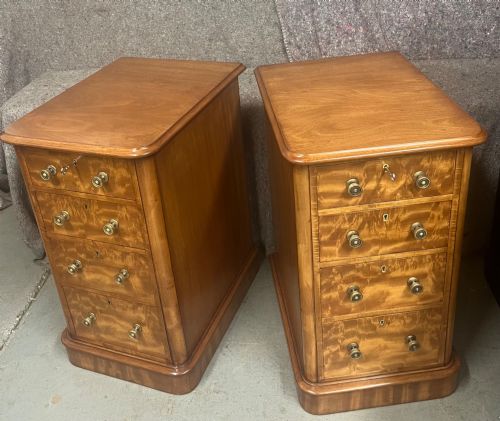
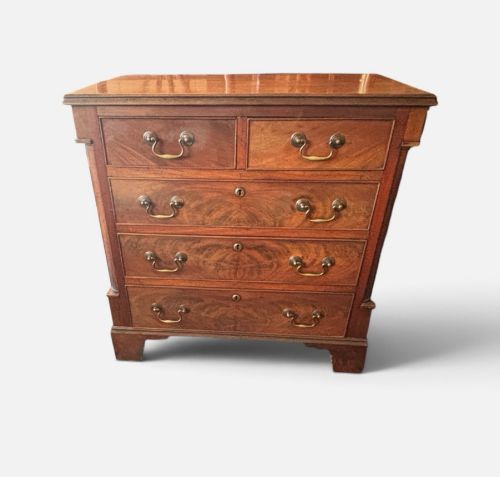

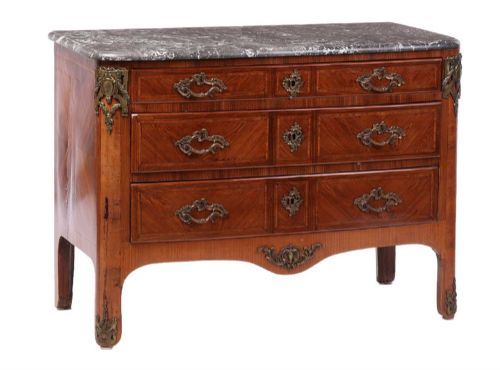
Antique Brown Chest
An antique brown chest brings deep timber warmth and honest storage to a room, ranging from simple oak coffers to grand walnut pieces.
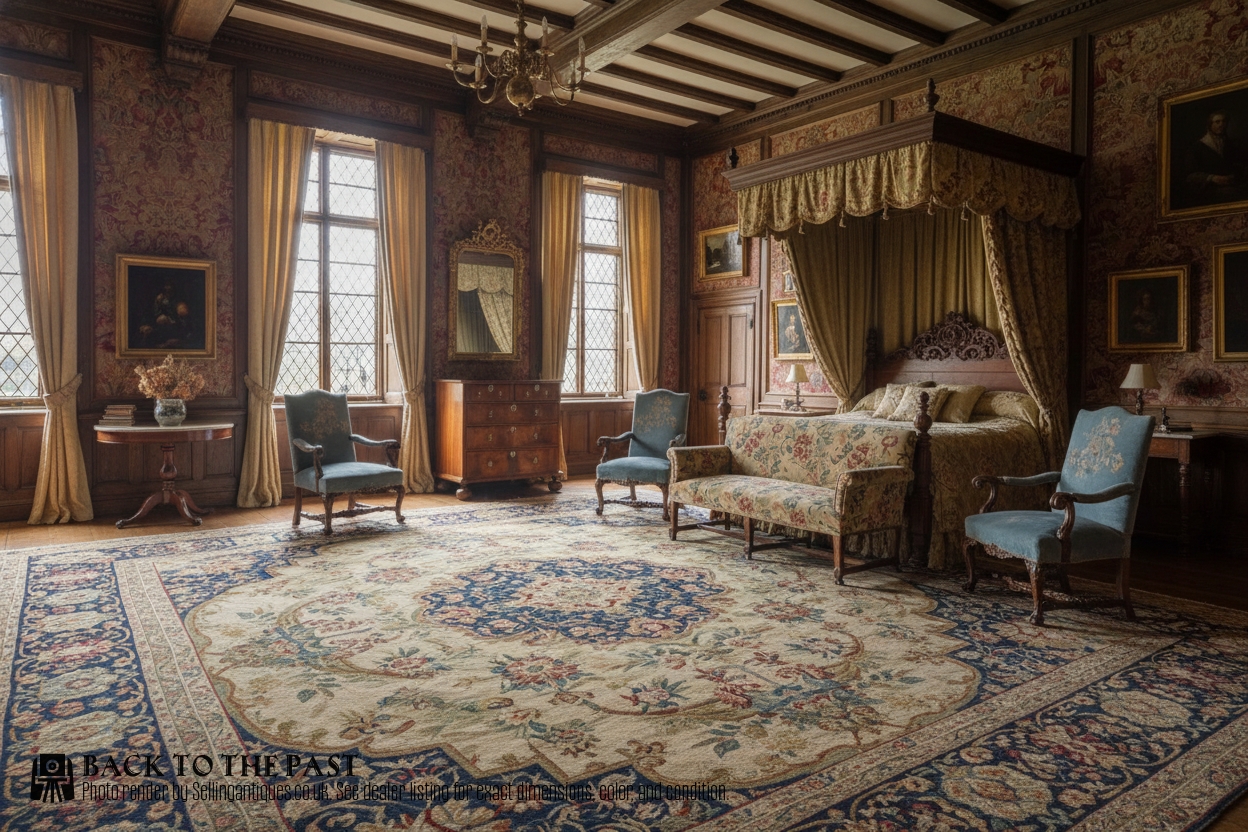
Antique Brown Chest
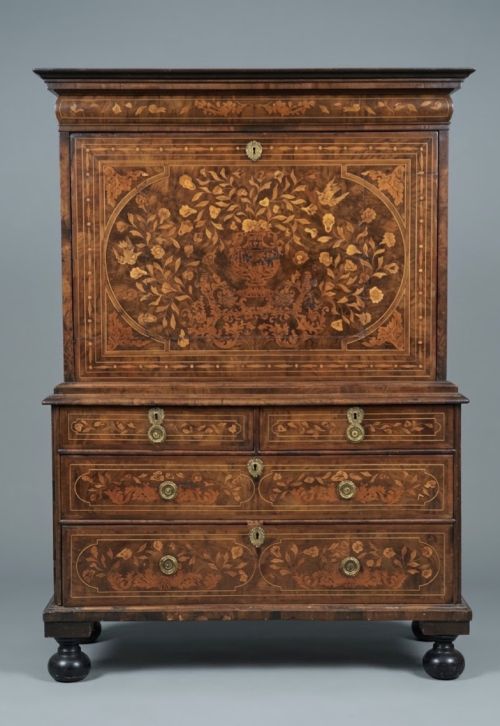
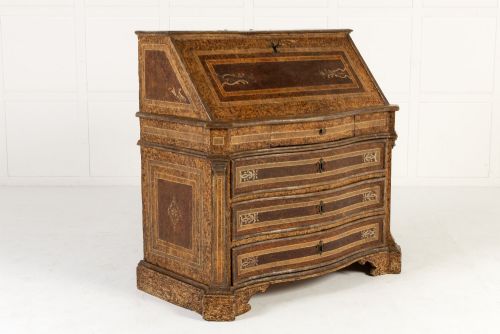
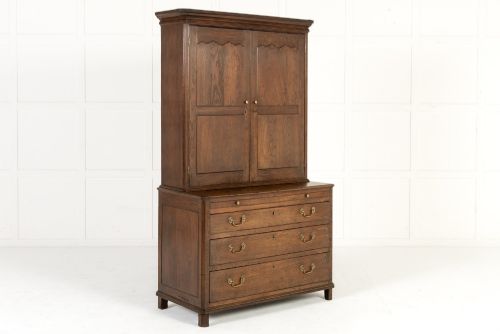
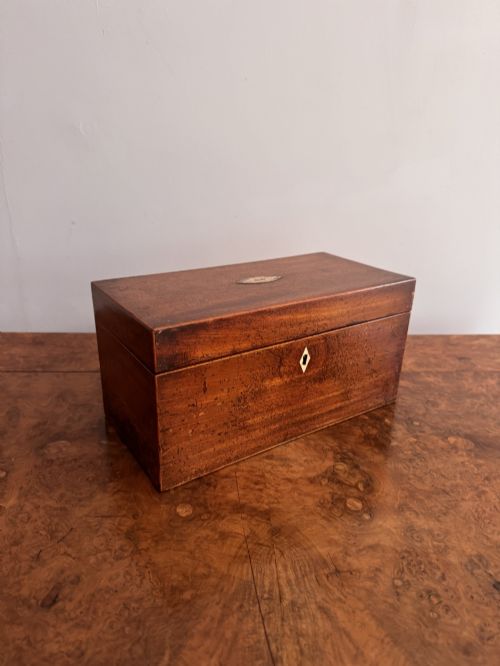
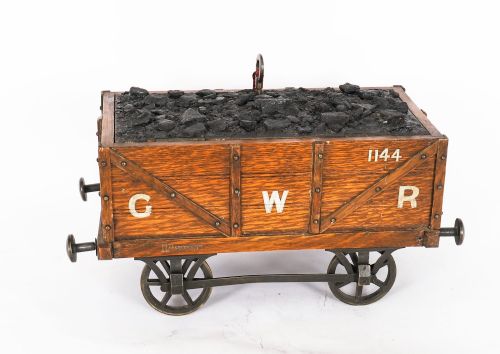
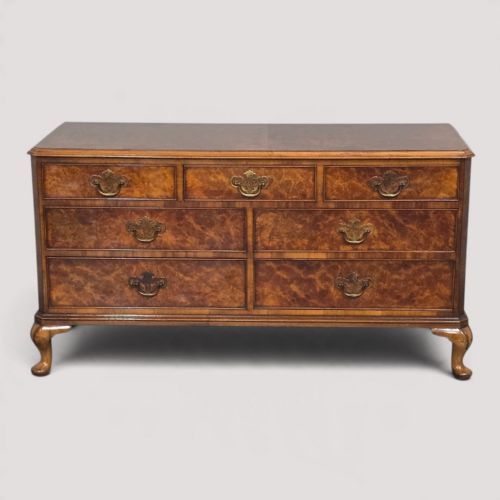
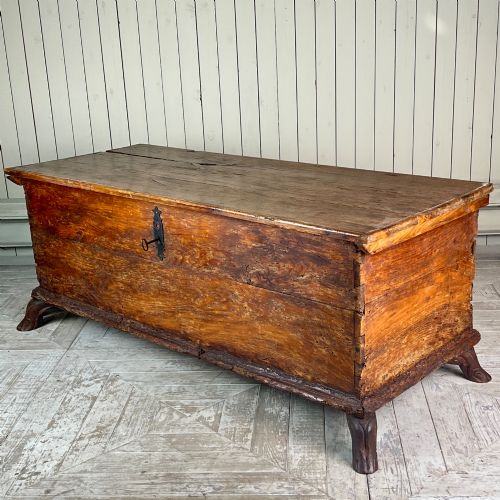
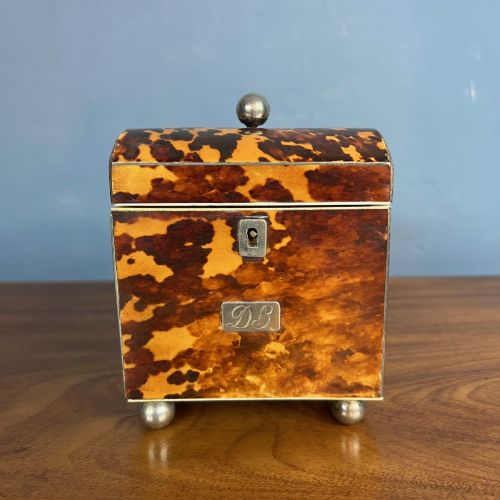
When you search for an antique brown chest, you encounter a wide variety of domestic storage furniture spanning several centuries. The selection includes tall chests on chests, compact campaign trunks, blanket boxes, and classic drawer forms.
The material palette is dominated by rich brown timbers such as mahogany, oak, and walnut. Pieces hail from the 18th century, Georgian, Regency, and Victorian periods, alongside later revival examples.
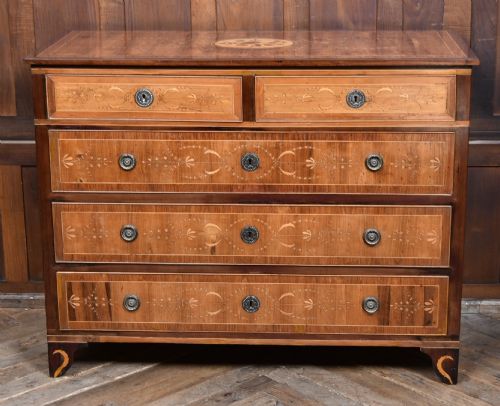
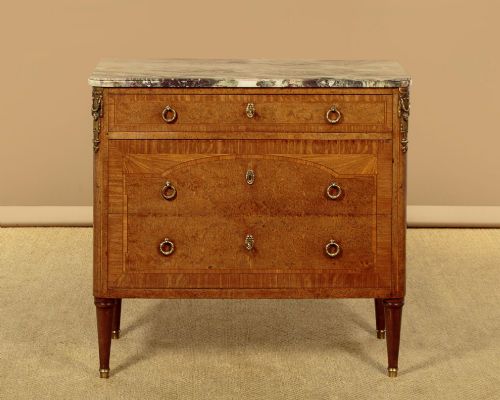
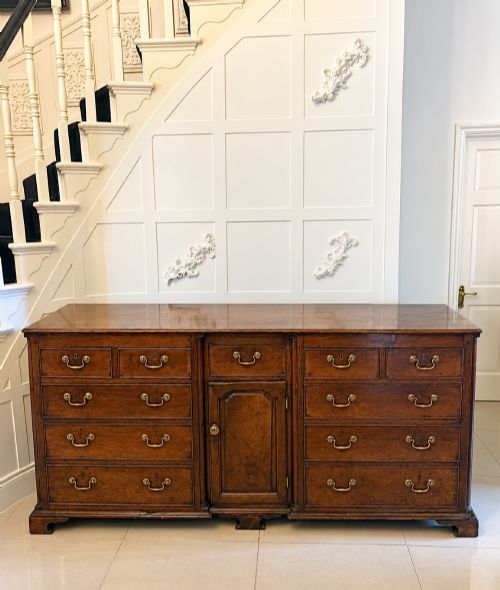
Among these, mahogany and oak chests of drawers from the Georgian and 18th-century eras appear most frequently. Buyers also find smaller document boxes, commodes, and occasional blanket chests reflecting these same historic periods.
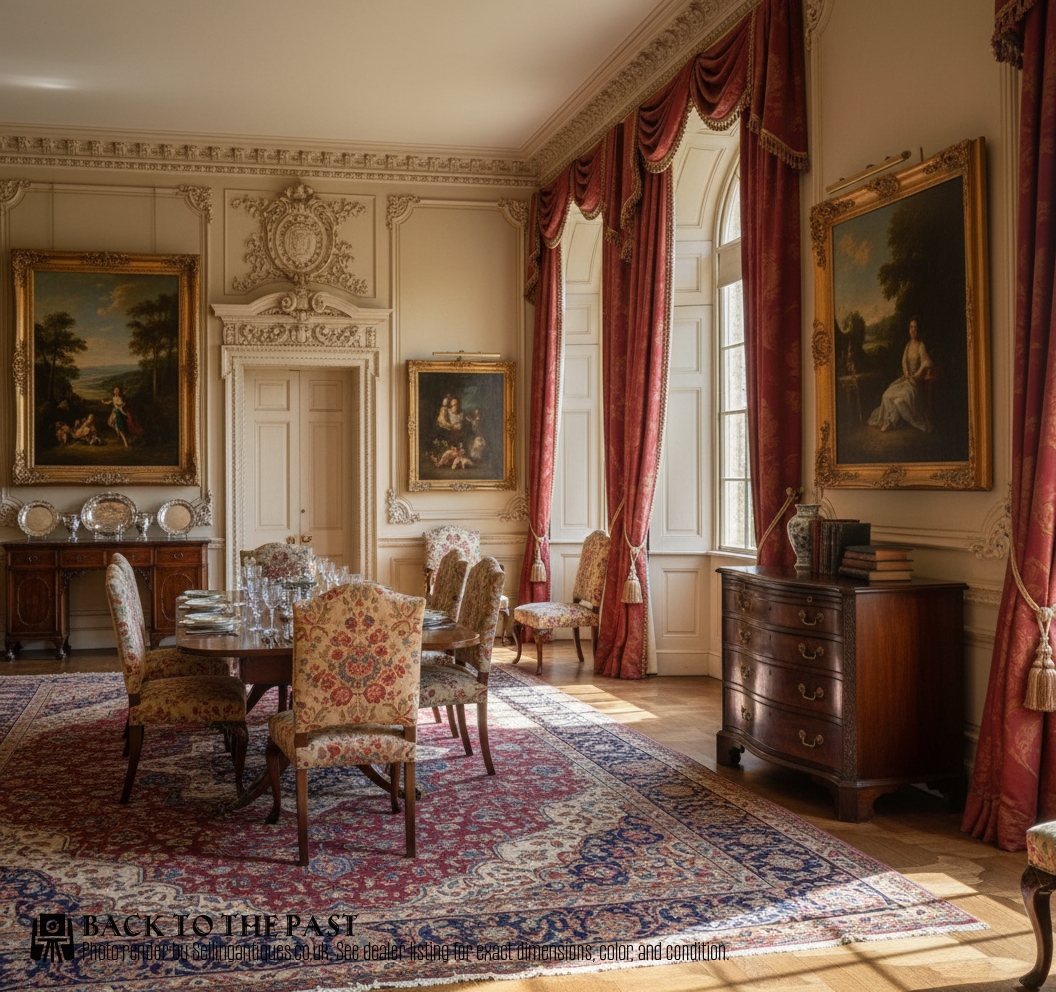
Materials and Construction
Cabinet makers utilised solid woods and choice veneers, notably figured walnut, mahogany, and sturdy oak. Surfaces often feature decorative crossbanding, floral marquetry, or subtle satinwood inlay.
Hardware played a functional and decorative role, with brass drop handles, keyplates, and original pierced brasses securing the construction. Heavier campaign and storage trunks incorporated iron or metal mounts for durability.
Antique Brown Chest Retail Price Guide 2026
Typical asking prices for brown chest among the pieces listed under this phrase on Sellingantiques today, from the lower quarter to the upper quarter. They describe what is for sale here now, not the wider market.
Listings feature 18th-century, Georgian, Regency, and Victorian periods, constructed from mahogany, oak, walnut, burr walnut, and iron.
Assessing the Standard
Quality rests in the choice of timber figure, the crispness of any carving, and the integrity of the original construction. Highly figured burr walnut or meticulously matched mahogany veneers distinguish finer examples from plain utility pieces.
The survival of original brass hardware, feet, and internal drawer configurations elevates a piece significantly. Superior proportion and refined details like serpentine fronts or fine inlay indicate master cabinet work.
The Antique Brown Chest Glossary
- Chest on Chest
- A tall storage unit formed of one chest stacked directly upon a larger base chest, creating substantial vertical capacity. These often date from the 18th century and utilise figured walnut or mahogany.
- Campaign Trunk
- A portable chest or box constructed in sections with recessed brass handles for military transport overseas. These are typically fashioned from camphorwood or robust hardwoods.
- Marquetry
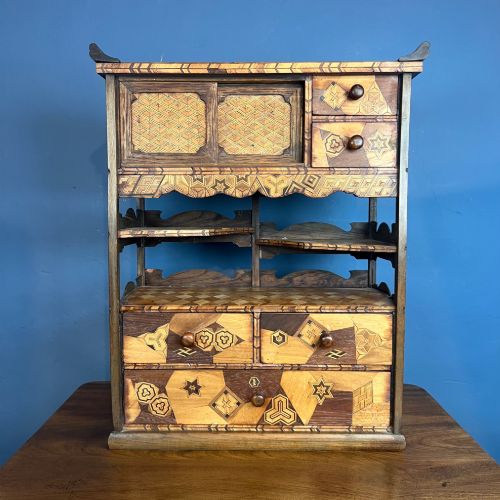
- The art of forming decorative patterns on woodwork by fitting together small pieces of different coloured veneers. Examples often include floral or scroll motifs.
- Coffer
- A large heavy box used historically for storing valuables, linen, or documents, usually fashioned from solid oak. Many feature carved panels and hinged lids.
- Wellington Chest
- A tall, narrow chest of drawers secured by a single hinged locking side flap that fastens over the drawer edges. This form gained popularity during the 19th century.
Antique Brown Chest: Frequently Asked Questions
How do I date an oak chest?
Dating an oak chest relies on observing construction methods, timber grain, and hardware styles. Early pieces from the 17th and 18th centuries often feature hand-carved panels and pegged joints.
Later Victorian and Edwardian interpretations utilise machine-sawn elements and different internal linings, reflecting the manufacturing shifts of their respective eras.
What is a campaign trunk used for?
Campaign trunks served as portable furniture for British officers on military campaigns abroad. Their robust construction and recessed metal handles allowed safe transport on horseback or ships.
Today, these versatile chests function well as coffee tables or statement storage pieces in contemporary living spaces.
Are walnut chests fragile?
Walnut chests are durable when maintained properly, though fine veneers require sensible placement away from direct heat sources and strong sunlight. The timber develops a rich patina over centuries of use.
Gentle cleaning with appropriate wax preserves the polished finish without harming the historic wood surface.