

Carved Walnut Storage Chest
A carved walnut storage chest delivers robust utility and rich grain, grounding a room with centuries of timber craftsmanship.

Carved Walnut Storage Chest
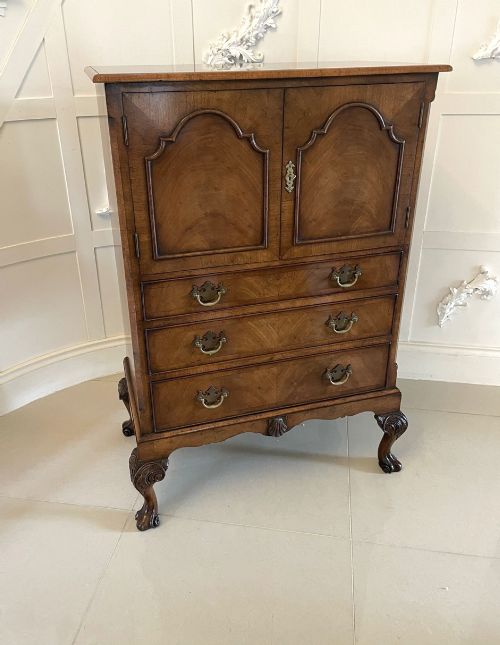
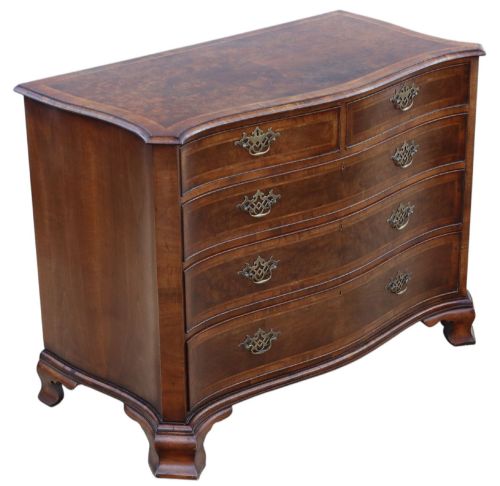
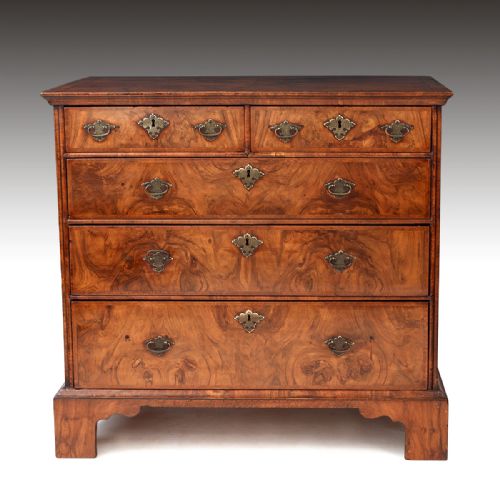
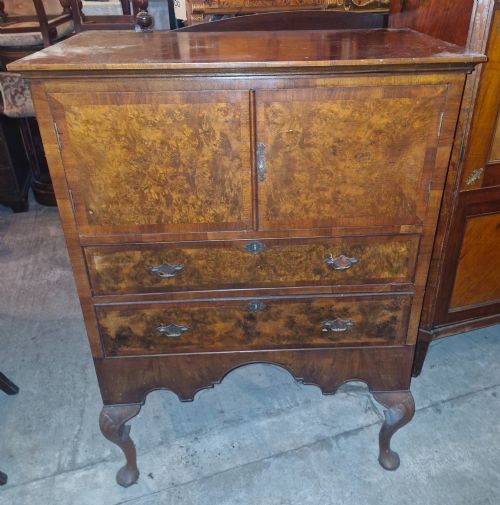
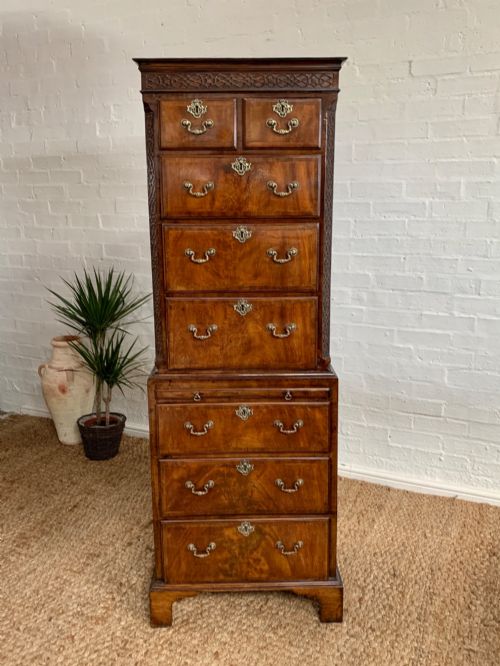
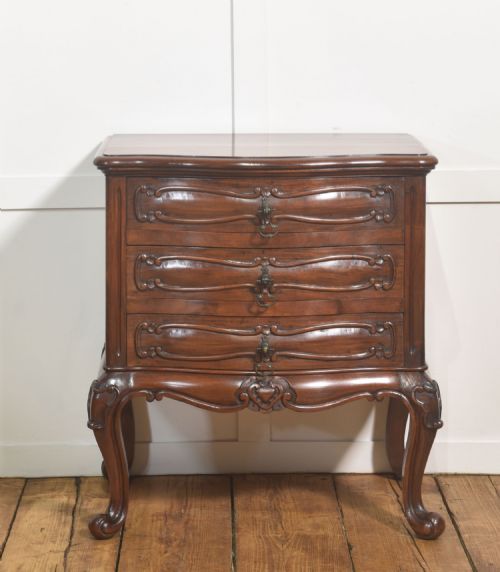
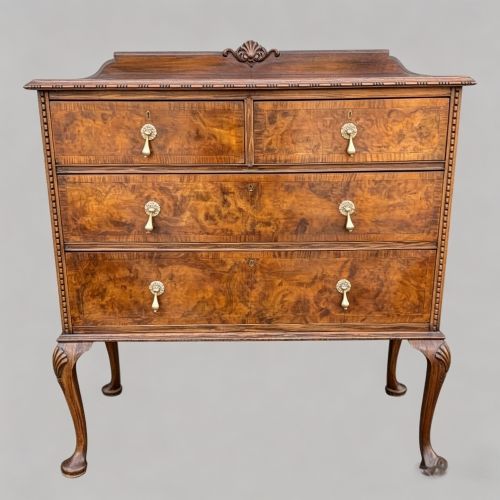
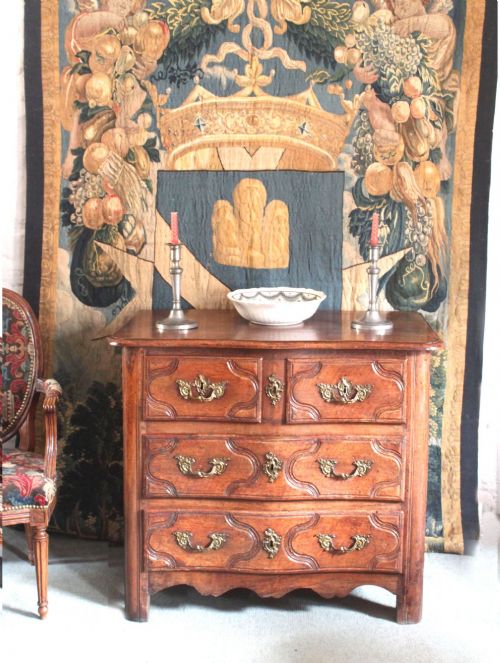
Buyers seeking a carved walnut storage chest encounter a diverse selection of period forms spanning from the seventeenth century through the early twentieth century. The inventory includes robust coffers, serpentine commodes, tallboys, and chests of drawers executed in plain timber or figured burr walnut.
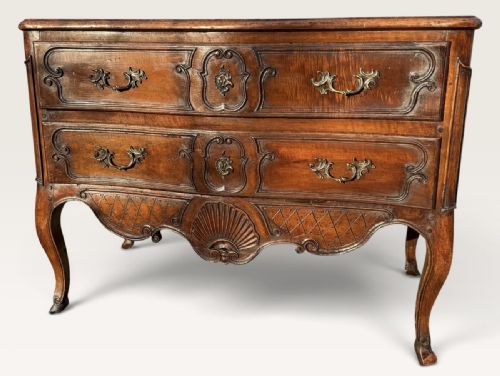
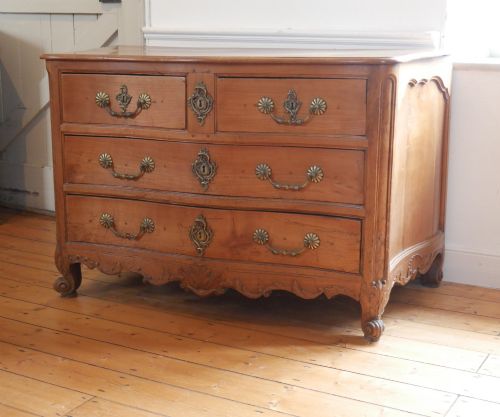
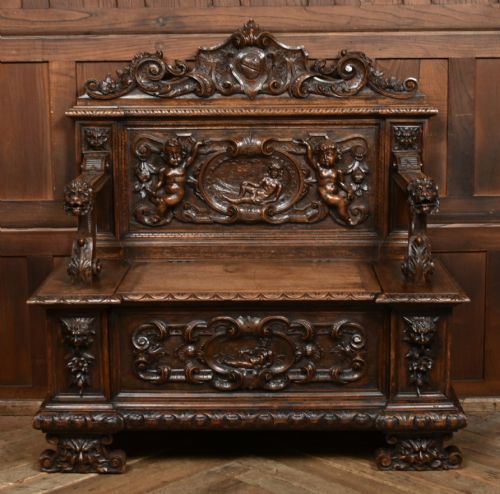
Pieces originate from various domestic and continental workshops, showing regional preferences in hardware and proportions. French provincial commodes, Italian cassapanca benches, and British drawer chests dominate the available selection.
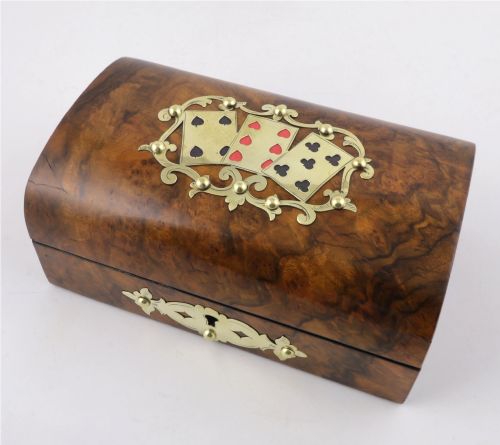
The forms range from compact tea caddies and games boxes to massive storage units supported on stands. This variety allows collectors to find items suited for intimate tabletop placement or substantial architectural floor storage.
Materials and construction
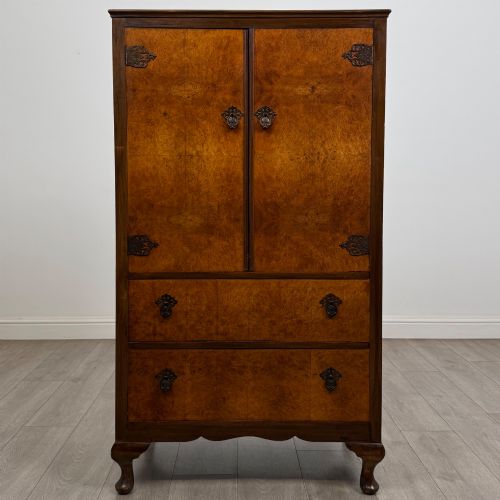
Cabinetmakers utilised solid walnut and decorative burr veneers over secondary timbers such as oak, mahogany, and fruitwood. Surfaces often received elaborate crossbanding, marquetry inlay, or figural medallions carved directly into the dense wood.
Hardware played an essential structural and decorative role, with heavy brass handles, escutcheons, and iron braces fitted to secure lids and drawers. Certain continental commodes incorporate polished marble tops above the wooden carcass for added utility.
Poker dice games caskets hide within the walnut inventory, proving that ancestors kept their gambling gear securely locked away.
Quality factors in walnut storage
The degree of figuring in the walnut timber largely dictates the visual merit of a piece, with richly patterned burr veneers and crisp, deep relief carving separating exceptional examples from plain utility furniture. Cabinetmaking finesse is visible in the tightness of dovetail joints, the symmetry of crossbanding, and the preservation of original brass hardware.
Structural integrity and surface patination determine the desirability of older chests, particularly those retaining seventeenth or eighteenth-century finishes. Alterations to drawer linings, replaced marble tops, or excessive stripping diminish the authenticity of the piece.
The Carved Walnut Storage Chest Glossary
- Burr walnut
- A prized veneer sliced from walnut tree growths, producing swirling, highly decorative grain patterns. It appears frequently on high-status drawer fronts and cabinet doors.
- Commode
- A low storage chest containing drawers, often featuring decorative serpentine fronts or marble tops. The form gained widespread popularity in eighteenth-century French and English interiors.
- Cassapanca
- An Italian wooden bench featuring a storage compartment beneath the seat, often ornamented with elaborate carved panels. These heavy pieces combine seating with enclosed chest storage.
- Crossbanding
- A decorative border technique where thin strips of veneer are laid perpendicular to the surrounding grain. This frames the primary drawer or panel surface with contrasting wood direction.
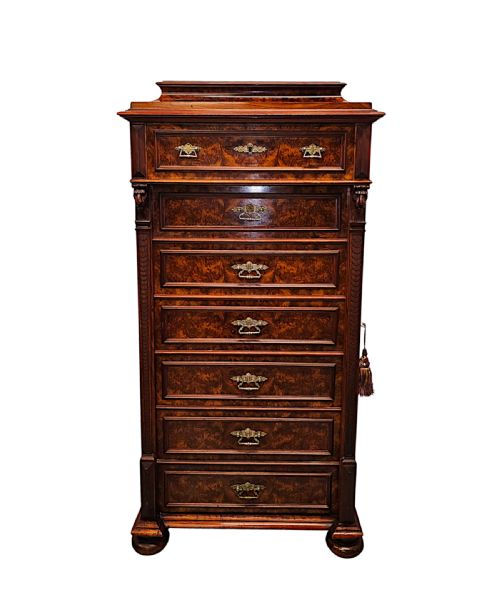
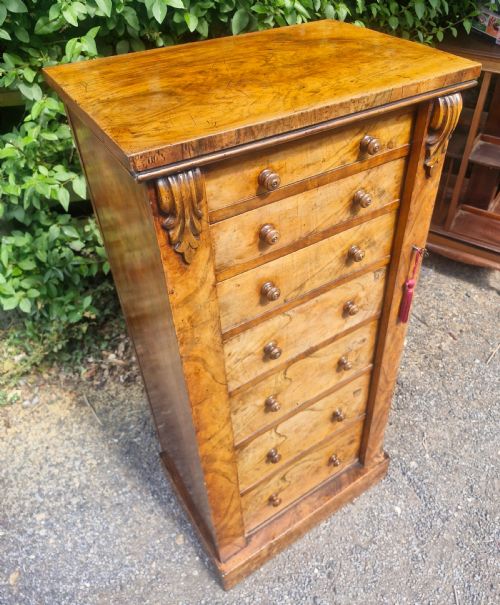
- Wellington chest
- A tall, narrow chest of drawers secured by a hinged vertical locking bar on one side. The design originated in the nineteenth century for secure document storage.
Carved Walnut Storage Chest: Frequently Asked Questions
How do I date a walnut chest?
Dating relies on examining construction methods, drawer linings, and hardware styles. Hand-cut dovetails and secondary woods like oak typically indicate earlier periods.
Changes in handle design and foot style from bracket feet to plinths also provide reliable chronological markers.
Where should I place a heavy chest?
These dense timber pieces require stable, level flooring away from direct heat sources. Walnut is sensitive to extreme humidity fluctuations, which can cause veneers to lift.
Positioning them out of direct sunlight preserves the natural colour and prevents the wood from drying out.
How do I care for walnut wood?
Routine maintenance involves dusting with a soft, dry cloth and applying occasional quality beeswax to nourish the grain. Avoid silicone-based polishes that build up and attract dirt over time.
Maintaining consistent indoor humidity levels keeps the solid timber and delicate veneers stable.