
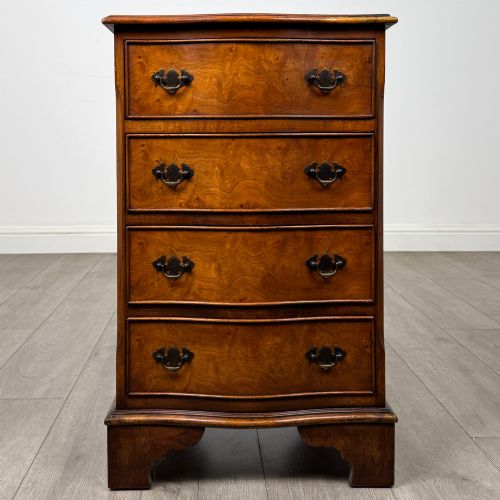
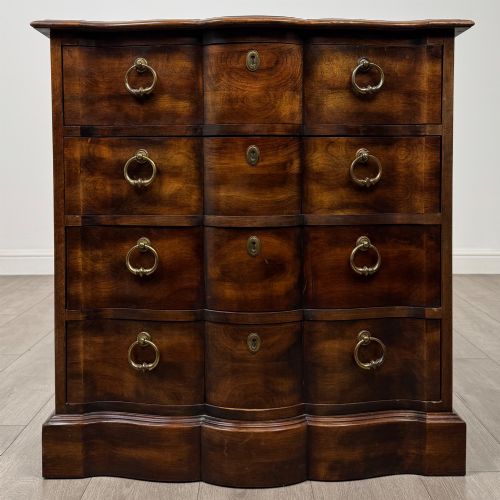
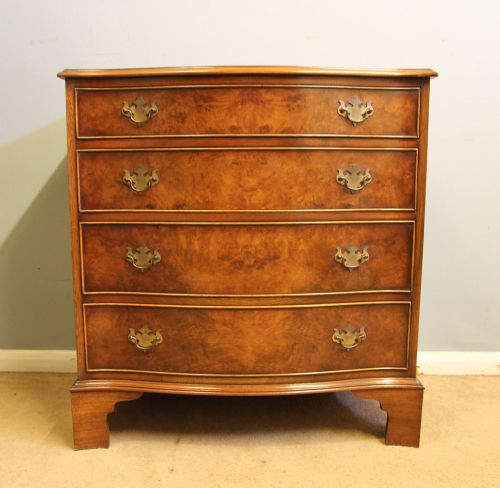
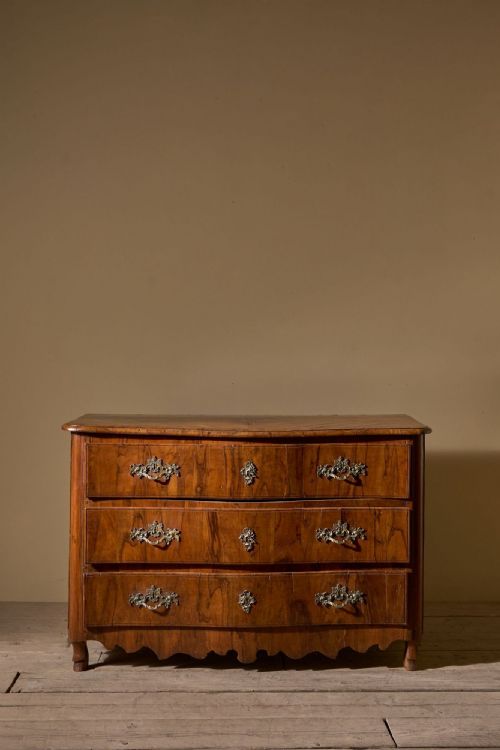

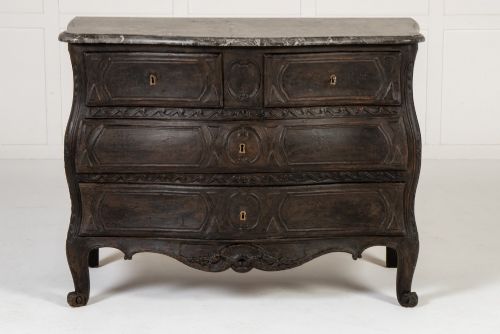


Serpentine Wooden Dresser
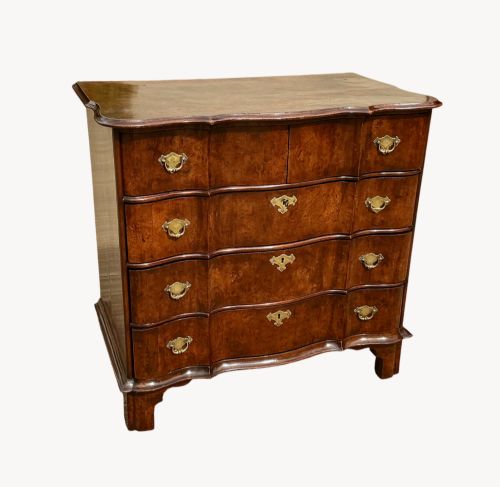
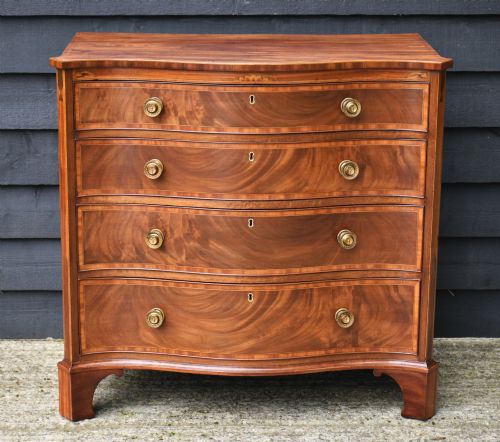
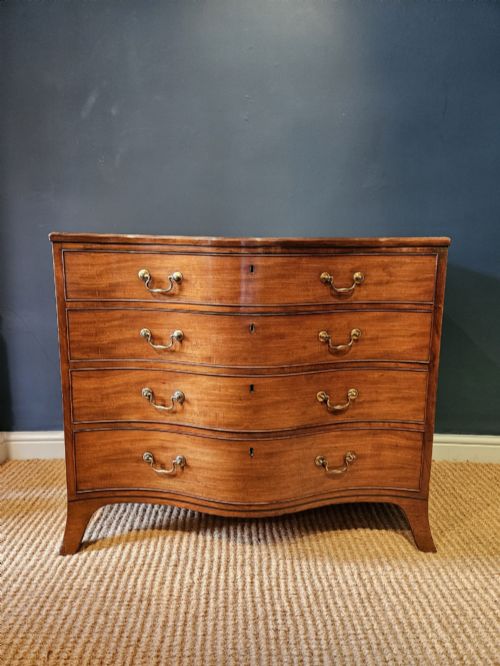
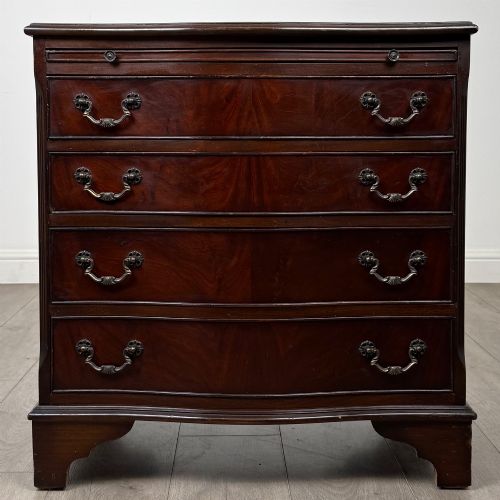
A serpentine wooden dresser offers undulating drawer fronts that shape timber with architectural confidence.
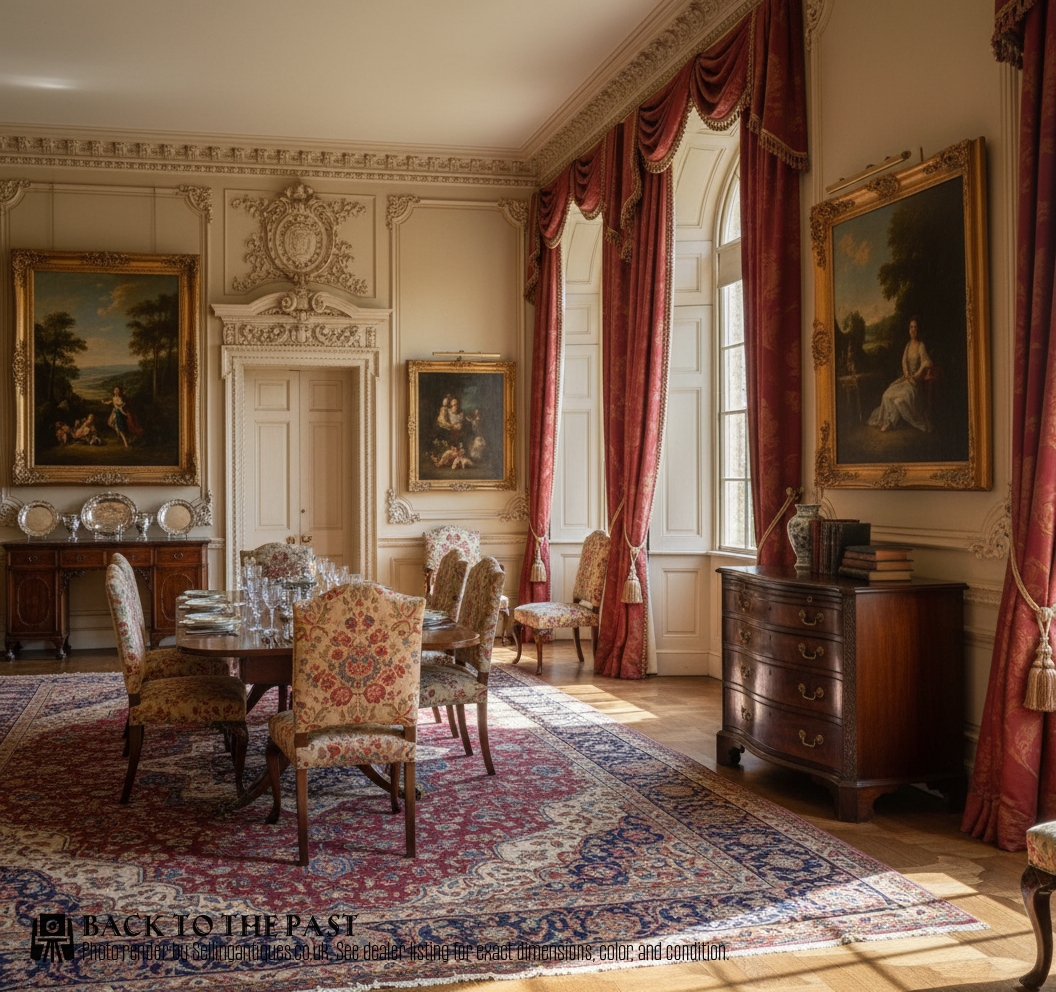
Serpentine Wooden Dresser
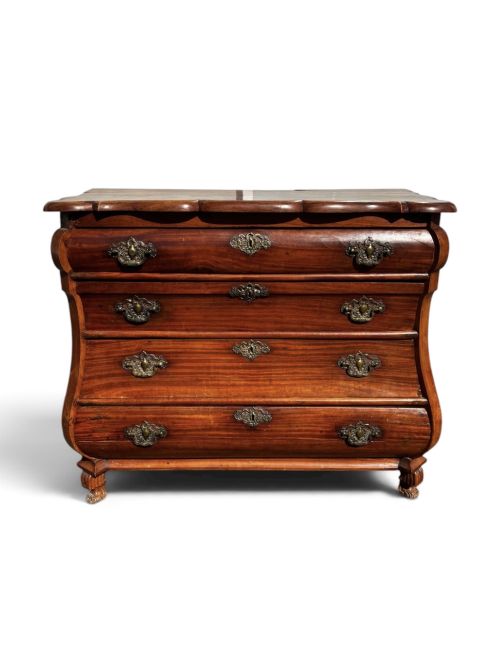
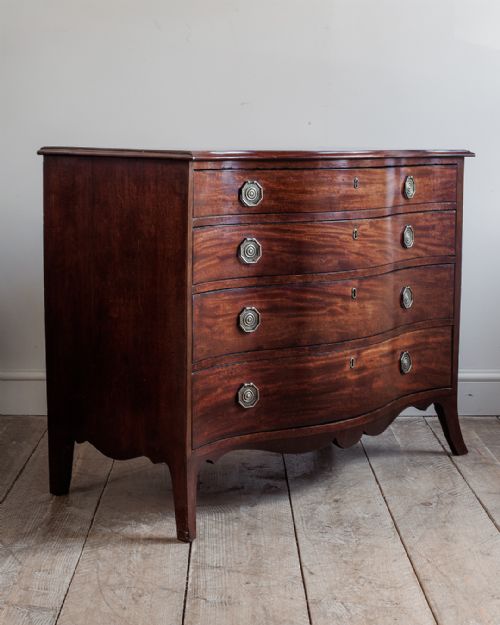
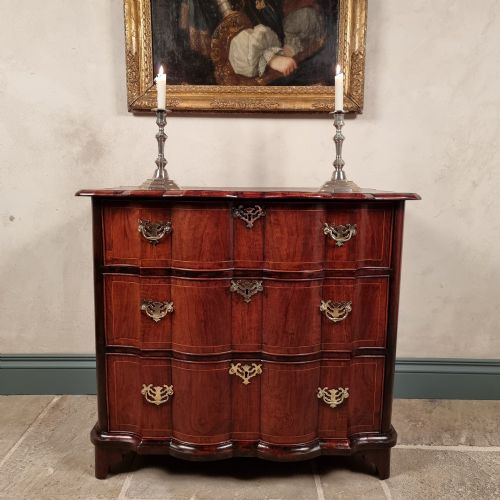
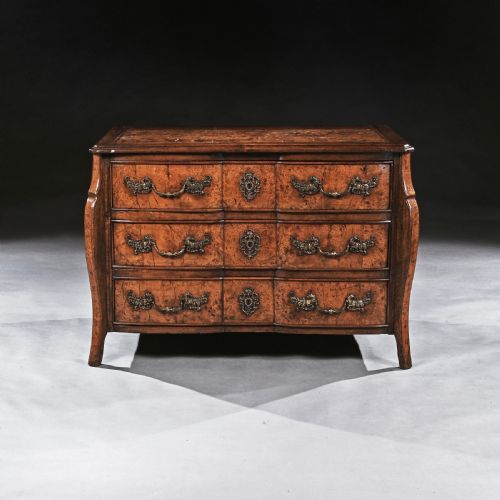
A serpentine wooden dresser typically presents as a chest of drawers or sideboard shaped with a convex centre flanked by concave wings, creating a flowing silhouette. The listings on this page span the eighteenth century through to the Edwardian era and the nineteen-twenties, incorporating Georgian, French Provincial, and Dutch Baroque styles. Buyers encounter both substantial eighteenth-century mahogany and walnut originals alongside later revival pieces.
Forms vary between compact drawer units and larger sideboards, frequently resting on bracket feet or short legs. The serpentine curve defines the aesthetic, demanding precise carpentry to ensure drawers operate smoothly within a curved carcase. Walnut and mahogany dominate the selection, though olive wood, satinwood, burr elm, and oak also appear across various European origins.
How they were made
Cabinetmakers constructed these pieces using dense hardwoods such as mahogany, walnut, and oak, often applying figured veneers like burr walnut, burr elm, or fiddleback mahogany to the primary surfaces. Timber selection was deliberate, matching rich grain patterns to the curving drawer fronts to create visual depth and movement.
Construction techniques relied on solid carcases joined with traditional dovetailing for the drawer boxes and internal framing. Brass hardware, including handles and escutcheons, was fitted to secure the drawer fronts, while occasional marble tops provided heavy, durable surfaces on continental commodes.
Periods represented range from the eighteenth century through Georgian, Edwardian, and nineteen-twenties revivals.
What varies in quality
Quality rests primarily on the crispness of the serpentine curve and the harmony of the timber veneers selected for the front. Pieces featuring meticulously matched burr walnut or figured mahogany display a higher level of workshop ambition than plain domestic equivalents.
The precision of the drawer construction and the integrity of the secondary timbers dictate long-term durability. Superior examples maintain exact alignment along the undulating edge without warping or excessive gapes between the drawer dividers.
The Serpentine Wooden Dresser Glossary
- Serpentine
- A curved furniture front featuring a convex central section flanked by two concave curves. This contour requires advanced woodworking skill to execute properly.
- Bombe
- A swelling, outward-curving chest or commode shape associated with continental furniture. It originates from baroque design traditions.
- Commode
- A low chest of drawers or cabinet, frequently of French or continental origin. The term often describes decorative eighteenth-century examples with marble tops.
- Parquetry
- Geometric patterns of inlaid wood veneer arranged across a surface. It adds decorative complexity to the main timber ground.
- Fiddleback
- A type of wood grain displaying rippled patterns resembling the back of a violin. It is typically found in figured mahogany.
Serpentine Wooden Dresser: Frequently Asked Questions
What is a serpentine wooden dresser?
A serpentine wooden dresser is a chest of drawers or sideboard characterised by an undulating front line. The design curves inward and outward to create sculptural movement across the timber.
These pieces function primarily as storage furniture while serving as prominent decorative focal points within a room. They appear in various woods, including mahogany, walnut, and oak.
How do I identify a Georgian serpentine chest?
Georgian examples are usually constructed from dense mahogany or walnut, featuring hand-cut dovetails and traditional bracket feet. The proportions follow eighteenth-century design canons, often with graduated drawers.
Maker influence or regional British styles help distinguish these earlier pieces from later nineteenth-century revivals. Examining the secondary timbers inside the drawers provides further clues to age.
Where were these dressers made?
The pieces originate from British workshops as well as continental centres including France, the Netherlands, and Malta. Regional traditions influenced the choice of local woods such as olive and elm.
Continental pieces frequently adopt bombe profiles or incorporate marble tops, differing slightly from standard British cabinetmaking conventions. Trade routes supplied exotic hardwoods like mahogany to domestic makers.
How do I live with antique serpentine furniture?
These items require stable indoor humidity to prevent timber movement and veneer lifting along the curved fronts. Polishing with traditional beeswax preserves the natural lustre of the wood.
Their substantial presence suits reception rooms, hallways, or bedrooms where the curved silhouette can be appreciated from multiple angles. Practical storage capacity matches their decorative impact.