






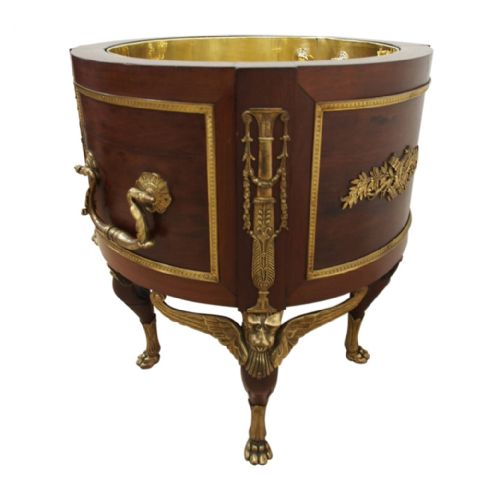


Antique Bronze Trough
An antique bronze trough brings heft and rich metal tones to your room, holding plants or standing alone as a sculptural focal point.
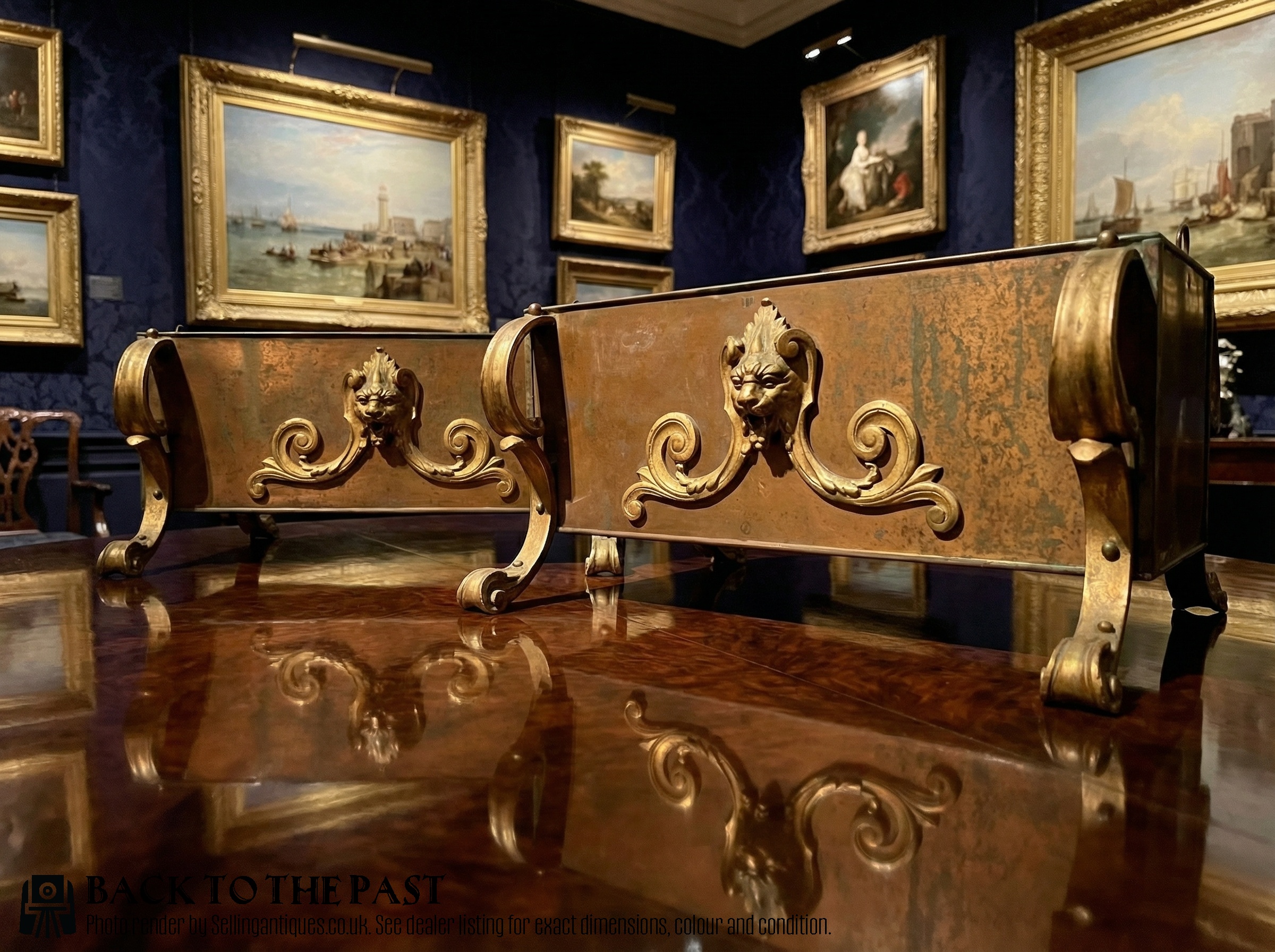
Antique Bronze Trough
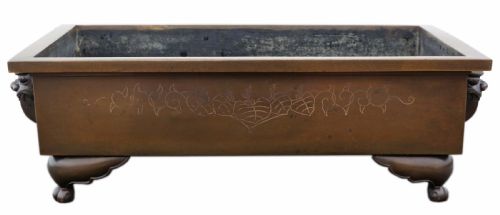
When you search for an antique bronze trough, you are looking at substantial metal vessels designed primarily to hold plants, flowers, or water for display. These pieces frequently appear alongside related planters, jardinieres, and sculptural bowls originating from the nineteenth and early twentieth centuries.
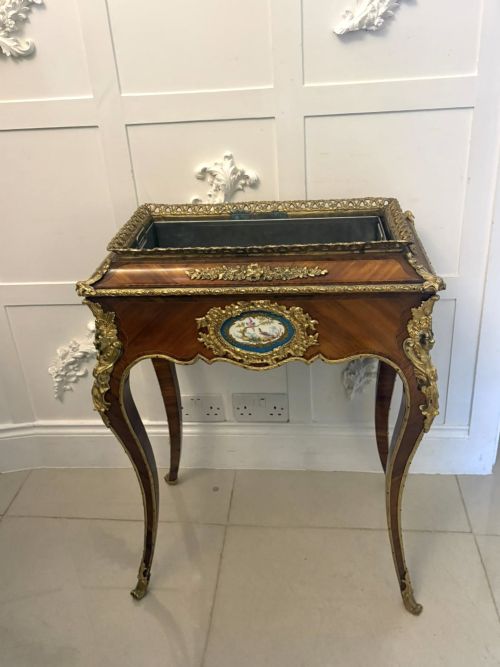
The versions you are most likely to meet on this page span French styles such as Louis XV, Louis XVI, and Napoleon III, alongside Japanese Meiji period examples. They combine utilitarian horticultural functions with decorative metalwork suited for nineteenth-century interiors.
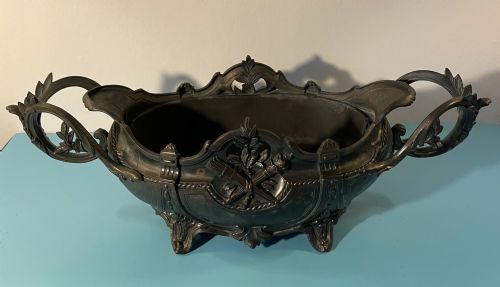
Makers and workshops employed bronze alongside materials like ormolu, brass, zinc, and exotic timbers to construct these oblong and bowl-shaped vessels. Many examples rely on cast mounts, twin handles, or figural supports to elevate their presence on a table or pedestal.
What varies in quality
The distinction between ordinary and exceptional work lies in the crispness of the chasing and the depth of the metal patination. Finer troughs display sharply defined cast elements where every leaf, scroll, or lion feature reads clearly without muddy edges from worn moulds.
Material integration also separates the tiers, as superior pieces feature heavy bronze castings fitted precisely to their mounts and liners. Poorer examples rely on lighter sheet metal, loose fittings, or repetitive stamped decoration that lacks the hand-finished weight of a true foundry piece.
Antique Bronze Trough Retail Price Guide 2026
Typical asking prices for bronze trough among the pieces listed under this phrase on Sellingantiques today, from the lower quarter to the upper quarter. They describe what is for sale here now, not the wider market.
Xavier Raphanel
The Antique Bronze Trough Glossary
- Jardiêre
- A decorative receptacle or stand designed to hold growing plants or cut flowers indoors. These vessels often feature waterproof metal liners to protect the surrounding table or floor.
- Ormolu
- Gilt bronze produced by applying a mercury and gold amalgam to a bronze object and heating it to vaporise the mercury. This technique creates a durable, golden surface finish common on nineteenth-century French metalwork.
- Meiji Period
- The era of Japanese history lasting from 1868 to 1912, noted for opening trade with the West and producing high-quality bronze bowls and planters.
- Suiban
- A shallow Japanese basin traditionally used for arranging flowers or displaying stones in water. These heavy bronze vessels often double as large planters in Western decorative contexts.
Antique Bronze Trough: Frequently Asked Questions
What is an antique bronze trough used for?
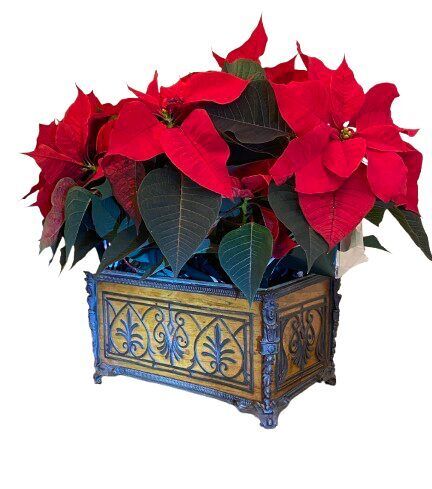
These vessels were originally manufactured to house potted plants, ferns, or floral arrangements inside nineteenth-century drawing rooms and conservatories. Their waterproof liners allowed owners to water plants directly without damaging fine wooden furniture.
Today, they function equally well as decorative centerpieces on large tables, mantelpieces, or plant stands. Some collectors use them empty to display their patinated metal surfaces as standalone sculptures.
How do I clean an antique bronze trough?
Dust the surface regularly with a soft, dry cloth to prevent grime from settling into the recessed details of the metal. Avoid abrasive polishes, modern chemical cleaners, or metal dips, which strip away the aged patina and destroy the historic finish.
If the bronze requires light cleaning to remove active dirt, use a damp cloth with mild soap, then dry thoroughly. Leaving the natural oxidation untouched preserves the historical integrity and visual depth of the piece.
Can I plant directly inside an antique bronze trough?
Planting directly into unprotected antique metal risks moisture retention and soil acidity causing corrosion over time. Most period troughs were designed with removable metal liners to handle soil and water safely.
Place potted plants inside plastic or ceramic pots that sit inside the liner rather than filling the trough with loose soil. This practice protects the historical metalwork from moisture damage and makes watering and plant maintenance straightforward.