
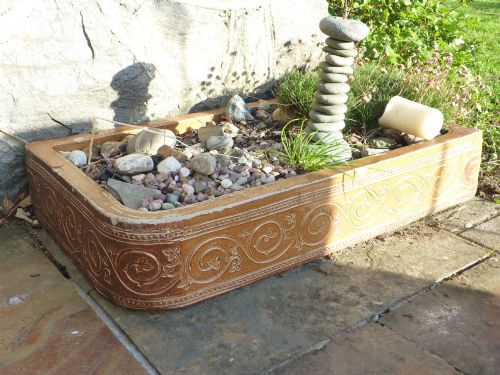
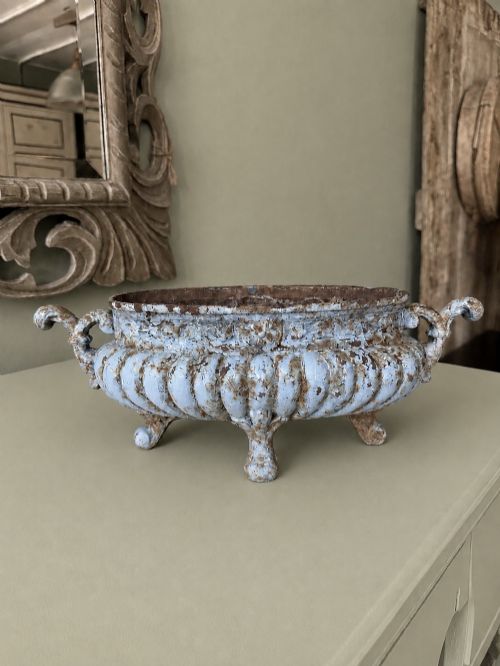
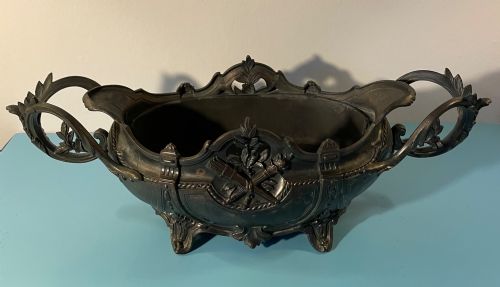
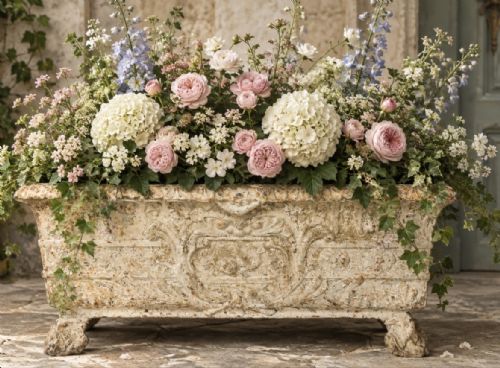



French Planter Trough
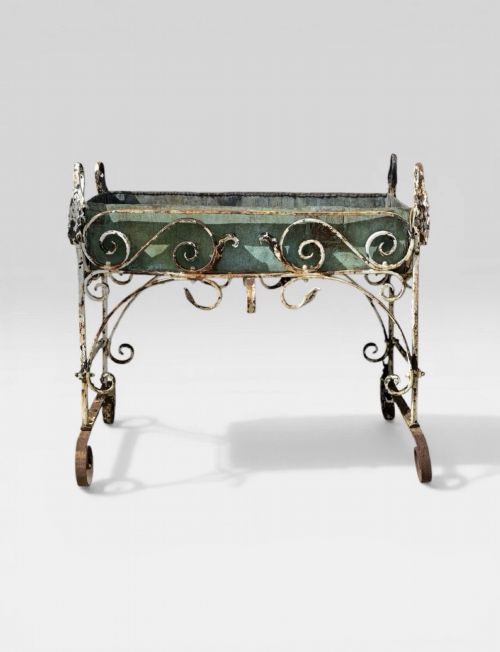
These french planter trough pieces bring continental elegance to interiors and gardens alike, offering handsome homes for greenery.
French Planter Trough
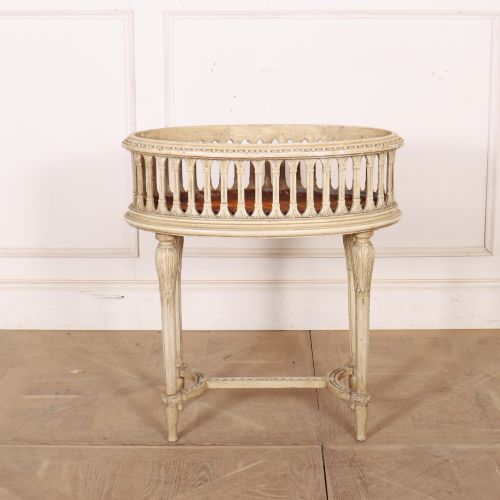
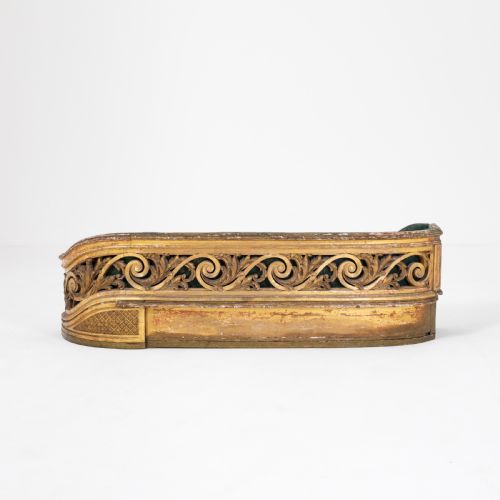
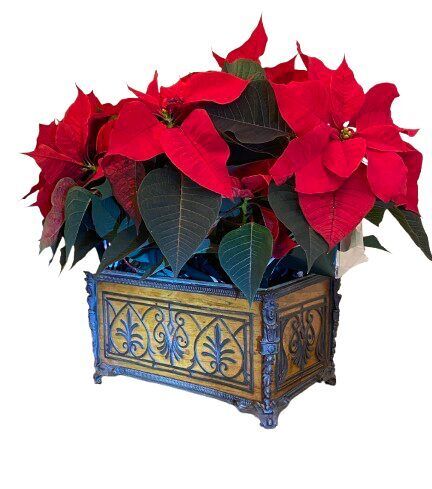
A french planter trough is a container designed for displaying indoor plants or garden foliage, frequently taking the form of a rectangular box, urn, or jardiniere. These vessels draw on nineteenth century designs, Louis styles, and country house aesthetics.
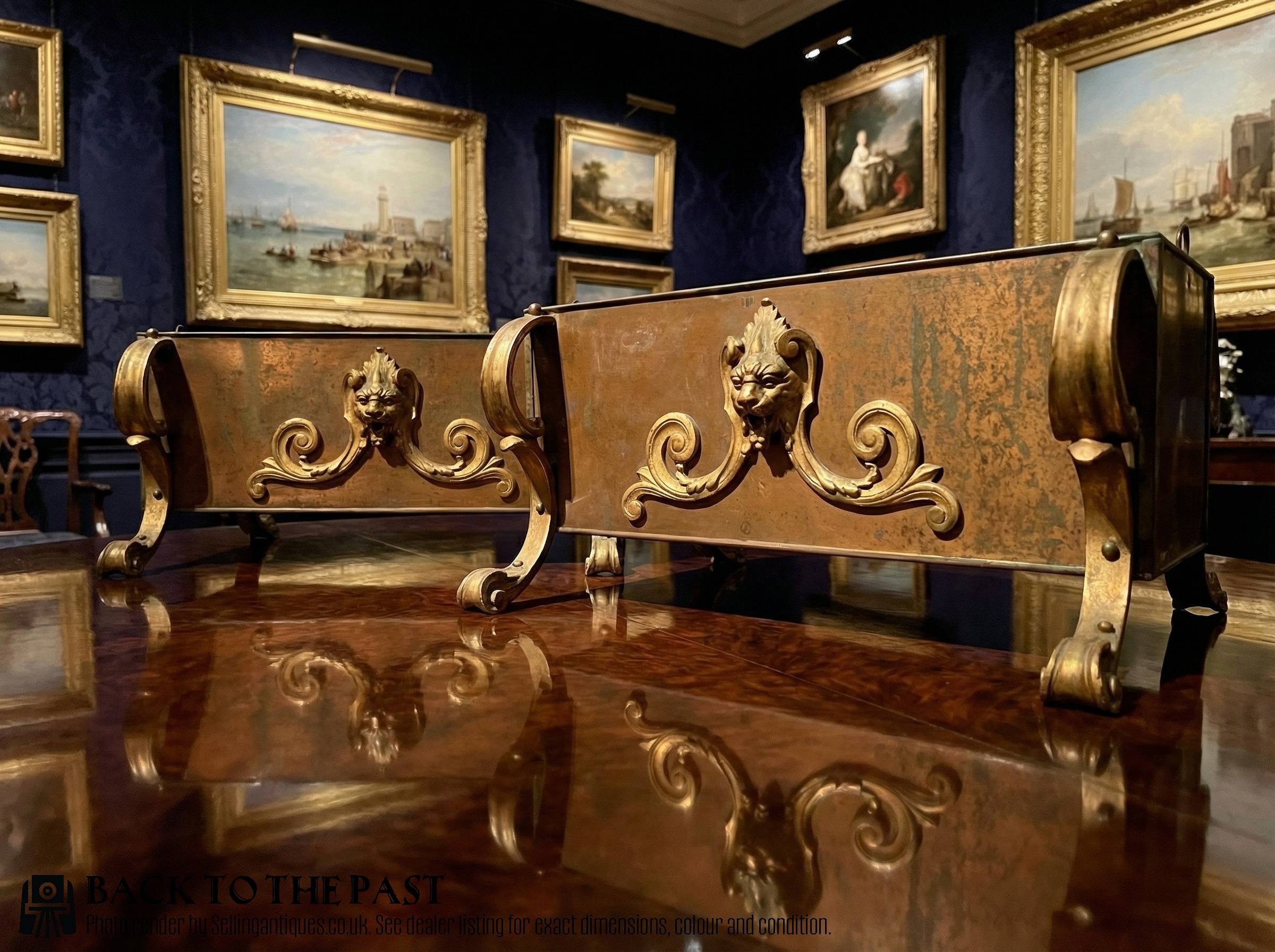
The pieces appearing here span centuries from the eighteenth to the twentieth, including Edwardian examples alongside earlier continental work. Buyers encounter various formats from zinc and cast iron garden troughs to inlaid timber and ormolu mounted salon pieces.
How they were made
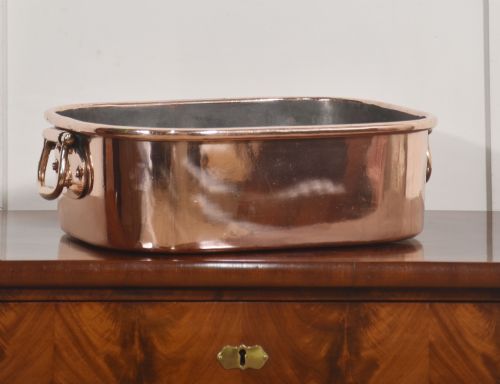
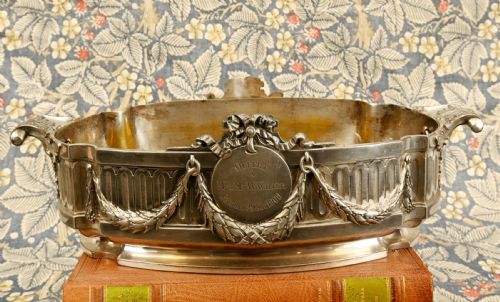
Metal vessels utilise cast iron, zinc, brass, and copper, often shaped through repoussé work, casting, or wire framing. Artisans combined durable outdoor metals with refined mounts.
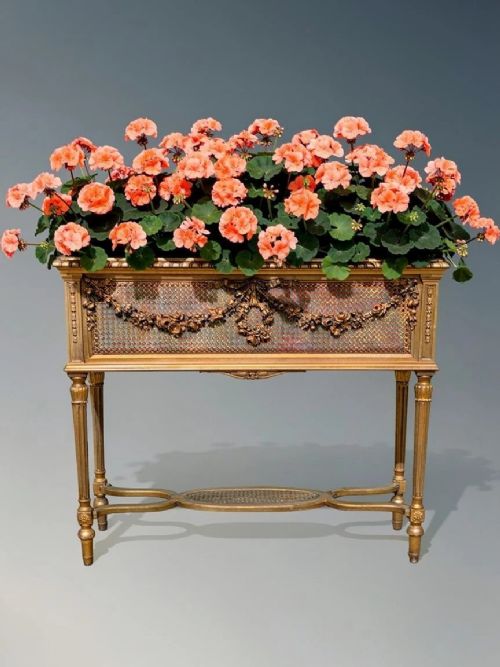
Wooden examples employ satinwood, burr walnut, kingwood, mahogany, and giltwood, frequently incorporating marquetry, ormolu mounts, and protective metal liners. These timber bodies reflect cabinetmaking techniques typical of distinct historical periods.
Listings feature nineteen century French designs alongside Edwardian and Victorian works, utilising cast iron, zinc, copper, and burr walnut.
What varies in quality
Quality rests in the crispness of metal casting, the fidelity of ormolu mounts, and the complexity of timber marquetry or carving. Superior examples display refined proportions and hand-chiselled details rather than coarse execution.
The integrity of original liners, surface patination, and the balance between structural materials determine the distinction between ordinary utility items and exceptional decorative works.
Guichard Carriès
The French Planter Trough Glossary
- Jardiniere
- An ornamental pot or stand for plants, usually ceramic or metal. These vessels often sit on furniture tops or pedestals.
- Ormolu
- Gilded bronze mounts applied to furniture and decorative objects. This technique adds metallic brilliance to timber bodies.
- Repoussé
- Metalwork hammered into relief from the reverse side. Artisans utilise this method to create raised surface patterns.
- Marquetry
- Inlaid wood veneers forming decorative patterns. Craftsmen arrange contrasting timbers to adorn the surface.
- Zinc
- A bluish white metal utilised for corrosion resistant garden containers. This material weathers over time to a matte grey tone.
French Planter Trough: Frequently Asked Questions
Where should I place a heavy cast iron trough?
Cast iron and zinc troughs suit gardens, patios, and stone flagged conservatories where their weight provides stability.
Ensure the surface supports the load, particularly when filled with damp soil and established plants.
Can I use antique metal planters outside?
Zinc, cast iron, and wrought iron handle outdoor conditions well, developing natural patinas over decades of exposure.
Copper and brass pieces generally require sheltered patio spots or indoor placement to preserve their polished finishes.
How do I identify Louis XVI style mounts?
Louis XVI style mounts feature classical symmetry, ribbon twists, acanthus leaves, and geometric urn motifs.
These cast bronze elements are typically fire gilt and secured firmly to walnut, mahogany, or ebonised timber bodies.