


Antique Bronze Nude
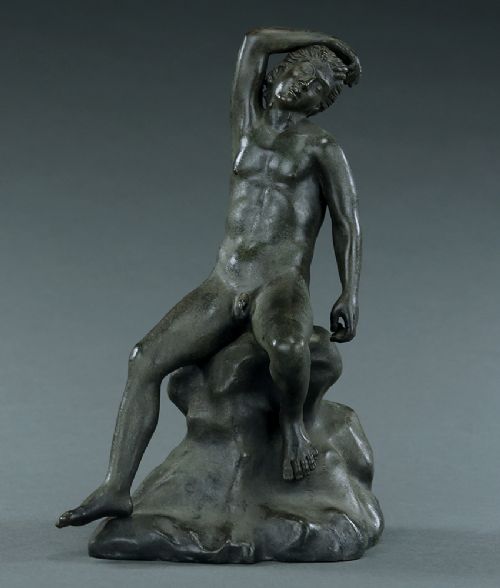
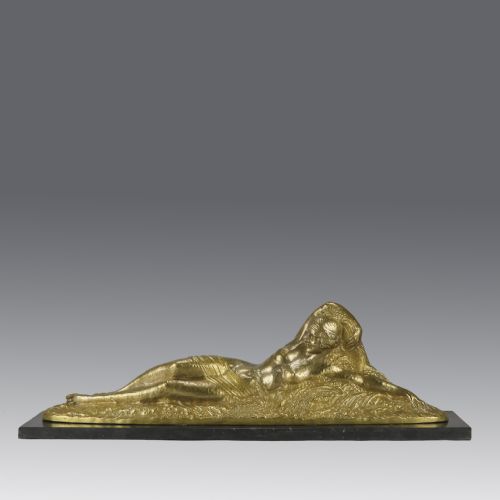
When you search for antique bronze nude, you encounter centuries of sculptural figure work cast in metal, prized for form and finish.
Antique Bronze Nude
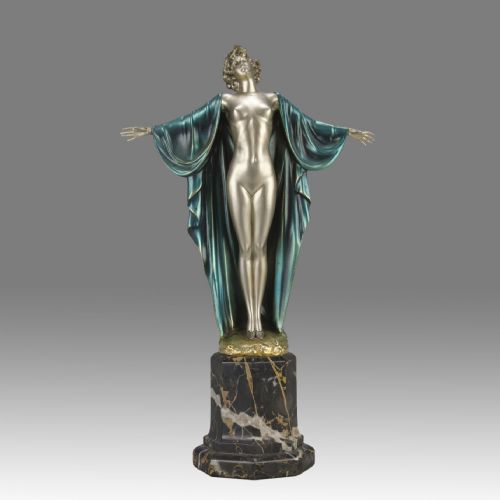
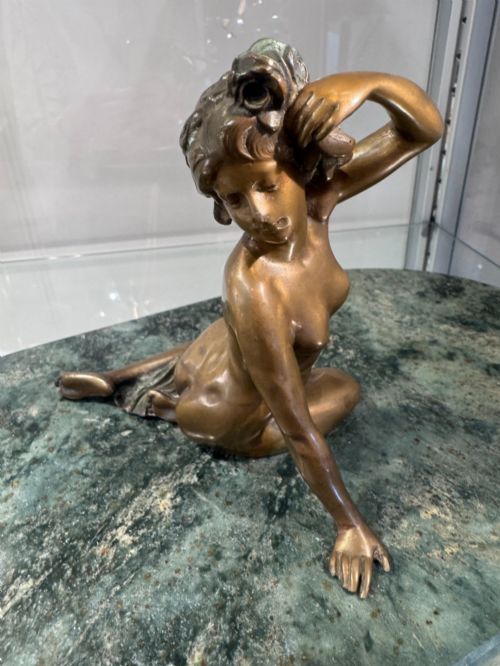
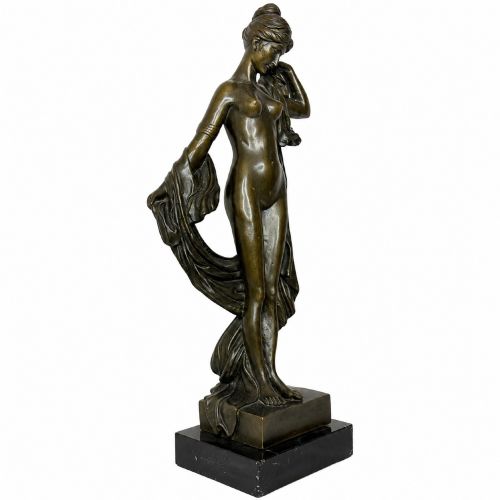
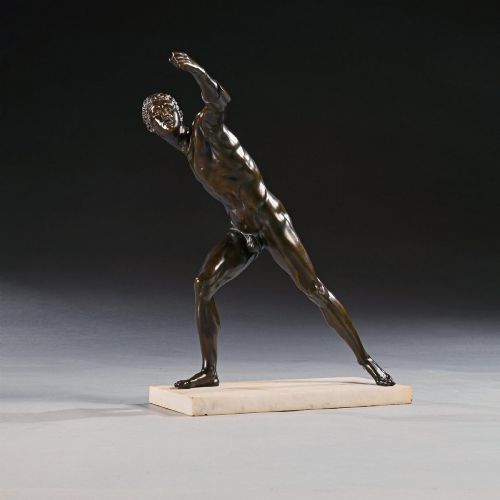
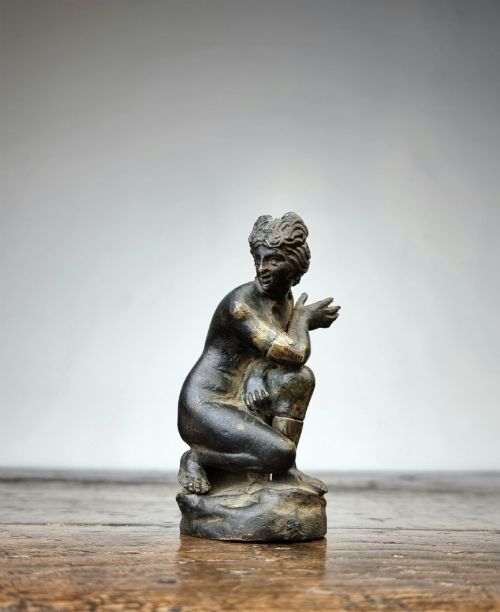
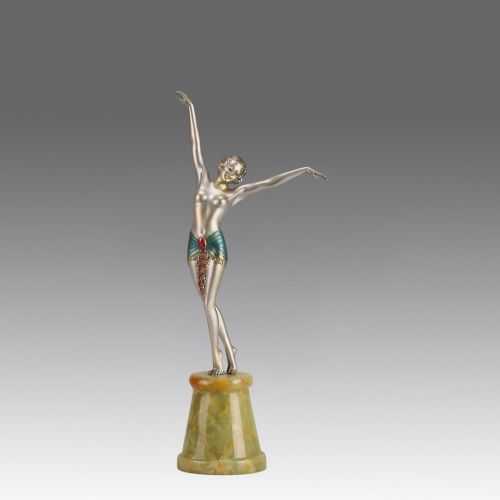
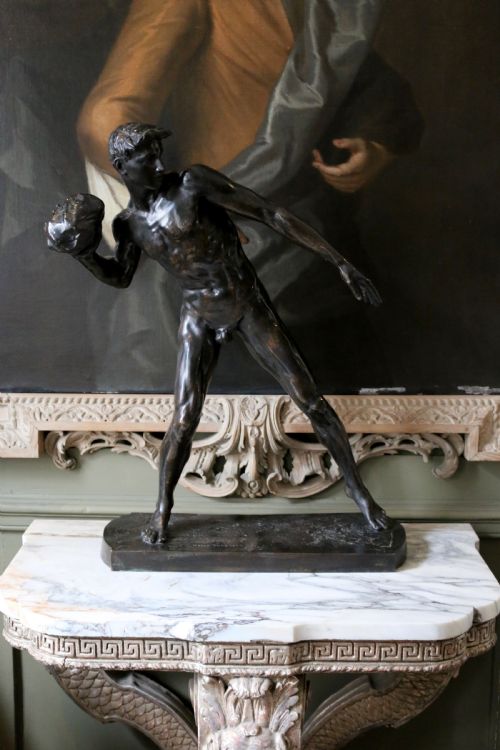
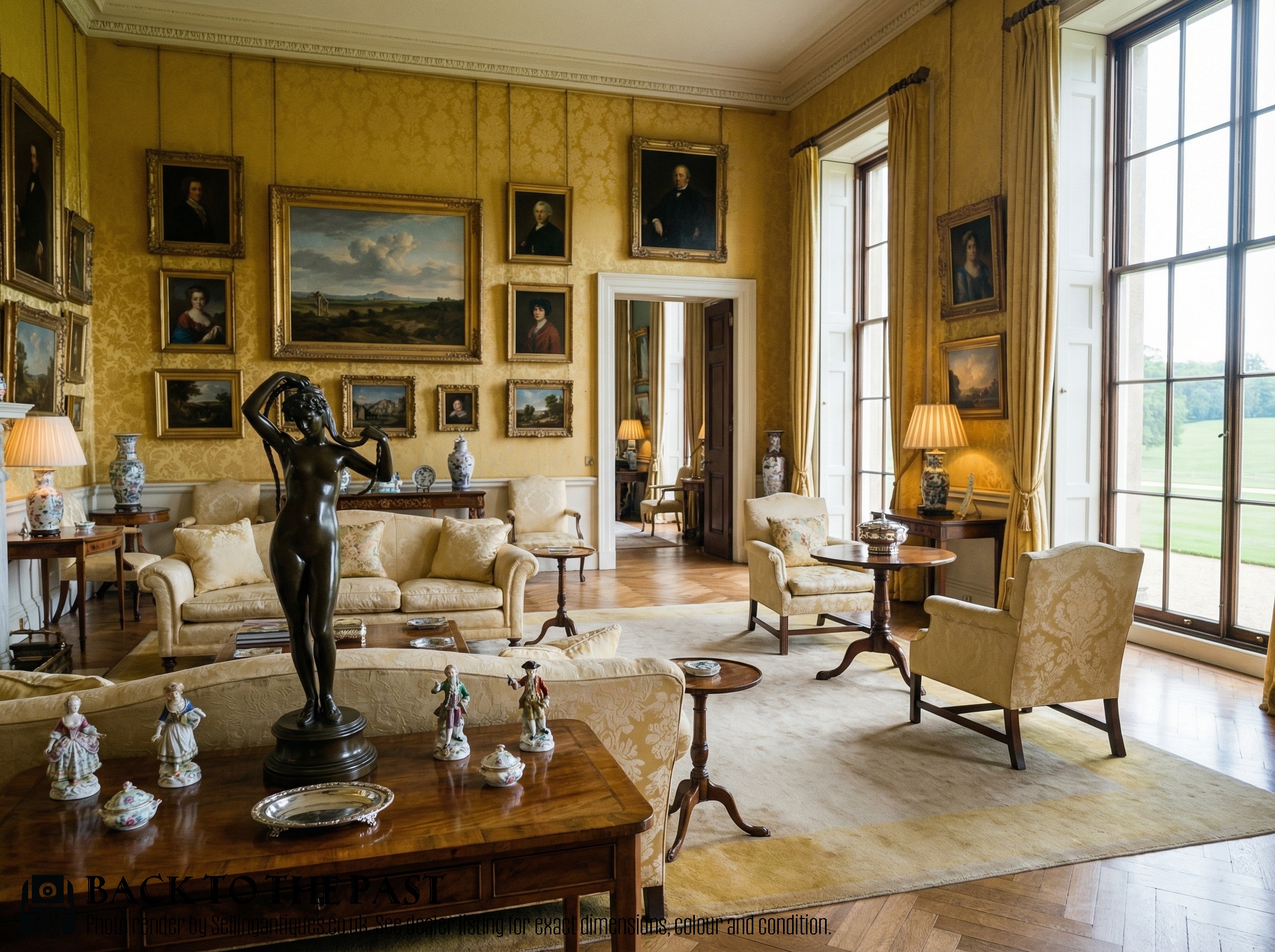
The antique bronze nude encompasses sculptural figures, statuettes, and table lamps cast across the nineteenth and early twentieth centuries. These works draw heavily on classical antiquity, mythological subjects, and the distinctive curves of Art Nouveau and Art Deco design.
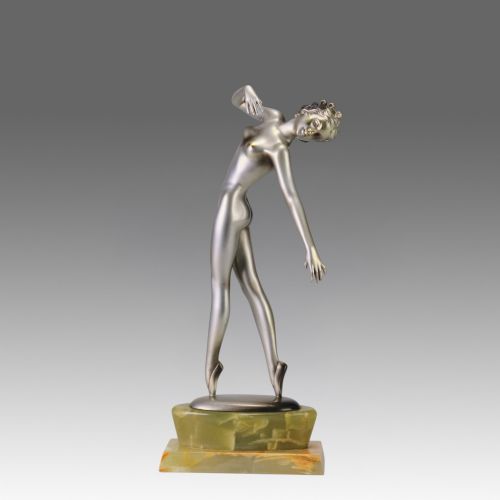
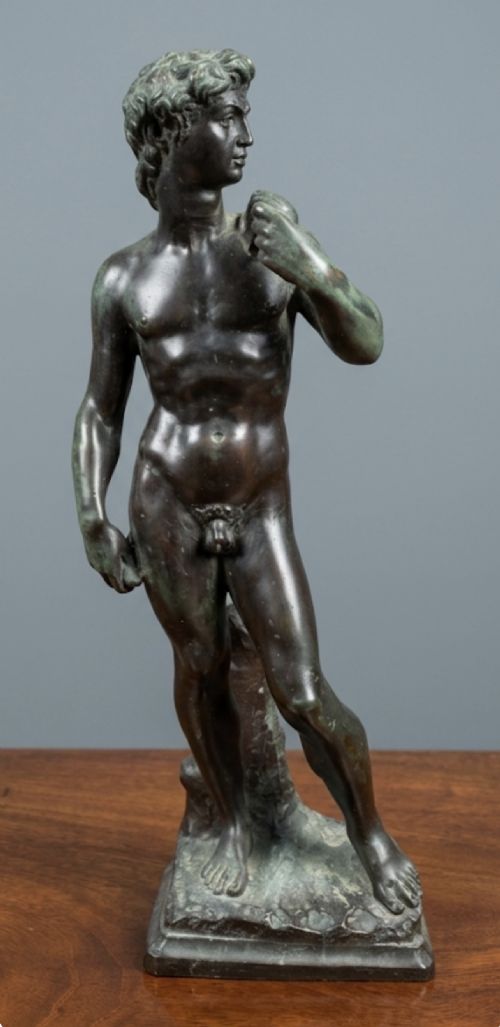
You are most likely to meet French and Austrian examples on this page, spanning grand tour souvenirs of classical statuary to modernist dancer figurines. Figures range from small cabinet bronzes to large-scale gallery sculptures mounted on marble or onyx bases.

How they were made
Metalworking techniques rely primarily on traditional casting methods, often utilising the lost-wax process to capture intricate anatomical detail and fluid movement. Foundries apply chemical patination treatments directly to the metal surface to achieve deep brown, green, or verdigris tones.
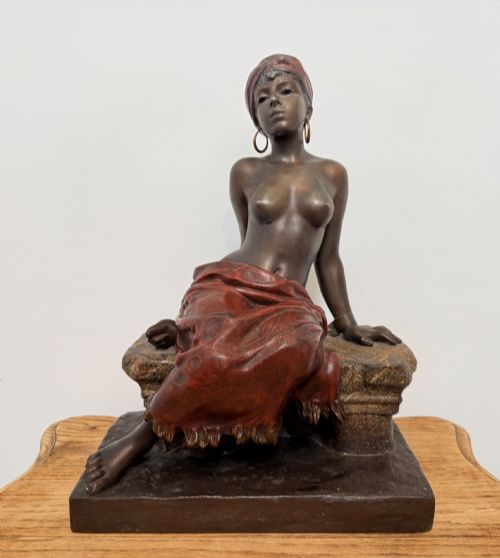
Many works combine cast bronze with contrasting materials such as multi-coloured marble, fossil limestone, or carved alabaster for structural bases. Cold-painted finishes appear frequently on twentieth-century figures, applying vibrant polychrome pigments over the metal surface.
Several dancers balance entirely on one pointed toe, supported by clever internal engineering hidden inside their marble plinths.
What varies in quality
The integration of the figure with its stone or marble plinth indicates the overall standard of manufacture, alongside clear foundry marks and artist signatures pressed into the metal.
Ferdinand Barbedienne·Ferdinand Preiss·Josef Lorenzl·Demetre Chiparus·Claire Jeanne Roberte Colinet·Pierre Le Faguays
The Antique Bronze Nude Glossary
- Patination
- The chemical treatment applied to the surface of metal to alter its colour and tone. This process protects the bronze while giving depth to the sculptural contours.
- Cold-painted
- A method of applying paint directly to unheated metal surfaces. This technique is particularly common on Austrian cabinet bronzes from the early twentieth century.
- Grand Tour
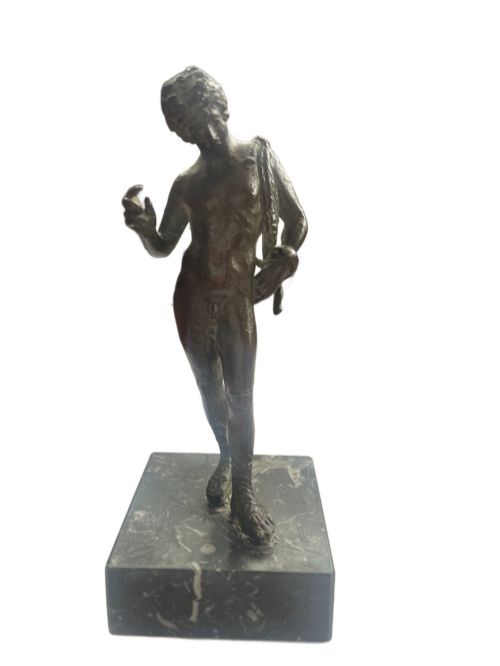
- A traditional educational trip across Europe undertaken by the wealthy during the eighteenth and nineteenth centuries. Travellers frequently collected small bronze reductions of classical statues as souvenirs.
- Lost-wax
- A casting method where a wax model is melted out from a mould to create a cavity for molten metal. It allows for high precision and complex undercut details.
Antique Bronze Nude: Frequently Asked Questions
How do I clean an antique bronze nude?
Dust the surface gently with a soft, dry brush to remove settled particles without disturbing the patina. Avoid using water, household cleaners, or abrasive polishes that strip historical finishes.
Apply a microcrystalline wax sparingly if the metal requires protection against moisture. Buff lightly with a clean cloth to maintain a stable, matte sheen.
Are these figures solid bronze?
Many figures are hollow-cast using traditional foundry methods to save weight and metal while maintaining structural integrity. Solid casts do occur, particularly among smaller statuettes and cabinet pieces.
Base materials often include weighted components or internal pins to secure the sculpture to its marble or onyx plinth.
What is cold-painted bronze?
Cold-painting involves applying non-fired oil or enamel paints directly onto a finished bronze casting. This technique achieved vibrant, multicoloured clothing and skin tones popular in early twentieth-century decorative figures.
Because the paint was not baked on, these surfaces require careful handling to prevent flaking or loss over time.
How can I tell a Grand Tour piece apart?
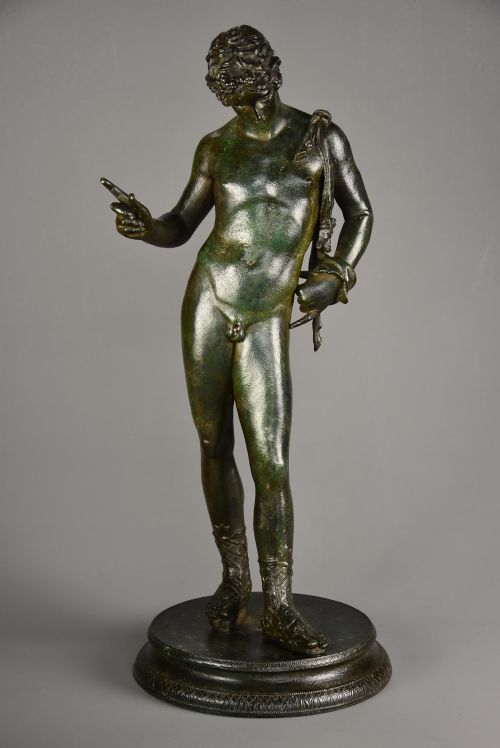
Grand Tour bronzes typically replicate famous classical sculptures seen in Italian museums and archaeological sites during nineteenth-century travels. They often feature characteristic dark green or verdigris patination designed to mimic ancient excavated metal.
These reductions are usually mounted on distinct architectural bases made of fossil marble, slate, or alabaster.