
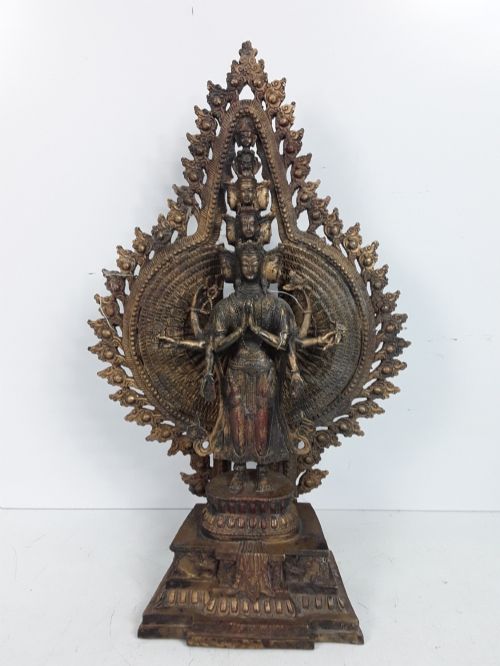
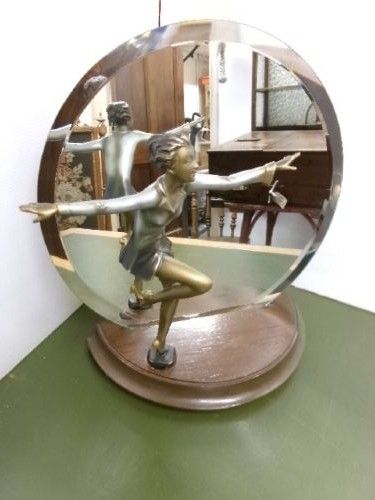
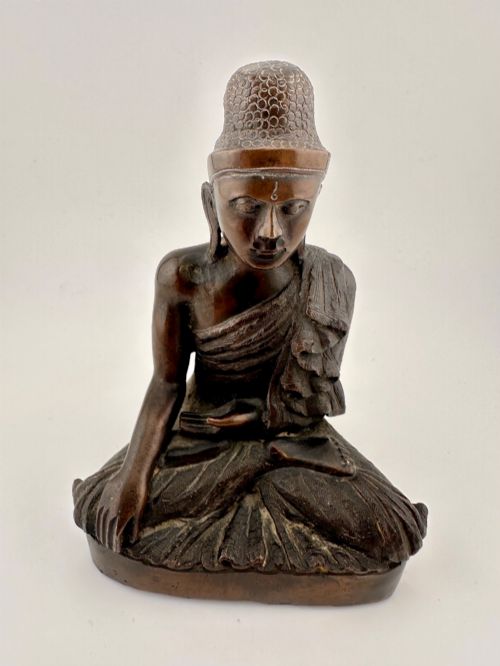
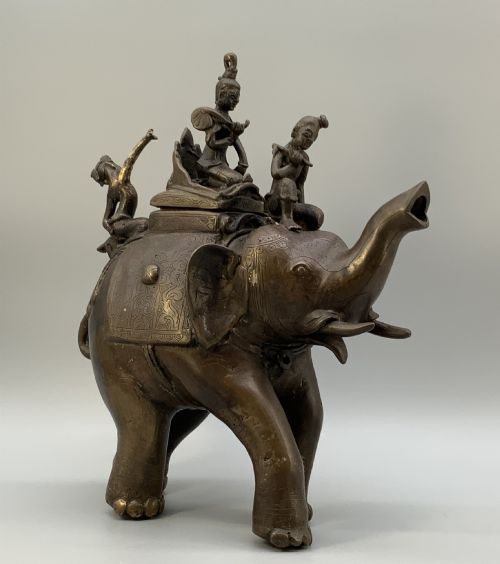
Bronze Figure After
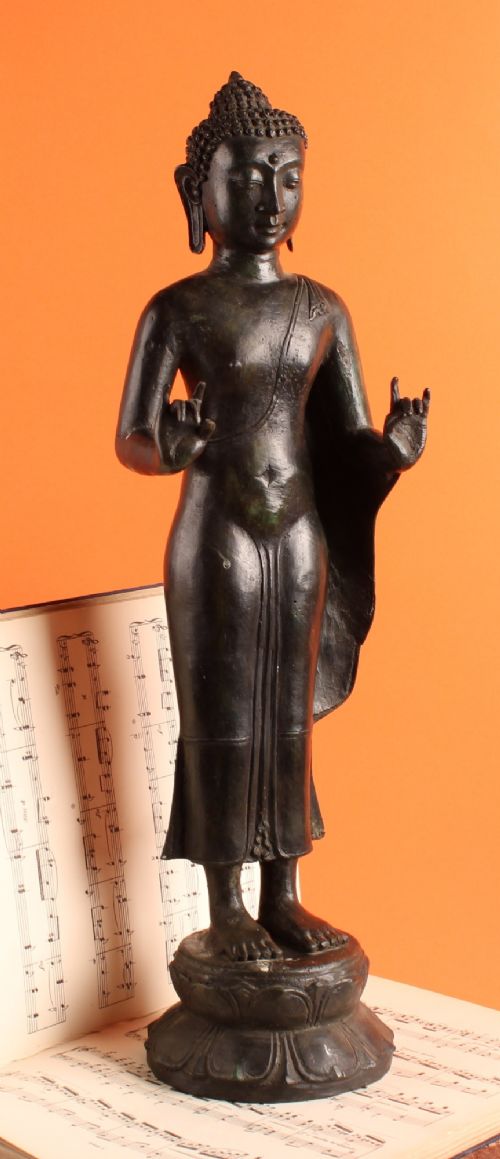
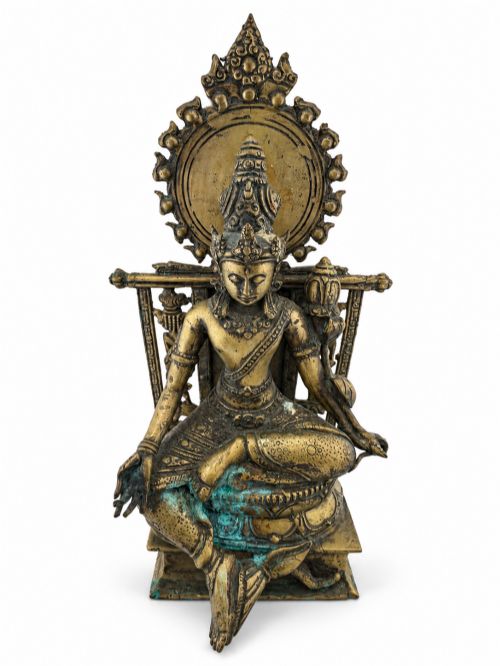
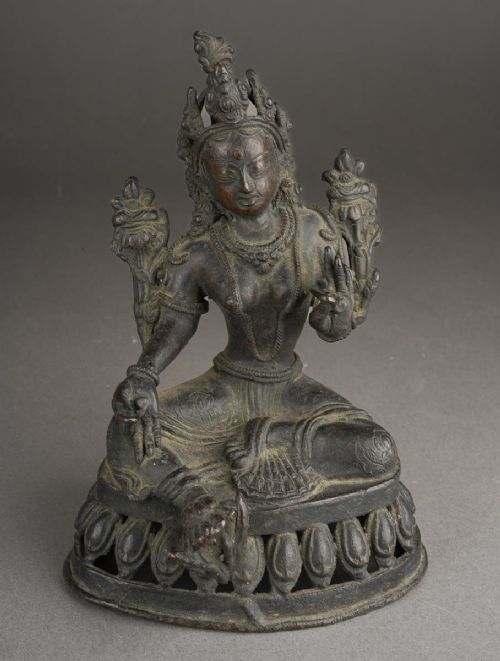
A bronze figure after antique brings classical sculpture and famous museum masterpieces into domestic spaces through skilled nineteenth-century and early twentieth-century reductions.

Bronze Figure After
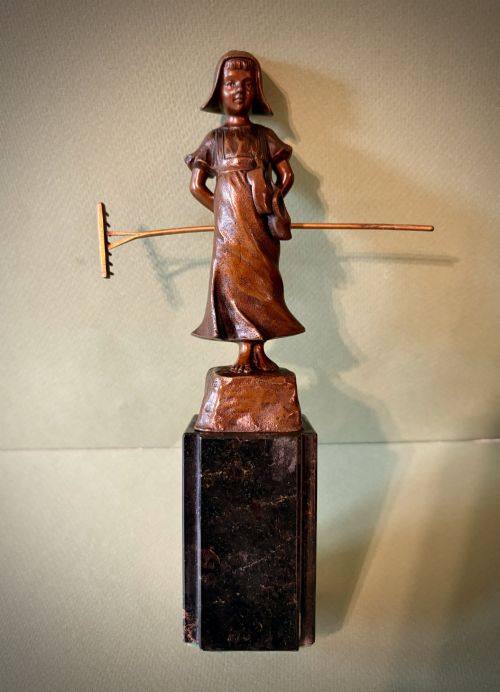
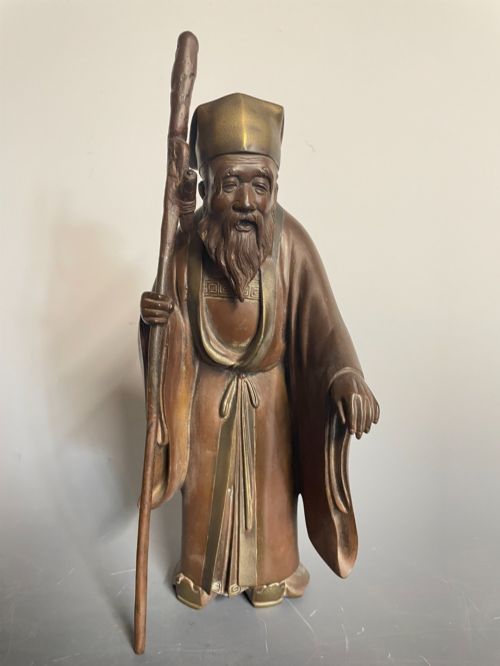
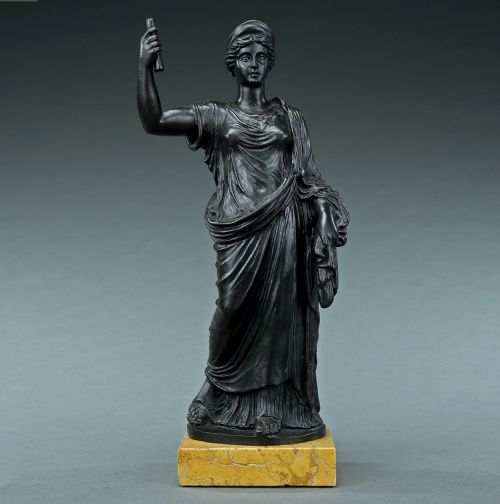
A bronze figure after antique captures classical antiquity, mythological subjects, and Renaissance masterworks created as Grand Tour souvenirs or cabinet bronzes. These works translate monumental marble and bronze sculptures from Italian and French collections into smaller, portable bronze casts.
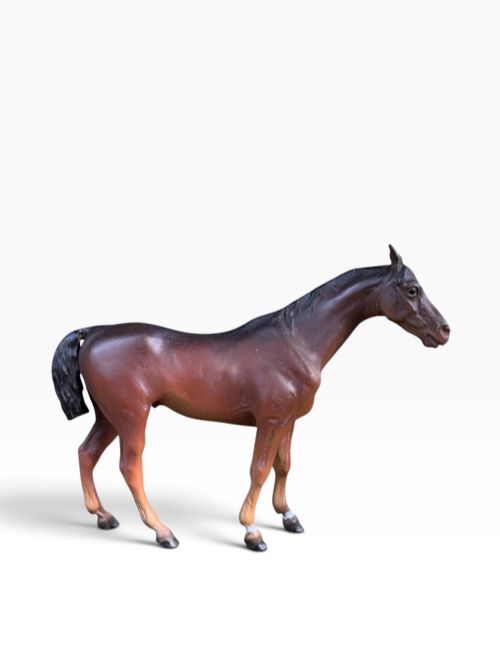
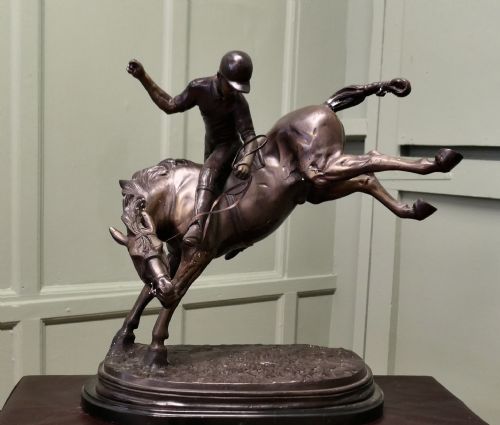
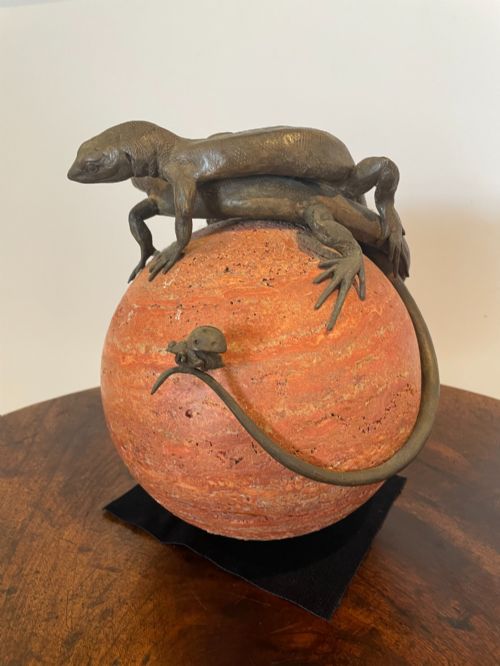
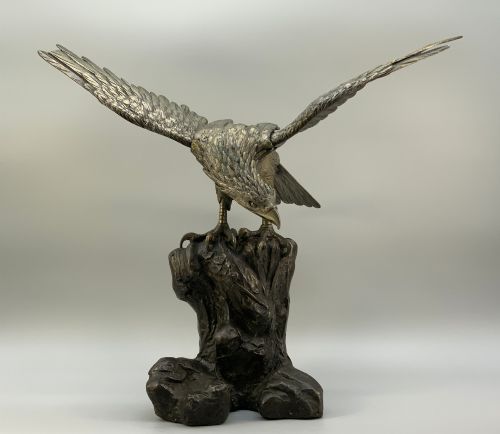
Buyers encounter pieces originating predominantly from the nineteenth and early twentieth centuries, spanning French animalier studies, Neoclassical subjects, and Italian foundry reductions. Common forms include single mythological figures, animal groups, and clock cases incorporating classical motifs.
The subjects draw directly from renowned ancient statues such as the Dancing Faun, Narcissus, and the Farnese Hercules, alongside Renaissance compositions by masters like Giambologna and Michelangelo.
Materials and casting methods
Foundries utilised the lost-wax casting method or sand casting to achieve intricate detail in bronze, allowing workshops to scale down monumental sculptures accurately. Molten metal filled moulds taken directly from reductions or master models.
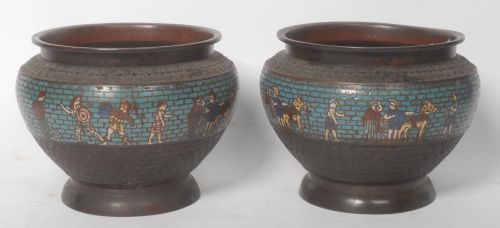
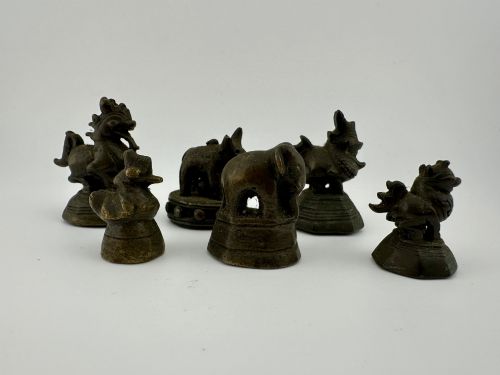
Patination played a vital role in finishing the surface, ranging from deep brown and black tones to green chemical patinas that imitated buried ancient bronzes. Mounts frequently incorporated supporting elements like marble bases, black slate, and gilt-bronze orormolu details.
Listings feature works spanning the nineteenth and early twentieth centuries, incorporating materials such as patinated bronze, marble, ormolu, and ebonised wood.
Distinctions in craftsmanship
The weight of the bronze and the quality of the foundry mark or signature indicate the level of workshop care. Finer casts integrate complex undercuts and secure mounting to marble or slate bases with precision.
Barbedienne·Claude Michel Clodian·Isidore Jules Bonheur·P J Mene·Auguste Moreau
The Bronze Figure After Glossary
- Grand Tour
- A traditional trip through Europe undertaken by upper-class travellers who collected local souvenir bronzes and antiquities. These reductions recorded famous museum pieces for home display.
- Animalier
- A nineteenth-century artistic style focusing on realistic depictions of animals, particularly horses, dogs, and wildlife. French foundries specialised in dynamic bronze groups of animals in motion.
- Patination
- The chemical or thermal treatment applied to the bronze surface to create colour and tone. This finish protects the metal and simulates age.
- Ormolu
- Gilded bronze produced by applying a mercury-gold amalgam to a bronze base, creating a bright golden surface. The technique was widely used on decorative clock mounts and garnitures.
- Reduction
- A smaller scale copy of a larger sculpture achieved through specialised mechanical pantograph devices or skilled modelling. This process allowed monumental statues to fit domestic interiors.
Bronze Figure After: Frequently Asked Questions
What is a Grand Tour bronze?
A Grand Tour bronze is a nineteenth-century souvenir cast in Italy or France, reproducing famous classical or Renaissance sculptures seen by travellers abroad. These reductions allowed collectors to bring museum masterworks into private studies and libraries.
They served as decorative art objects that reflected the owner's classical education and cultured travels across Europe.
How do I identify the subject of a figure?
Subjects typically derive from well-documented classical mythology, Roman statues, or Renaissance art, such as figures of Narcissus, fauns, or gladiators. Inscriptions, titles cast into the base, or distinct poses often point directly to the original ancient marble.
Reference books on nineteenth-century bronze sculpture and museum catalogues help match the specific posture and attributes to the correct historical source.
Are these figures solid bronze?
Many nineteenth-century cabinet bronzes are cast hollow to save weight and metal while maintaining structural integrity. Larger sculptures and bases may incorporate weighted interiors or sit upon heavy marble and slate plinths for stability.
Solid casts generally occur in smaller souvenir studies, miniature figures, and detailed animalier pieces.
Where should I display a bronze figure?
These figures suit tabletops, mantelpieces, and dedicated cabinets where adequate lighting highlights the patination and chased details. Stable surfaces away from direct moisture protect both the metal and any attached marble or slate bases.
Placing them at eye level allows viewers to appreciate the fine surface textures and proportions intended by the foundry.