

Antique Bronze Lamp Base
An antique bronze lamp base brings weight and sculptural presence to a room, offering a solid foundation for lighting that standard modern fittings simply lack.
Antique Bronze Lamp Base
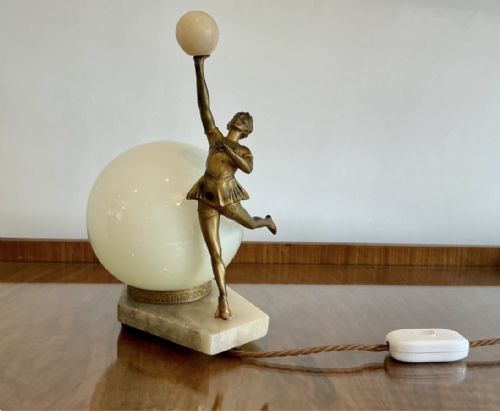
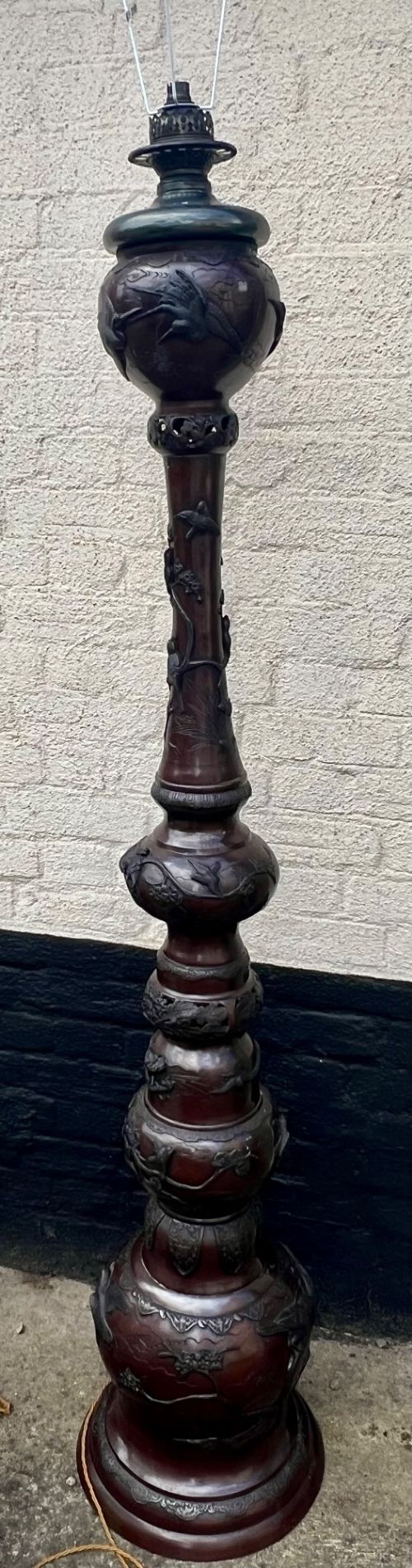
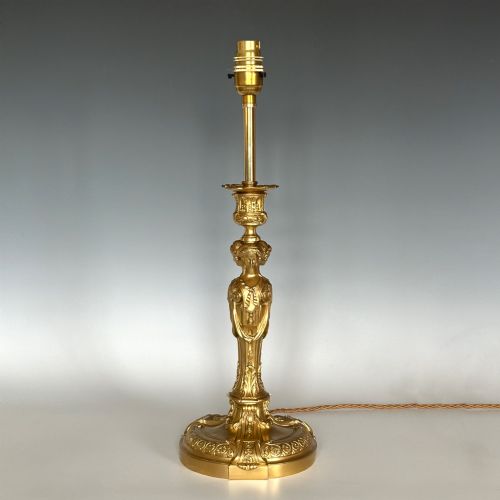
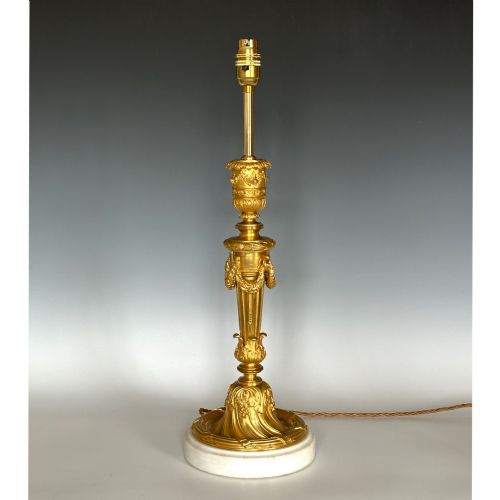
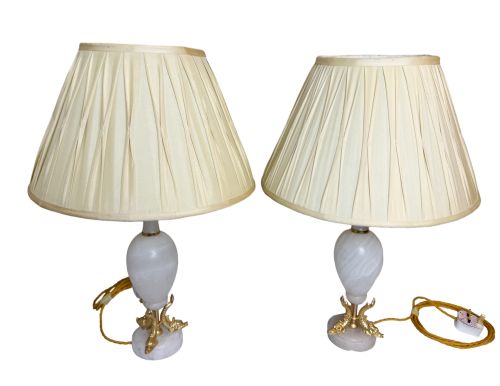
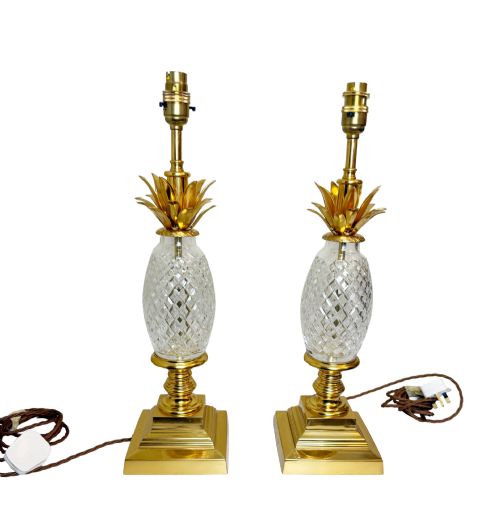
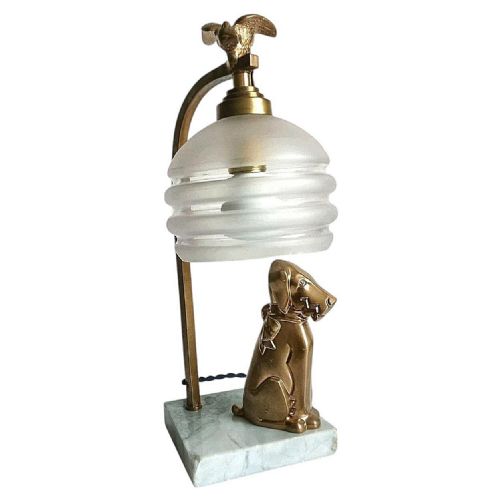
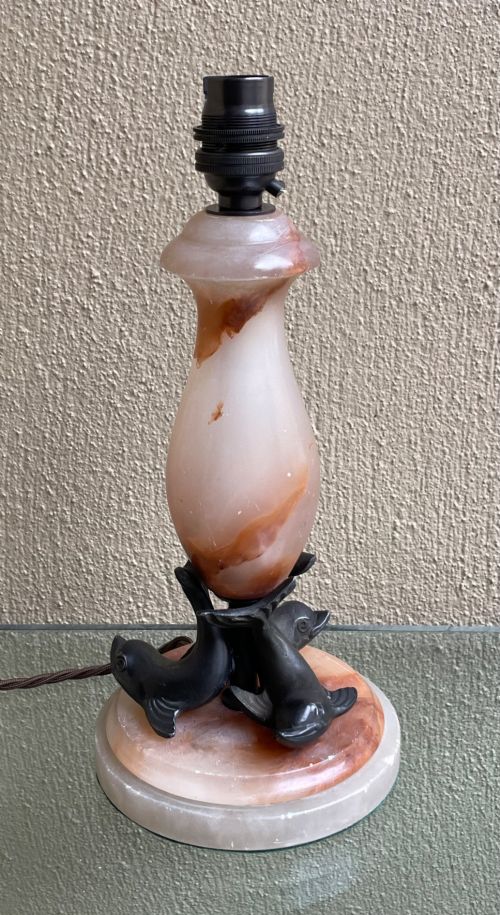
When you search for an antique bronze lamp base, you find cast metal supports originating predominantly from the nineteenth and early twentieth centuries. These pieces encompass table lamps, floor lamps, and converted oil lamps that once burned fuel instead of electricity.
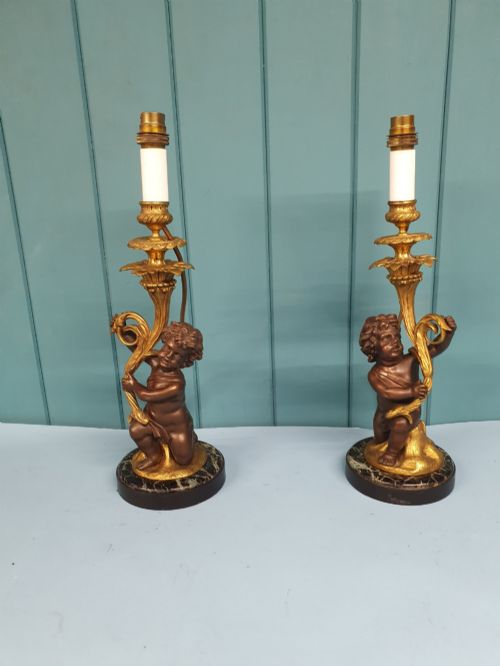
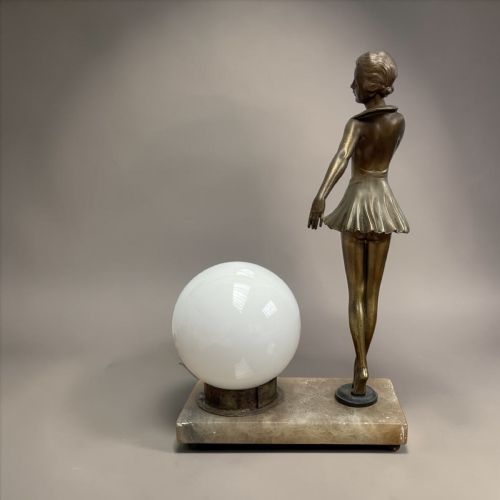
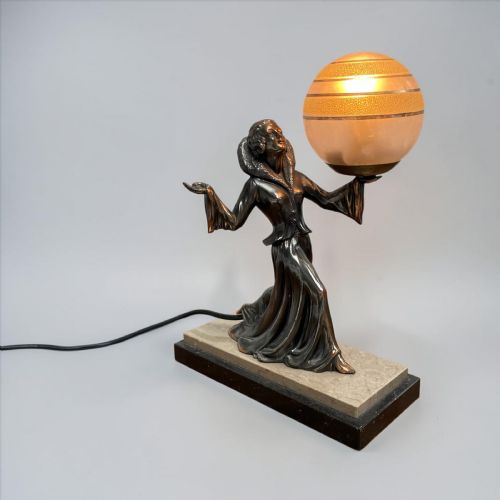
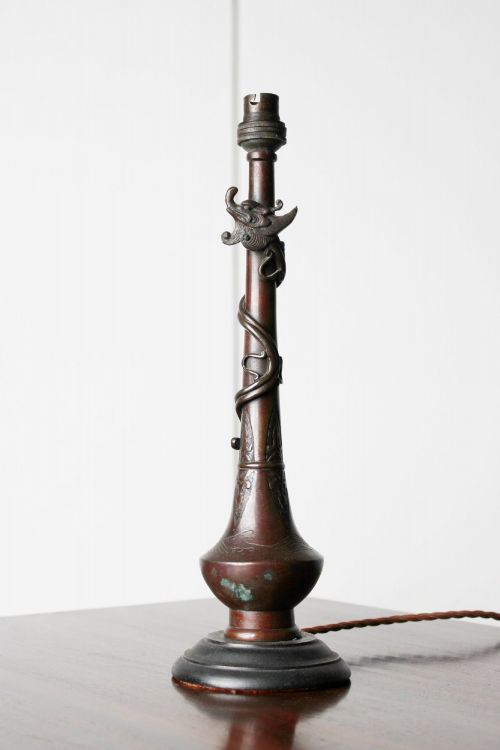
The selections span distinct stylistic movements, featuring French Empire, Art Deco, and Victorian designs alongside Japanese Meiji period castings. You frequently encounter figural subjects, architectural columns, and mounted vessels utilising bronze alongside contrasting materials.
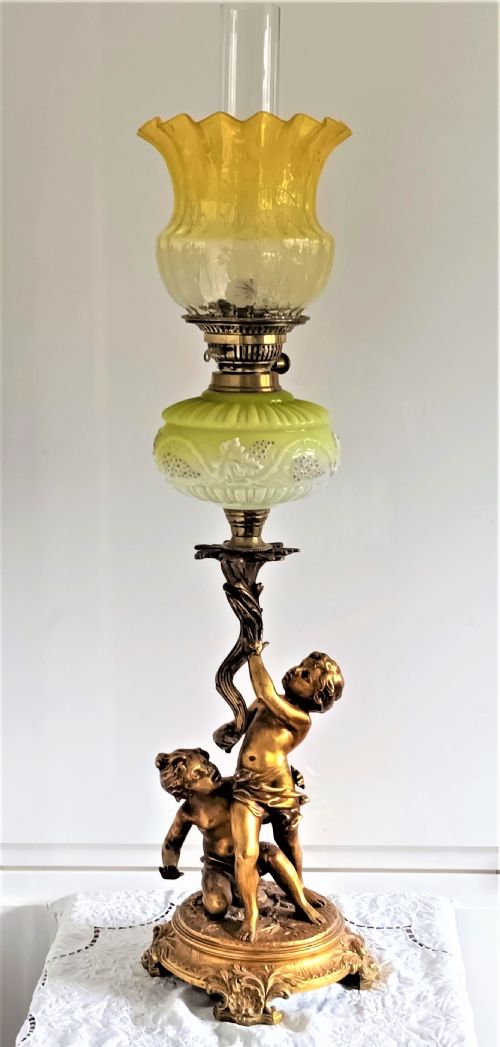
Many survivors began life as oil lamps, garnitures, or statuettes before receiving electrical fittings at a later date. This adaptation preserves decorative metalwork while updating the object for contemporary domestic use.
Materials and construction methods
Foundries created these metal bodies primarily through sand casting or lost-wax casting, capturing crisp details in relief work, foliage, and figures. Workers then finished the raw metal by chasing, filing, and applying patination or gilding.
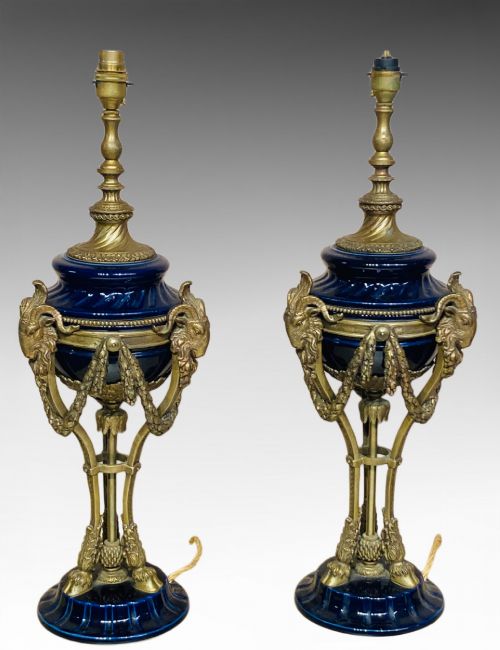
Gilt bronze and ormolu introduce brilliant golden surfaces through the application of gold leaf or mercury gilding. Many designs combine this metalwork with structural elements of marble, onyx, crystal, or porcelain.
Makers integrated functional elements such as brass collars and weighted bases to ensure stability. Converted pieces often retain original burner mechanisms or reservoirs adapted to house modern bulb holders.
Victorian domestic lighting occasionally turned to mythical beasts, casting mermaids and dragons to hold aloft the illumination of the parlour.
Judging execution and finish
The richness of the surface treatment distinguishes superior work, whether through deep patination or intact fire gilding. Lesser examples rely on simplified casting and flat surface treatments that obscure sculptural detail.
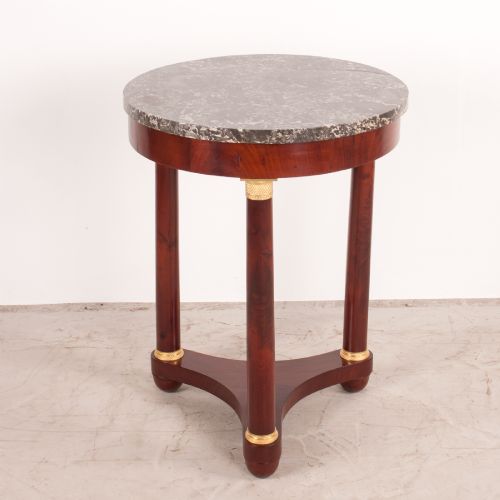
Integration of secondary materials marks another distinction, where fitted marble plinths or carved rock crystal columns meet the metal mounts with absolute precision.
JOSEPH HINKS
The Antique Bronze Lamp Base Glossary
- Ormolu
- Gilt bronze produced by applying finely ground gold amalgam to a bronze object and heating it to drive off the mercury. This technique creates a durable, warm golden finish seen on French neoclassical and Empire pieces.
- Patina
- The surface sheen and colour acquired by bronze through age, handling, and chemical oxidation over decades. Collectors prize undisturbed patination for the historical depth it confers.
- Chasing
- The manual refinement of a cast metal surface using hammers and small punches to sharpen details and remove casting flaws. Skilled chasing elevates the sculptural clarity of figures and ornamentation.
- Spelter
- An alloy of zinc and lead often used as a less expensive substitute for bronze in decorative figures. It accepts patination well but possesses lower tensile strength than bronze.
- Meiji Period
- The era of Japanese history lasting from 1868 to 1912, known for exceptional bronze casting and intricate dragon or elephant motifs. Work from this period demonstrates mastery of patination and organic forms.
Antique Bronze Lamp Base: Frequently Asked Questions
How do I convert an old oil lamp?
Conversion typically involves removing the burner mechanism and routing an electrical cord through the existing central shaft. A qualified electrician ensures the internal wiring meets safety standards while preserving the original collar.
Most antique bronze lamp bases accept standard threaded fittings without requiring permanent alteration to the structural metal. This allows collectors to maintain the structural integrity of the antique body.
Are these lamps heavy?
Solid cast metal combined with marble or onyx plinths provides substantial weight to keep tall fittings stable. This heft prevents tipping when supporting heavy shades.
Placement requires a sturdy piece of furniture capable of supporting the dead weight of solid bronze and stone components. The density of the materials serves as a primary indicator of period authenticity.
How do I clean bronze safely?
Dusting with a dry, soft microfibre cloth removes everyday particulates without disturbing the historical patina. Avoid abrasive polishes that strip away the protective oxidation built up over centuries.
Gilt surfaces require particular care to prevent wearing through the thin layer of gold leaf or mercury gilding. Professional conservation remains advisable for pieces requiring intervention.
Why are some signed by makers?
Foundries and independent artists occasionally stamped their signatures or registration marks onto the underside of bases or near the foot rim. These marks identify the producing workshop or designer.
Unsigned pieces remain common because many decorative castings left factories bearing only pattern numbers or retailer labels. The quality of the casting matters more to collectors than a signature.