

Antique Bronze Dancer Figure
These figures capture movement in metal, and an antique bronze dancer figure brings the dynamic energy of early twentieth-century design into a room.
Antique Bronze Dancer Figure
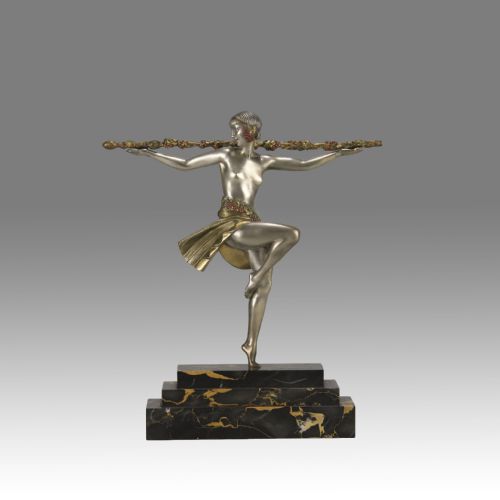
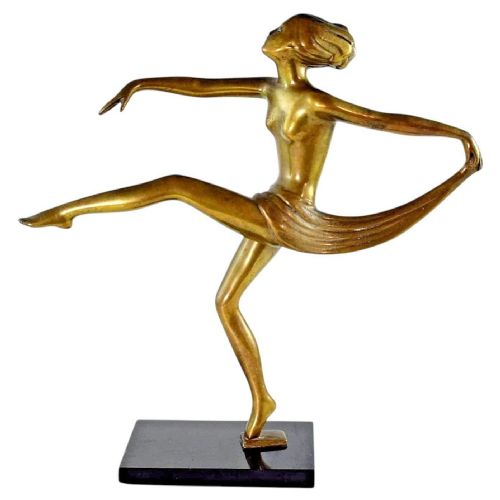
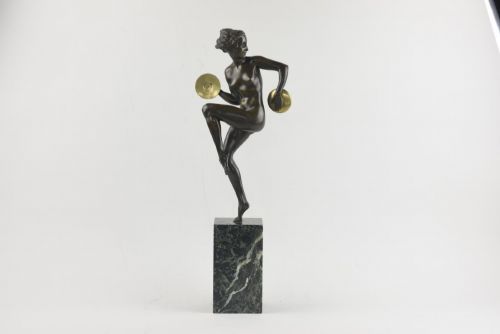
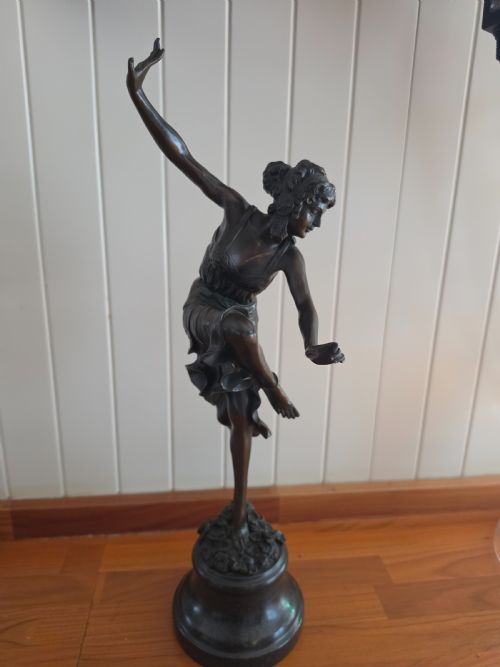
When you search for an antique bronze dancer figure, you encounter sculptural works that celebrate human movement, rhythm, and theatrical performance. The majority of pieces on this page stem from the Art Deco period of the nineteen twenties and nineteen thirties, capturing the modernist fascination with cabaret, ballet, and exotic dance forms.
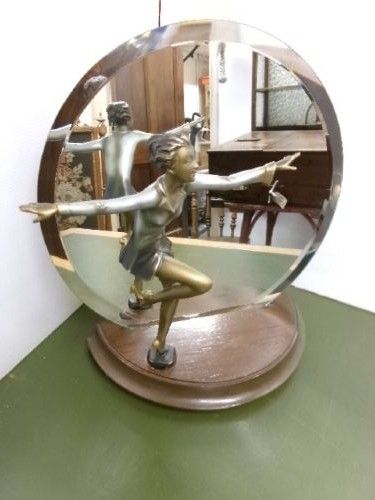
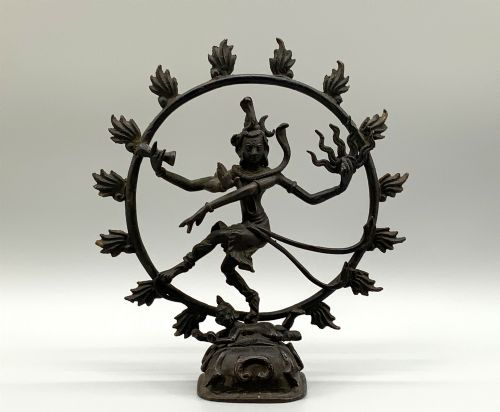
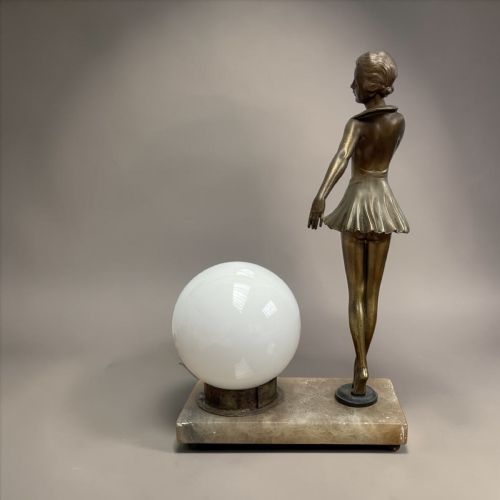
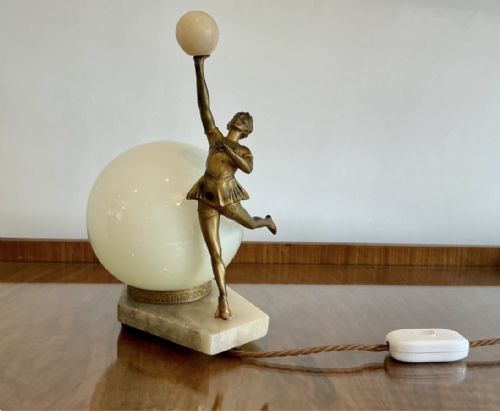
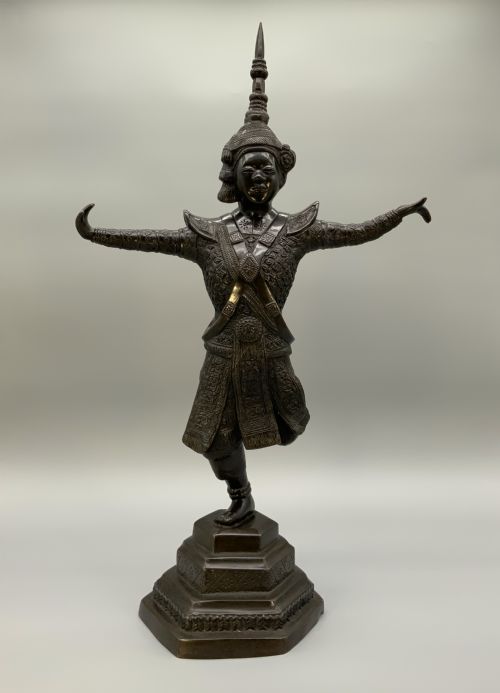
Beyond European Art Deco, the selection extends to nineteenth-century interpretations including French foundry work, Indian bronze depictions of Shiva Nataraja, and regional works from Indochina and Siam. Forms range from freestanding statuettes and tall sculptures to functional table lamps where the female figure forms the stem.
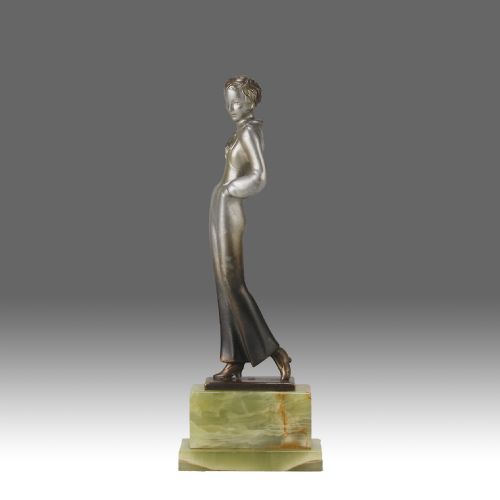
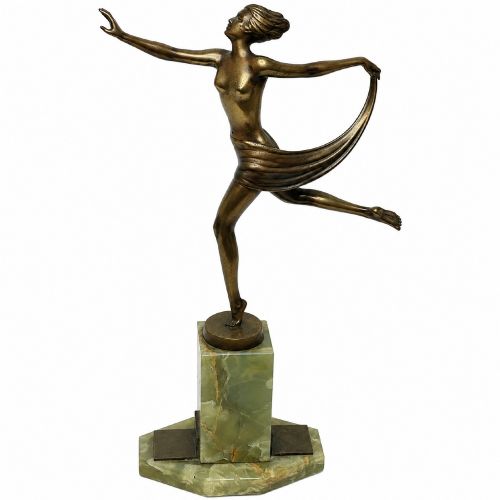
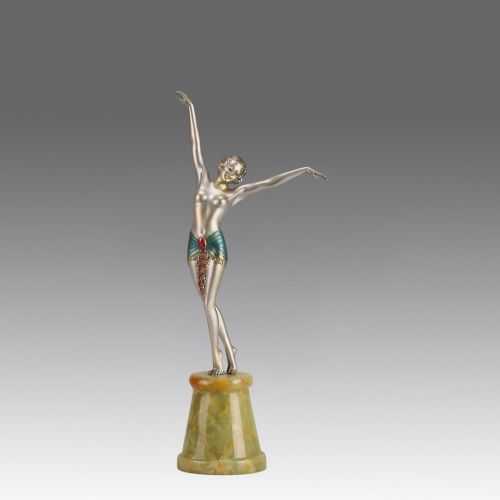
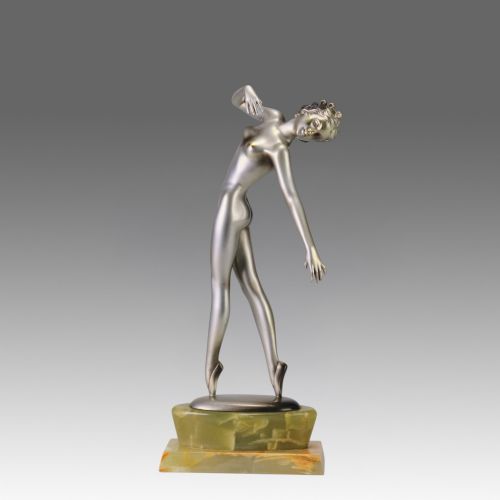
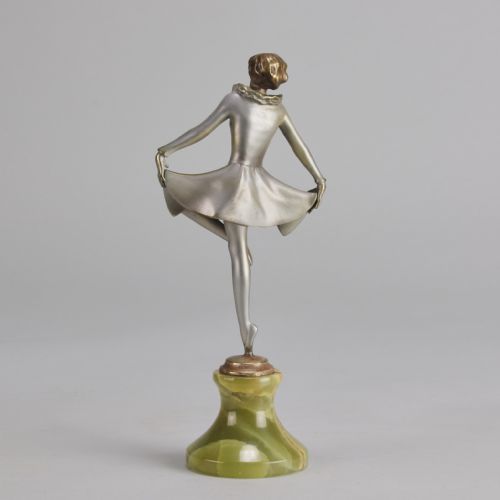
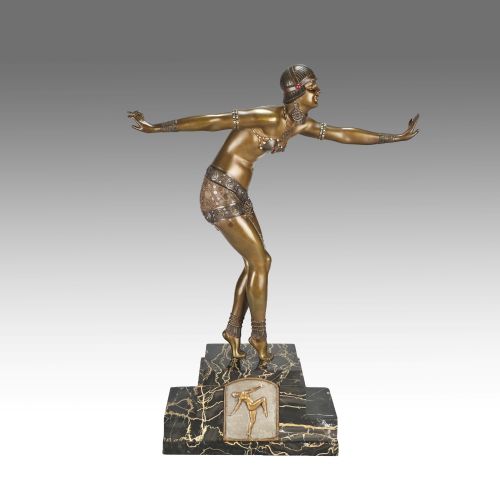
Most compositions portray solo female dancers posed mid-step, balancing on tiptoe, or stretching their arms outward. Bases of marble or onyx frequently anchor these metal figures, providing a stable plinth that contrasts with the dark or gilded surface of the sculpture.
Materials and methods of construction
Foundries utilised traditional casting techniques to shape molten metal into complex human postures. Solid or hollow bronze forms received patination through chemical treatments or cold-painted pigments applied directly to the metal surface.
Alternative materials appear frequently alongside metal, notably carved ivory in chryselephantine pieces and zinc-based spelter as an accessible substitute for pure bronze. Heavy stones such as marble and onyx serve as integral mounting bases for the standing figures.
Several figures balance precariously on tiny dice or tip-toe on one foot, capturing theatrical motion in unmoving metal.
Distinctions in craftsmanship and finish
The preservation of original cold-painted surfaces or rich, deep patinas influences the integrity of a piece. Finer examples retain their original mounting stones without replacement, maintaining the exact proportions intended by the designer.
Pierre le Faguays·Josef Lorenzl·Demetre Chiparus·Claire Jeanne Roberte Colinet·Paul Philippe
The Antique Bronze Dancer Figure Glossary
- Chryselephantine
- A term describing statues made from a combination of bronze and ivory. This technique gained prominence during the Art Deco era for figurative sculptures.
- Cold-painted
- A method where paint is applied to unheated bronze after casting. Pieces decorated this way often display bright polychrome finishes on garments and hair.
- Spelter
- A zinc-based alloy commonly used as an economical alternative to bronze. It takes patination well but possesses a lighter weight and softer durability than true bronze.
- Patina
- The surface coloration and sheen developed naturally over time or applied chemically by the foundry. It protects the metal and defines the visual texture of the sculpture.
- Natraja
- A depiction of the Hindu god Shiva in his cosmic dance form. These traditional bronzes feature specific symbolic gestures and circular fiery halos.
Antique Bronze Dancer Figure: Frequently Asked Questions
How can I tell bronze from spelter?
Bronze is heavier, colder to the touch, and yields a resonant metallic ring when lightly tapped. Spelter feels softer, shows a greyish interior if scratched, and lacks the dense weight of true bronze.
Foundry marks and magnetic tests also help clarify the material, as spelter can sometimes attract a weak magnetic pull depending on the iron content of the alloy base.
Where should I place a dancer lamp?
These figurative lamps suit stable wooden surfaces such as sideboards, desks, or low console tables where the height and illumination can be appreciated. Positioning them away from direct sunlight protects the painted surfaces and any delicate ivory components.
Ensure the electrical wiring meets modern safety standards if the lamp retains its original internal fittings from the early twentieth century.
Did Art Deco dancers use real ivory?
Many high-end figures from the period combine bronze limbs and faces carved from elephant ivory, a technique known as chryselephantine work. These components required precise joinery to secure the carved sections onto the metal armature.
Legislative regulations now govern the sale and movement of antique ivory items across international borders.
What is a cold-painted finish?
Cold-painting involves applying oil or enamel paints directly onto a cold bronze casting without subsequent firing in a kiln. This technique allowed artists to render vibrant costumes and patterned textiles on dancer figures.
Over decades, these delicate painted layers are prone to minor flaking if handled improperly or exposed to excessive moisture.